
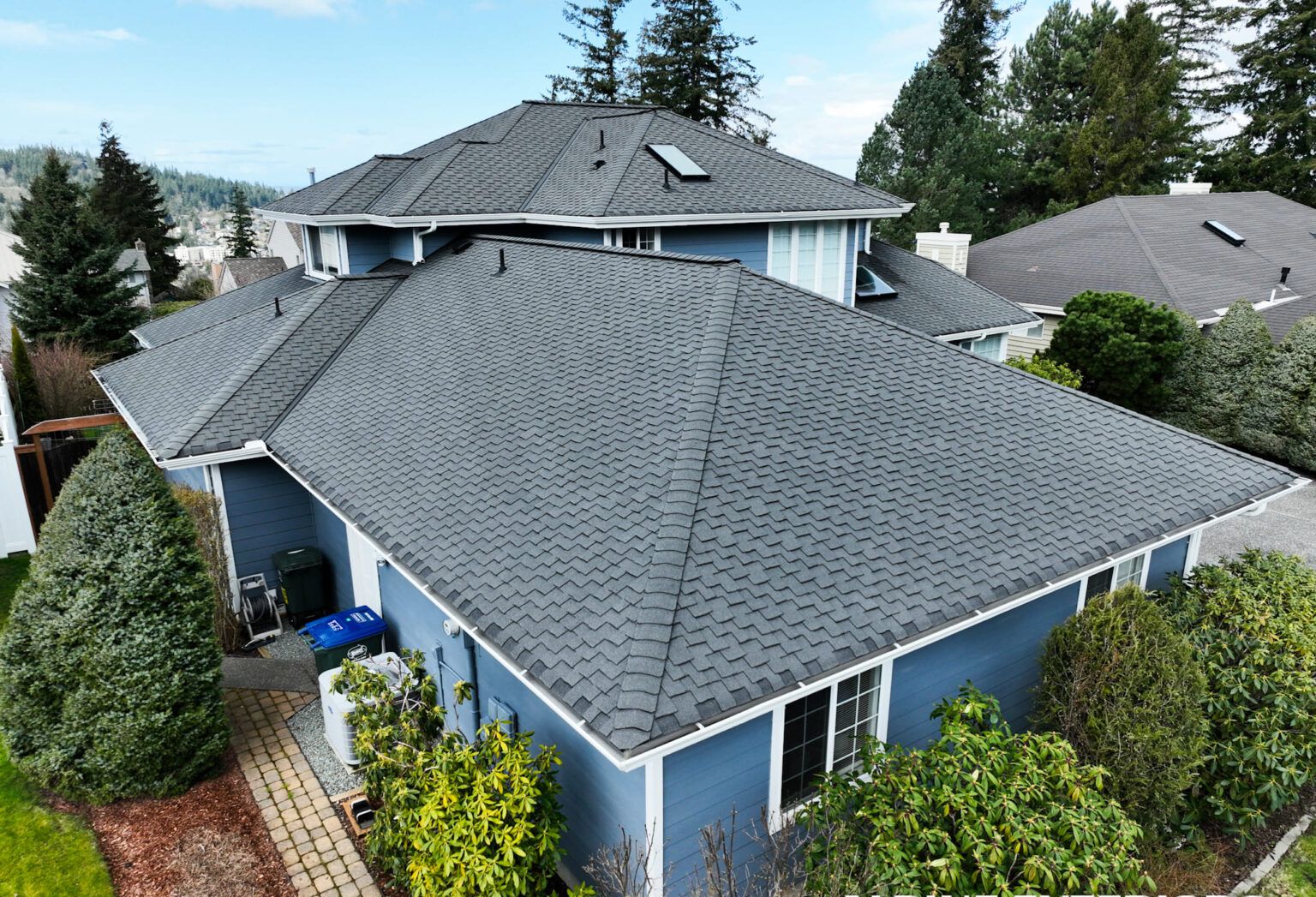
Homeowners in Wesley Chapel, Lutz, and the rest of Pasco County asking about James Hardie fiber cement siding cost usually get one of two answers: a vague "it depends," or a number pulled out of thin air that has nothing to do with their actual house. Neither is useful. What follows is a grounded look at the real range Alpine Exteriors sees on Wesley Chapel projects, the specific factors that push a quote up or down, and what a trustworthy bid should actually contain. We serve Wesley Chapel alongside Tampa, Land O' Lakes, New Port Richey, Plant City, and Zephyrhills, so these ranges reflect current Tampa Bay-area labor and material realities, not a national average that doesn't apply here.
James Hardie fiber cement siding is a premium product category, priced above vinyl and generally below full masonry or natural wood cladding once installation is factored in. For a typical Wesley Chapel single-family home, whole-house installed pricing most often lands somewhere in the low-to-mid five-figure range, with smaller ranch-style homes sitting toward the bottom of that band and larger two-story homes with more roofline complexity pushing well past it. Per-square-foot pricing for installed Hardie siding in this market commonly runs from the high single digits into the mid-teens, though homes with extensive trim work, board-and-batten accents, or difficult tear-offs can exceed that. These are planning ranges, not a quote — the only way to get an accurate number is a site visit and a written proposal.
| Cost Factor | Lower-Cost Scenario | Higher-Cost Scenario |
|---|---|---|
| Home size & footprint | Single-story ranch under roughly 1,800 sq. ft. | Two-story home over roughly 3,000 sq. ft. with multiple gables |
| Existing siding removal | Single layer, no rot found underneath | Multiple layers or water-damaged sheathing needing repair |
| HardieZone product mix | Standard HardiePlank lap siding throughout | Mixed profiles — HardieShingle, Board & Batten, or HardiePanel accents |
| Trim & architectural detail | Simple corner boards and minimal trim | Extensive trim, frieze boards, decorative banding |
| Moisture management prep | Standard weather-resistive barrier | Upgraded drainage plane/rainscreen behind the siding |
| Crew size & project length | Straightforward install, roughly 2–3 weeks | Complex home, additional crew, 4+ weeks |
| Permits & inspections | Single Pasco County building permit | Multiple inspections plus engineering documentation for wind loads |
A handful of Wesley Chapel-specific realities shift Hardie siding pricing more than most homeowners expect. First, Florida Building Code wind requirements matter here. Pasco County sits in a hurricane-exposed wind zone, and fastener schedules, flashing details, and product approvals all need to meet the code's wind-load requirements for the specific exposure category of the lot. That isn't optional trim work — it's baked into how the siding is fastened and detailed, and it affects labor time more than it affects material cost. Any Hardie product installed here should carry a valid Florida Product Approval (FL#) number, and a contractor who can't produce one for the exact profile being installed is cutting a corner that matters in a storm.
Second, wind-driven rain is a real design consideration, not a marketing phrase. Tampa Bay's storm pattern pushes rain sideways into wall assemblies, so proper flashing at windows, doors, and penetrations, plus correctly lapped house wrap, does more to prevent water intrusion than the siding material itself. Skipping or rushing this step is one of the most common causes of later moisture problems, and it's invisible once the siding is up — which is exactly why it belongs in a written scope, not a verbal promise.
Third, this region's humidity is aggressive enough to support mold and mildew growth on any cladding that traps moisture against the wall. Fiber cement resists rot in a way wood never will, but the assembly behind it — house wrap, furring strips or rainscreen gaps, and proper caulking at joints — is what actually keeps humid Florida air from condensing behind the panels. Homes that skip a drainage gap tend to look fine for a few years and then develop problems that are expensive to trace.
Fourth, intense UV exposure in Central Florida degrades paint finishes faster than in milder climates. James Hardie's factory-applied ColorPlus finish is engineered to hold up to UV better than field-applied paint, and choosing it over a repaint-later approach changes both the upfront cost and the long-term maintenance schedule — worth weighing even though it isn't free.
Finally, subterranean termites are common throughout Pasco County, and one advantage fiber cement has over wood-based siding is that it isn't a food source. That doesn't eliminate termite risk to the structure behind the siding, but it does remove the cladding itself as a vulnerability, which is a real, non-invented benefit worth factoring into a cost-versus-durability comparison against cheaper materials.
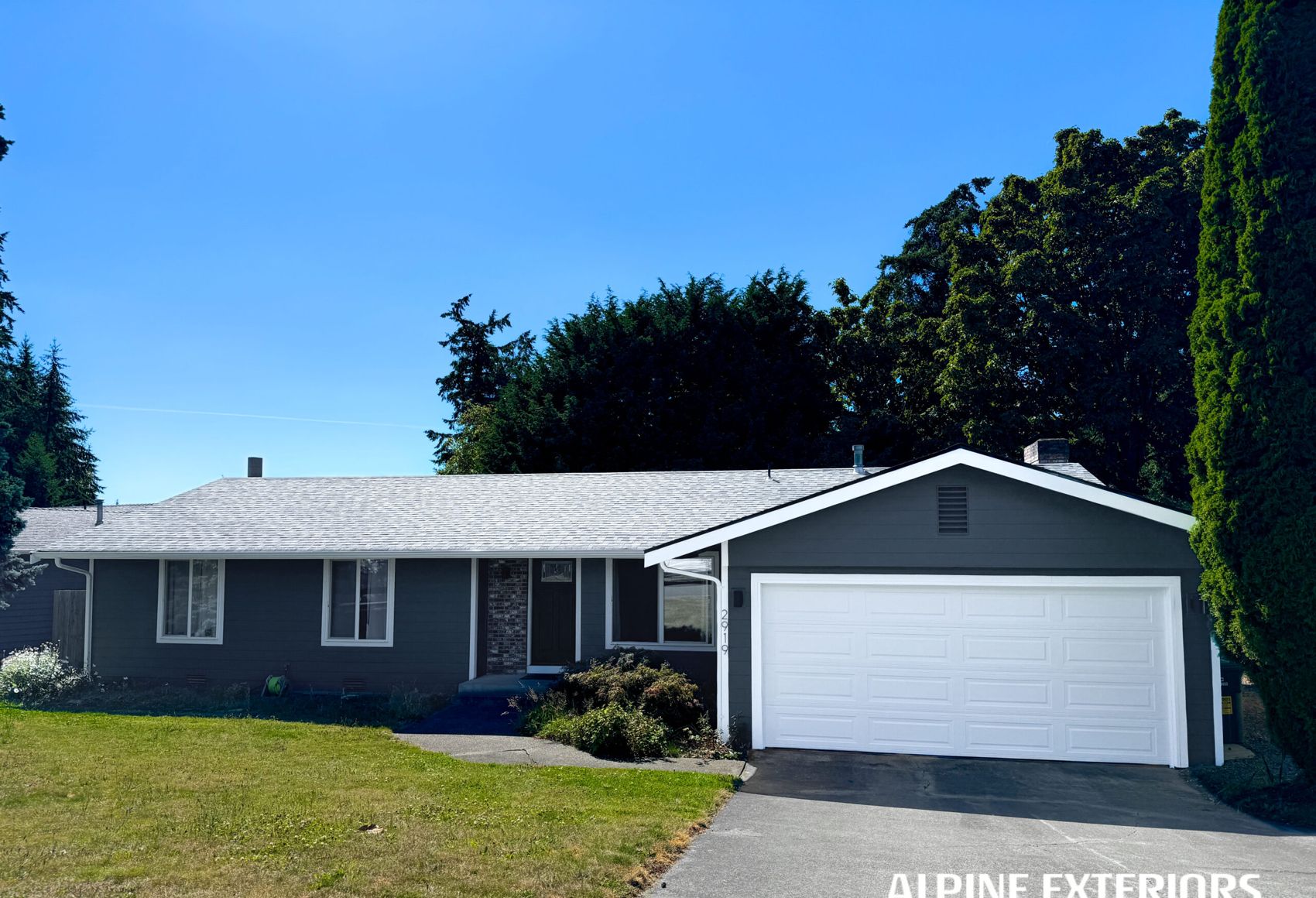
A vague one-line total is a red flag. A detailed James Hardie proposal from Alpine Exteriors or any credible contractor should spell out the specific HardieZone product and profile, the exact ColorPlus color or field-paint plan, the fastening and flashing approach used to meet Florida Building Code wind provisions, tear-off and disposal of existing siding, house wrap or drainage plane details, trim and accessory scope, permit fees, and a payment schedule tied to project milestones rather than large deposits collected upfront. If any of those items are missing, ask for them in writing before signing anything — what isn't written down tends to become a dispute later.
The single biggest mistake homeowners make when comparing siding bids is treating the bottom-line number as the whole story. Two quotes that look close on price can represent very different scopes — one may include full tear-off and sheathing inspection, the other may plan to install over existing damage. Line up each bid against the same checklist above before comparing totals. Ask each contractor directly whether they are HardieZone-approved for this climate zone, request their Florida contractor license number, and confirm they'll pull the required Pasco County permit rather than asking the homeowner to do it. A noticeably low bid is worth a direct question about what's been left out, not an automatic red flag, but it should be resolved before signing rather than discovered mid-project.
Many siding contractors, including Alpine Exteriors, can point homeowners toward third-party financing options that break a project into monthly payments rather than one lump sum — worth asking about directly, since terms and availability change and shouldn't be assumed. On the insurance side, upgrading to fiber cement siding installed to current Florida Building Code wind standards can sometimes affect a home's wind mitigation profile, which is documented on the OIR-B1-1802 Uniform Mitigation Verification Inspection Form used by Florida insurers. It's worth asking your contractor whether the completed work should trigger an updated wind mitigation inspection, and separately confirming with your insurance agent whether that translates into a premium adjustment — that determination sits with the insurer and inspector, not the siding contractor.
For many homeowners, yes, though it depends on priorities. Fiber cement holds up better to Central Florida's UV exposure and humidity, resists termite damage as a food source, and can be engineered to meet Florida Building Code wind requirements with the right fastening and flashing. Vinyl costs less upfront but tends to fade faster under intense Florida sun and can be more vulnerable in high-wind events depending on the product and installation. The right choice depends on how long you plan to stay in the home and how much you value long-term durability over lower initial cost.
Most single-family homes in the Wesley Chapel area take a few weeks from tear-off to final trim, though the timeline stretches for larger homes, complex rooflines, or projects that uncover sheathing damage once the old siding comes off. Florida's summer storm pattern can also cause scheduling delays, since fiber cement installation and painting steps need dry conditions to go correctly.
Properly installed fiber cement siding that meets Florida Building Code wind-load requirements and carries a valid Florida Product Approval is engineered to perform better in high-wind events than older, deteriorated siding, and the flashing work done alongside it helps resist wind-driven rain intrusion. That said, siding is one component of a home's storm resistance, not a complete hurricane-hardening plan — roofing, openings, and overall structural condition all factor in separately.
Sometimes, but it depends on the condition of what's underneath. Installing over sound, dry existing siding can reduce cost and labor time, but in a humid climate like Pasco County's, hidden moisture damage behind old siding is common enough that a visual inspection alone isn't always reliable. Alpine Exteriors will typically recommend a closer look before committing to an overlay, since covering up existing rot only delays a more expensive repair later.
If you're weighing James Hardie siding cost for a home in Wesley Chapel, Lutz, Land O' Lakes, or elsewhere in Pasco County, the most useful next step is a site visit rather than another estimate based on square footage alone. Alpine Exteriors, Florida contractor license RB29003900, can walk your property, point out anything specific to your home's exposure and wall condition, and put together a written scope that accounts for Florida Building Code wind requirements from the start. Reach out to schedule an on-site assessment and get a quote built around your actual house, not a generic estimate.