
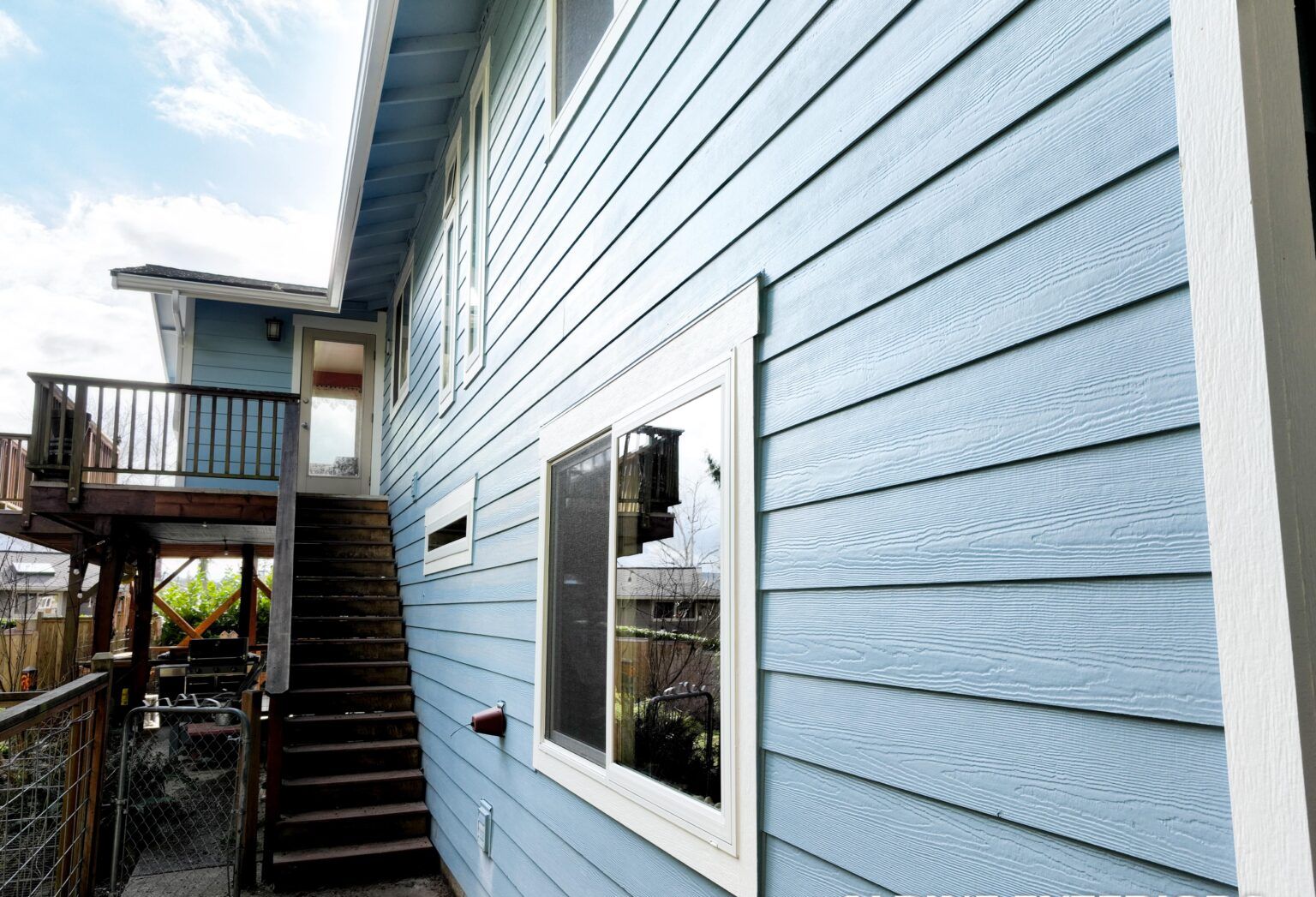
Hudson sits on the Gulf side of Pasco County, which means siding here does a different job than siding fifty miles inland. It has to shed wind-driven rain during tropical systems, survive months of high humidity without trapping moisture behind the panel, hold up to intense UV exposure, and in many neighborhoods tolerate salt-laden air coming off the coast. All of that affects not just which product makes sense for your home, but what a fair price actually looks like. Below is an honest breakdown of the ranges homeowners in Hudson and the surrounding Tampa Bay area typically see, what causes a project to land at the low end versus the high end, and how to read a quote so you're comparing apples to apples.
There is no single number that fairly describes siding replacement cost for every Hudson home, because the range is wide by design — a single-story ranch with simple lines and vinyl siding costs meaningfully less than a two-story home with dormers, wide fascia runs, and fiber cement. Rather than quote a figure that would be misleading either way, it's more useful to understand the cost factors that actually move the estimate. The table below lays out the major line items contractors price separately and roughly how much each one can swing the total.
| Cost Factor | Typical Low End | Typical High End | Why It Moves |
|---|---|---|---|
| Siding material | Standard vinyl | Fiber cement or engineered wood | Vinyl is the most budget-friendly wind-rated option; fiber cement costs more up front but resists moisture and pests better in this climate |
| Tear-off and disposal | Single layer, easy access | Multiple layers, rot repair needed | Older Pasco County homes sometimes have layered siding or hidden water damage that has to be stripped and disposed of before new panels go up |
| House size and roofline | Simple single-story footprint | Two-story with dormers, bump-outs, gables | More corners, cuts, and vertical reach mean more labor hours and more scaffolding or lift time |
| Water-resistive barrier and flashing | Standard house wrap | Upgraded barrier with reinforced flashing at every penetration | Wind-driven rain during storm season pushes water sideways, so flashing detail around windows, doors, and eaves matters more here than in drier climates |
| Trim, soffit, and fascia | Spot repairs only | Full trim package replaced | UV and humidity break down wood trim faster than the siding itself, and it's often bundled into the same job for a consistent finish |
| Fastening schedule and code compliance | Baseline Florida Building Code fastening | Enhanced fastening for higher wind exposure | Pasco County's wind-borne debris considerations and the fastening schedule required for your specific wind zone affect labor time and hardware cost |
Beyond the line items above, a handful of Hudson-specific realities tend to push a project toward the higher end of its range. Homes closer to the coast see more salt air, which argues for corrosion-resistant fasteners and trim hardware rather than the cheapest available option — a detail that costs a little more per piece but avoids streaking and premature failure. Homes with a history of moisture intrusion, which is common in older Pasco County construction with dated house wrap or no wrap at all, often reveal soft sheathing once the old siding comes off; replacing rotten wood is not something a reputable contractor can skip, and it's one of the more common reasons a final invoice runs above the original estimate. Termite activity is also worth flagging during tear-off — subterranean termites are active throughout this part of Florida, and if they've compromised wall sheathing or trim, that repair gets folded into the project. Finally, the number of stories and the complexity of the roofline change labor time more than almost any other factor, since steep pitches and multiple gables slow down installation regardless of which material you choose.
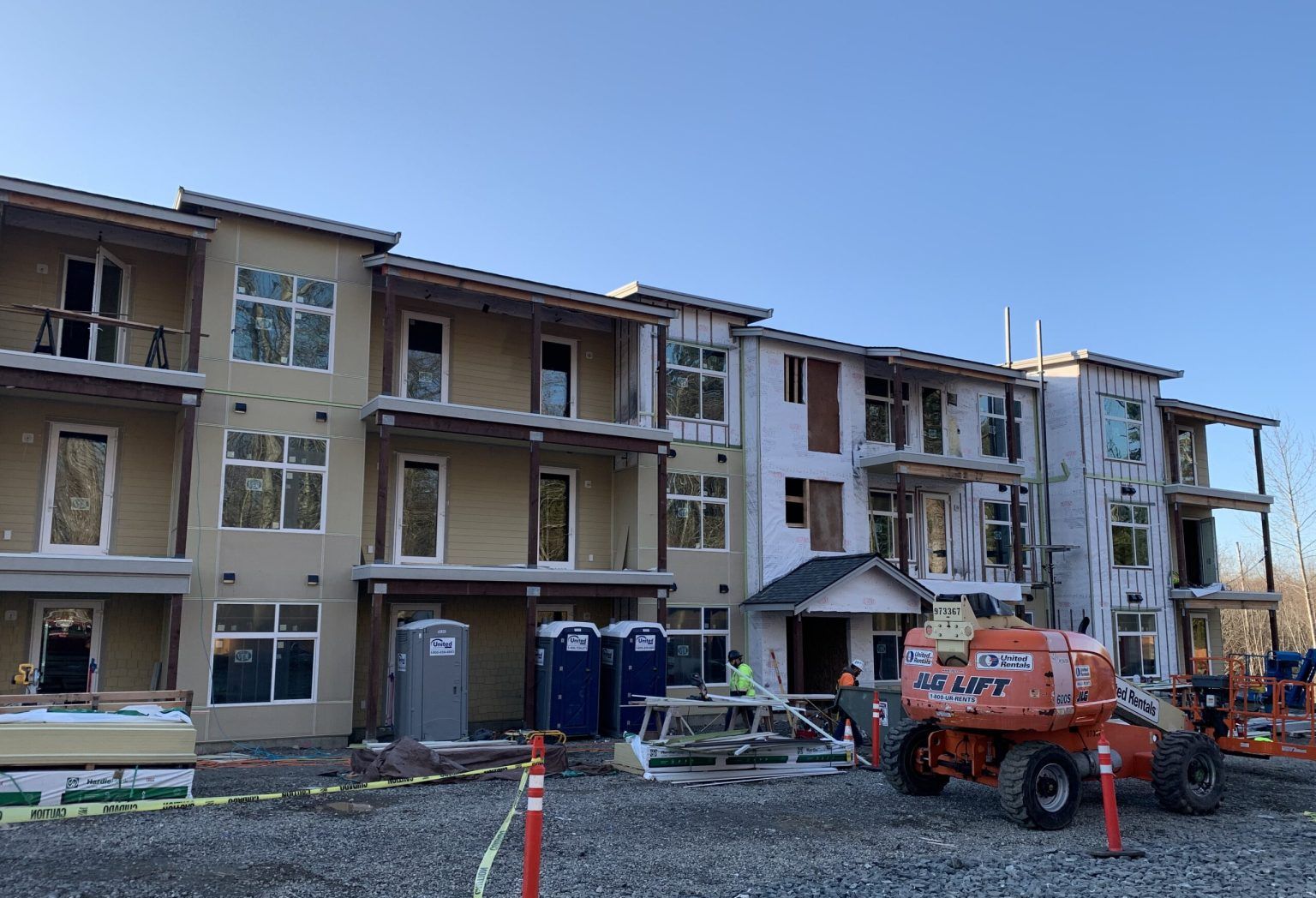
A siding estimate that's just a single total number is hard to evaluate. A complete quote from a licensed Florida contractor should itemize enough that you can see where the money goes and confirm the work meets code. At minimum, look for:
Alpine Exteriors builds its Hudson-area quotes around this level of detail, in part because vague quotes are the most common source of disputes once a project is underway.
When you're holding two or three estimates side by side, resist the urge to simply sort by lowest total. Check first whether the material and product line are actually comparable — a base-grade vinyl bid and a heavier-gauge or fiber cement bid aren't the same project even if the square footage matches. Confirm each contractor is quoting the same scope of tear-off, trim work, and flashing detail; a bid that's missing flashing upgrades or trim replacement will look cheaper on paper but may cost more once those items get added back in as a change order. Ask each contractor directly how they handle the fastening schedule for wind resistance and whether they've priced in the possibility of rotten sheathing — a bid that never mentions either is often one that hasn't accounted for real conditions on a Hudson roofline. Finally, verify that the contractor is properly licensed to work in Florida; Alpine Exteriors, for example, holds Florida contractor license RB29003900, and any contractor's license number should be easy to confirm through the Florida Department of Business and Professional Regulation.
Siding replacement is a significant expense, and most homeowners pay for it through some combination of savings, a home equity line, or a contractor-arranged financing plan — ask any contractor you're considering whether they offer financing options and what the terms actually are before assuming a monthly payment fits your budget. On the insurance side, new siding installed to current Florida Building Code standards, with a documented wind-rated fastening schedule, can sometimes affect your homeowner's insurance premium, particularly if it's part of a broader update captured on the OIR-B1-1802 wind mitigation inspection form. That form is what insurers use to credit wind-resistant construction features, so it's worth asking your contractor to document the fastening schedule and product approvals used on your job, then sharing that documentation with your insurance agent. This isn't guaranteed to lower your premium — that depends on your carrier and policy — but it costs nothing to ask, and having the paperwork on hand makes the conversation easier.
The biggest swings usually come from material choice, the condition of what's underneath the old siding, and how much trim and flashing work is bundled in. Two quotes for a similarly sized home can differ significantly if one assumes standard vinyl with spot trim repair and the other includes fiber cement with a full trim replacement and upgraded flashing — both can be legitimate, but they're not the same project.
Both can perform well when installed with a wind-rated fastening schedule and proper flashing, and the right choice depends on budget, maintenance preference, and how close the home is to the water. Vinyl is generally the more affordable option and has come a long way in wind resistance, while fiber cement holds up well against humidity and pests but costs more and is heavier to install. A contractor familiar with local conditions can walk through the tradeoffs for your specific property.
Not necessarily, but it's common enough in this area that a fair contractor should discuss it up front rather than surprise you mid-project. Humidity and past water intrusion mean some Hudson homes have soft sheathing hiding under intact-looking siding, and a written quote should explain how that scenario would be priced if it's discovered during tear-off.
Yes, siding replacement generally requires a permit in Pasco County, and the work needs to meet current Florida Building Code requirements for your wind zone. A licensed contractor should pull the permit as part of the job and be able to show you the product approval documentation for the materials being installed.
If you're weighing siding replacement for a home in Hudson, Wesley Chapel, Lutz, Land O' Lakes, New Port Richey, Plant City, or Zephyrhills, the most useful next step is an on-site evaluation rather than a phone estimate — the condition of your sheathing, your home's wind exposure, and your trim scope all affect the real number. Alpine Exteriors, Florida contractor license RB29003900, provides itemized written quotes for Tampa Bay homeowners that spell out material, fastening schedule, and flashing detail before any work begins, so you know exactly what you're paying for.