
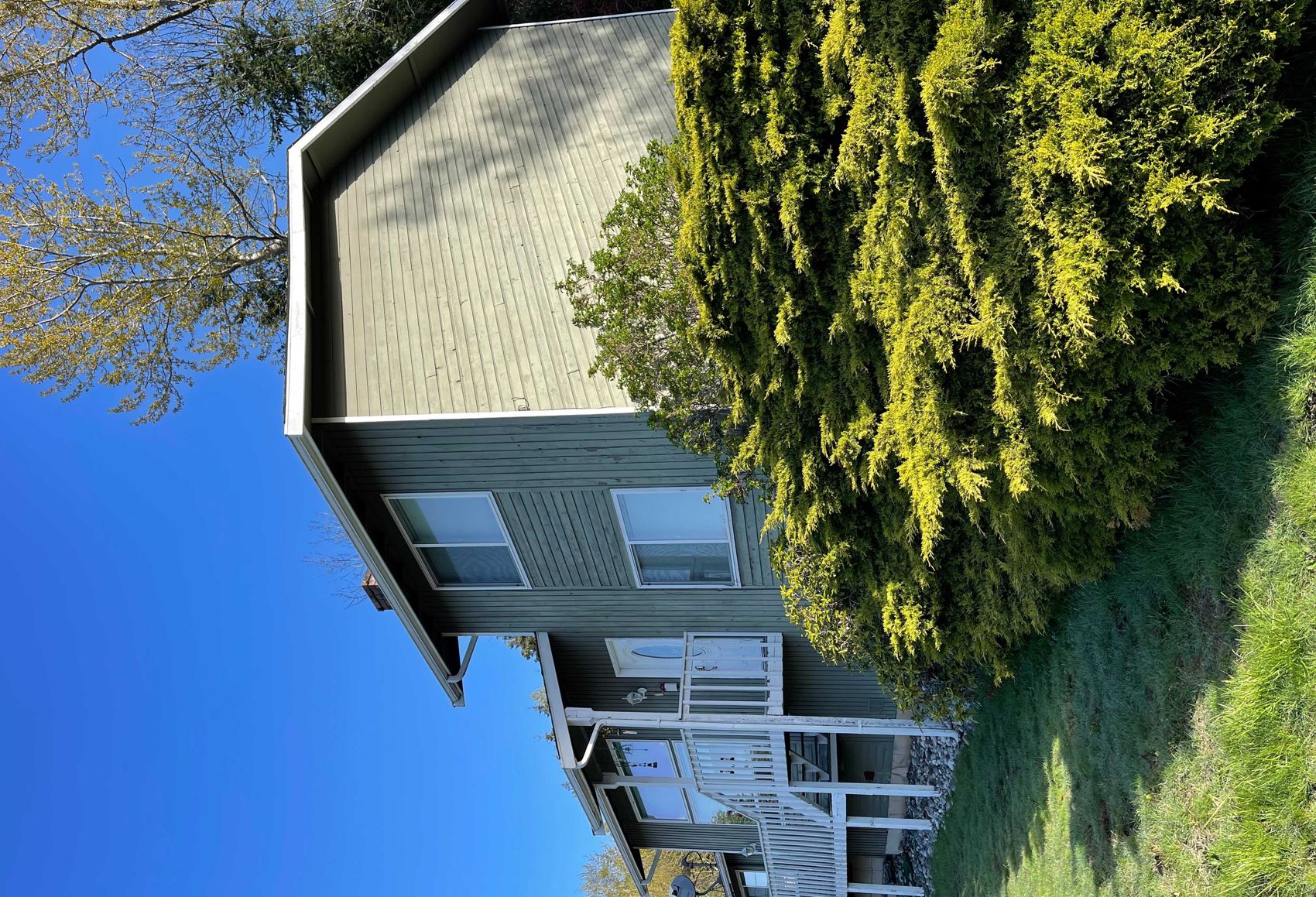
Yes — Crystal Springs sits well back from the Gulf, but the wind and rain that move through eastern Pasco County during tropical systems and summer thunderstorms are strong enough to crack, lift, and soak siding on almost any home in the area. Most of that damage does not announce itself; a lapped panel that looks straight from the driveway can already have a cracked seam or a soaked layer of sheathing behind it.
That gap between what a storm actually does to a wall and what a homeowner notices afterward is the reason so many siding claims in this part of Florida get filed months late, after a stain shows up inside a closet or a piece finally lets go in a lesser storm. Crystal Springs isn't hit by storm surge the way the barrier islands are, but it takes the full wind field of anything that tracks across the peninsula, plus the rural, tree-heavy terrain that comes with living on acreage instead of a platted subdivision.
Wind doesn't just push on a wall — it also pulls. As a gust moves across a roofline and down a wall, it creates a pressure difference that tries to lift panels and shingles away from the sheathing at the same moment rain is being driven sideways into every seam, lap, and fastener line. On vinyl and fiber cement siding alike, that combination is what causes cracked panels, popped or backed-out fasteners, and lifted corners long before anything looks obviously broken.
Once wind-driven rain gets past the outer layer, it usually doesn't dry out quickly. Central Florida's humidity sits high for days after a storm passes, and a wall cavity with wet sheathing, wet house wrap, or wet insulation behind it can stay damp long enough for mold to take hold on the framing or the back side of the siding itself. This is a slower, quieter form of storm damage than a missing panel, but it's often the more expensive one to fix, because by the time it's visible — a musty smell, a soft spot near a window, discoloration on an interior wall — the repair has grown from replacing some siding to opening the wall and dealing with what's behind it.
Intense Florida UV plays a supporting role too. Sun exposure over the years makes vinyl siding more brittle and dries out the caulk and sealant at trim joints, so a piece of siding that might have flexed and survived a wind gust five years ago can crack outright once it's had a decade of UV exposure. That's one reason storm damage tends to concentrate on the oldest siding on a house, or on the south- and west-facing walls that get the most sun.
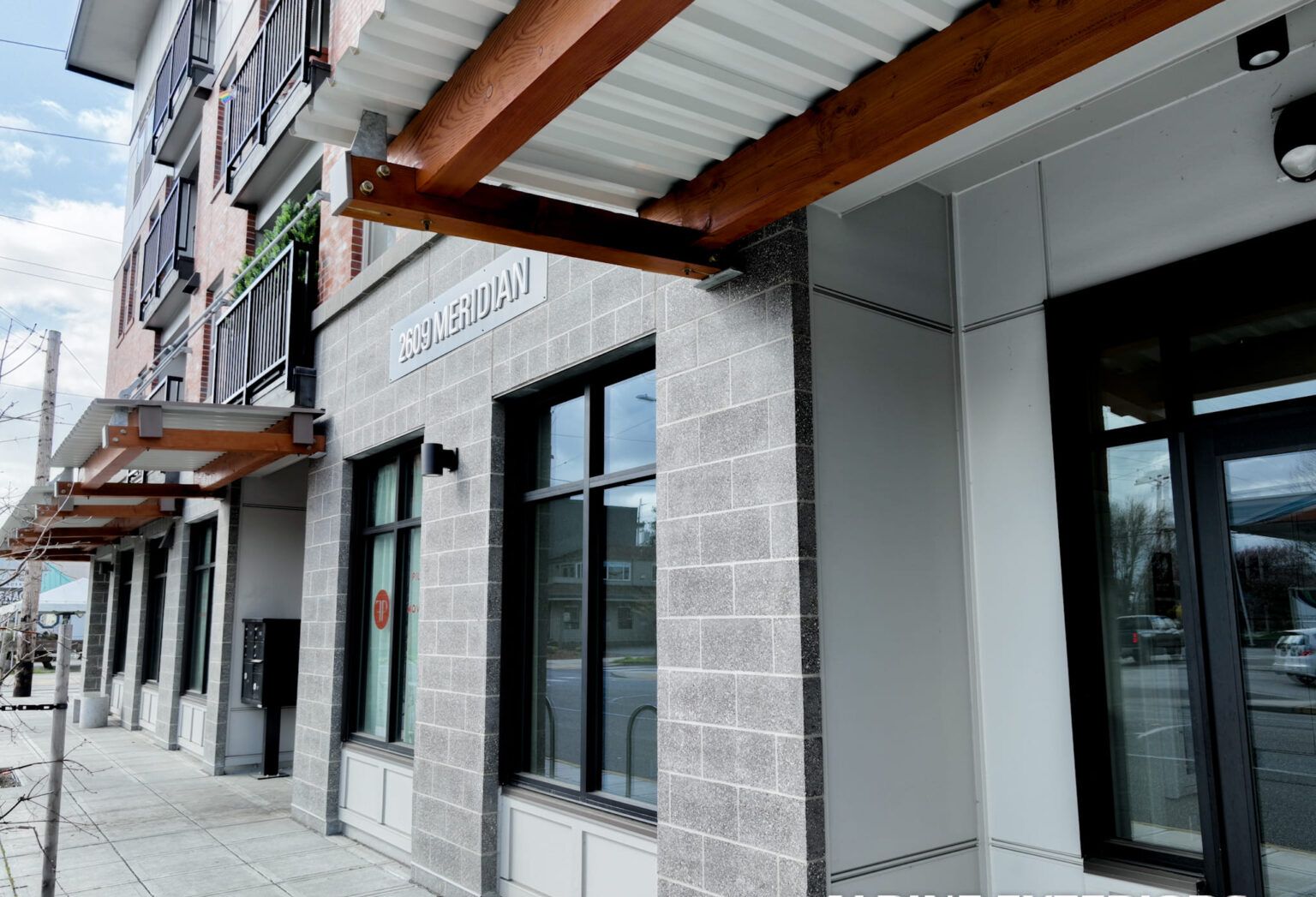
A few things about this specific area change how storm damage shows up and how easily it gets caught, compared to a denser part of Tampa Bay:
None of this means Crystal Springs faces coastal-level storm surge or salt-air corrosion the way homes right on Tampa Bay's shoreline do — it doesn't, and a contractor telling you otherwise is padding the story. What it does face is a specific combination of wind exposure, tree debris, and lingering humidity that adds up to real risk for siding, just from a different direction than the coast.
The first useful step is a walk around the entire house, not just the side facing the street. Look for cracked or bowed panels, pieces that have visibly lifted at a corner or seam, gaps that have opened at butt joints, nails or fasteners that have backed out, and any staining or dark streaking that wasn't there before. Pay particular attention to walls near large trees, since limb strikes tend to cause localized cracking rather than damage across an entire wall.
Inside the house, check ceilings and walls in exterior-facing rooms for new stains, especially near window and door headers, since water that gets behind siding often finds its way to the same framing members that trim and windows are anchored to. A musty smell in a closet on an exterior wall is worth investigating even if nothing looks wrong outside.
Photograph everything before any repair work starts, and note the date of the storm that caused it. Insurance carriers want to see the condition of the damage as close to the event as possible, and photos dated before repairs begin are far more persuasive than an after-the-fact description. If your policy or a recent inspection included a Florida wind mitigation report (form OIR-B1-1802), keep a copy handy — it documents the wind-resistance features already on your home and can matter both for the claim and for verifying what standard the original siding was installed to.
From there:
Alpine Exteriors, licensed under Florida contractor license RB29003900, handles this kind of storm assessment for homeowners across Tampa Bay, including Crystal Springs and the rest of eastern Pasco County, and can put findings in writing in a form that's useful for an insurance claim rather than a vague verbal opinion.
Storm damage tends to be localized and sudden — a cracked panel on the side of the house that faced the wind, a corner that's visibly lifted, or a spot near a tree limb strike — while ordinary wear from sun and age shows up more evenly across a whole wall or the whole house as fading, chalking, or brittleness. If you have photos from before the storm, comparing them to the current condition is the clearest way to separate the two, which is part of why documenting your home's exterior periodically is worth doing even outside of storm season.
Most standard Florida homeowners policies cover wind and wind-driven rain damage to siding, but coverage details vary by carrier, and named-storm events usually trigger a separate hurricane deductible that's higher than your standard deductible. Gradual damage, like long-term mold growth from a leak that was never repaired, is typically excluded, which is another reason to document and report damage soon after a storm rather than waiting.
Pasco County generally requires a permit for siding replacement, and smaller like-for-like patch repairs may or may not need one depending on the scope. A licensed contractor pulling permits in the county will know the current threshold and will make sure the replacement materials meet Florida Building Code requirements for your home's wind exposure. Skipping a required permit can create problems later, both with code compliance and with a future insurance claim or home sale.
There's no fixed number of days, but the risk grows quickly in Florida's humidity — wet sheathing or framing behind a cracked panel can start supporting mold growth within days, not weeks, and an opening in the siding is also a path for termites to reach wood that's already softened. Getting even a temporary weatherproof patch on damaged siding shortly after a storm, followed by a proper repair, limits how much the original damage is allowed to spread.
If a recent storm has left cracked, lifted, or missing siding on your home in Crystal Springs, Zephyrhills, or anywhere else in eastern Pasco County, it's worth having it looked at before the next round of wind and rain finds the same weak spot. Alpine Exteriors serves homeowners throughout the Tampa Bay area, including Wesley Chapel, Lutz, Land O' Lakes, New Port Richey, and Plant City, and can provide a straightforward inspection and written findings you can use for an insurance claim or simply to know what you're dealing with. Reach out to schedule a look at your siding — under Florida contractor license RB29003900 — before minor storm damage turns into a bigger repair.