
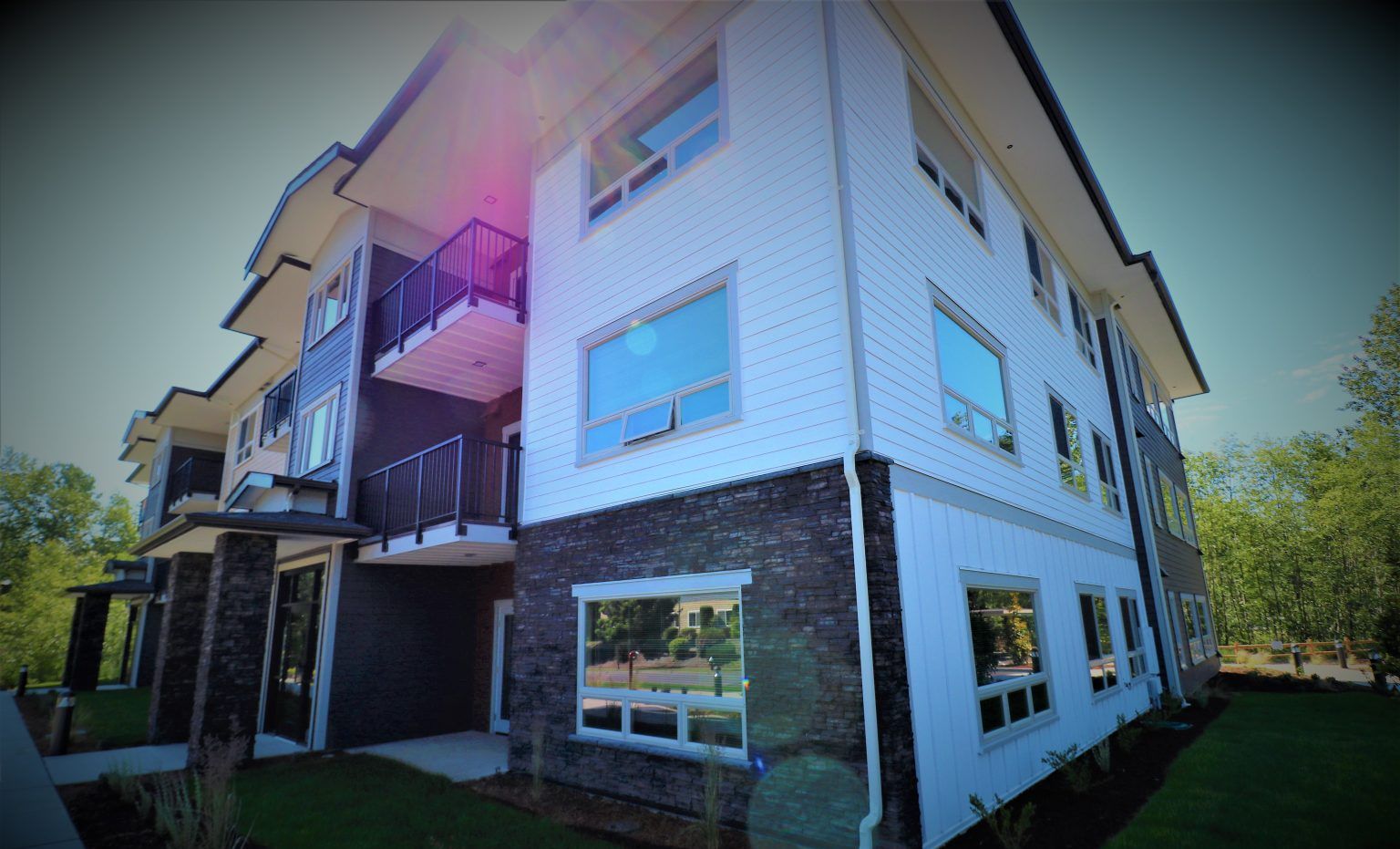
Storm damage to siding in Plant City usually shows up as cracked or missing panels, lifted or curled edges, and water stains creeping out from around windows and trim after a summer thunderstorm or tropical system has come through. The damage is rarely limited to what you can see from the driveway — wind gets underneath a panel or two, water follows it in, and the real cost is often the sheathing and framing behind the siding rather than the siding itself.
If you've had a storm roll through eastern Hillsborough County and you're not sure whether your siding took a hit, the honest advice is to look closely rather than assume it's fine, and to document what you find before you touch anything or call your adjuster.
Plant City sits inland from Tampa Bay, in the agricultural belt of eastern Hillsborough County, and the storms that do the most damage to siding here aren't always hurricanes. Summer afternoon thunderstorms build fast over the interior of the county and can produce straight-line wind gusts, torrential short-duration rain, and frequent lightning — this part of Florida is among the most lightning-prone areas in the country, and the wind gusts that come with a strong summer storm cell can rival a low-end tropical system for a few minutes at a time. Add an actual hurricane or tropical storm's outer bands, which regularly reach this far inland, and you get the same wind-driven rain problems inland homeowners in the Tampa area deal with, just without storm surge.
Wind is what starts the damage. A gust hitting siding at an angle creates suction on the leeward side of a panel, and if a fastener is under-driven, a starter strip is loose, or a panel wasn't locked into the course below it, that suction is enough to pop a corner loose. Once one panel lifts, the next gust has a better grip and takes more of it. Wind-driven rain is what turns that into a bigger problem — rain doesn't just fall in a storm like this, it's pushed sideways and upward under soffits, around J-channel, and behind any siding edge that isn't sealed tight. Once water gets behind the siding, it's touching the house wrap, the sheathing, and in older homes sometimes bare framing, and it can sit there for days before anyone notices a soft spot or a musty smell inside.
Hail is uncommon but not unheard of with the stronger summer cells that move through this part of Hillsborough County, and even small hail can crack brittle or aged vinyl siding or dent softer fiber cement finishes. More often, what looks like hail damage on inspection turns out to be granule loss, chalking, or surface pitting that had already been building from months of intense Florida UV exposure, and the storm just made it obvious.
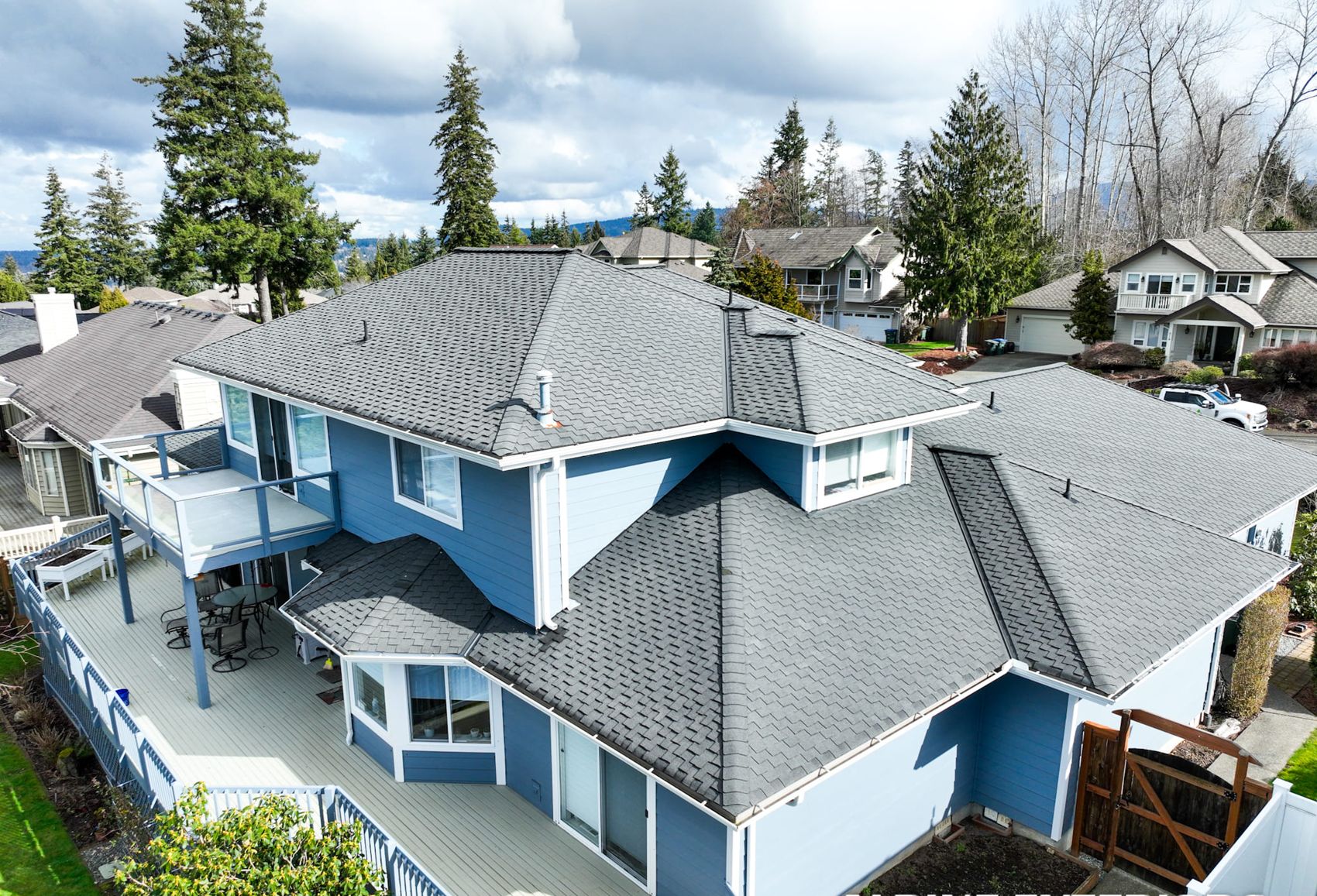
A few things about Plant City and inland Hillsborough County change how siding fails and how it should be repaired, compared to advice written for a generic climate.
None of this means Plant City homes are more fragile than anywhere else in Florida — it means the failure points are specific, and a repair that doesn't account for wind rating, moisture drying time, and termite exposure is a repair that's likely to need doing again.
After a storm, the sequence matters more than most homeowners expect, especially if an insurance claim is likely.
It's also worth being honest about timing: insurance claims tied to widespread regional storms can take longer to process than a single-home claim, simply because adjusters are stretched across many properties at once. Getting your documentation and independent inspection done early doesn't guarantee a faster claim, but it does mean you're not waiting on paperwork once the adjuster does get to your file.
Storm damage tends to be localized and sudden — a cracked panel on the windward side of the house, a corner post pulled loose, or fresh water staining that wasn't there before the storm. Ordinary wear from Florida's sun and humidity shows up more evenly across a wall, as chalking, color fade, or gradual warping, and it usually predates the storm even if the storm is what made you notice it. Both can be present at once, which is why a full inspection rather than a quick look is worth doing after a significant wind event.
Most Florida homeowners policies cover wind damage to siding, but coverage details, deductibles for wind events, and whether cosmetic-only damage is covered vary a lot by policy and insurer. Some policies also apply a separate, higher deductible specifically for hurricane or windstorm events compared to your regular deductible. Reading your specific policy language, or having your agent walk through it, matters more than general assumptions about what "wind coverage" includes.
It depends on the age and condition of the surrounding siding. If the undamaged panels next to a storm-damaged section are recent and in good shape, a matched patch repair is often reasonable. If the rest of the wall is already sun-faded, brittle, or an older discontinued color or profile, patched sections tend to stand out and can also fail again sooner, since the surrounding material was already weaker going into the storm. This is a judgment call worth making in person rather than over the phone.
Given how consistently humid inland Hillsborough County stays, moisture trapped behind siding doesn't get the chance to dry out the way it might in a drier climate. Wood sheathing and framing can begin to soften and mold growth can start within days rather than weeks once water is trapped against them. That's the main reason to treat any sign of water intrusion — even a single stained interior wall — as something to check promptly rather than something to monitor over a season.
If a recent storm left cracked, lifted, or missing siding anywhere on your Plant City home, or if you're seeing water stains you can't explain, it's worth getting a real look at what's happening behind the wall rather than guessing from the ground. Alpine Exteriors is a licensed Florida contractor (RB29003900) serving Plant City and the rest of Hillsborough County, and we inspect storm damage, document it for insurance purposes, and handle repairs sized correctly for this region's wind and moisture conditions — not a generic patch job. Reach out for an inspection while the damage is fresh and easy to document.