
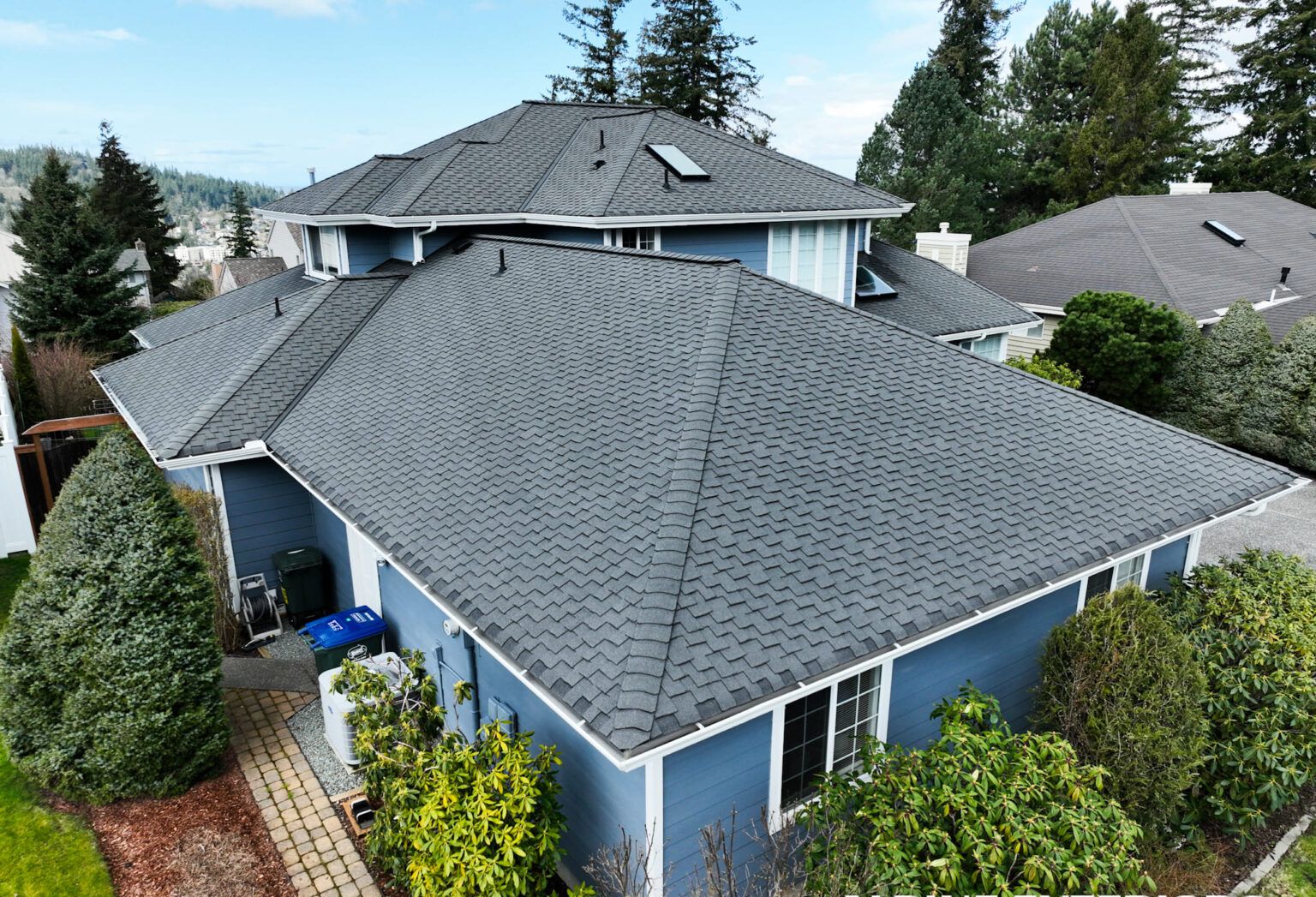
Homeowners in Shady Hills fielding siding quotes almost always end up choosing between two materials: James Hardie fiber cement and vinyl. Both are legitimate, widely installed products in Pasco County, and both can be engineered to meet current Florida Building Code wind requirements when installed correctly. The right pick depends less on which product is objectively "better" and more on your home's exposure, your budget, how long you plan to own the house, and how much maintenance you're willing to do. This page walks through both materials in the context of Shady Hills' specific climate — hot, humid summers, intense UV exposure nearly year-round, seasonal tropical storm and hurricane risk, wind-driven rain, and a termite population that is active throughout Pasco County — so you can make an informed call before you sign a contract.
If you want the closest thing to a set-it-and-forget-it exterior, better resistance to wind-driven rain intrusion, and a material that holds up to direct Florida sun without fading or going brittle, James Hardie fiber cement is the stronger long-term choice for most Shady Hills homes — particularly on more exposed lots, two-story homes, or houses that take direct afternoon sun on the west or south elevations. If your budget is tighter, you're working with a smaller or more sheltered single-story home, or you're preparing a rental or flip property where minimizing upfront cost matters more than 30-year performance, a quality vinyl product installed correctly can still be a reasonable option. Neither answer is universal — the head-to-head section below breaks down exactly where each material wins and where it falls short.
James Hardie fiber cement siding is made from a mix of cement, sand, and cellulose fibers, pressed and cured into planks, panels, or shingle-style pieces. It doesn't burn, it doesn't rot, and it isn't a food source for termites — a real advantage in a county where subterranean and drywood termite activity is common in older wood-adjacent construction. Because it's dense and rigid rather than a thin flexible sheet, it holds paint and factory-applied ColorPlus finishes far longer under intense Florida UV than most vinyl products hold their color, and it doesn't warp or oil-can (that rippled, wavy look) when a hot afternoon sun hits a dark-colored wall.
Fiber cement products carry Florida Product Approval and can be specified and installed to meet the wind pressure and impact requirements in the Florida Building Code for Pasco County's wind zone, which matters both for code compliance on a permit and for satisfying the wind mitigation questions on the OIR-B1-1802 form your insurer may request. The tradeoffs: fiber cement is heavier and more labor-intensive to install than vinyl, so labor cost is a bigger share of the total price, it requires periodic repainting or recaulking over its life even with factory-finished products, and it's a job for an experienced crew — poor installation (wrong fastener pattern, insufficient clearance at grade, unsealed butt joints) is where most fiber cement failures actually originate, not the material itself.
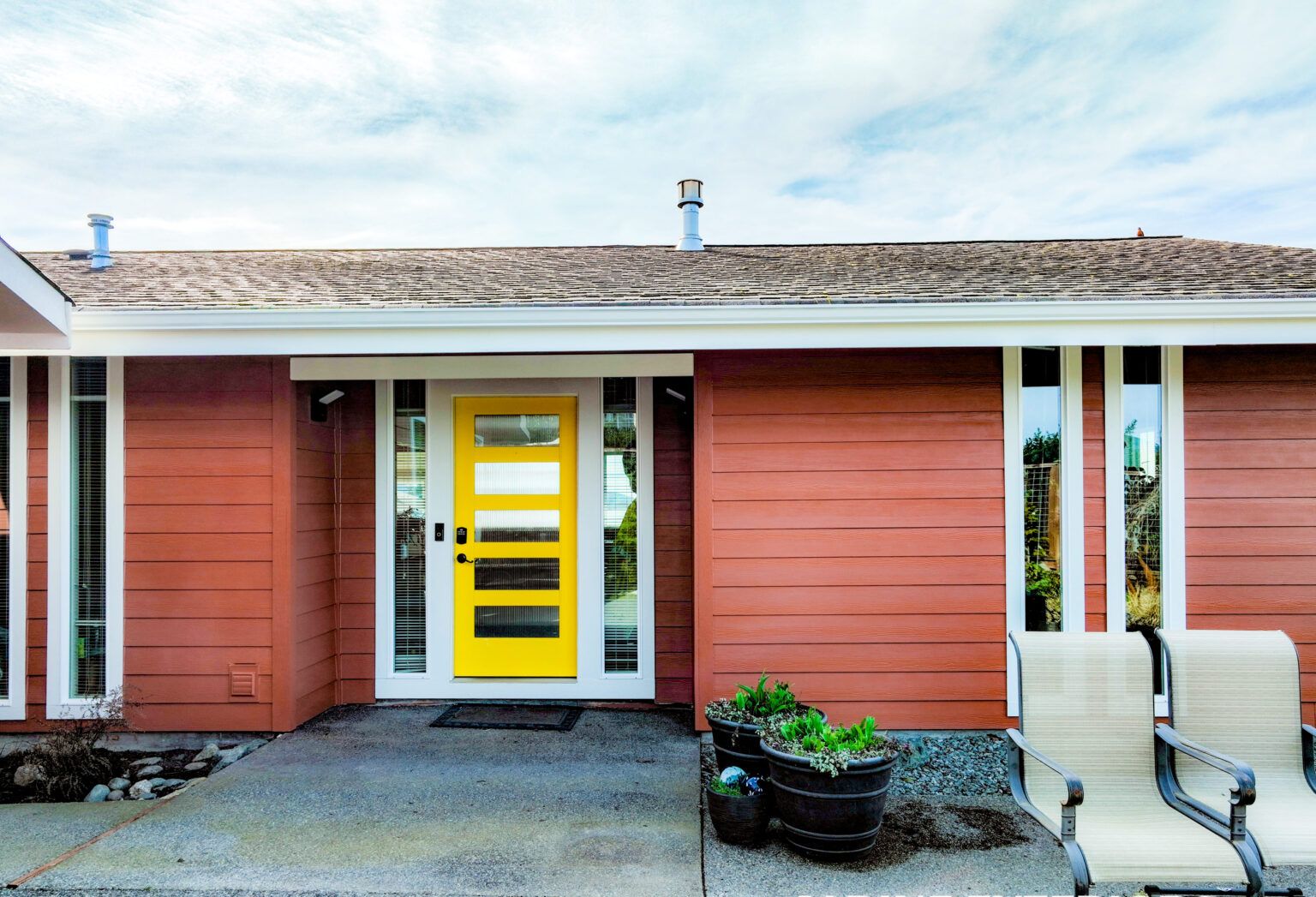
Vinyl siding is an extruded PVC product that comes pre-colored, so there's no painting required at installation and none needed for years afterward in most cases. It's lighter than fiber cement, generally faster to install, and typically the lower upfront cost of the two options, which is a real consideration when you're pricing a full re-side. Modern vinyl products rated for Florida use are tested and labeled for wind resistance and can be installed to meet Florida Building Code requirements for the wind speeds seen in Pasco County, provided the fastening schedule and starter strip details are followed precisely.
The honest drawbacks: vinyl is a petroleum-based plastic, and sustained direct sun exposure over many years — which is not in short supply in Shady Hills — can cause fading, especially in darker colors, and can make older vinyl more brittle and prone to cracking on impact from lawn equipment, hail, or storm debris. Vinyl also expands and contracts more with heat than fiber cement, which is why proper installation leaves room for that movement at every course; siding installed too tightly in July can buckle by the following summer. It can melt if exposed to close, sustained heat (a grill placed too near a wall is a common cause), and in a direct hurricane-force wind event, thinner vinyl profiles are more prone to panels pulling loose at the nail hem than a properly fastened fiber cement plank, even when both are code-rated.
| Factor | James Hardie Fiber Cement | Vinyl Siding |
|---|---|---|
| Installed cost range | Higher — material and labor both cost more per square | Lower — generally the more budget-friendly option upfront |
| Typical lifespan | Multiple decades with proper maintenance; holds up well to sustained coastal-adjacent Florida heat and humidity | Can also last decades, but sun-exposed elevations in Florida tend to show fading and brittleness sooner than in milder climates |
| Maintenance | Periodic recaulking at joints/trim; repainting eventually needed unless using factory ColorPlus finish, which still needs occasional touch-up at cut edges | Occasional washing; no painting needed, but cracked or faded panels usually require full replacement of that section rather than a touch-up |
| Appearance | Heavier, more dimensional look; holds crisp lines and deep colors well; can mimic wood grain or smooth lap convincingly | Lighter, thinner profile; can look less substantial up close; newer insulated and thicker-gauge vinyl narrows this gap |
| Wind/storm performance | Rigid material resists wind-driven rain intrusion well when properly flashed and sealed; heavier panels are harder to dislodge | Code-rated products perform adequately when correctly fastened, but thinner panels are more vulnerable to edge lift and debris impact in severe wind events |
| Termite/moisture resistance | Not a food source for termites; doesn't absorb and hold moisture the way untreated wood does | Not a termite food source; moisture resistance is good, but trapped moisture behind panels from poor installation can still cause problems in the substrate underneath |
For most homes in Shady Hills and the surrounding Pasco County communities Alpine Exteriors serves — Wesley Chapel, Lutz, Land O' Lakes, New Port Richey, Plant City, and Zephyrhills — we lean toward recommending James Hardie fiber cement, and the reasoning is specific to this area rather than a blanket preference. Shady Hills homes see long stretches of intense, direct sun with limited tree canopy on many newer lots, which is exactly the condition that ages vinyl fastest through fading and increased brittleness. Summer storm season brings wind-driven rain on a near-weekly basis, and fiber cement's rigidity and Florida Product Approval details give it an edge in resisting water intrusion at seams and penetrations when installed correctly. Termite pressure throughout Pasco County also weighs in fiber cement's favor for anyone concerned about a wood-look product that isn't itself a termite target.
That said, vinyl isn't a wrong answer here. On a well-shaded single-story home, for an investment property where minimizing cost is the priority, or for a homeowner who plans to sell within a few years and wants a clean, budget-conscious re-side, a quality vinyl product installed to Florida Building Code wind specifications is a defensible choice. The deciding factors we walk through on a Shady Hills site visit are sun exposure on each elevation, the home's existing wall sheathing and moisture history, your timeline for ownership, and your budget ceiling — not a one-size-fits-all recommendation.
Yes, expect a noticeably higher installed cost for fiber cement than vinyl on a like-for-like project, driven mainly by labor — fiber cement is heavier, requires specific cutting tools and fastening technique, and takes longer to install correctly. The gap narrows somewhat over the life of the siding once you factor in vinyl's higher likelihood of needing partial panel replacement after storm damage or UV-driven cracking, but the upfront number is real and worth budgeting for honestly.
Both James Hardie fiber cement and code-rated vinyl products carry Florida Product Approval and can be installed to meet the wind pressure requirements that apply in Pasco County, but compliance depends entirely on using the correct product rating and following the manufacturer's fastening schedule for your specific wind exposure — it is not automatic just because the box says "Florida approved." This is also worth discussing with your insurer, since your OIR-B1-1802 wind mitigation form may ask about exterior wall covering and attachment method.
Vinyl itself doesn't absorb moisture, but humidity problems in Florida siding jobs almost always trace back to installation details — inadequate house wrap, missing or poorly lapped flashing, or panels installed too tightly against the substrate — rather than the vinyl itself. The same is true for fiber cement. Proper drainage plane and ventilation behind either product matters more than which material you choose.
It varies with color, sun exposure, and whether you chose a factory ColorPlus finish or site-applied paint, but plan on a multi-decade material lifespan with a repaint or touch-up cycle well before the siding itself needs replacing. South- and west-facing walls that take the most direct Florida sun will typically show wear and need attention sooner than shaded or north-facing elevations.
Every Shady Hills property is different — sun exposure, existing wall condition, and budget all change the recommendation. Alpine Exteriors (FL license RB29003900) offers on-site evaluations for homeowners in Shady Hills and throughout Pasco County, walking each elevation of your home before recommending James Hardie fiber cement, vinyl, or a mixed approach. Contact Alpine Exteriors to schedule a no-pressure assessment and get a written estimate that reflects your actual house, not a generic quote.