
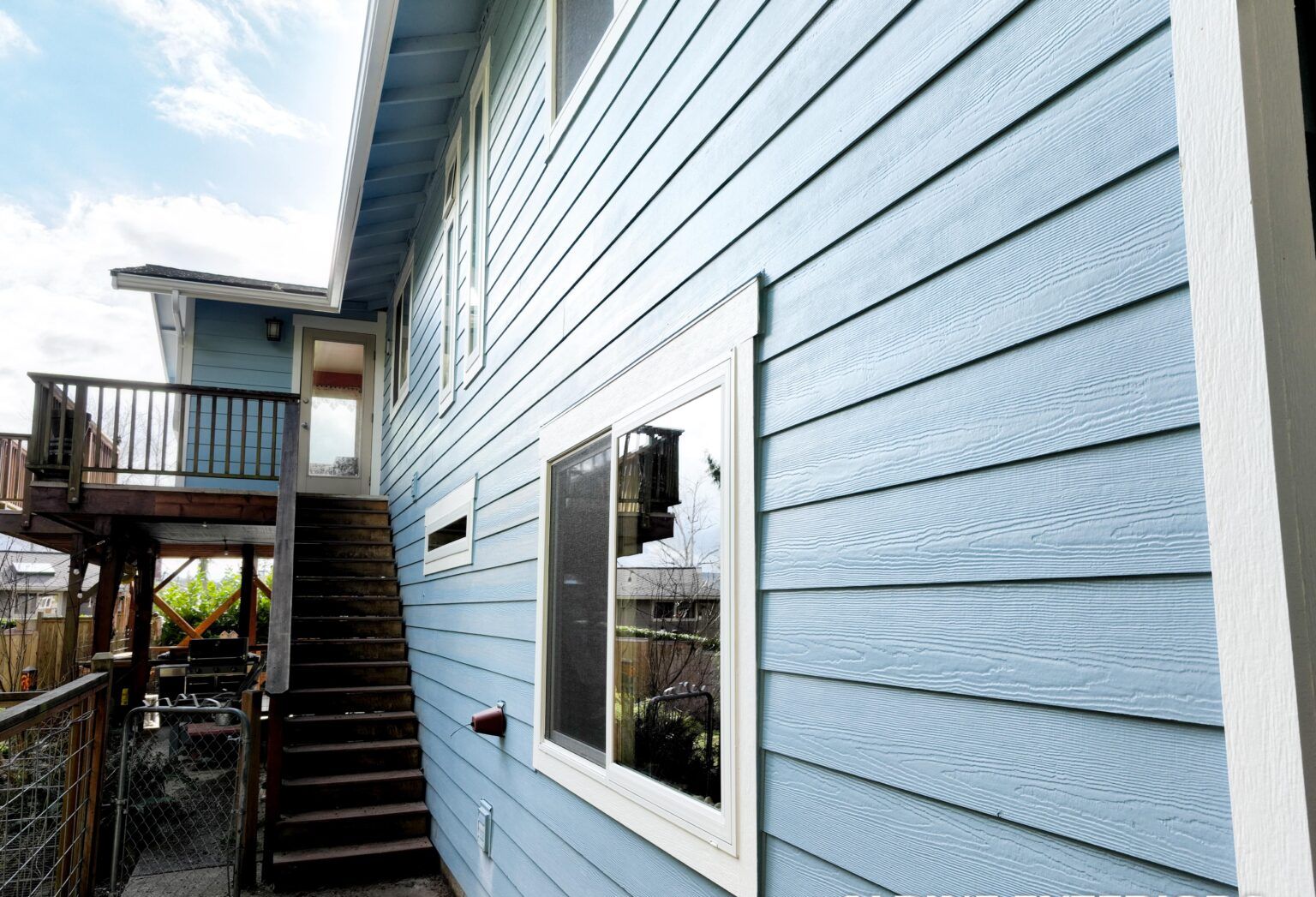
Homeowners in Connerton, the master-planned community off US-41/Land O' Lakes Boulevard in Pasco County, ask Alpine Exteriors the same question almost every week: what does James Hardie fiber cement siding actually cost once you get past the marketing brochures? The honest answer is that it depends on your home's size, trim complexity, current wall condition, and the color and plank profile you choose. Below is a realistic range for this part of Tampa Bay, along with the factors that push a project toward the low end or the high end, so you can plan a budget before a crew ever shows up.
For a typical single-family home in Connerton, full James Hardie siding replacement generally lands in the mid-to-upper range compared with other exterior projects in Pasco County, mostly because fiber cement is heavier and more labor-intensive to install correctly than vinyl. Smaller homes with simple rooflines and easy access price toward the lower end of the range; larger two-story homes with dormers, multiple gables, and extensive trim work price toward the higher end. Removal and disposal of existing siding, the condition of the sheathing underneath, and whether the crew finds rot or water damage once the old cladding comes off can all shift the final number as well.
Rather than quote a single figure that would be meaningless without seeing your house, here is a breakdown of the cost factors that matter most on a Connerton project and the rough range each one can add or subtract from the total:
| Cost Factor | Low End of Range | High End of Range |
|---|---|---|
| Home size and story count | Small, single-story footprint | Large, two-story with multiple wings |
| Siding profile and plank width | Standard lap profile, common width | Board-and-batten, shake accents, wide-plank |
| Trim, soffit, and fascia work | Minimal trim, straightforward eaves | Extensive trim, multiple gables, decorative accents |
| Existing wall condition | Sound sheathing, no repairs needed | Rot, moisture damage, or code upgrades required |
| Removal and disposal | Single layer of existing siding | Multiple layers or difficult disposal access |
| House wrap and moisture barrier upgrade | Existing wrap reused where code allows | Full new weather-resistive barrier system |
| Color and finish | Standard ColorPlus factory finish | Premium or custom color selections |
These factors compound rather than stack neatly, which is why two Connerton homes of similar square footage can land on noticeably different quotes once trim complexity and wall condition are accounted for.
A handful of Tampa Bay-specific conditions influence both the material specification and the labor involved in a Connerton siding project, and they show up in the price whether or not a homeowner asks about them directly.
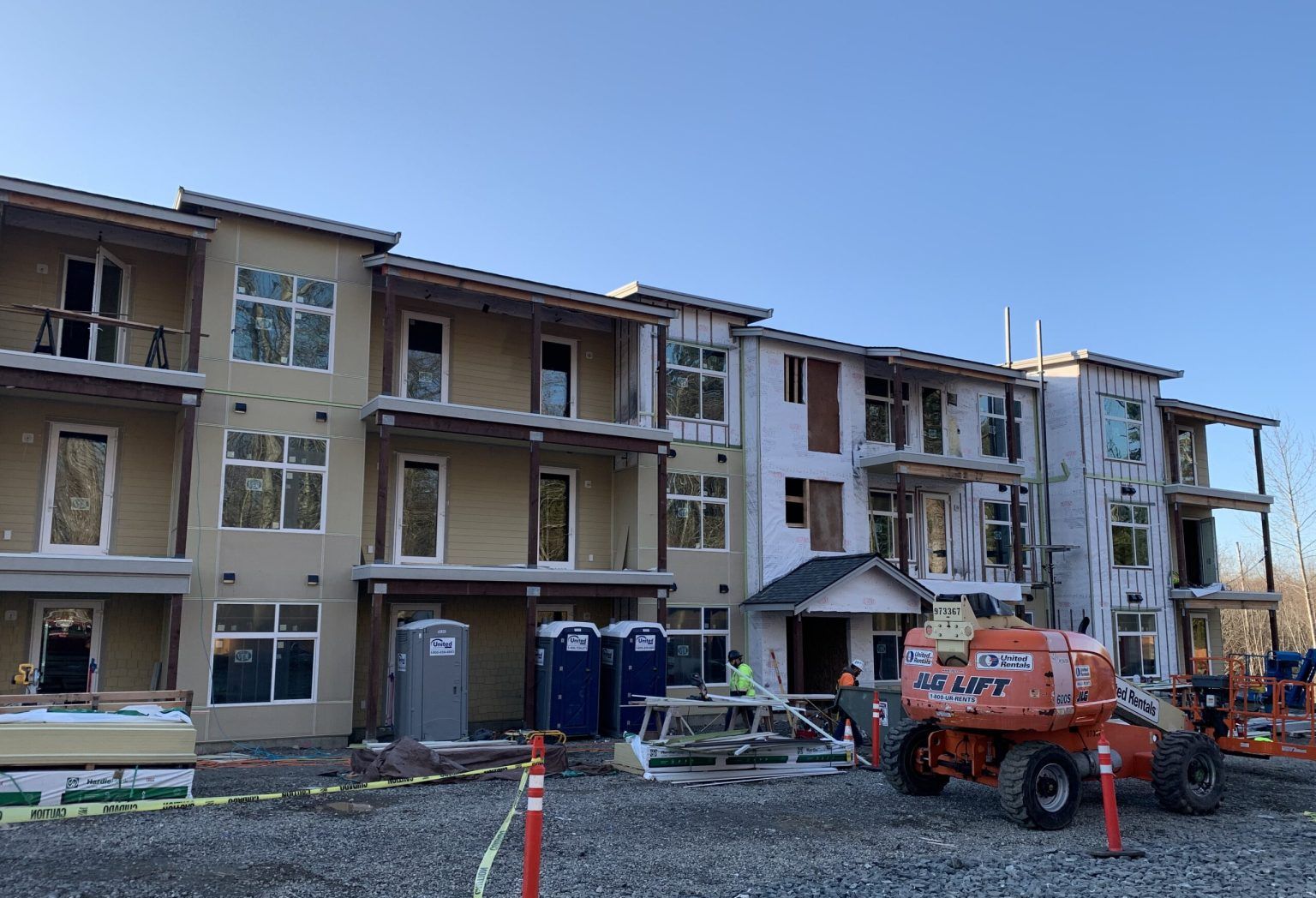
A serious siding quote for a Connerton home should spell out more than just a bottom-line number. Look for a clear breakdown of the material specification, including plank profile, width, and whether it's factory-finished ColorPlus or a field-painted option. The quote should also specify the underlying weather barrier system, the fastening schedule that meets Florida Product Approval requirements for your wind zone, and how trim, soffit, and fascia are being handled, since these are frequently priced separately or bundled inconsistently between contractors.
Ask whether the quote includes removal and disposal of your existing siding, and whether sheathing repair is priced as an allowance or billed as a change order if problems are found. Permitting is required for siding replacement in Pasco County, and a legitimate quote should account for permit costs and inspections rather than leaving that as a surprise. Alpine Exteriors builds Connerton quotes with these line items broken out specifically so homeowners can see where the money goes before signing anything, and so there are no vague allowances hiding in the fine print.
The temptation with any home improvement project is to line up three numbers and pick the lowest one. That approach tends to backfire on fiber cement siding, because the material cost is only part of the story; installation quality determines whether the siding actually performs during a hurricane season or starts failing at the seams within a few years. When comparing quotes, first confirm that each contractor is pricing the same plank profile, width, and finish, since a quote for standard lap siding isn't comparable to one for board-and-batten or wider planks. Next, check that each bid includes the same scope of trim, soffit, and fascia work, and that removal and disposal are handled the same way in each proposal.
It's also worth asking each contractor directly how they plan to meet the fastening requirements tied to the Florida Product Approval for your specific wind zone, since this affects both material use and labor time but doesn't always show up as a separate line item. Finally, verify licensing. Florida requires a state contractor license for this kind of exterior work, and it's reasonable to ask for the license number up front; Alpine Exteriors holds Florida contractor license RB29003900, and homeowners are welcome to verify it before work begins.
Many Connerton homeowners pay for siding projects through a combination of savings and financing, and several lenders offer home improvement loans or lines of credit specifically for exterior projects like this one. It's worth asking any contractor you're considering whether they partner with a financing provider, since terms and approval speed vary and it's usually easier to compare a few options before committing to one.
On the insurance side, replacing siding is generally not something homeowners insurance pays for as routine maintenance or an upgrade, but it can factor into wind mitigation credits. Florida's OIR-B1-1802 wind mitigation inspection form documents features of your home's construction that insurers use to calculate premium discounts, and while siding itself isn't typically a scored item on that form, related work done at the same time, such as opening protection or roof-to-wall connections, sometimes is. If a siding project is happening alongside other exterior upgrades, it's worth asking your insurance agent whether an updated wind mitigation inspection makes sense afterward. Homeowners should also check with their insurer directly about any documentation requirements before starting work, since requirements vary by carrier.
For many Connerton homeowners, yes, largely because fiber cement holds up better against the combination of intense UV exposure, humidity, and wind-driven rain that's common in this region, and it doesn't attract termites the way wood siding can. Vinyl siding typically costs less upfront, but it can warp or fade faster under sustained Florida sun and doesn't offer the same impact resistance during storm season. The right choice depends on your budget and how long you plan to stay in the home, and it's a conversation worth having with a contractor who installs both materials rather than one who only sells a single product line.
Timelines vary with home size and trim complexity, but homeowners should expect a project to take longer than a single weekend once removal, sheathing inspection or repair, weather barrier installation, and the siding itself are all factored in. Weather is also a real variable in Florida, since summer storm patterns can delay exterior work, and a contractor who builds some flexibility into the schedule rather than promising an unrealistic turnaround is usually being straight with you.
Yes, siding replacement in Pasco County generally requires a building permit under the Florida Building Code, and the permitting process typically confirms that the installation meets the applicable Florida Product Approval for wind resistance in your area. A reputable contractor pulls the permit as part of the job and coordinates the required inspections rather than skipping this step, which protects you if there's ever an insurance claim or a future sale where the work needs to be documented.
New siding installed with a proper weather-resistive barrier and correctly lapped, flashed detailing can significantly improve how well a wall assembly sheds wind-driven rain and resists moisture intrusion compared to aging or improperly installed siding. That said, siding alone doesn't fix existing rot, poor grading, or ventilation issues, so if your home has ongoing moisture problems, it's worth having those diagnosed as part of the siding project rather than assuming new cladding will solve everything on its own.
General ranges are useful for budgeting, but the only way to know what your Connerton home actually needs is a walkthrough that accounts for its size, trim, current siding condition, and the wind zone requirements that apply to your specific property. Alpine Exteriors serves Connerton and the surrounding Pasco County communities, and can walk your property, point out anything that affects the scope, and put together a detailed, itemized quote so you know exactly what you're paying for before any work begins. Reach out to schedule a home evaluation and get a straight answer on what your project will cost.