
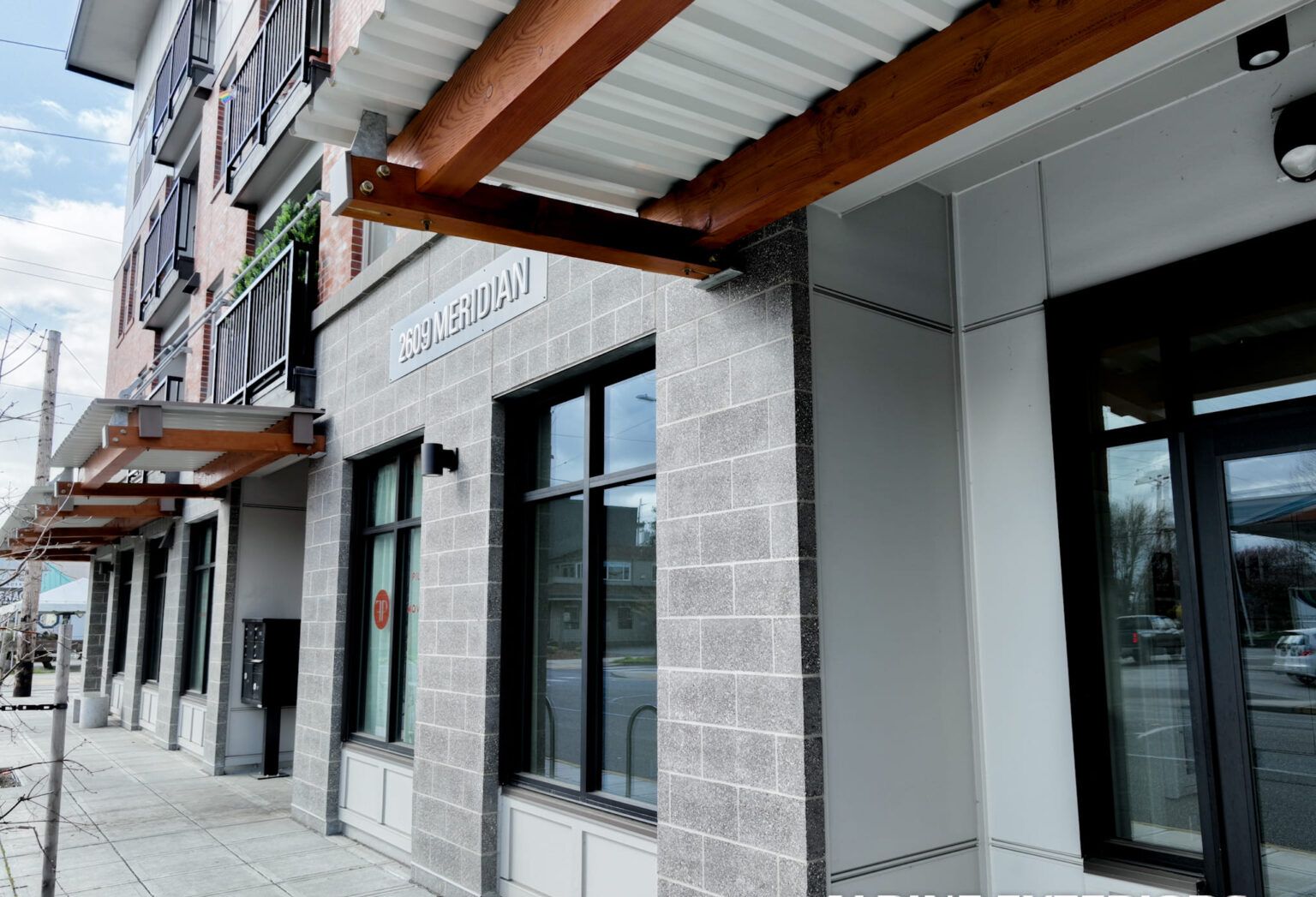
Balm sits in the rural southern stretch of Hillsborough County, tucked between Wimauma, Riverview, and the farmland corridor that runs toward Plant City. Homes out here range from older wood-frame farmhouses to newer ranch and two-story builds on acreage, and the siding decisions look a little different than they do closer to downtown Tampa. This inland stretch of the county still deals with the stressors that define Gulf Coast construction: long, humid summers, heavy wind-driven rain during tropical systems, intense subtropical sun, and steady termite pressure on anything wood-based. Alpine Exteriors gets asked about James Hardie fiber cement siding costs from homeowners across this part of the Tampa Bay service area, and the honest answer is always a range, not a number, because so much depends on the specific house. This guide walks through what that range typically looks like, what pushes it up or down, and how to read a quote so you're comparing apples to apples.
For a full siding replacement using James Hardie fiber cement products — HardiePlank lap siding, HardieShingle, or HardiePanel vertical siding — most Balm-area homeowners should expect a wide planning range rather than a single figure. Smaller, single-story homes with simple rooflines, an easy tear-off, and sound sheathing underneath tend to land toward the lower end of what fiber cement projects cost regionally. Larger two-story homes, homes with a lot of trim and architectural detail, or homes where the crew finds moisture or termite damage once the old siding comes off will land toward the higher end. Custom ColorPlus factory finishes and premium profiles like board-and-batten or staggered shingle patterns also add cost compared to standard lap siding in a stock color.
The table below breaks out the main line items that make up a typical quote, with the low and high end of what each one commonly adds to the total project cost. Treat these as planning ranges, not quotes — an accurate number only comes from someone measuring your actual walls, checking your substrate, and pulling your specific wind-load requirements.
| Cost Factor | Lower End | Higher End |
|---|---|---|
| Siding material & profile (lap, shingle, panel, board-and-batten) | Standard HardiePlank lap in a stock ColorPlus color | Premium shingle or vertical profiles, custom color runs |
| Home size & number of stories | Smaller single-story ranch footprint | Larger two-story home with more wall area and roof cutting-in |
| Tear-off & disposal of existing siding | Single layer of vinyl or hardboard, easy removal | Stucco or multiple layers, more labor and disposal cost |
| Sheathing & substrate repair | Dry, sound sheathing found underneath | Rotted or termite-damaged sheathing and framing needing rebuild |
| Trim, soffit, fascia & flashing detail | Minimal trim, simple corners and openings | Extensive trim package, multiple window/door returns, custom flashing |
| Permitting, engineering & code compliance | Standard county permit, no added engineering | Additional engineering letters or inspections for unusual wall assemblies |
Because these factors compound, two homes of similar square footage in the same Balm neighborhood can come back with noticeably different bids once one of them turns out to need substrate repair or a more complex trim package. That's normal, and it's one of the reasons a written, itemized quote matters more than a single headline number.
A handful of Tampa Bay-specific conditions consistently show up as swing factors on Balm siding jobs:
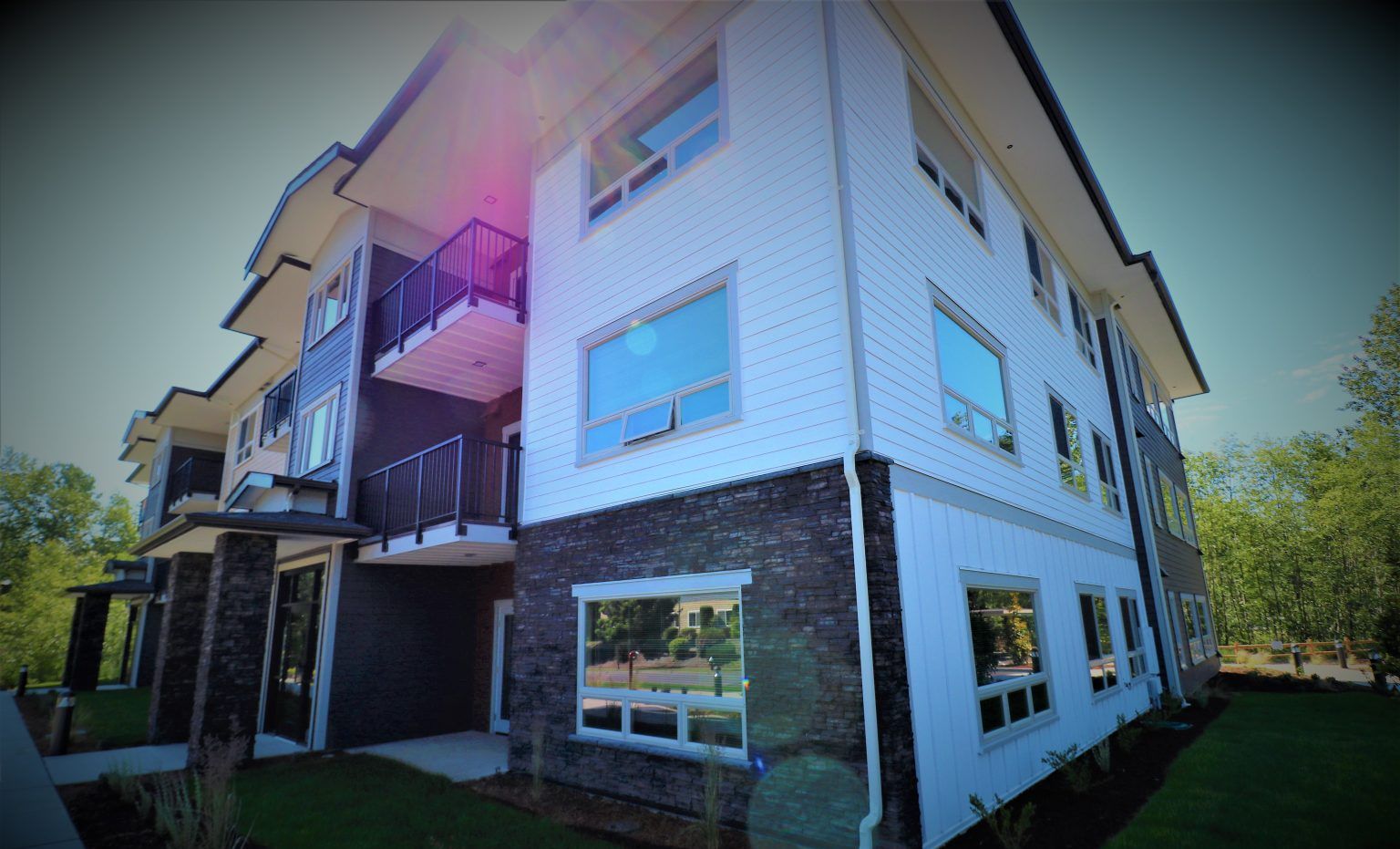
A vague, one-line estimate is one of the more common ways siding budgets go sideways after the contract is signed. A properly scoped quote from a contractor working in this climate should spell out:
If a quote is missing several of these, it's worth asking the contractor to fill in the gaps in writing before signing anything, since vague scopes are where cost surprises come from later.
When comparing bids from different contractors, the goal is to make sure you're comparing the same project, not just the same total number. A few practical steps:
Many siding contractors can point homeowners toward financing options that break a full siding replacement into monthly payments rather than a single upfront cost. Terms vary by lender and by the homeowner's credit profile, so it's worth asking for the actual APR and repayment length in writing rather than a rough monthly-payment pitch, and comparing that against a home equity line of credit if you have one available, since equity financing is sometimes the lower-cost option.
On the insurance side, it's worth setting expectations correctly. Florida's wind mitigation inspection form, OIR-B1-1802, is used by insurers to calculate premium discounts, but it's weighted heavily toward roof characteristics — roof shape, roof deck attachment, roof-to-wall connections, and opening protection like impact windows or shutters. New siding by itself typically doesn't generate a direct line-item discount on that form the way a roof replacement or impact windows can. That said, keeping your permit, your Florida Product Approval documentation, and your final invoice on file is genuinely useful if you ever need to file a wind damage claim, since it demonstrates the siding was installed to code with an approved, wind-rated assembly.
The biggest swing factors are usually what's underneath the existing siding and how much trim and detail work the home has. Two homes of the same square footage can come back with very different numbers once one of them turns out to need sheathing repair, has more window and door openings to flash, or requires a more involved fastening schedule because of its height or wind exposure. A detailed, itemized quote is the best way to understand why two bids differ.
It depends on priorities, but there are real durability advantages in a hot, humid, storm-prone climate. Fiber cement holds up better under wind-driven rain and won't melt or warp under intense summer sun the way some vinyl products can, and it isn't a food source for termites the way wood siding is. It's also heavier and more labor-intensive to install, which is reflected in the higher installed cost compared to vinyl. Homeowners planning to stay in the house long-term, or those who've had recurring problems with wind or moisture damage to previous siding, tend to find the tradeoff worthwhile.
Timelines depend heavily on house size, how much substrate repair is needed, and the weather. A straightforward single-story tear-off and reinstall can move relatively quickly, while a larger two-story home with trim work and any rot repair takes longer. Florida's rainy season, roughly June through September, can also add delays to any exterior project, since siding can't safely be installed in active rain or high wind. A contractor should give a realistic calendar-day estimate up front, with the understanding that weather can shift it.
Yes. Because siding is part of the building envelope and has to meet a specific wind-rated assembly under the Florida Building Code, a permit is required, and the licensed contractor performing the work should be the one pulling it, not the homeowner. The permit process also creates a paper trail tying the installation to its Florida Product Approval listing, which is useful documentation to keep for future insurance or resale purposes.
Cost ranges are a useful starting point for planning a budget, but the only way to know what your specific Balm home will actually cost is to have someone walk the property, look at the current siding and substrate condition, and measure the walls. Alpine Exteriors serves homeowners throughout the greater Tampa Bay area, including Balm and the surrounding Hillsborough County communities near Plant City, Wimauma, and Riverview, and can provide a written, itemized James Hardie siding estimate that spells out material, labor, tear-off, and code-compliance costs separately so there are no surprises once the work begins.