
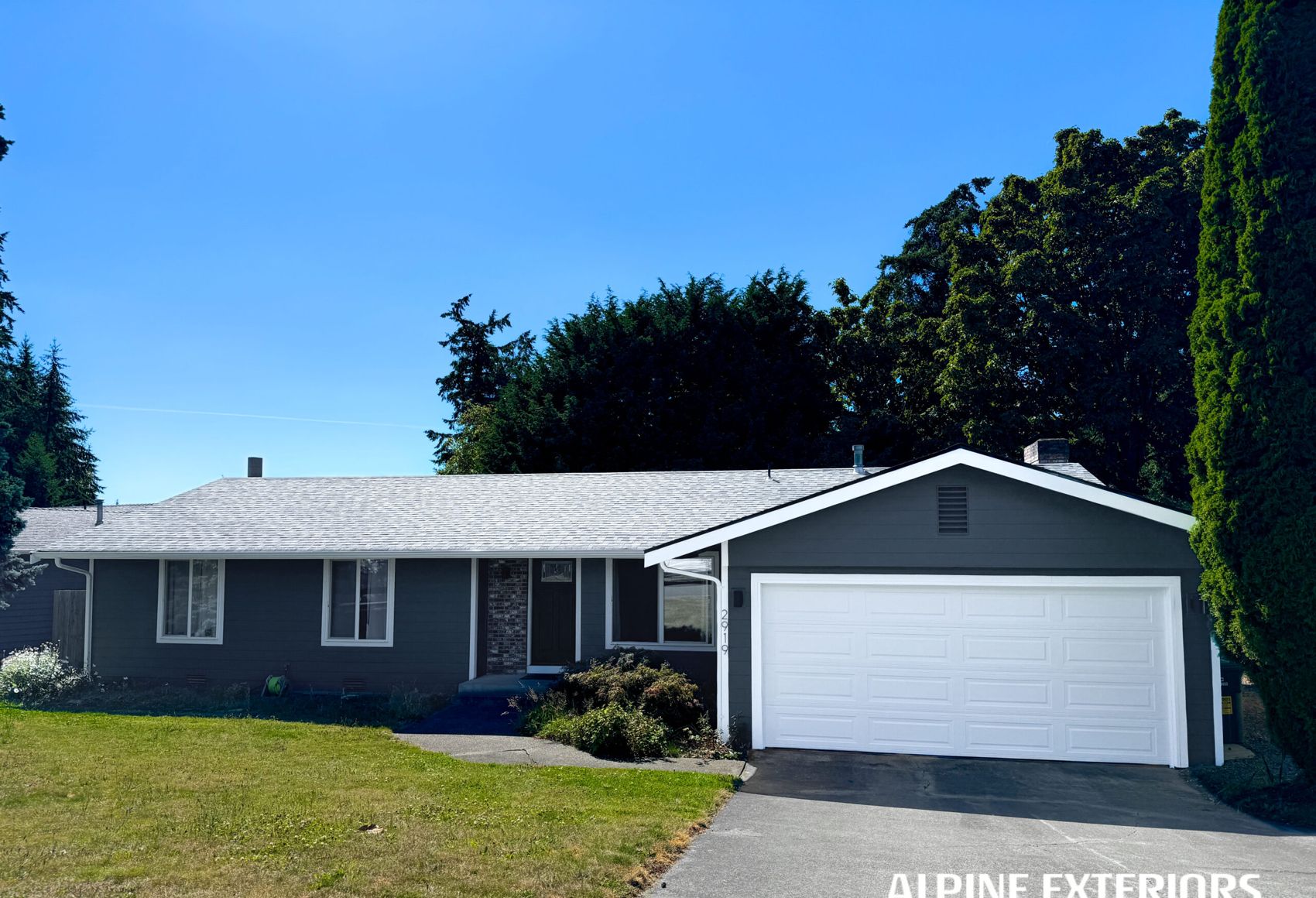
Hudson sits on the Gulf side of Pasco County, where salt-tinged air, long stretches of direct sun, and the occasional direct hit from a tropical system all take a toll on exterior building materials faster than they would inland. Homeowners here who start pricing James Hardie fiber cement siding usually find a wide range of quotes for what sounds like the same job, and it's rarely because one contractor is padding their number. The spread comes from real differences in prep work, product selection, trim detailing, and how a crew handles the coastal conditions that Hudson homes actually face. This page walks through what a realistic price range looks like for this area, what pushes it up or down, and what should be sitting inside any quote before you sign it. Alpine Exteriors prices Hudson projects individually after a site visit, but the ranges below reflect what we typically see across similar homes in this part of Tampa Bay.
For a single-family home in the Hudson area, full James Hardie fiber cement siding replacement — tear-off of the old material, house wrap or water-resistive barrier, new HardiePlank or HardieShingle siding, trim, and factory-finished color — commonly lands somewhere in the neighborhood of $9 to $16 per square foot of exterior wall area once labor and materials are combined. On an average Hudson single-story home, that tends to translate into a total project cost that can run from the high five figures into the low six figures depending on size, roofline complexity, and how much of the existing wall assembly needs repair before new siding goes on. Larger two-story homes, homes with a lot of gables and dormers, or homes needing significant wood rot or sheathing repair will sit toward the higher end or above it.
These are wide ranges on purpose. A small, simple ranch home with straightforward walls and minimal trim can come in well under the midpoint, while a home with extensive board-and-batten accents, custom trim packages, or hidden moisture damage under the old siding can exceed the high end. The table below breaks out the factors that most often move a Hudson quote up or down and roughly how much weight each one carries.
| Cost Factor | Typical Low Impact | Typical High Impact |
|---|---|---|
| Siding profile (lap vs. shingle, panel, or board-and-batten accents) | Baseline lap siding on most walls | Mixed profiles and accent bands can add noticeably to material and labor |
| Tear-off and disposal of existing siding | Minimal if old siding comes off cleanly in large sections | Higher if old siding is brittle, layered, or requires careful handling |
| Sheathing and framing repair | Little to no repair needed under sound siding | Adds meaningfully per damaged section if humidity, past leaks, or termite activity compromised the wall |
| Trim, soffit, and fascia in HardieTrim | Simple trim package around openings | Full trim replacement with wider boards and decorative detailing |
| Finish (factory ColorPlus vs. field-painted) | Standard ColorPlus color selection | Custom or premium color, or full field painting after install |
| House size, stories, and roofline complexity | Single-story, simple rectangular footprint | Two-story homes, steep gables, dormers, or heavy scaffolding needs |
| Permits and code-required upgrades | Standard permit and inspection fees | Additional cost if flashing, fastening, or water-resistive barrier upgrades are triggered |
Beyond the factors in the table, a handful of Hudson-specific conditions tend to have an outsized effect on the final price. Wind resistance is the big one. Anything installed here has to meet Florida Building Code wind load requirements for this part of Pasco County, and the James Hardie products and fastening schedules used to satisfy those requirements — along with the product's Florida Product Approval documentation — are not interchangeable with lighter-duty installs used in calmer climates. Correct fastener spacing, starter strips, and flashing details around windows and doors take more time and more material than a bare-minimum install, and that shows up in the price, but it's also what keeps the siding performing through wind-driven rain events rather than failing at the seams.
Humidity and moisture pressure matter almost as much. Fiber cement itself resists rot and won't feed mold the way wood siding can, but the assembly behind it — the water-resistive barrier, flashing, and any rigid insulation or furring — has to be detailed correctly for Hudson's climate or moisture gets trapped rather than shed. Homes near the water or with a lot of shaded, poorly ventilated wall area sometimes need extra attention here, which can add labor time. Termite exposure is another regional factor: fiber cement itself isn't a food source for termites, which is one of its real advantages over wood siding in this region, but if termites have already damaged the wood sheathing or framing underneath the old siding, that repair work adds to the job regardless of what material goes on top.
Salt air near the Gulf accelerates corrosion on unprotected metal fasteners and trim, so using corrosion-resistant fasteners and hardware in coastal-adjacent homes like many in Hudson is not optional if you want the job to hold up — and it's a modest but real cost factor. Finally, UV exposure in this climate fades poorly-finished siding faster than in milder regions; James Hardie's factory-applied ColorPlus finish is formulated to resist that fading better than field-applied paint, which is part of why many Hudson homeowners choose it even though it can carry a modest premium over standard color options.
A quote that's actually comparable to others should spell out more than just a bottom-line number. At minimum, look for a written scope that specifies the exact James Hardie product line and profile being installed, the finish (ColorPlus versus field paint, and the specific color), the trim package, and whether removal and disposal of the existing siding is included. It should note whether sheathing or framing repair is included as a line item or billed separately if damage is found once the old siding comes off — this is one of the most common sources of mid-project cost surprises, and a straightforward contractor will explain up front how that's handled rather than leaving it vague.
The quote should also cover the water-resistive barrier and flashing details being used, since these are what actually keep wind-driven rain out of the wall assembly, and they matter more here than in drier climates. Fastener type should be specified, particularly for coastal-adjacent properties where corrosion resistance matters. Finally, confirm that the price includes permitting and inspections under the Florida Building Code, since pulling a permit for a full siding replacement is standard practice and not something that should be left off to shave the quoted number. Alpine Exteriors builds all of these items into its written estimates for Hudson homes so there's nothing left to guess about once work starts.
The most useful way to compare bids on a James Hardie project is to line them up by scope before looking at price at all. Two quotes with a meaningful gap between them might reflect two genuinely different jobs — one using standard trim and field-painted siding, the other using a full HardieTrim package with factory ColorPlus finish — rather than one contractor simply being cheaper for the same work. Ask each contractor for the specific product line, profile, and finish they're pricing, and ask whether their number assumes the existing wall sheathing is sound or includes an allowance for repair if it isn't.
It's also worth asking how each contractor handles fastening and flashing at wind-exposed areas like corners, eaves, and around openings, since that's where cutting corners tends to show up years later as a callback rather than an upfront cost. A lower bid that skips corrosion-resistant fasteners or shortcuts flashing details may look attractive today but can cost more in repairs after a few storm seasons. Finally, check that every contractor bidding your project is licensed to work in Florida and ask to see their license number — Alpine Exteriors holds Florida contractor license RB29003900, and that kind of verification takes a few minutes but rules out a real category of problems before they start.
Many Hudson homeowners spread the cost of a full siding replacement over time rather than paying it in one lump sum, and most reputable contractors, including Alpine Exteriors, can point clients toward financing options or work with third-party lenders that specialize in home exterior projects. Terms, rates, and approval depend on the lender and the homeowner's individual situation, so it's worth asking early in the process what options are available rather than assuming financing isn't possible.
On the insurance side, replacing siding with a wind-rated, code-compliant product can sometimes affect homeowners insurance premiums, particularly when it's done alongside other wind mitigation improvements. Pasco County homeowners who complete qualifying upgrades are often able to have those improvements documented on a wind mitigation inspection using the state's OIR-B1-1802 form, which insurers use to calculate windstorm discounts. New siding alone isn't a guaranteed discount trigger, and the specifics depend on the insurer, but it's reasonable to ask your insurance agent whether a siding project combined with other improvements could be worth documenting. Keep copies of your product's Florida Product Approval paperwork and your final invoice, since insurers and future buyers may ask for that documentation later.
Fiber cement costs more upfront than vinyl largely because of the material itself and the labor involved in installing it correctly — it's heavier, requires different cutting and fastening methods, and typically involves a factory finish process. In exchange, it holds up better against the wind loads, humidity, and UV exposure that are constant factors in this part of Florida, and it doesn't soften or become brittle under intense heat the way some vinyl products can over time. Whether that trade-off is worth it depends on how long you plan to stay in the home and how much you value long-term durability over the lowest upfront number.
It can, mainly because storm-damaged homes often need sheathing or framing repair in addition to new siding, and that repair work is priced separately from the siding install itself. If wind-driven rain got behind the old siding during a storm, there may also be hidden moisture damage that isn't visible until the old material comes off, which is why a thorough inspection before final pricing matters more on storm-related jobs than on a straightforward like-for-like replacement.
Both are engineered for the same climate conditions and code requirements, so the choice usually comes down to style and budget rather than performance. HardiePlank lap siding is the more common, generally more budget-friendly option for full-house coverage, while HardieShingle is often used as an accent on gables or specific architectural features and tends to add cost when used across an entire home due to the additional labor involved in installing individual shingle courses.
Timelines vary with house size, roofline complexity, and whether repair work is needed, but homeowners should expect a project to run from roughly one to a few weeks rather than a single job in a day or two. Weather can also affect scheduling, since fiber cement installation and painting work are best done in dry conditions, and Florida's rainy season can occasionally push timelines out. A contractor should give you a realistic window based on your specific home rather than a generic estimate.
The only way to know what your specific home will actually cost is to have someone look at it — the ranges above are a starting point, not a substitute for an on-site evaluation of your walls, trim, and existing siding condition. Alpine Exteriors serves Hudson and the rest of Pasco County as part of its Tampa Bay service area, and can walk your property, point out anything that affects cost before work starts, and put together a written, itemized estimate so you know exactly what's included. Reach out to schedule a site visit and get a real number for your home rather than a rough guess.