
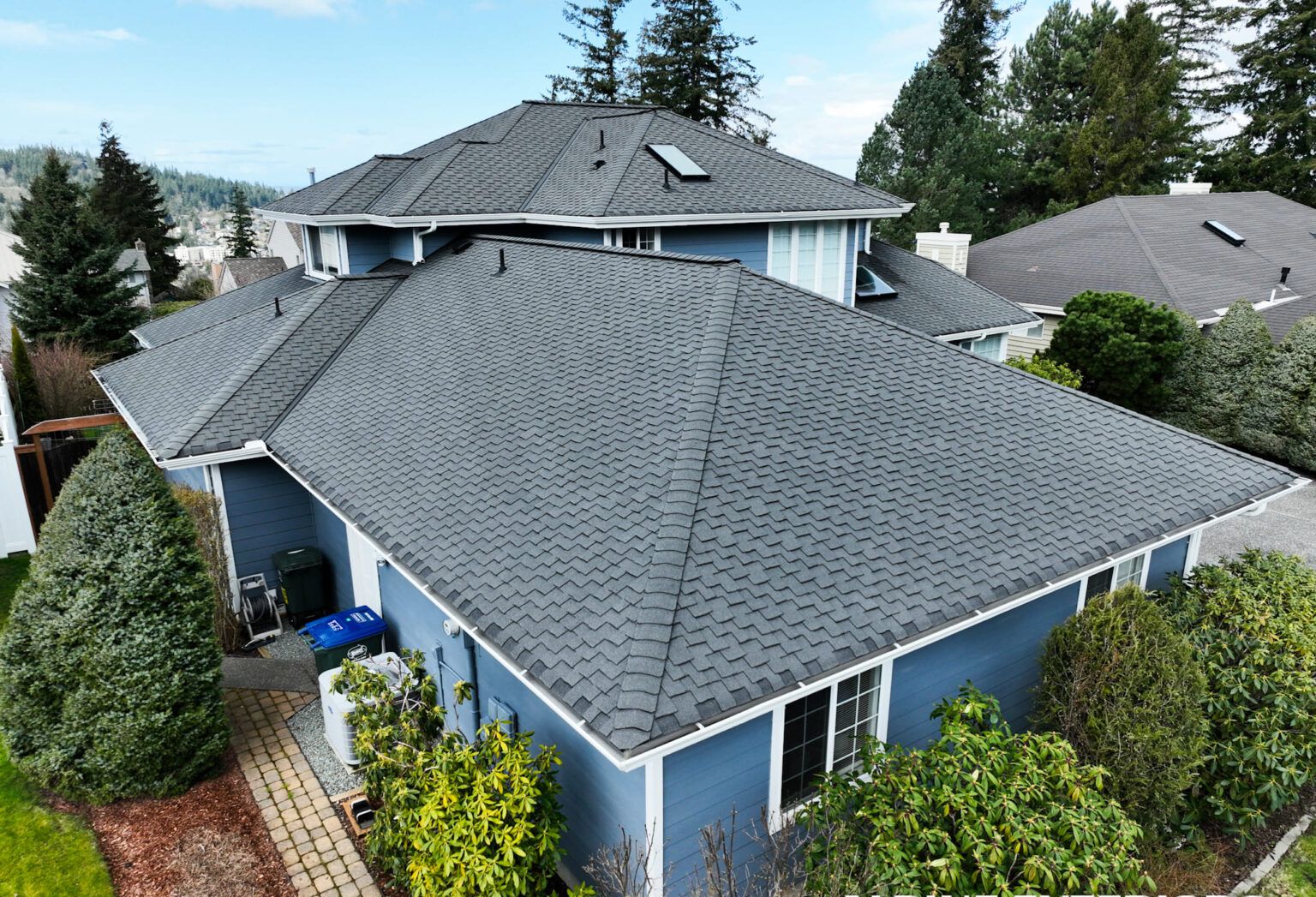
Homeowners in Holiday and the surrounding Pasco County communities usually start researching James Hardie siding for one of three reasons: the existing siding is failing after years of Gulf Coast humidity, a storm exposed rot or delamination behind the old cladding, or they simply want a lower-maintenance exterior that can stand up to Tampa Bay weather without repainting every few years. Whatever the trigger, the first real question is almost always the same: what does this actually cost once you're in a house near Holiday, not a national average from a manufacturer's website?
Below is a realistic look at the price range for James Hardie fiber cement siding in this market, what tends to push a project toward the low end or the high end, what should be spelled out in a written quote, and how to compare bids from different contractors without getting misled by a number that looks good on paper but leaves out half the job.
For a typical single-family home in the Holiday area, a full James Hardie fiber cement siding replacement generally lands somewhere in the broad range of roughly $9 to $16 per square foot of exterior wall area installed, with most straightforward one-story homes finishing in the middle of that band and larger, more detailed, or multi-story homes pushing toward the top. That range covers material, labor, code-required moisture management, trim, and basic disposal — it is not a per-panel or per-board price, and it will move depending on the factors below. Treat any number you see online, including this one, as a planning range rather than a quote; the only accurate figure for a specific house comes from an in-person measurement and inspection.
| Cost Factor | Typical Low End | Typical High End |
|---|---|---|
| Home size and wall complexity | Simple one-story rectangle, few corners | Multi-story, many gables, dormers, and cutouts |
| Tear-off of old siding | Single layer, easy removal | Multiple layers, rot repair, or hidden damage |
| Substrate and water-resistive barrier | Sound sheathing, standard house wrap | Sheathing replacement, upgraded WRB/flashing detailing |
| Siding profile and finish | Standard lap plank, factory ColorPlus finish | Shingle-style, board-and-batten, or heavy custom trim packages |
| Fastening and wind-load detailing | Standard fastening schedule for the design wind speed | Enhanced fastening/blocking for higher exposure or corner conditions |
| Trim, soffit, and fascia scope | Siding only, trim reused | Full trim, soffit, and fascia replacement |
| Access and site conditions | Single story, open lot | Steep roof lines, tight lot, landscaping protection needed |
| Permitting and documentation | Standard permit package | Additional engineering or product-approval documentation for unusual conditions |
A handful of conditions specific to Pasco County and the broader Tampa Bay area do more to move the final price than almost anything a homeowner picks off a color chart. The first is wind. Holiday sits within a design wind speed zone under the Florida Building Code that requires siding, fasteners, and the underlying water-resistive barrier to be installed to a documented fastening schedule tied to the product's Florida Product Approval. Homes on more exposed lots, corner lots, or with taller wall sections generally need a tighter fastener spacing or additional detailing at corners and edges to meet that wind-load requirement, and that additional labor and hardware shows up in the price.
Wind-driven rain is the second factor. Fiber cement itself resists water well, but the assembly behind it — flashing at windows and doors, the water-resistive barrier, and the way seams and penetrations are sealed — is what actually keeps wind-driven rain out of the wall cavity during a tropical system. Homes with a lot of window and door trim, multiple roof-to-wall intersections, or older flashing that needs to be corrected as part of the tear-off will cost more than a simple rectangular wall with few penetrations.
Humidity and mold pressure matter too. This part of Florida stays warm and damp for much of the year, and any wall assembly that traps moisture behind it is a mold and rot risk. If the tear-off reveals soft or previously water-damaged sheathing — which is common on older Holiday homes that have gone through a few decades of Gulf humidity — that sheathing has to be replaced before new siding goes on, and that repair is priced separately from the siding install itself because it can't be estimated accurately until the old material comes off.
UV exposure is a lower-cost factor but a real one. Intense, near-daily Florida sun degrades paint film faster than in milder climates, which is part of why most homeowners in this market choose a factory-applied ColorPlus finish rather than a field-painted siding. ColorPlus costs a bit more up front than primed siding that gets painted on site, but it holds color longer under Florida UV and reduces how soon a homeowner is looking at a repaint.
Termites are worth a mention because they're common throughout Pasco County, but they affect the wood framing and trim behind and around the siding, not the fiber cement panels themselves, which are not a food source for termites. Where this shows up in cost is when old wood trim, fascia, or sheathing has termite damage that has to be replaced as part of the tear-off — again, something priced once it's visible, not guessed at in advance.
Homes closer to the Gulf side of Pasco County, including areas nearer New Port Richey, deal with more salt air than homes further inland, which accelerates corrosion on exposed fasteners, flashing, and trim hardware. That's a reason to ask what fastener and flashing materials a contractor plans to use, since the cheaper option often isn't rated for a salt-air environment even a few miles inland from the coast.
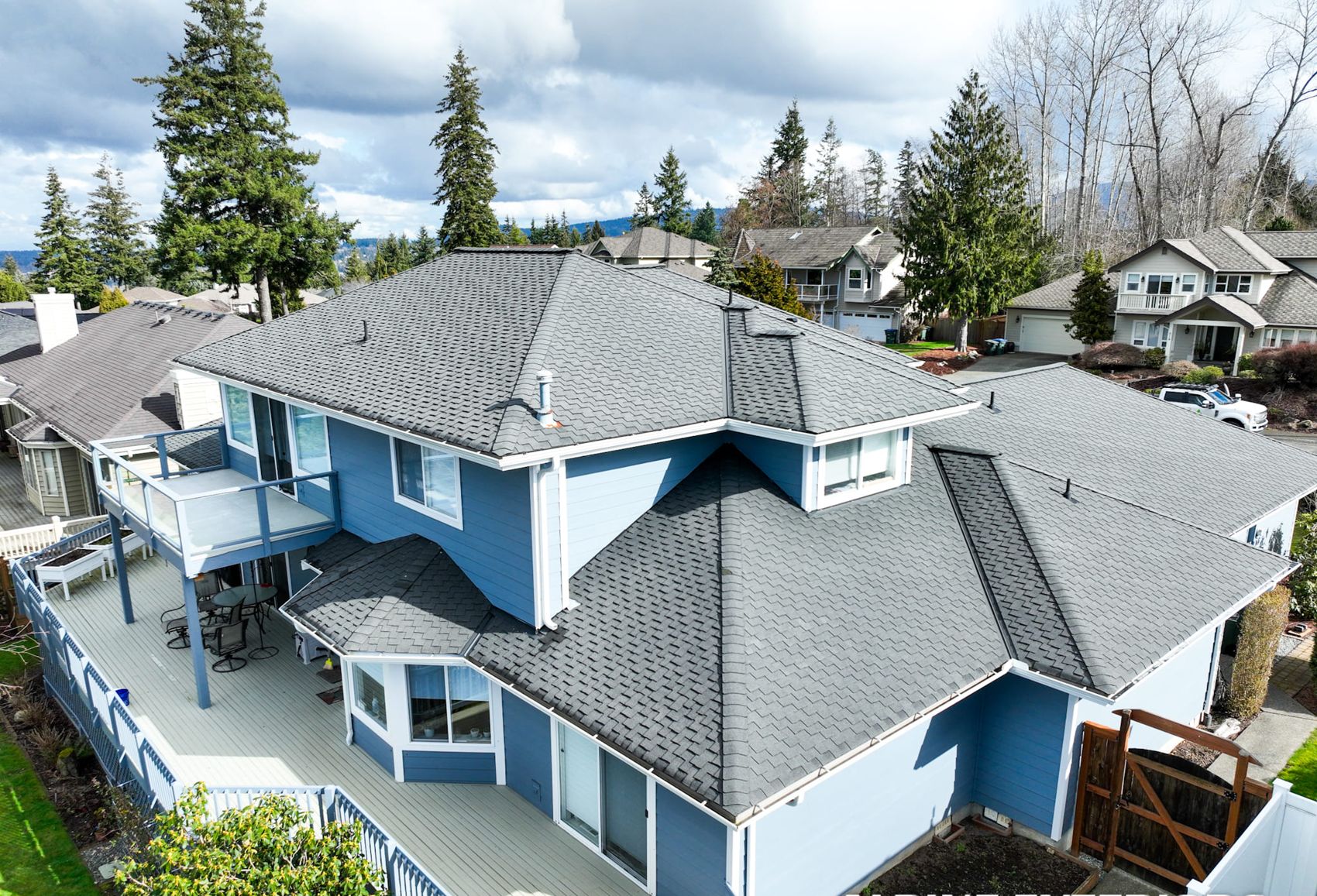
A complete, useful quote for James Hardie siding in the Holiday area should spell out more than a single lump-sum number. At minimum, it should list the specific Hardie product and profile being installed (lap width, shingle style, or panel type), whether the finish is factory ColorPlus or field-painted, the scope of tear-off and disposal, whether sheathing repair is included or handled as a separate line item if damage is found, the water-resistive barrier and flashing details being used, the fastening schedule and how it relates to the home's wind exposure under the Florida Building Code, trim and soffit/fascia scope, permit costs, and a start-to-finish timeline. If a quote is a single number with no breakdown, that's a red flag, not a sign of simplicity — it usually means unknowns get resolved after the contract is signed, which is where change orders and disputes come from.
Alpine Exteriors builds quotes for Tampa Bay homes, including those in Holiday, around this level of detail specifically because fiber cement installed poorly to save labor cost tends to fail at the water-management layer long before the siding material itself wears out — and that failure is expensive and disruptive to fix once it's behind finished walls.
When two quotes for the same house come back with a meaningful price gap, the difference is almost always in scope, not just in labor rate. Start by lining up the product specified — a standard smooth lap plank and a textured shingle-style siding are priced differently, and a lower bid might simply be quoting a less expensive profile than the one being compared. Next, check whether both quotes include full tear-off and haul-away of the old siding, or whether one is planning to install over the existing material, which is sometimes possible but changes the wall assembly and the wind-load documentation. Confirm both bids include the same trim and soffit/fascia scope, since siding-only quotes will always look cheaper next to a quote that also replaces trim.
It's also worth asking directly how each contractor plans to meet the Florida Building Code's wind-load requirements for the property's specific exposure, and whether the installation will be documented in a way that supports Florida Product Approval compliance. A contractor who can answer that specifically, rather than with a generic "we always meet code," is usually the one who has actually thought through the wall assembly rather than just the visible siding. Finally, ask what happens if sheathing damage or termite damage is discovered mid-project — a contractor with a clear, pre-agreed process for pricing that work is easier to deal with than one who hasn't thought about it.
Most siding contractors, including Alpine Exteriors, can point homeowners toward third-party financing options that break the project into monthly payments rather than one upfront cost, though specific terms, rates, and approval depend on the lender, not the contractor. It's worth asking early in the process which financing partners a contractor works with so that number can be planned alongside the cash price.
On the insurance side, Florida homeowners' policies commonly use the OIR-B1-1802 Uniform Mitigation Verification Inspection Form to document wind-resistant features of a home, and some insurers offer premium credits for qualifying features. New siding installed to current Florida Building Code wind-load requirements can be part of that picture, but the mitigation form covers the whole structure — roof, openings, and wall construction together — so a siding replacement alone isn't guaranteed to change a premium. Homeowners who want to understand the potential impact should talk to their insurance agent about a wind mitigation inspection before and after the project, since the agent and inspector are the ones qualified to say what a specific policy will credit.
Fiber cement generally costs more upfront than vinyl siding, but it holds up differently under Florida conditions: it doesn't soften or warp in intense heat and sustained UV the way some vinyl products can, and it carries a different, generally more favorable profile for wind resistance when installed to the manufacturer's fastening schedule. Whether the added upfront cost is worth it depends on how long a homeowner plans to stay in the house and how much they value lower long-term maintenance versus a lower initial price.
Yes. Any tear-off that reveals soft, rotted, or termite-damaged sheathing or framing has to be repaired before new siding is installed, and that repair work is priced separately because it can't be accurately estimated until the old siding is off and the substrate is visible. A contractor who promises a fixed price with no allowance for this possibility is either planning to skip needed repairs or planning to charge for them later as a surprise change order.
Timelines vary with home size, complexity, and how much tear-off and repair work is involved, but homeowners should expect a project to take multiple days to a couple of weeks rather than a single day, especially once permitting, inspections tied to the Florida Building Code, and weather delays common during Florida's rainy season are factored in. A detailed quote should include a realistic timeline rather than a vague "a few days" estimate.
In some cases installing over existing siding is technically possible, but it's often not advisable in this climate, because it can trap moisture against the wall assembly and interferes with proper flashing and water-resistive barrier installation, both of which matter more here due to wind-driven rain and humidity than in drier climates. Most reputable installs in this market, including those from Alpine Exteriors, start with a full tear-off so the sheathing, flashing, and barrier can be inspected and corrected as needed rather than sealed behind new siding.
Every range on this page is a starting point for planning, not a substitute for someone walking your specific property. Wall complexity, existing damage, and exposure all vary house to house even within the same Holiday neighborhood. Alpine Exteriors, Florida contractor license RB29003900, serves Holiday and the rest of Pasco and Hillsborough County, including Tampa, Wesley Chapel, Lutz, Land O' Lakes, New Port Richey, Plant City, and Zephyrhills, and can provide a written, itemized quote based on an actual inspection of your home rather than a generic estimate.