

Port Richey sits along the Pithlachascotee River just inland from the Gulf of Mexico, which means homes here deal with a specific combination of stresses that inland Florida communities don't face in the same combination. Every hurricane season, typically June through November, exterior walls take on wind-driven rain that doesn't just fall on siding — it drives sideways and upward under laps, around trim, and into any gap that's opened up over the year. The Florida Building Code accounts for this by requiring exterior wall coverings, including siding, to carry a Florida Product Approval (or, in some cases, a Miami-Dade Notice of Acceptance) and to be installed using a fastening schedule rated for the wind loads assigned to Pasco County. A siding system that looked fine when it was installed can still fail that standard years later if fasteners have backed out, caulking has failed, or panels were damaged by a prior storm and never properly repaired.
Humidity is the second regional factor. Tampa Bay's air stays heavy and moist most of the year, and that moisture pressure works against siding in two ways: it feeds mold, mildew, and algae growth on the surface, and it looks for any breach in the cladding to get behind the wall assembly, where it can sit against sheathing and framing without anyone noticing until the damage shows up as soft trim or interior staining. Add in some of the most intense UV exposure in the continental United States, which breaks down caulk, pigment, and resin faster than in milder climates, and near-constant activity from subterranean termites that thrive in Florida's warm, damp soil, and it becomes clear why a siding inspection here needs different priorities than a checklist written for a drier or cooler region. Homes closer to the Gulf also see salt-laden air accelerate corrosion on fasteners and metal flashing, and that's worth checking even a few miles inland in Port Richey.
This checklist is built around those regional pressures — wind, wind-driven rain, humidity, UV, and termites, with a note on salt air for homes nearer the coast — rather than generic siding advice. Alpine Exteriors put it together from work done across Tampa Bay, including Port Richey, to give homeowners a realistic sense of what to look for and when a problem has moved past a simple fix.
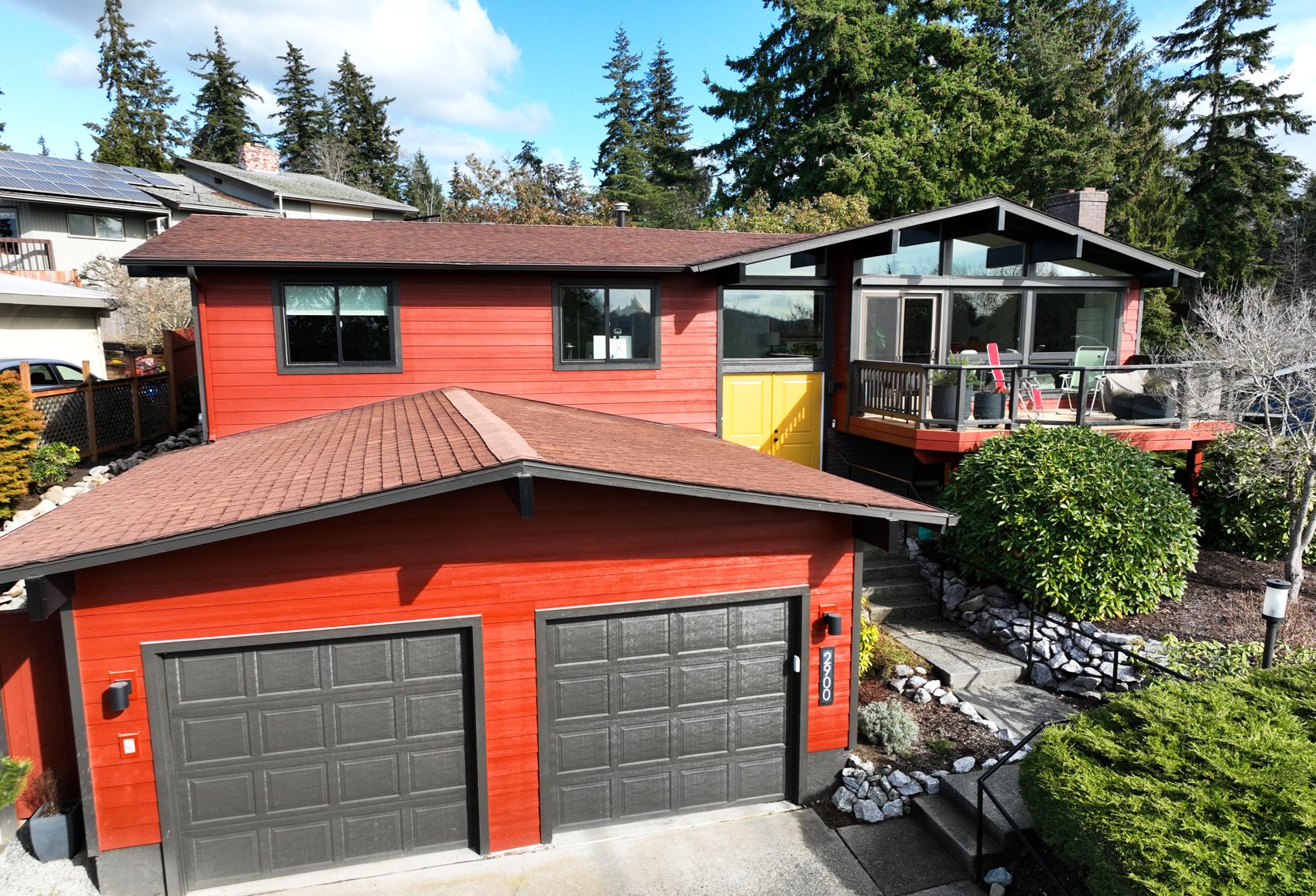
Not every failed item means a major repair. Start by documenting what you find — a phone photo with a date, plus a note of which wall or elevation, is enough to track whether an issue is getting worse next season. For small stuff, like a hairline caulk crack at a single window or a light streak of mildew on a shaded wall, a homeowner can often handle it: rewash the surface with a mild cleaner and soft brush (pressure washers can drive water behind panels and should be used cautiously, if at all, on siding), and recaulk with a paintable, exterior-rated sealant that matches the existing joint.
Anything involving fasteners across more than a panel or two, flashing, or a whole section of loose or bowed siding is a different situation. These aren't cosmetic — they're the points most likely to fail under wind-driven rain in the next storm, and fixing them usually means removing and resetting panels correctly, which is where DIY repairs on vinyl or fiber cement siding often go wrong. A panel reinstalled without the correct fastening pattern, or caulked instead of properly flashed, can look fine for a season and then fail exactly when it matters most.
If you find termite tubes, soft wood, or staining that suggests a leak has been running for a while, treat it as a priority rather than something to monitor. Termite and moisture damage compound quickly in this climate, and what starts as a fascia board repair can become a sheathing or framing repair if it sits through another rainy season.
Alpine Exteriors, Florida contractor license RB29003900, works on homes throughout Tampa Bay, including Port Richey, Wesley Chapel, Lutz, Land O' Lakes, New Port Richey, Plant City, and Zephyrhills, and can walk a property to sort out what's cosmetic, what needs monitoring, and what needs an actual repair or replacement plan.
A visual walk-around twice a year is a reasonable baseline — once before hurricane season and once after — plus a check any time a named storm passes near the area. Homes closer to the Gulf or with older siding may benefit from checking more often, since salt air and UV exposure both accelerate wear.
Not directly. The wind mitigation inspection insurers use for premium discounts, form OIR-B1-1802, focuses mainly on roof shape, roof-to-wall connections, and opening protection rather than siding itself. That said, insurers do factor overall exterior condition into underwriting decisions, and any storm damage to siding is worth photographing and reporting regardless of whether it affects a wind mitigation credit.
Small, isolated issues, such as a cracked bead of caulk or a light mildew stain, are reasonable DIY tasks with the right exterior-rated products. Anything involving flashing, multiple loose panels, or fastening patterns is harder to get right without experience, and a poor repair can fail quietly until the next storm exposes it.
It means the siding product has documentation showing it meets the wind load and water resistance requirements in the Florida Building Code for the area it's installed in. It doesn't guarantee the installation itself was done correctly — a code-approved product installed with the wrong fastening pattern or spacing can still underperform, which is part of why the installation details in this checklist matter as much as the material itself.
A checklist can tell you what to look for, but it can't tell you how much life is really left in a panel that's chalking, or whether a soft spot near the fascia is surface-level or has already reached the sheathing. Alpine Exteriors (FL license RB29003900) has inspected and repaired siding across Tampa Bay — Tampa, Wesley Chapel, Lutz, Land O' Lakes, New Port Richey, Plant City, and Zephyrhills — and can give Port Richey homeowners a straightforward, no-pressure read on what their siding needs before the next hurricane season puts it to the test.