
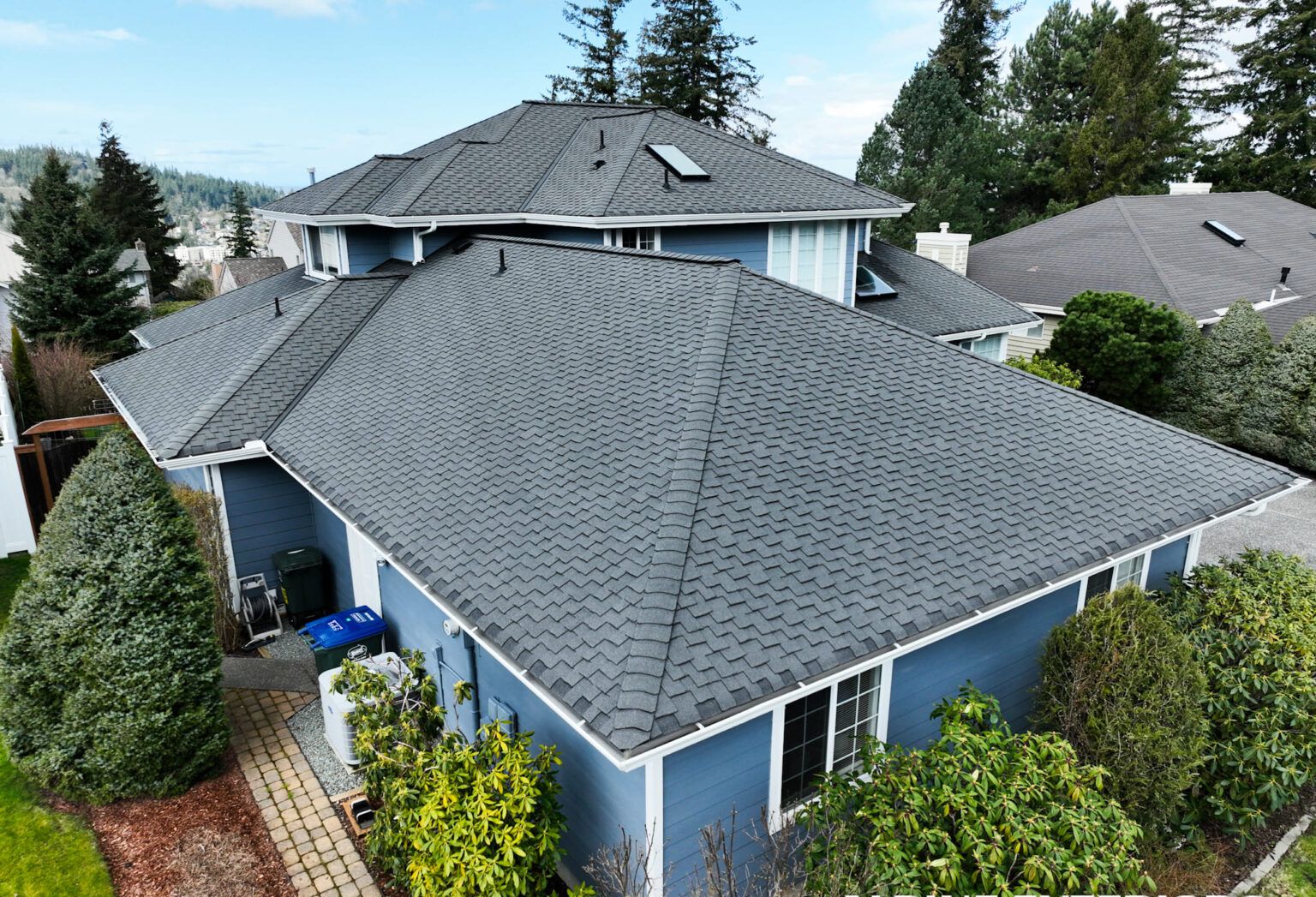
Trinity sits inland from the Gulf in Pasco County, but the climate still drives most of the decisions in a siding project here: long stretches of intense UV, heavy summer humidity that pushes mold and algae growth, wind-driven rain during tropical systems, and the wind-load requirements written into the Florida Building Code for anything attached to the outside of a house. Homeowners in neighborhoods like Trinity Oaks, Fox Wood, Champions Club and Fairway Springs often ask the same question once they've decided to move forward: what actually happens, in what order, and how long does it take? This page walks through a typical Alpine Exteriors siding replacement in Trinity from signed contract to final walkthrough, including the parts that are easy to overlook.
For an average single-family home in the 1,800 to 3,200 square foot range, the physical installation — once material is on site and crews are on the roof and walls — typically runs five to ten working days, depending on the home's complexity, the amount of trim and window detail, and whether the old siding needs to come off in sections or all at once. What surprises most homeowners isn't the install itself, it's everything before it. Permitting through Pasco County, HOA architectural review where it applies, and manufacturer lead times on fiber cement or impact-rated products can stretch the full process — from signed contract to the crew packing up — to somewhere between six and ten weeks. Afternoon thunderstorms from roughly June through November can also push individual days, since exposed sheathing and open wall sections shouldn't sit unprotected ahead of a storm cell.
None of this is unusual for the area, but it's worth setting expectations early. A contractor who promises a two-week turnaround on a full re-side in Trinity is either working with unusually simple conditions or leaving out a step.
Three things need to be lined up before a single piece of old siding comes off the wall.
Permits. Pasco County requires a building permit for most siding replacement work, and the permit application has to reference the Florida Product Approval (or, in some cases, a Miami-Dade Notice of Acceptance) for the specific siding product being installed. That approval documentation shows the product has been tested to meet the wind-load requirements mapped for our part of Pasco County under the Florida Building Code. This isn't paperwork for its own sake — it's the difference between siding that stays attached in a tropical storm and siding that peels off in sheets. Permit review times vary with the county's workload, but homeowners should plan on one to three weeks between application and approval.
HOA review. A large share of Trinity is HOA-governed, and most associations require architectural review of exterior changes, including siding color, style and sometimes the specific product line, before work begins. This step runs in parallel with permitting when possible, but some HOAs only meet monthly, which can add two to four weeks if the timing doesn't line up. Alpine Exteriors provides the spec sheets and color samples homeowners need for their HOA submittal, but the association's own approval schedule is outside our control.
Material lead times. Fiber cement siding is manufactured and often factory-primed or factory-finished off-site, and lead times fluctuate with manufacturer demand — sometimes a few weeks, sometimes longer for specialty colors or profiles. Vinyl siding generally has shorter lead times, but not every vinyl product carries a wind rating suited to our area, so material selection and lead time are tied together. We confirm actual lead times against current manufacturer stock at the time of contract, rather than quoting a number that may not hold by the time material ships.
Once permits are issued and material has arrived, the work generally proceeds in this sequence:
A few things on the homeowner's end make the project go smoother. Move vehicles out of the driveway near the work zone, and keep pets indoors or off-property during active tear-off and install days — there will be nail guns, ladders, and debris on the ground. Trim back shrubs or plants touching the exterior walls so crews have clear access; we'll work around landscaping but can't guarantee zero impact on anything growing directly against the house. Inside, it's worth taking down wall-mounted picture frames or shelving on exterior walls, since nailing and panel work on the other side of the wall can cause vibration. Expect noise and some dust during the workday, and plan for a change in the home's exterior appearance mid-project — it looks rougher before it looks finished. If HOA notification of neighbors is part of your community's process, that's worth handling before the crew arrives.
Once installation is complete, a Pasco County building inspector reviews the work against the approved permit before it's signed off — this isn't a step that gets skipped or worked around. After that, the crew does a full site cleanup: a magnet sweep of the yard and driveway for stray nails and screws, which matters for households with kids, pets, or a pool nearby, plus removal of old siding debris, packaging, and cut-offs. The final walkthrough is done with the homeowner present, going wall by wall to check seams, caulking, trim lines and color consistency, and to note anything for the punch list before the job is considered complete.
New siding is covered by both the manufacturer's product warranty and Alpine Exteriors' labor warranty; the specific terms depend on the product line selected, and we go over both in writing before the contract is signed. Florida's climate means siding needs a bit more ongoing attention than it would in a drier region — algae and mildew growth on the north-facing or shaded sides of a house is common given the humidity, and a gentle wash (not a high-pressure blast, which can force water behind panels or damage caulking) once or twice a year keeps it from building up. After any major named storm, it's worth a visual check for loosened panels, damaged trim, or fresh gaps in caulking around windows and penetrations — catching that early is a lot cheaper than dealing with water intrusion months later. Caulking generally needs re-application well before the siding itself needs attention, so an annual look at the seams is a good habit regardless of storm activity.
Physical installation on an average home usually takes five to ten working days once material is on-site, but the full process — including permitting, HOA approval where applicable, and material lead time — typically runs six to ten weeks from signed contract to final walkthrough. Afternoon storms during the wetter months can also add a day or two here and there.
Yes, in nearly all cases. The permit application has to reference the Florida Product Approval for the specific siding product being installed, which documents that it meets the wind-load requirements mapped for this part of Pasco County under the Florida Building Code. Alpine Exteriors pulls this permit as part of the project rather than leaving it to the homeowner.
Most Trinity communities have architectural review requirements for exterior changes, including siding material and color. We provide the product spec sheets and samples needed for your submittal, but the association's own review schedule — sometimes monthly — is outside our control, so it's worth starting that process as early as possible.
There isn't one universal answer — fiber cement tends to hold paint and color well under intense UV and resists moisture-related issues, while vinyl can be a lower-cost option if a wind-rated product suited to our area is selected. The right choice depends on budget, the home's exposure, and HOA restrictions, which is something we walk through during the estimate rather than defaulting to one product for every house.
If you're weighing a siding replacement in Trinity or elsewhere in Pasco County, Alpine Exteriors (FL license RB29003900) can walk your property, explain what your home's specific wind zone and HOA requirements mean for material choice, and give you a realistic timeline before you commit to anything. Reach out to schedule a consultation and get a written estimate for your home.