
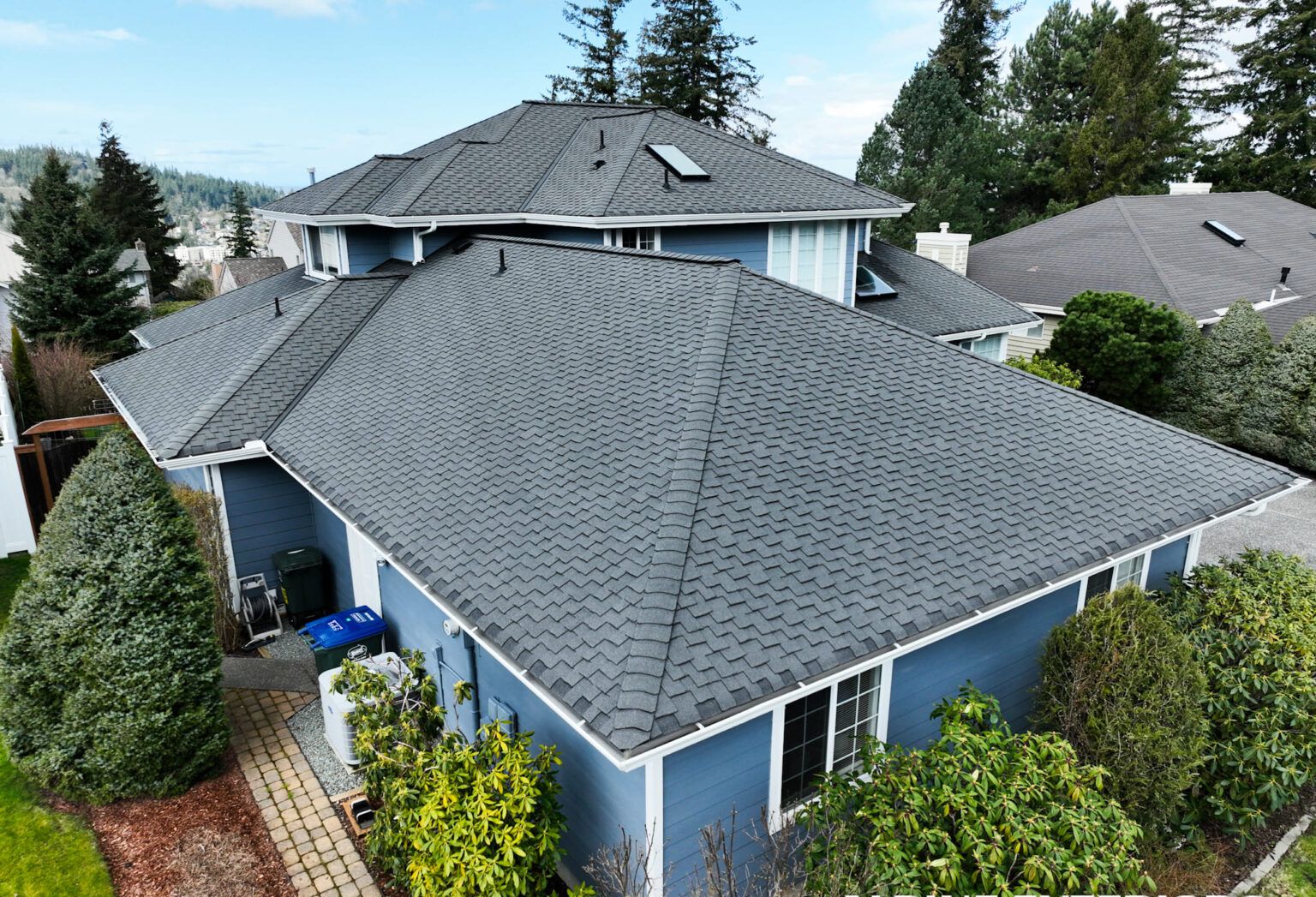
A siding inspection is the first real look a contractor gets at what is actually happening behind the exterior of a Tampa Bay home. It is not a five-minute walk around the yard. Between the initial visit, a proper moisture and substrate check, photo documentation, and a written scope of work, homeowners in Tampa, Wesley Chapel, Lutz, Land O' Lakes, New Port Richey, Plant City and Zephyrhills should expect the inspection itself to run one to three hours depending on the size of the house and how much of the wall system needs to be opened up for a closer look. Getting from inspection to a signed proposal usually takes another few days to a week while measurements are finalized and material is priced.
The full project timeline is longer than most homeowners expect, and that is by design in this climate. Between permitting, HOA review where it applies, and material lead times that can run several weeks for certain fiber cement and impact-rated products, it is common for six to ten weeks to pass between the first inspection and a crew showing up with a dumpster and a trailer. Install itself, once it starts, typically runs anywhere from a few days for a single-story ranch to two or three weeks for a larger or more complex two-story home. None of this is unusual for the region — it reflects how much has to be verified before siding goes over a Florida wall assembly that has to hold up to wind-driven rain and year-round humidity, not just look good on install day.
Almost every siding replacement in Hillsborough and Pasco County jurisdictions requires a building permit, and that permit review checks the assembly against the Florida Building Code and the manufacturer's Florida Product Approval listing for the specific siding and fastening pattern being used. This isn't paperwork for its own sake — wind load requirements in this part of the state are real, and an inspector will want to see that the fastening schedule and any house wrap or weather barrier match what the product approval actually allows for the exposure category of the home's location.
If the home sits inside an HOA or a deed-restricted community, which is common across newer developments in Wesley Chapel and Land O' Lakes, add HOA design review to the front of the timeline. Most associations want color and material approval before a permit is even pulled, and that approval process can take anywhere from a few days to a few weeks depending on how often the architectural committee meets.
Material lead time is the variable most homeowners underestimate. Standard vinyl siding is often readily available, but fiber cement panels, certain lap profiles, and impact-rated soffit or trim can carry longer lead times, especially after a busy storm season when regional demand spikes. Alpine Exteriors orders material as soon as a contract is signed specifically to get ahead of this, but a homeowner planning around a specific date — a family event, a home sale — should build in a buffer rather than assuming next-week delivery.
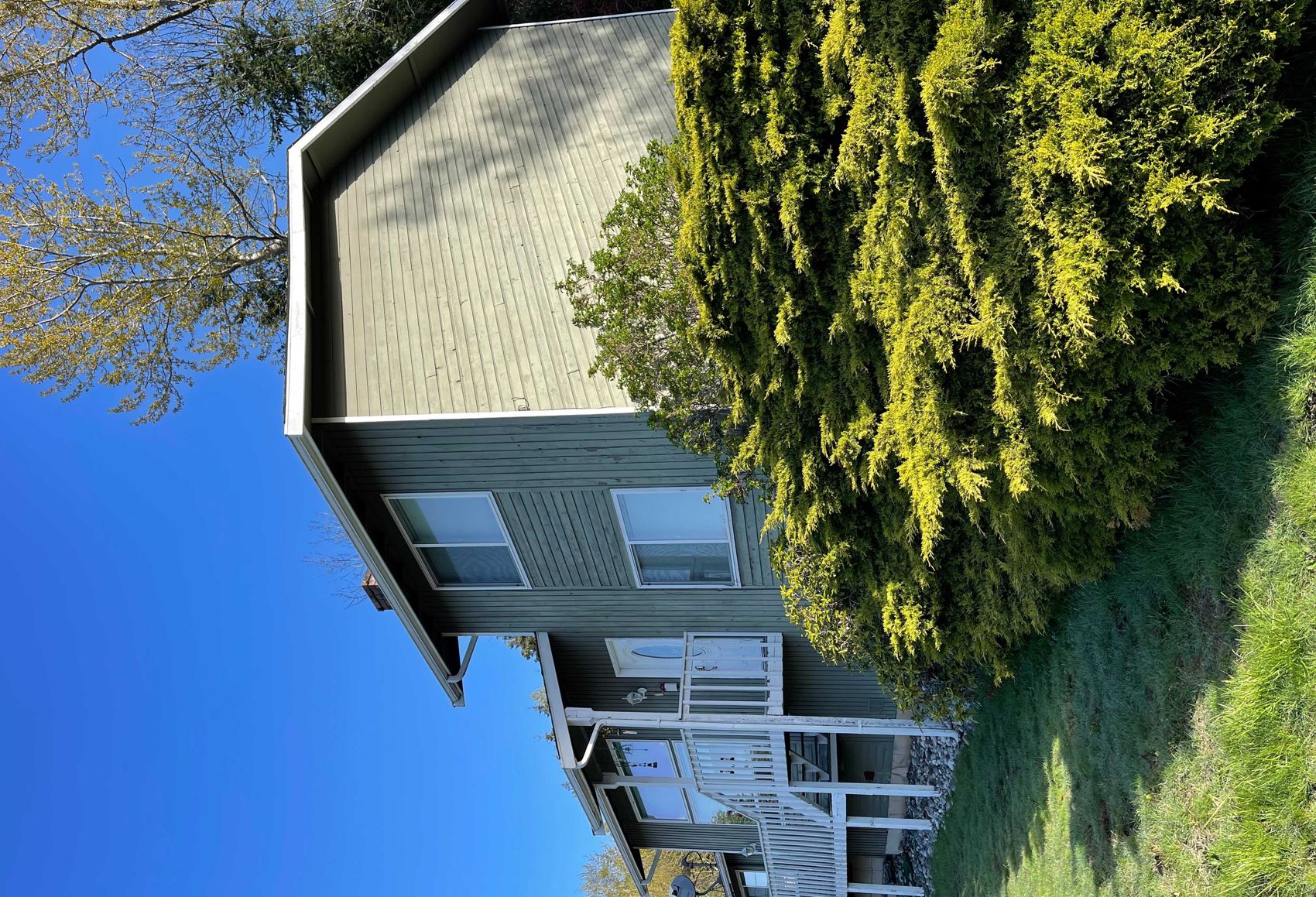
A few things make the inspection day go faster and produce a more useful report. Clear access to all sides of the house, including gated side yards and areas behind AC units or landscaping, lets the inspector see everything without working around obstacles. If there have been past repairs, insurance claims, or known leak areas, having that history on hand — even loosely — helps the inspector focus attention where it matters instead of starting from zero. Homeowners who have a copy of their wind mitigation inspection report (the OIR-B1-1802 form used for insurance purposes) should pull it out, since it often documents roof-to-wall connections and opening protections that are directly relevant to how the new siding assembly should be detailed at those same points.
It's also worth thinking ahead about exterior lighting fixtures, house numbers, or mounted decorations that will need to come down before install begins, and confirming irrigation and pet containment systems that run along the foundation so nothing gets damaged when crews are working close to the ground.
Once installation is underway, a Tampa Bay crew is also working around the region's afternoon thunderstorm pattern, which means schedules can shift by a day or two during summer without that reflecting any problem with the crew or the material. Daily cleanup matters more here than in drier climates — old siding debris and cut-off scraps left out overnight in humid conditions can hold moisture against landscaping or attract pests, so a crew that bags and hauls debris at the end of each day is doing more than tidying up.
At substantial completion, the crew does its own quality check before calling the homeowner out: fastener patterns, caulking at trim and penetrations, and consistent reveal lines get a visual pass. The final walkthrough with the homeowner is where any punch-list items — a scuffed piece of trim, a caulk line that needs cleaning up, a spot where paint overspray landed somewhere it shouldn't have — get identified and addressed before the job is marked complete. This is also the point where the permit's final inspection gets scheduled with the local building department, since Florida Building Code jurisdictions require a passed final inspection to close out the permit.
New siding in this climate needs a little bit of ongoing attention, not because it's fragile but because Florida sun and moisture are genuinely hard on exterior materials. Intense UV exposure over years can fade color on any siding product, vinyl included, so a light annual rinse-down helps remove pollen, mildew film, and salt residue for homes closer to the Gulf side near New Port Richey. Caulking at trim joints and penetrations should get a visual check every year or two, since it's the first thing to give way under repeated expansion and contraction from heat cycling.
Warranty coverage varies by manufacturer and typically separates material defects, covered by the manufacturer, from workmanship, covered by the installing contractor. Alpine Exteriors reviews both warranties with the homeowner at project close so there's no confusion later about who to call if an issue comes up — a manufacturer defect and an installation issue are handled through different channels, and it's worth knowing which is which before you ever need to make a call.
Most inspections run one to three hours on site. A single-story home in good condition with no signs of moisture intrusion tends toward the shorter end, while a larger home, a two-story property, or one with visible staining or past repair areas takes longer because more test areas get opened up and documented.
No — the inspection itself doesn't require a permit. A permit becomes necessary once actual siding replacement work begins, and that permit review is what confirms the new assembly meets Florida Building Code wind load requirements for the home's location.
It gets documented with photos and included in the written report along with a recommendation for repair before new siding goes on. Covering damaged sheathing without repairing it first just traps the problem behind new material, so any rot or termite damage found needs to be addressed as part of the scope, which can add time and cost to the original estimate.
Yes, as long as the inspector has access to all exterior sides of the house. That said, being present for at least part of the walk-around is worth doing if your schedule allows it, since it's a chance to ask questions about specific areas of concern in real time rather than only reading about them in the report afterward.
If you're noticing fading, staining, or soft spots on your home's siding anywhere from Tampa to Zephyrhills, a straightforward inspection is the right first step before assuming the worst — or before assuming everything's fine. Alpine Exteriors, Florida license RB29003900, offers on-site inspections across the Tampa Bay area and provides a written report and honest recommendation, whether that means a simple repair or a full replacement. Reach out to schedule a time that works for your property.