
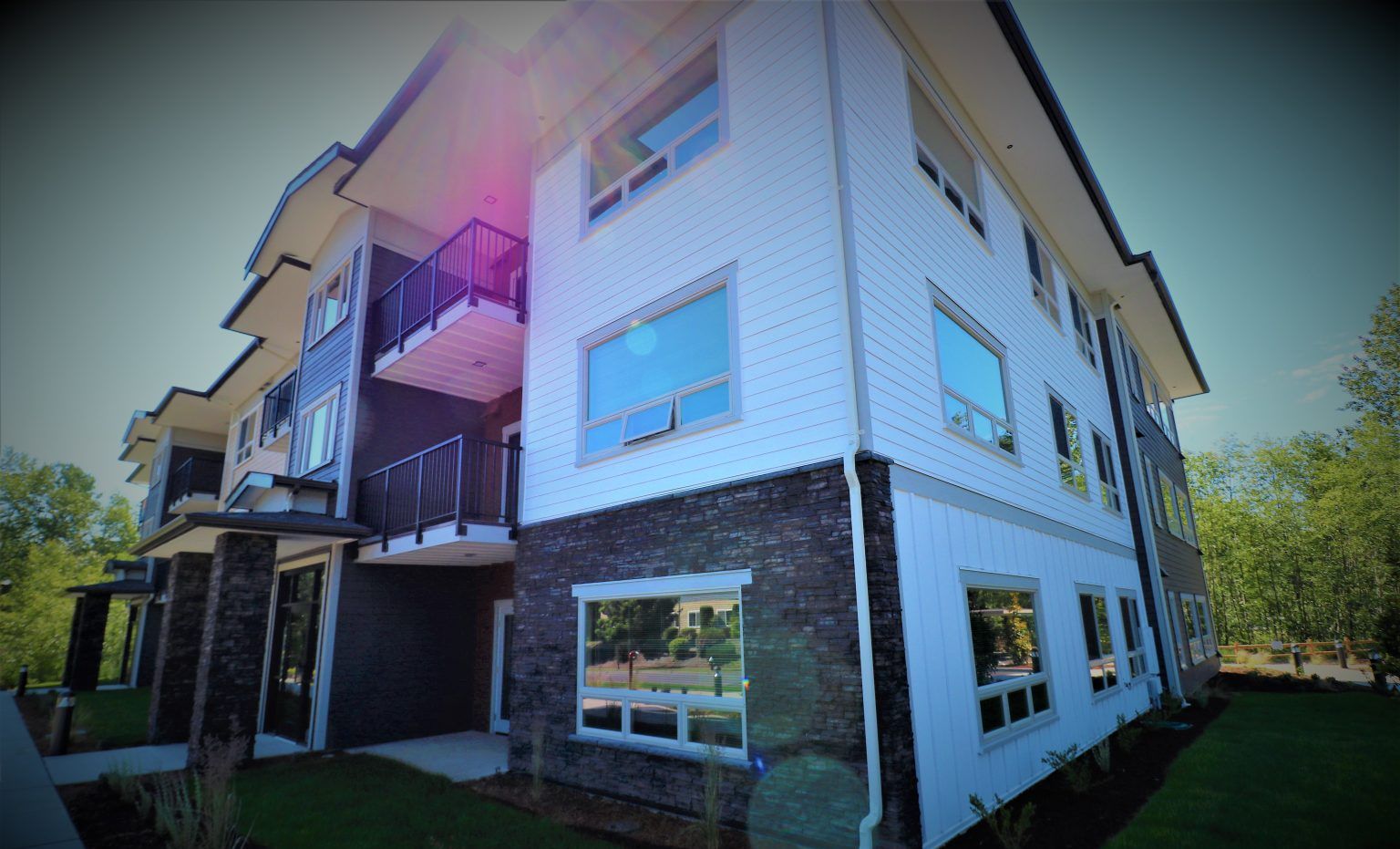
The short version: have your roof, siding, and windows inspected before June, and fix the small problems while they're still small. Once a storm is sitting in the Gulf, every roofer and window installer in Tampa, St. Petersburg, and Clearwater has a full schedule and a growing waitlist, and rushed last-minute work is rarely done as well as work planned months ahead.
Most hurricane damage to homes in this area doesn't come from a single catastrophic failure — it comes from small, existing weaknesses that a storm finds and exploits. A soffit panel that's been slightly loose for two years, a run of caulk around a window that cracked last summer, a handful of roofing nails that backed out half an inch — none of these look urgent in April. Under 90-plus mph gusts, they're often where the failure starts. Wind doesn't just push against a house; it also pulls, and roof edges, soffits, and gable ends take the worst of that uplift. Once wind gets under a soffit or lifts a shingle tab, water follows, and water intrusion during a storm can do more interior damage than the wind itself. Catching these issues in a calm-weather inspection is a different job, and a cheaper one, than dealing with them mid-storm or in the flooded aftermath.
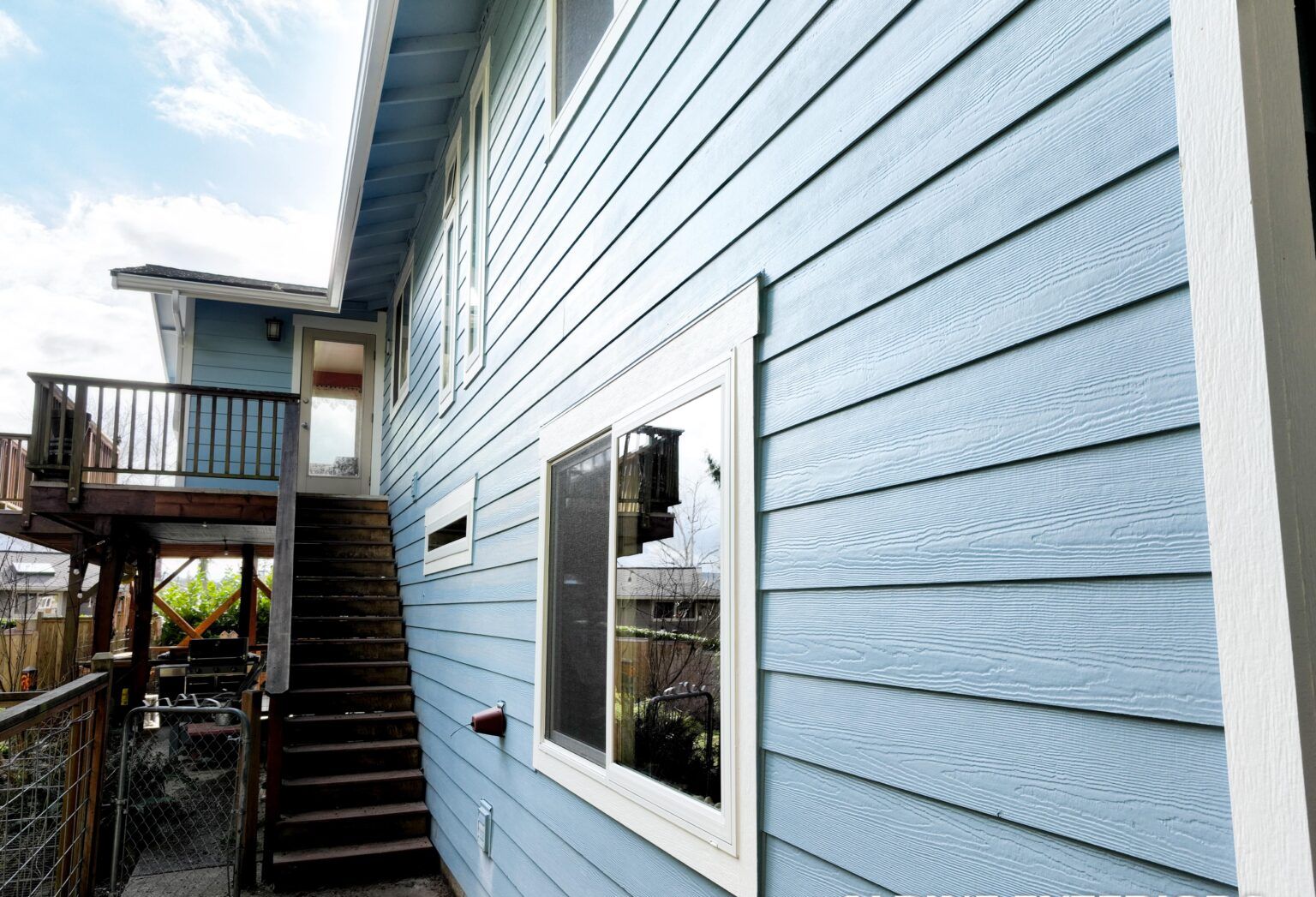
A few conditions specific to this area change how exterior systems age and how they should be prepped. Salt air off Tampa Bay and the Gulf accelerates corrosion on exposed metal fasteners, flashing, and hardware, especially for homes in Apollo Beach and other waterfront pockets that sit closest to open water — screws and clips that would last decades inland can corrode and weaken years sooner here. The region's humidity, which stays high for most of the year, keeps roof decking, soffits, and any trapped moisture behind siding under constant mold and rot pressure; a small leak that would dry out in a drier climate can sit wet for weeks. Florida's UV exposure is also intense and year-round, which degrades sealants, caulking, and vinyl siding faster than in most of the country — chalking, fading, and brittle caulk lines show up well before a homeowner might expect.
The Florida Building Code adds another layer that's specific to this state. Hillsborough and Pinellas counties aren't in the High-Velocity Hurricane Zone (that designation applies only to Miami-Dade and Broward), but much of the Tampa Bay coastline still falls inside a wind-borne debris region under the code, meaning homes within a set distance of the coast, where the ultimate design wind speed meets the threshold, need impact-rated windows and doors or approved shutter protection over every opening. Exactly where that line falls varies by property — a home a mile inland in Tampa may not be in the wind-borne debris region, while one in Clearwater Beach or Apollo Beach almost certainly is. That distinction matters for what a homeowner is required to install and what an insurer will ask about.
Most of this is straightforward, but it has to happen before storm season is already underway, not after a watch is issued.
Worth being honest about: none of this is a one-time fix. Sealant, fasteners, and roofing materials in this climate wear faster than they would in a milder one, so this is a maintenance cycle, not a project you finish once. And impact windows or storm shutters are a real investment — they don't pay for themselves in a single season, and for some homeowners a well-executed shutter plan is the more practical choice over a full window replacement. Alpine Exteriors walks homeowners through that trade-off honestly rather than pushing the more expensive option by default.
Not necessarily. Whether you're required to have impact-rated glass or approved shutters depends on whether your property falls inside the Florida Building Code's wind-borne debris region, which is based on distance from the coast and local wind speed, not simply on having a water view. A home in inland Tampa may fall outside that zone while a home in Clearwater or Apollo Beach closer to the water likely doesn't. It's worth confirming for your specific address rather than assuming either way.
An annual pre-season inspection is a reasonable baseline for most homes in this climate, with an additional check after any named storm that produced sustained winds nearby, even if there's no visible damage from the ground.
Gutter clearing, tree trimming, and a visual walk-around are reasonable DIY tasks. Roof inspections, soffit repair, and anything involving ladder work at the roofline or window flashing are better left to a licensed contractor — both for safety, and because subtle problems, like a soft spot in decking or a compromised flashing seam, aren't always obvious from a homeowner's walk-through.
This is exactly what dated, pre-season photos are for. Insurers routinely distinguish between storm damage and pre-existing wear, and a documented inspection from before the season gives you something concrete to point to instead of relying on memory after the fact.
Waiting until a storm is in the forecast is the most expensive way to handle exterior prep, both in cost and in the quality of work you're likely to get done in a hurry. Alpine Exteriors provides pre-season roofing, siding, and window inspections for homeowners across Tampa, St. Petersburg, Clearwater, and Apollo Beach, and can walk through what your specific property actually needs — not a generic checklist. If it's been more than a year since your last inspection, now is the time to schedule one, not after the next storm forms.