
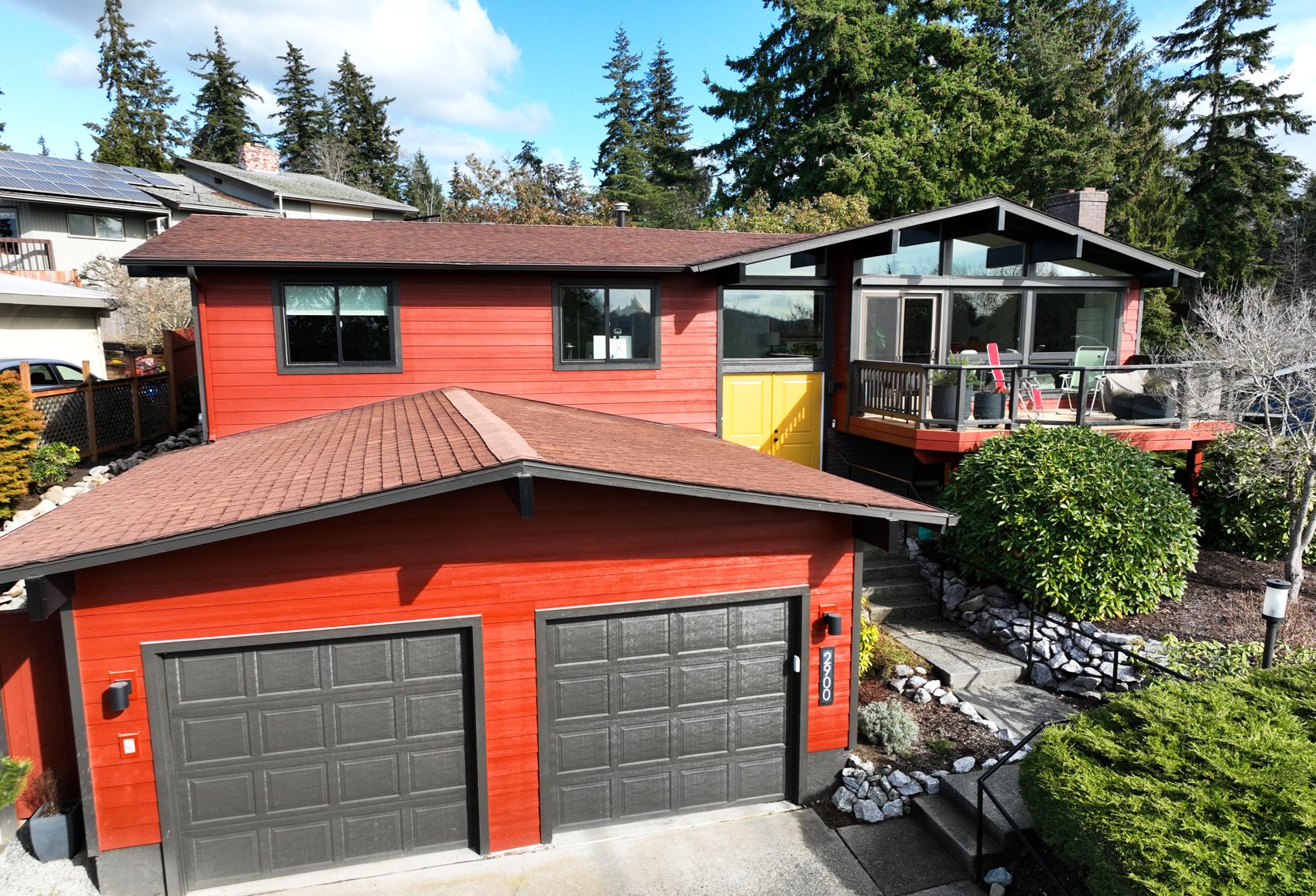
A four-point inspection is a limited property inspection that checks the condition of four systems — roof, electrical, plumbing, and HVAC — and is almost always ordered by a homeowners insurance company, not the homeowner. In Florida, insurers typically require one once a home passes roughly the 25-to-30-year mark, or whenever a policy is renewed after a lapse or a change in carrier.
Unlike a full home inspection you might get before buying a house, a four-point inspection is narrow by design. A licensed inspector, contractor, or adjuster fills out a standardized form for the insurer and looks at:
The inspector isn't grading the house on curb appeal or cosmetic wear. They're answering one question for the insurance company: is this system likely to fail and cause a claim in the near future? The report usually comes back with a straightforward pass, a pass with conditions, or a list of items that need to be corrected before the policy can be issued or renewed.
It's worth being clear about what this is not. A four-point inspection is not a wind mitigation inspection, which is a separate report that documents roof shape, roof-to-wall connections, and opening protection to earn premium discounts. Homeowners often order both at the same time since the same visit can sometimes cover both, but they serve different purposes and go on different forms.
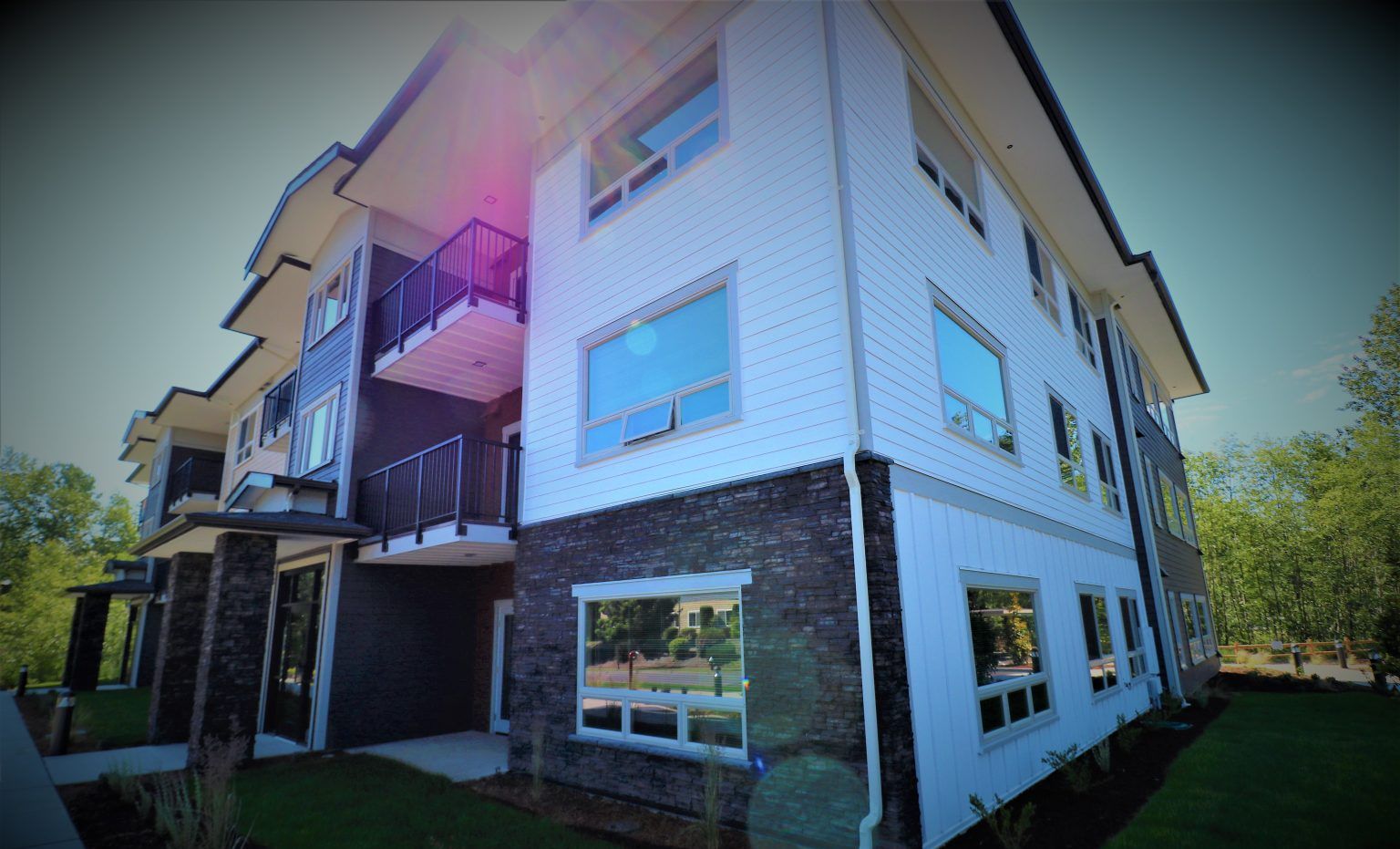
Four-point inspections exist everywhere in Florida, but Tampa Bay's specific conditions shape what actually shows up on the report. Homes here sit under Florida Building Code wind provisions written for hurricane exposure, so inspectors pay close attention to roof attachment and covering — a roof that's structurally sound but past its expected service life is one of the most common reasons a report comes back with conditions attached.
Salt air is a bigger factor than most inland homeowners expect, especially for houses in Apollo Beach, along the Clearwater and St. Petersburg waterfront, and anywhere within a few miles of Tampa Bay itself. Airborne salt accelerates corrosion on roof fasteners, flashing, electrical panel components, and HVAC condenser coils faster than the same equipment would age in a dry inland climate. An inspector who knows the area will look harder at metal fasteners and panel hardware on a coastal-adjacent home than they would forty miles inland.
Humidity is the other constant. Tampa Bay's combination of heat and moisture puts real pressure on attic ventilation, flashing details, and any roof penetration that isn't sealed correctly — a small deficiency that might sit quietly for years in a drier climate can turn into a leak, then rot, then mold, much faster here. Inspectors know this and tend to flag marginal flashing or ventilation issues that a less humid market might let slide. Add in UV exposure that shortens the visible lifespan of asphalt shingles and ages roof sealants faster than the manufacturer's climate-neutral estimates suggest, and it's easy to see why roof age is the single most common trigger for a conditional four-point report in this market.
Start by finding out what your specific insurer requires — the age threshold and the acceptable list of exceptions (like certain electrical panel brands) vary by carrier, so a generic checklist off the internet isn't a substitute for calling your agent. Once you know a four-point is coming, walk the roof and attic yourself, or have someone qualified do it, before the inspector shows up. Cracked or missing shingles, exposed fasteners, and visible rust streaks near vents are the kinds of things that turn a clean pass into a conditional one.
If your roof is old enough to be the reason the inspection was triggered in the first place, get an honest opinion on remaining life before you spend money on the inspection itself. Alpine Exteriors can walk a roof and give homeowners in Tampa, St. Petersburg, Clearwater, and Apollo Beach a straight read on whether a roof will likely pass, needs targeted repair, or is genuinely at the end of its service life — that's a roofing and siding contractor's job, not an insurance inspector's, and it's worth doing before you pay for the official report. Be aware this is a real limitation: a contractor can assess and repair the roof, but the four-point form itself has to be completed by whoever your insurer accepts as a qualified inspector, which is sometimes a licensed contractor and sometimes a dedicated inspection company — check with your carrier first.
If the report comes back with conditions, don't assume the whole roof needs replacing. Many items — a section of missing flashing, a corroded electrical connection, a handful of damaged shingles — can be corrected for less than a full replacement. Get a second opinion before committing to the larger job, and keep the receipts and photos of any corrective work; some insurers want documentation that the flagged items were actually fixed, not just an assurance that they will be.
Not always — it depends on the age of the home and the insurer's own underwriting rules. Newer homes are frequently exempt, while older homes almost always need one before a policy is written or renewed. Ask your agent directly rather than assuming based on a neighbor's experience, since requirements differ by carrier.
This also varies by insurer, but many treat a report as good for a set number of years before a fresh one is required, and some ask for a new one anytime you switch carriers. Confirm the specific window with your agent rather than assuming it carries over automatically.
Not necessarily fail, but it will almost always get flagged as a condition to correct. Given how quickly humidity turns a small leak into a larger repair in this climate, it's usually cheaper to fix it before the inspection than to deal with both the insurance conditions and the water damage later.
Alpine Exteriors is a siding, roofing, and window contractor, not an insurance inspection service, so we don't complete the official four-point form. What we do well is assess and repair the roofing issues that most often cause a report to come back with conditions, before or after your inspector's visit — check with your insurer about who they accept to complete the form itself.
If a four-point inspection is coming up and you're not sure whether your roof will hold up under it, Alpine Exteriors serves homeowners across Tampa, St. Petersburg, Clearwater, and Apollo Beach with honest roof assessments and repairs sized to what the home actually needs. Reach out and we'll take a direct look before you're stuck reacting to a conditional report.