
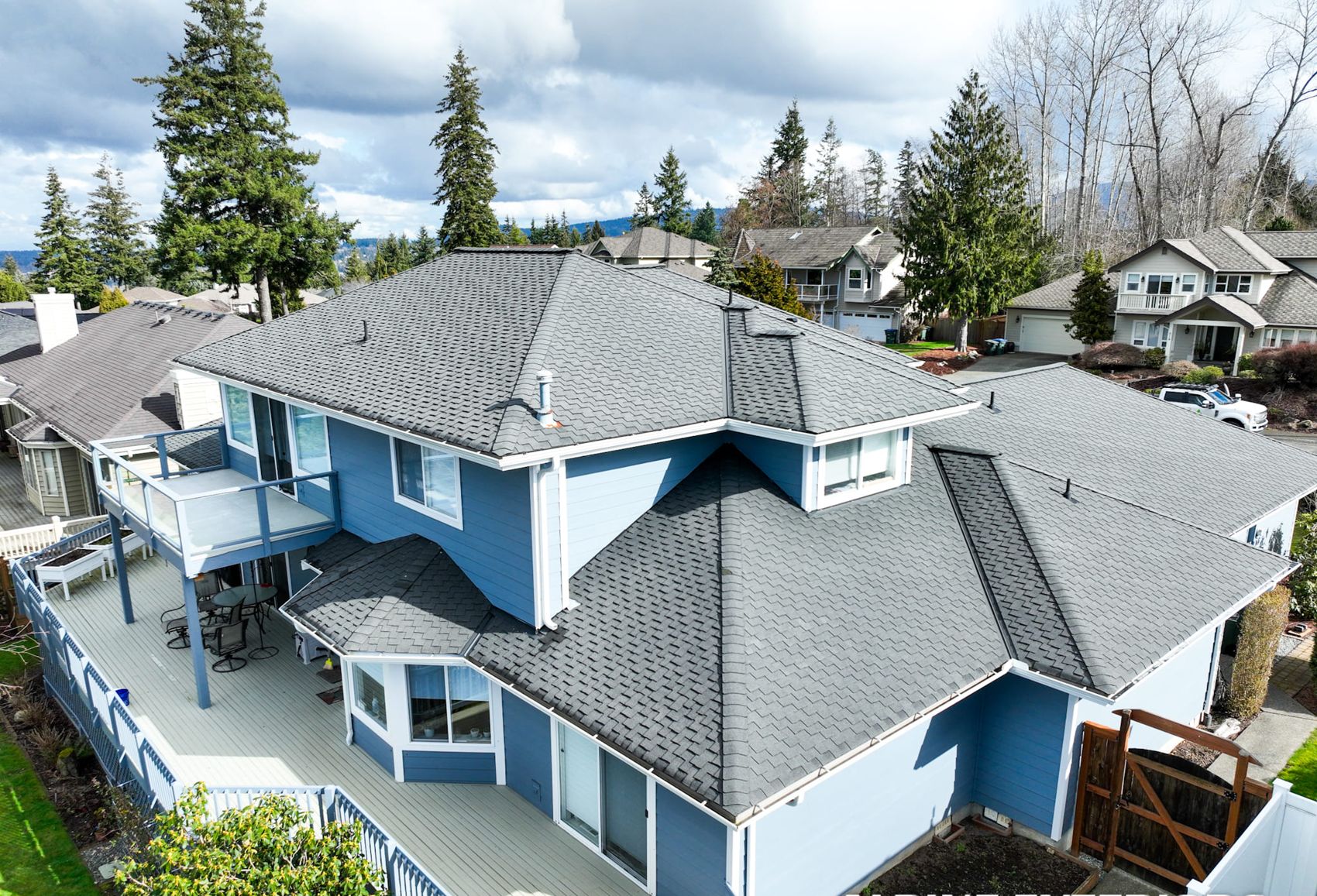
In Tampa, St. Petersburg, Clearwater and Apollo Beach, the right siding choice usually comes down to how much wind and salt exposure your home actually sees. Homes on or near the water — waterfront lots in Apollo Beach, beachside streets in Clearwater, bay-facing blocks in St. Pete — hold up better long-term with fiber cement, because it resists moisture intrusion and won't degrade from salt spray the way lower-grade vinyl can. For inland homes in Tampa or Pinellas County neighborhoods set back from open water, a quality, wind-rated vinyl product is a reasonable and more budget-friendly option. Neither material is wrong; the mismatch happens when a thin, low-end vinyl panel goes up on a wind-exposed, salt-air lot, or when fiber cement gets installed without the flashing and moisture detailing Florida's humidity demands.
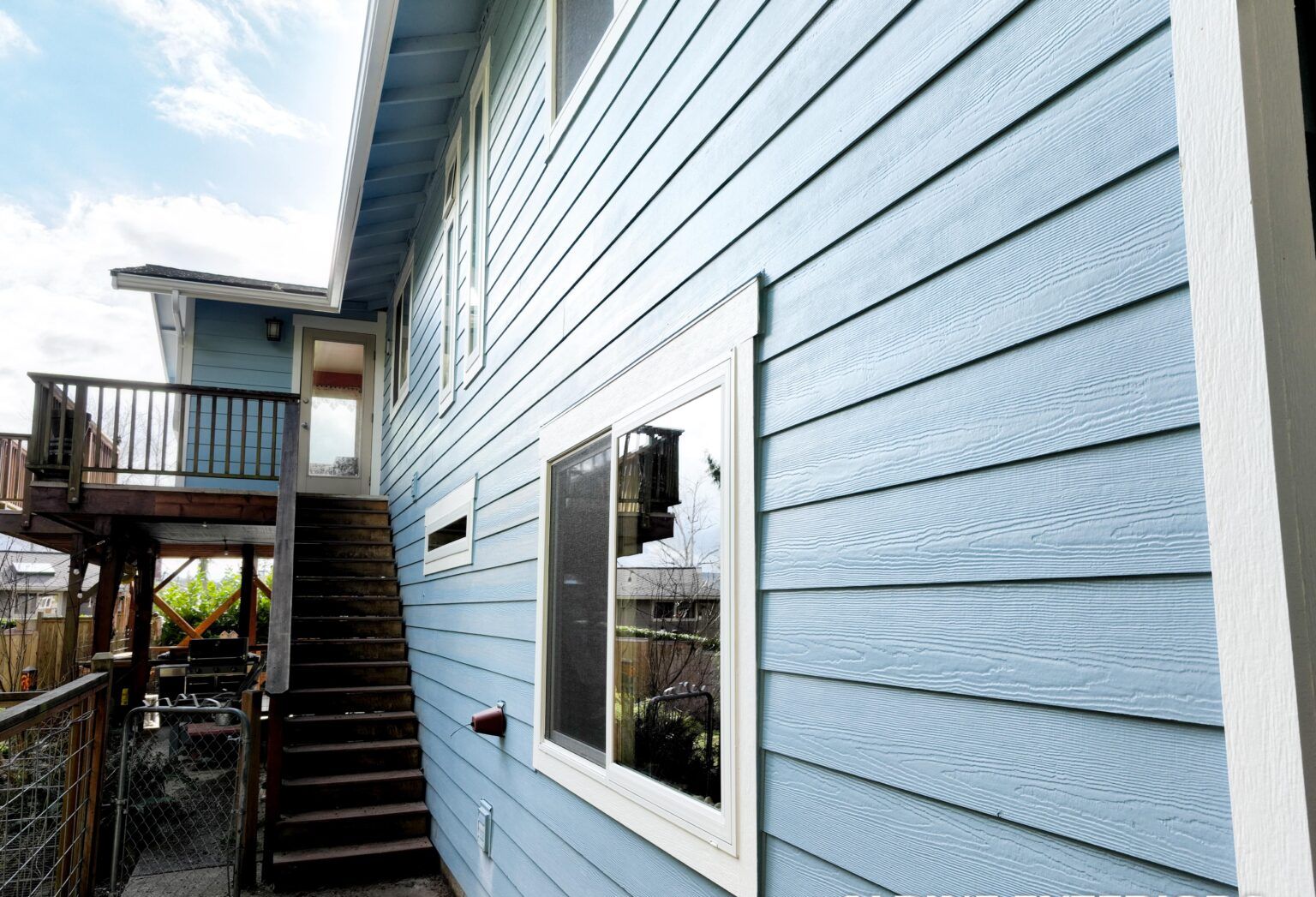
Fiber cement is a blend of cement, sand and cellulose fibers, pressed into planks or panels and finished with a factory-applied coating. It doesn't rot, it isn't attractive to termites or carpenter ants, and it holds paint and color far longer under intense Florida UV than most plastic-based products. Because it's dense and rigid, it also performs well against wind-borne debris impact, which matters on homes exposed to open water or unobstructed wind runs. The tradeoffs are real: it's significantly heavier than vinyl, so installation takes a larger crew, proper fastening patterns, and more labor time. It costs more upfront. It will eventually need recaulking at joints and trim, and most fiber cement siding needs repainting on a longer cycle than people expect it not to need any maintenance at all. It can also crack under a hard, concentrated impact, though it doesn't dent the way vinyl does. Installation quality matters enormously in a humid climate — if the water-resistive barrier, flashing, and gapping aren't done correctly, moisture can get trapped behind the panels regardless of how good the siding itself is.
Vinyl's biggest advantages are cost and simplicity — it's less expensive to buy and faster to install, it never needs painting, and it won't rot or feed pests. Modern Florida-rated vinyl products are tested for wind pressure and impact resistance under Florida Building Code product approval, and a properly rated, thicker-gauge panel performs decently in typical Tampa Bay wind exposure. The drawbacks show up over time and under sun. Florida's UV load is intense and year-round, and vinyl — especially darker colors, which absorb more heat — can fade, chalk, or in some cases warp or distort, particularly on south- and west-facing walls. Thin, builder-grade vinyl is also more prone to cracking in a wind event and to being pried loose at the edges if it isn't properly rated and fastened. Vinyl itself doesn't grow mold, but because it's a cladding, not a barrier, poor installation behind the panel — inadequate house wrap, missing flashing, no drainage gap — can let humidity reach the sheathing, which is a moisture-management problem, not a vinyl-specific one.
Cost: Vinyl is less expensive both in material and labor — it's lighter, faster to hang, and requires no finishing. Fiber cement costs more on both counts because of its weight, the specialized blades and fasteners it requires, and the crew time involved.
Lifespan: Both can last decades when installed correctly, but they age differently in this climate. Vinyl's service life is often shortened here by UV exposure and heat rather than by moisture — color fade and heat-related distortion are the common failure points. Fiber cement tends to hold its structural integrity longer under Florida sun and salt air, provided the paint finish is maintained and joints are recaulked on schedule.
Maintenance: Vinyl is close to maintenance-free — an occasional rinse handles pollen, dust, and salt film. Fiber cement needs periodic inspection of caulked joints and, eventually, repainting; homes near open water benefit from rinsing salt residue off any siding material more frequently than inland homes.
Appearance: Fiber cement offers deeper color saturation, more authentic wood-grain and shake textures, and a wider range of trim and board profiles, which is why it's common on craftsman and coastal-style Tampa Bay homes. Vinyl has improved in texture and color range but still reads as more uniform and can look washed out after a few Florida summers, especially in darker tones.
If your home sits directly on Tampa Bay, near the Intracoastal in Clearwater, on a canal in Apollo Beach, or anywhere with regular direct salt spray and open wind exposure, fiber cement is generally the more durable long-term investment, and it holds up to Florida Building Code wind-load and impact requirements with margin to spare when installed correctly. If you're further inland — much of central Tampa, parts of St. Petersburg away from the waterfront — a wind-rated, Florida product-approved vinyl siding can be a sound, lower-cost choice, particularly on rental property or homes where budget is the primary driver. What matters most in either case is the installation: correct house wrap, flashing at every penetration, and fastening to the manufacturer's wind-rated spec. Alpine Exteriors installs both materials to those standards across Tampa, St. Petersburg, Clearwater and Apollo Beach, and can walk your specific lot's wind and salt exposure with you before you commit to either one.
Does the Florida Building Code require a specific siding material?
No. The code doesn't mandate fiber cement or vinyl specifically — it sets wind-load and, in wind-borne debris regions along the coast, impact requirements that any approved siding product must meet. Both materials have products on the market that meet these standards; the key is confirming the specific product and installation method are rated for your address's wind exposure.
Will vinyl siding melt or warp in Florida heat?
Standard vinyl can distort under sustained, intense heat, most often on dark-colored panels on sun-facing walls or near reflective surfaces like grills or window tint. Lighter colors and higher-quality, thicker vinyl are far less prone to this than thin, dark, budget panels.
How does salt air affect fiber cement versus vinyl?
Salt air itself doesn't corrode either material the way it does metal, but salt residue that isn't rinsed off can accelerate finish wear on both. Fiber cement's factory finish and paint generally tolerate long-term salt exposure well when maintained; vinyl doesn't corrode but its color can dull faster in heavy salt-and-sun combinations.
Can I mix siding types on the same house?
Yes — it's common to see fiber cement on the street-facing elevation for appearance and vinyl on secondary elevations for cost, or fiber cement used as accent siding with vinyl as the field material. It just needs to be detailed correctly where the two materials meet so water doesn't get trapped at the transition.
Every lot around Tampa Bay carries a different mix of wind exposure, sun, and salt air, so the right siding call really does depend on your specific address. Alpine Exteriors offers on-site evaluations for homeowners in Tampa, St. Petersburg, Clearwater and Apollo Beach — bring us your address and we'll give you a straightforward read on which material fits, what it will take to install it to code, and what real maintenance to expect over the years ahead.