
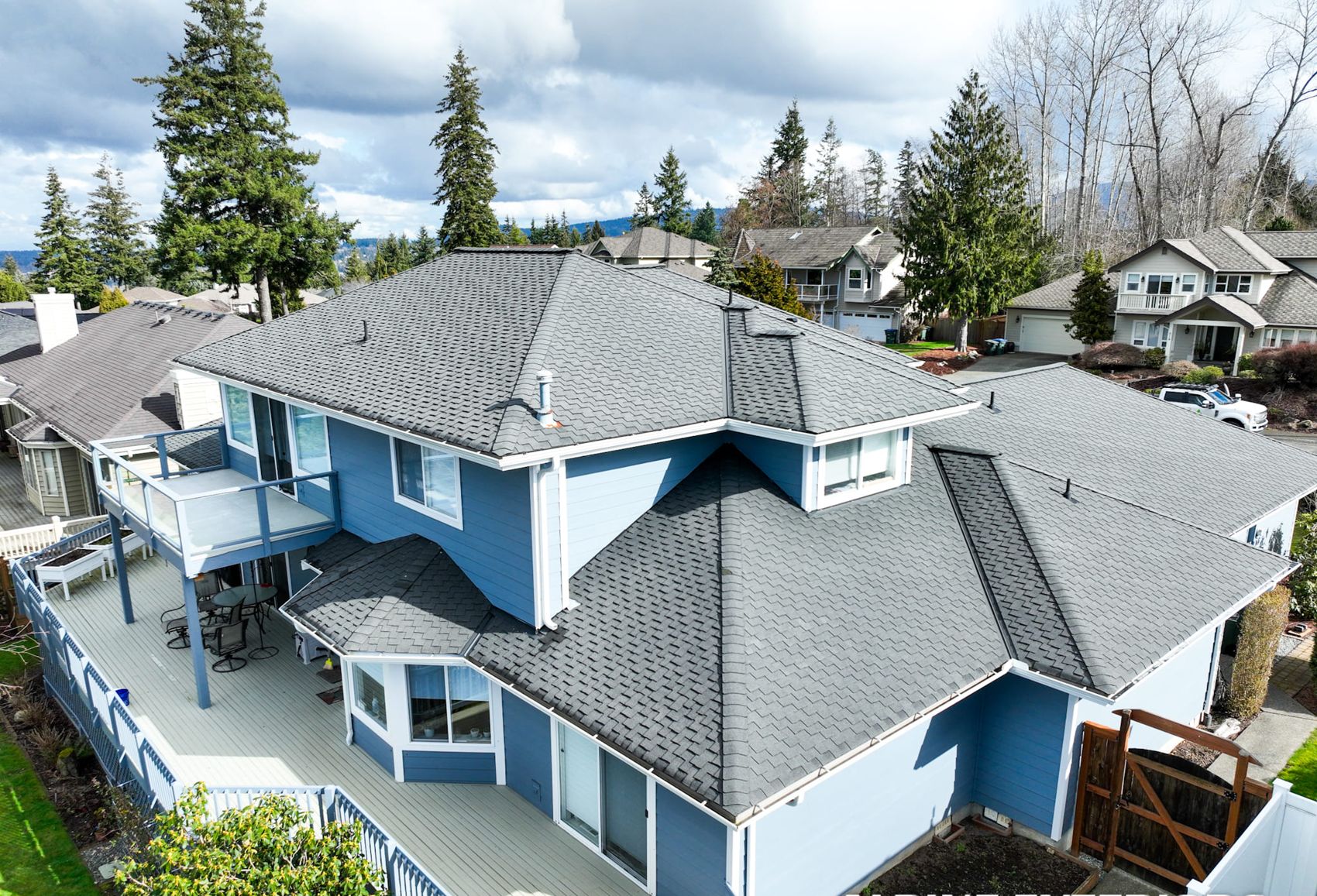
Lakefront homes around Lutz and Land O' Lakes need siding rated for more wind exposure and more sustained moisture than a comparable house a mile inland, because open water in front of the house removes the tree and rooftop buffering that would otherwise slow the wind down. Fiber cement and heavier-gauge insulated vinyl, both carrying a valid Florida Product Approval for the wind speed at the site, are the two materials that consistently hold up on these lots when the installation is done correctly.
That second half of the sentence matters as much as the first. A lot of siding failure on lakefront property in this area isn't a material problem at all — it's a fastening, flashing, or house-wrap detail that was fine for a sheltered inland lot and undersized for a lot with open water fetch on one side.
Chain-of-lakes communities in Lutz and Land O' Lakes — around Lake Thomas, Lake Padgett, Crystal Lake, Lake Saxon, and the smaller ponds threaded through these neighborhoods — put a house in a slightly different wind environment than the same house set back in a wooded subdivision. Wind that crosses open water accelerates and hits the lake-facing wall of the house with less turbulence to slow it down, which is exactly the kind of load the Florida Building Code's wind speed maps and exposure categories are built to account for. Panel and fastener schedules that are code-minimum for an interior, tree-shielded lot can be undersized for a direct lake-facing elevation, so the installer should be pricing and fastening to the exposure category the lot actually presents, not a default.
Humidity is the second factor, and it's a near-constant one in this part of Florida. Evaporation off open water keeps the air right at the shoreline more saturated than it is a few hundred feet back, and that moisture load sits against the house for more hours of the day than most homeowners assume. Siding systems that don't drain and dry properly behind the cladding — poor house wrap laps, missing weep paths, caulk used as the primary water seal instead of proper flashing — are where mold, wood rot in the sheathing, and swollen trim show up first, and they show up here faster than they would on a dry inland lot. Add in UV exposure that's intense across the entire Tampa Bay area and reflected back up off open water for lakefront elevations specifically, and color fade or chalking on lower-grade vinyl tends to be visible sooner on the lake side of these houses than on the street side.
Termites are a standing concern for any wood-frame structure in this part of Florida, and subterranean termite pressure tends to track with moisture and mulched or heavily irrigated landscaping — both of which are common on lakefront lots that get extra watering to keep grass green down to the shoreline. Siding installed tight to grade, or with trim that traps moisture against untreated wood, gives termites an easier path into the wall assembly. This isn't a lakefront-specific problem, but it's a real one, and it's worth confirming your contractor is leaving the code-required clearance and not burying the bottom edge of the siding in mulch or sod.
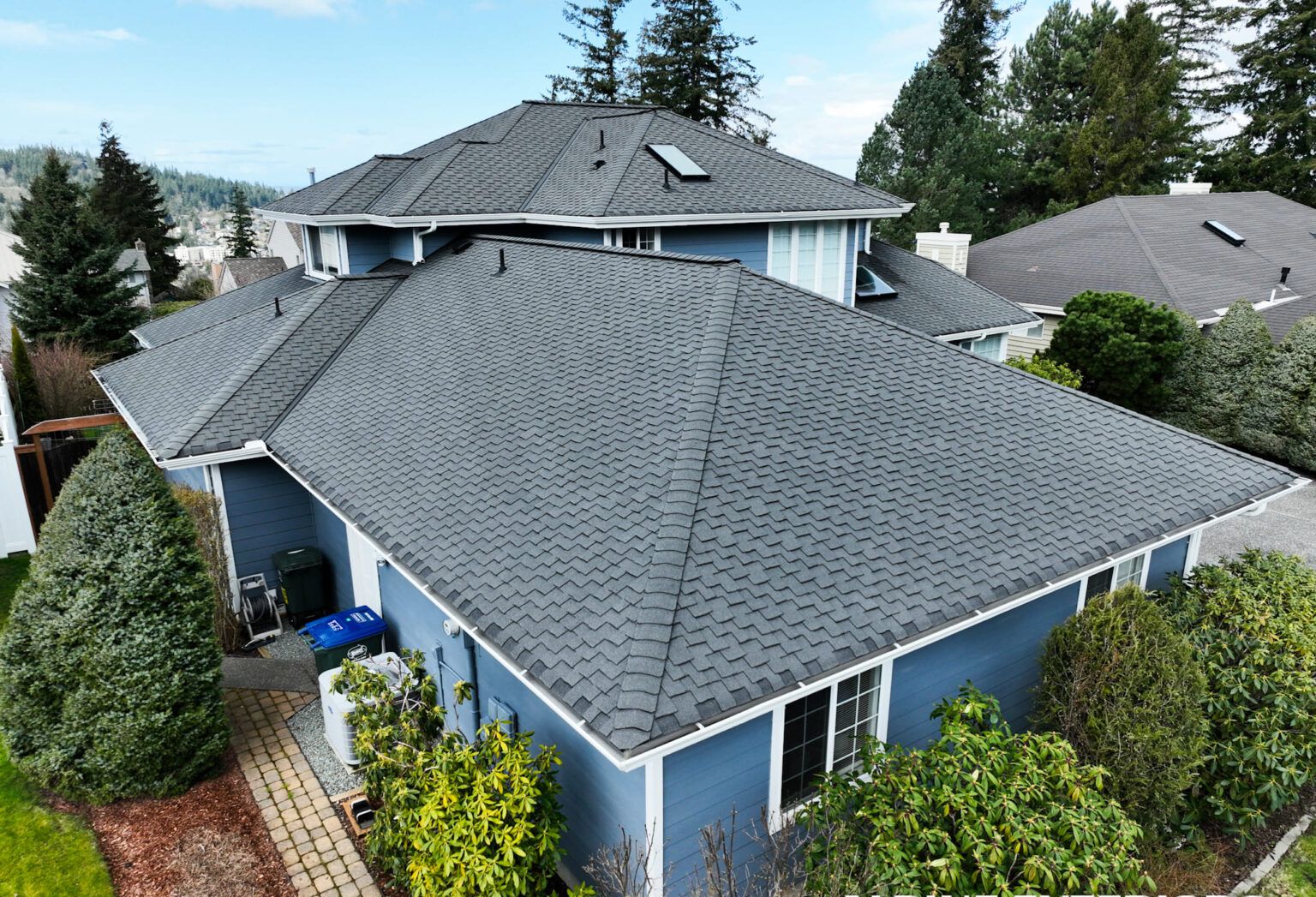
Lutz and Land O' Lakes are inland freshwater lake communities, not Gulf-front property, so the salt-air corrosion that drives material choices in places like Clearwater Beach isn't the main issue here — the wind, water-driven humidity, and sun exposure are. That distinction matters when you're comparing quotes, because some contractors will spec a coastal-grade fastener package priced for salt exposure that this area doesn't actually need, while others undersize the wind rating because they're treating a lakefront lot like any other suburban address.
One detail that's genuinely specific to this pocket of Pasco and northern Hillsborough County: a lot of these lakefront homes irrigate from private wells rather than municipal water, and Florida well water in this area often carries enough dissolved iron to leave rust-colored staining on siding, trim, and driveways wherever a sprinkler head hits the wall. It's a maintenance issue, not a structural one, but it's worth knowing before you pick a light-colored siding finish for a wall that a sprinkler zone sprays directly. Older tree canopy on some of the more established lakefront lots also means more leaf litter and moisture sitting in siding laps and gutters than a newer, more open subdivision would see, which is another reason drainage details behind the cladding matter more here than the marketing brochures usually mention.
Start by asking any contractor bidding the job for the Florida Product Approval number (FL#) on the specific siding product they're proposing, and confirm it's rated for the wind speed and exposure category that applies at your address — not a blanket number they quote on every job. For a direct lake-facing wall with real open-water fetch, ask specifically whether they're treating that elevation as a higher exposure category than the rest of the house.
On cost, fiber cement lap siding for a typical single-family lakefront home in this area generally runs in the range of $9–$16 per square foot installed, depending on trim detail and the number of elevations facing the water, while a quality insulated vinyl system tends to land somewhat lower, roughly $6–$11 per square foot installed. Fiber cement holds paint and color longer under this region's UV load and handles wind-driven debris better, but it's heavier, costs more to install, and needs repainting on a cycle most vinyl never requires. Vinyl is lighter and lower-maintenance day to day, but lower grades can show heat distortion or UV fade faster on a south- or west-facing lake wall than they would on a shaded elevation. Neither material is wrong for this area — the honest answer is that the choice usually comes down to how much repainting maintenance you're willing to take on versus a somewhat higher upfront cost.
If your home's rear or side elevation faces open water with no structures or mature trees breaking up the wind path, that wall genuinely sees higher effective wind loads than a sheltered elevation on the same street, and it's reasonable to ask your contractor to size fastening and product approval for that exposure specifically rather than applying one spec to the whole house.
A properly rated, code-compliant vinyl system can perform well on most lakefront lots in Lutz and Land O' Lakes. Fiber cement generally holds up better under sustained direct sun on a south- or west-facing lake wall and takes wind-driven debris impact better, but it costs more and requires periodic repainting, so the right choice depends on your maintenance tolerance and budget as much as the lot itself.
It can, but the discount is determined by your insurer through the state's wind mitigation inspection process, not by the siding brand alone. Getting an updated OIR-B1-1802 wind mitigation form completed after installation, reflecting the new opening protection and fastening, is the step that actually triggers any premium credit — new siding without that paperwork won't automatically change your rate.
That's almost always iron in well water, which is common on private wells throughout this part of Pasco and northern Hillsborough County. It's a cosmetic staining issue rather than a sign of siding failure, and it's usually best addressed by redirecting sprinkler heads away from the walls and washing the affected area periodically.
Alpine Exteriors is a licensed Florida contractor (RB29003900) serving Tampa, Wesley Chapel, Lutz, Land O' Lakes, New Port Richey, Plant City, and Zephyrhills, and we look at wind exposure, drainage detailing, and product approval on every lakefront job the same way we've described here — not as an afterthought after the color is picked. If you own a lakefront home in Lutz or Land O' Lakes and want a straight assessment of what your specific lot needs, contact Alpine Exteriors for an on-site evaluation and a written estimate that spells out the product approval, fastening, and flashing details for your home.