
A wind mitigation inspection is a standardized, non-invasive check of the storm-resistant construction features already built into your home — things like your roof shape, how the roof deck is nailed down, and whether the roof-to-wall connections use metal clips or straps instead of nails alone. It is not a home inspection, a code inspection, or a pass/fail test. It is a fact-finding report that Florida insurers use to calculate wind-related premium credits on a homeowners policy.
The inspection follows a form set by the Florida Office of Insurance Regulation (OIR-B1-1802), and every licensed inspector fills it out the same way, checking the same seven or eight categories. The inspector reviews your roof covering type and its permit date, then usually goes into the attic to look at how the roof deck is fastened to the trusses or rafters — a wider nail spacing scores lower than a tighter, code-compliant pattern. From there they document the roof-to-wall connections at the truss-to-top-plate line: simple toe-nails score the lowest, clips score higher, and wrapped straps score the highest, provided they were actually installed correctly and are still intact.
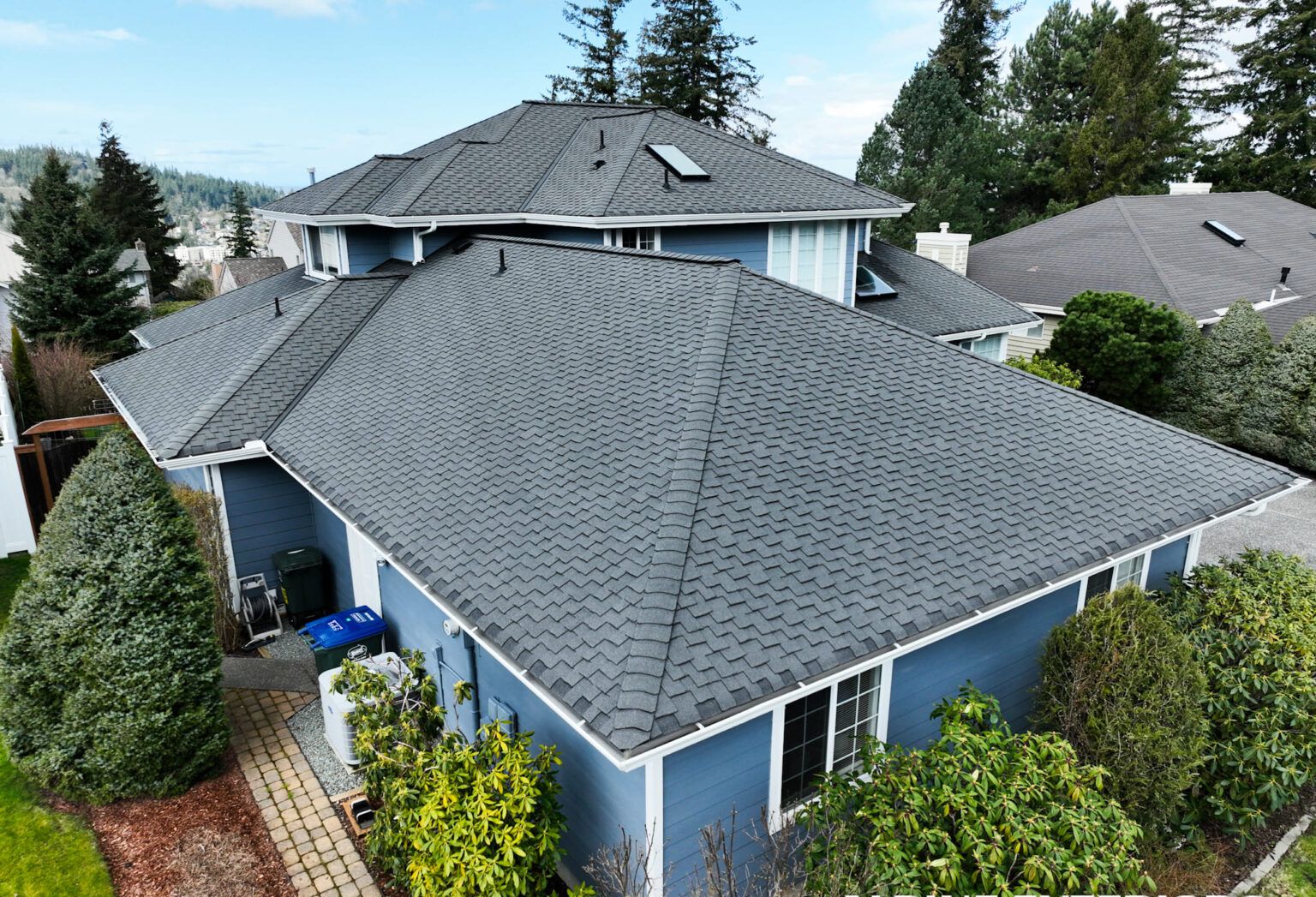
The inspector also records your roof geometry — a hip roof (sloping on all four sides) sheds wind more efficiently than a gable roof and scores better — along with whether a secondary water resistance layer sits under the shingles or tile, and whether your windows, doors, skylights, and garage door are protected against wind-borne debris, either by impact-rated glass or code-rated shutters. Every finding gets photographed. The completed form is signed and dated, then handed to you to pass along to your insurance agent, who applies whatever credit your specific carrier's filed rate table assigns to each feature. The inspector doesn't set the discount amount; the insurer does.
Several things about this region change how the inspection plays out in practice. First, the wind loads themselves: homes here are built to withstand hurricane-force winds, and coastal stretches of Pinellas and Hillsborough counties — Clearwater, St. Petersburg, and the bayfront parts of Tampa and Apollo Beach — fall inside Florida's wind-borne debris region under the Florida Building Code. That designation is exactly what the opening-protection line item on the wind mitigation form is checking for, so it carries more weight here than it would inland.
Second, salt air. Homes near Old Tampa Bay, the Intracoastal, or the Gulf beaches sit in a more corrosive environment than homes twenty miles inland. The metal clips and straps the inspection is scoring can rust faster near saltwater, and a connector that was installed correctly a decade ago may have degraded enough to change how it's scored today. This is one of the more common surprises homeowners run into — the connection type on paper, from an old permit, doesn't always match its actual condition in the attic.
Third, humidity and mold pressure affect the inspection indirectly. Florida's year-round humidity means attics here see more moisture cycling than drier climates, and compacted or water-stained insulation can obscure the nailing pattern an inspector needs a clear view of. When an inspector can't get a confident read, they're required to score conservatively, which can cost you credit even if the underlying construction is fine.
Fourth, intense UV. Sun exposure this strong shortens the service life of roof coverings faster than in cooler climates. Roof age doesn't appear as its own line on the wind mitigation form, but many insurers now require a separate four-point or roof-condition inspection alongside it, and the two often get scheduled together — so a roof nearing the end of its expected life can complicate the picture even when the wind mitigation features themselves are sound.
A few practical steps make the process worth the time and cost:
If the report comes back lower than you'd hoped, the fix is construction, not paperwork, and it's usually more cost-effective to plan it around a project you're already doing rather than as a standalone job. If you're re-roofing, installing hurricane clips or wrap straps at the same time is a reasonable add. If you're replacing windows or doors, choosing impact-rated products addresses the opening-protection line directly. Alpine Exteriors works on roofing, siding, and window projects across Tampa, St. Petersburg, Clearwater, and Apollo Beach, and can walk through which upgrades on a given job are likely to affect a wind mitigation score — though the official inspection itself has to come from an independent inspector to count for insurance purposes.
No. The roof covering date and permit matter, but roof-to-wall connections, roof shape, secondary water resistance, and opening protection are scored separately and don't change just because the roof covering is new. A new roof is a good time to address the other categories, but each one needs to be verified on its own.
Most Florida insurers accept a wind mitigation report for around five years or until a material change to the home, such as a reroof, whichever happens first. Acceptance windows vary by carrier, so it's worth checking directly with your agent rather than assuming.
State law allows licensed home inspectors, general contractors, engineers, architects, and building code inspectors to perform and sign the form. It's worth using someone who isn't also selling you the repairs the inspection might recommend, to keep the findings objective.
No. The report only documents features; each insurer decides independently how much credit to apply, based on its own filed rate tables, and some carriers weight certain features more heavily than others. In a small number of cases, an inspection can also surface an issue — like unprotected openings — that a carrier factors into pricing in a way a homeowner didn't expect.
If you're planning a roof, siding, or window project anywhere from Tampa to Apollo Beach and want to understand how it might affect a future wind mitigation inspection, Alpine Exteriors can talk through the options as part of the estimate. We install roofing, siding, and window systems built for Tampa Bay's wind, sun, and salt air, and we're glad to explain what a given upgrade does — and doesn't — change on the wind mitigation form before you commit to it.