
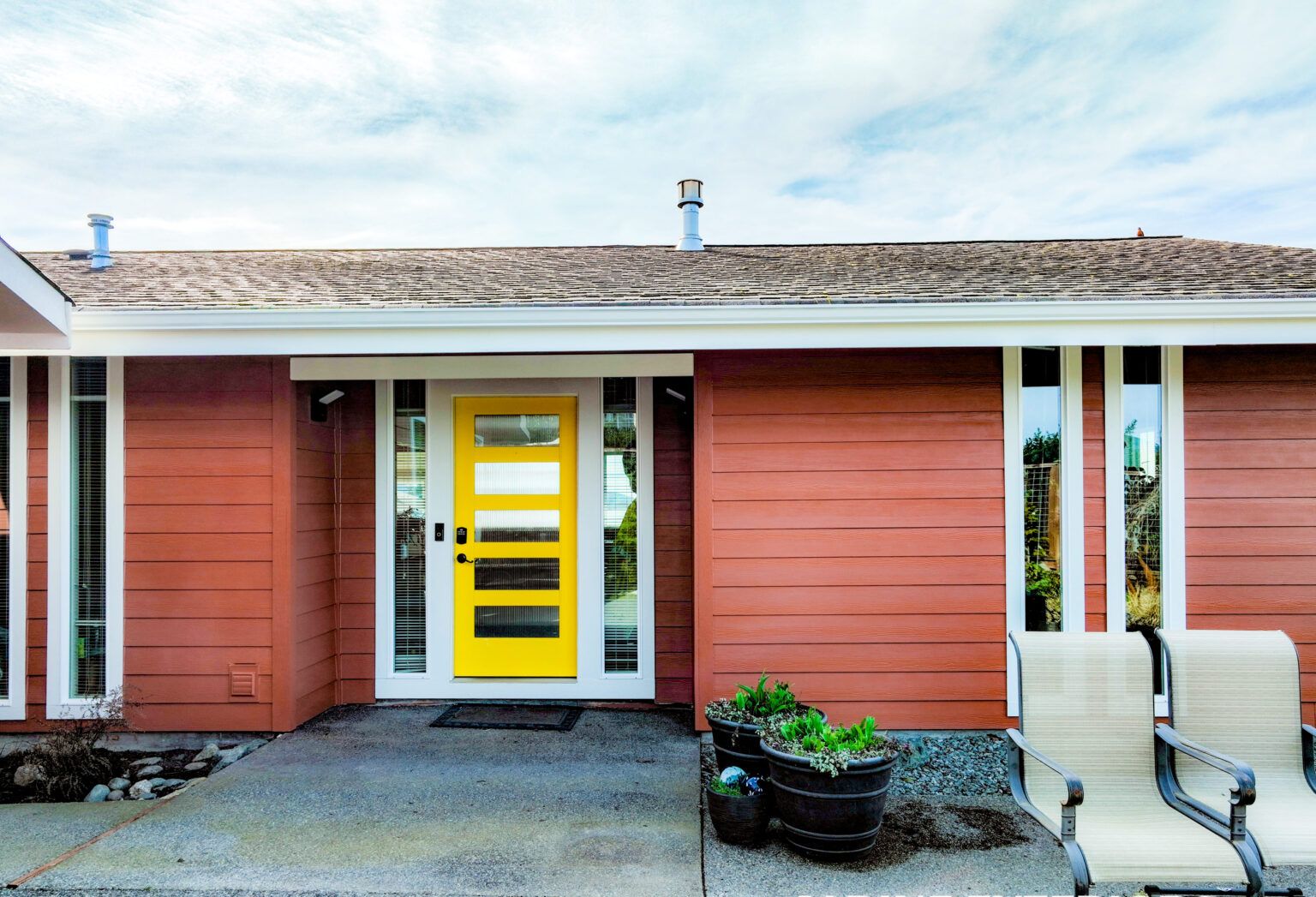
In the Tampa Bay area, well-installed vinyl siding typically holds up for somewhere in the range of 15 to 25 years before it needs replacing, with better-grade products landing on the higher end of that window and budget-grade panels on the lower end. That's shorter than the 30-40 year figures you'll see quoted in siding brochures written for milder climates, and the gap comes down almost entirely to what Florida does to a wall that a national estimate doesn't account for.
Vinyl doesn't fail all at once. It fades, chalks, warps, or pulls loose from its fasteners gradually, and by the time it's visibly damaged it has usually already lost some of its useful life. The honest answer is that “how long will it last” depends more on installation quality and sun exposure than on the brand printed on the panel.
Vinyl siding is an extruded PVC product, and PVC has a few well-known weaknesses that show up faster in some climates than others. Heat and UV radiation break down the plasticizers that keep the material flexible, which is why older vinyl gets brittle and prone to cracking from impacts that wouldn't have bothered it when new. Color plays a real role here — darker panels absorb more heat and fade faster, and manufacturers often limit warranty coverage on their darkest colors for exactly this reason.
Installation quality matters as much as the material itself. Vinyl siding is designed to expand and contract with temperature swings, so it has to be hung with room to move — nailed loosely enough to float in its track, not fastened tight the way wood siding is. Panels installed too tight will buckle and warp within a few years no matter how good the product is. Panels installed with gaps too wide, or without proper flashing behind seams and around windows, let wind-driven rain get behind the siding, which shows up later as soft sheathing, mold, or panels popping loose in a storm.
Orientation matters too. A wall facing west or south in full Florida sun will fade and degrade faster than a shaded, north-facing wall on the same house — it's common to see a visible color difference between sides of the same home after a decade or so.
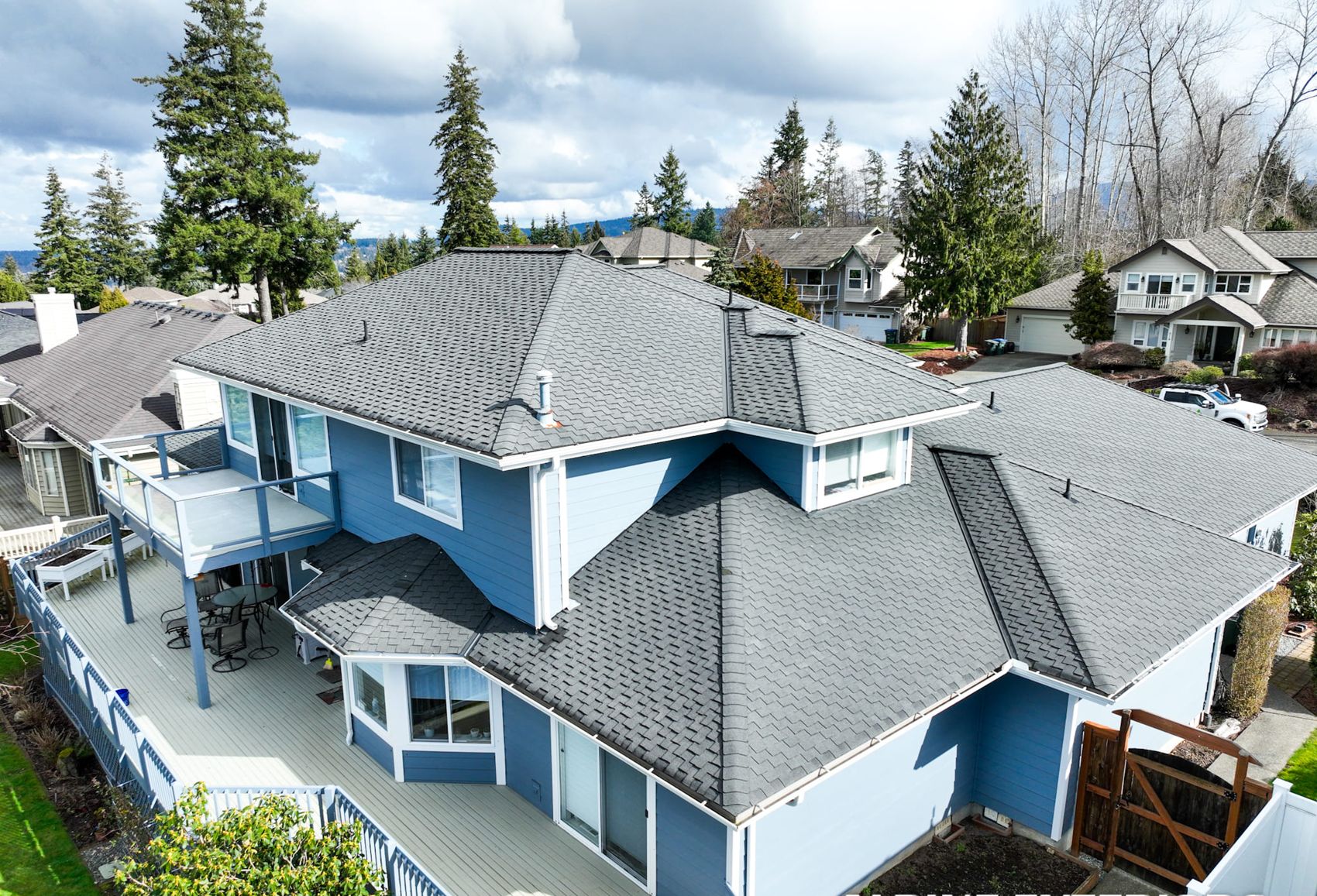
A few things converge in Tampa, St. Petersburg, Clearwater, and Apollo Beach that don't apply in most of the country, and they're worth naming specifically rather than treating this as generic “hot climate” advice.
Most of what determines how long your siding lasts happens at the install and in the years right after, not at the moment it starts to look old.
Alpine Exteriors installs to Florida Building Code wind requirements for the specific site rather than a generic minimum, and can walk you through which grade of vinyl actually makes sense for your home's exposure before you spend money on it.
The vinyl itself doesn't rot — it's a plastic product and doesn't absorb water. What can happen is mildew or algae growing on the surface, which is a cosmetic issue that washes off, and separately, wood sheathing behind poorly installed siding can rot if water gets trapped there. The siding material and the wall assembly behind it are two different questions.
It's possible, particularly with panels that were installed too tight, fastened with the wrong pattern, or rated for a lower wind speed than the site actually needs. Correctly installed siding, matched to the local wind zone, holds up to most storms the area sees, but no siding is guaranteed against a direct hit from a major hurricane.
It genuinely helps. Darker colors absorb more heat, which accelerates fading and the breakdown of the material over time, and several manufacturers limit warranty coverage on their darkest colors for that reason. It's a real tradeoff worth weighing if you're set on a dark exterior.
Often yes, if the rest of the siding is in decent shape and you can still get a reasonably close color match — vinyl fades over time, so panels made even a few years apart can look slightly different side by side. If the damage is widespread or the siding is old enough that matching isn't realistic, full replacement usually makes more sense than patchwork repairs.
If you're not sure whether your current siding has years left in it or is quietly failing behind the surface, Alpine Exteriors offers on-site inspections for homeowners in Tampa, St. Petersburg, Clearwater, and Apollo Beach. We'll tell you what we actually see — whether that's a short repair list, a maintenance plan, or a real case for replacement — without pushing a project you don't need.