
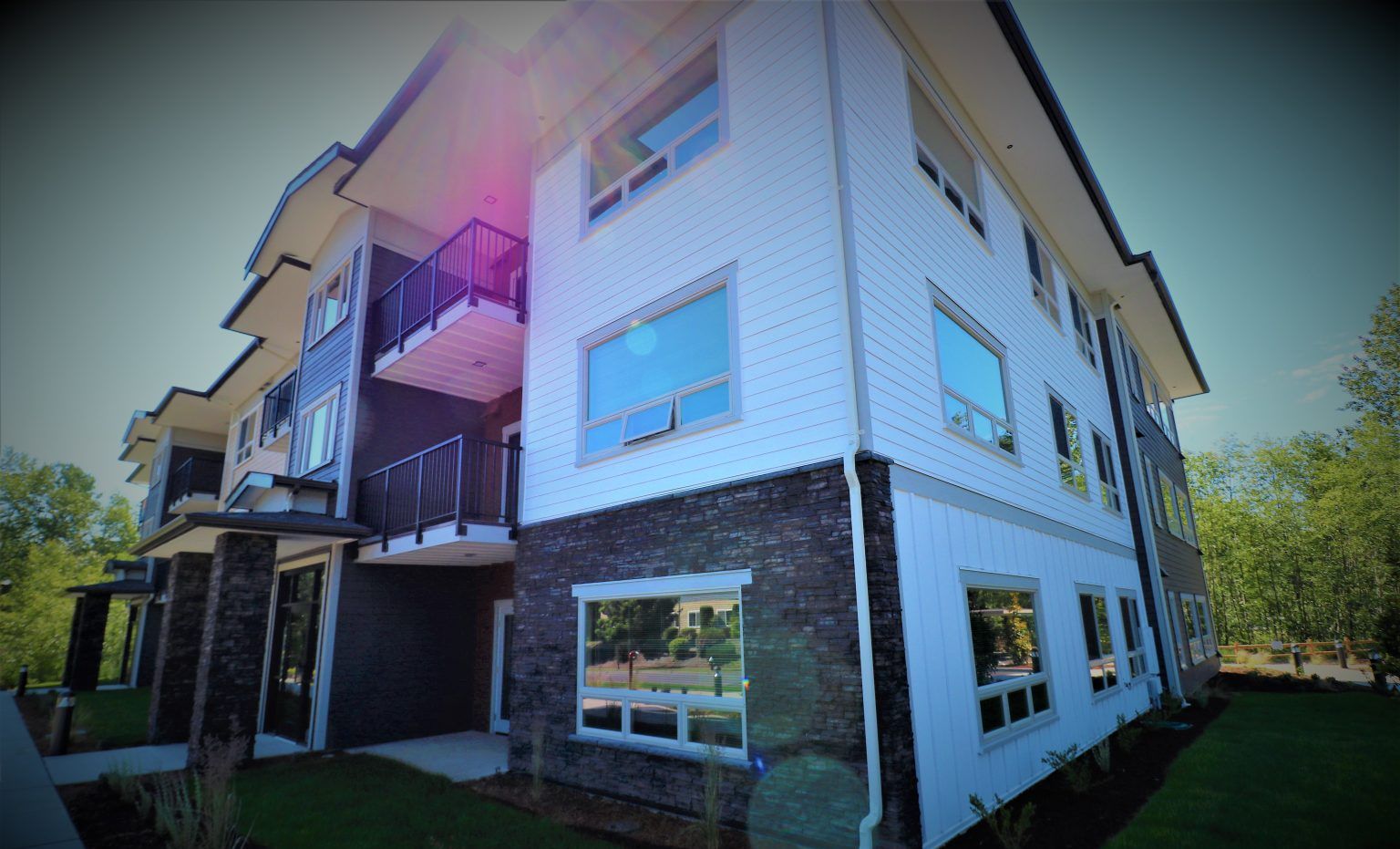
Holiday sits a few miles off the Gulf, threaded with canals and older neighborhoods built mostly from the 1960s through the 1980s. That mix of concrete block homes, a fair number of manufactured and mobile homes, and pockets of wood-frame construction from the same era means there's no single "right" siding for every house on the same street. What does stay constant is the environment: Pasco County sees hurricane-strength wind events, wind-driven rain that finds every gap in a wall assembly, thick summer humidity that never fully lets up, intense UV that bakes cheap plastics and coatings, and subterranean termites that treat untreated wood as a buffet. Any siding recommendation for this area has to survive all of that at once, not just look good on install day. This guide breaks down what actually holds up here, what tends to fail early, and why — from a contractor's chair, not a sales brochure.
For most Holiday homes, fiber cement siding is the strongest all-around choice, followed closely by thick, impact-rated vinyl siding when budget is the deciding factor. Fiber cement resists moisture swelling, doesn't feed termites, holds paint and color far longer under Florida UV than most alternatives, and — when installed with the correct fastening schedule and a current Florida Product Approval — meets the wind resistance the Florida Building Code requires in this wind-borne debris region. Vinyl siding has come a long way in impact and wind ratings, and it's a reasonable option for homeowners prioritizing upfront cost over longevity, but it has to be the heavier-gauge, higher wind-rated product, not the thin builder-grade panel that shows up in big-box aisles. Aluminum siding remains relevant mainly as a recover option on older homes that already have it, and real or engineered wood siding is the option we steer most Holiday homeowners away from, for reasons covered below.
Every option below was weighed against the conditions that actually determine how siding performs in this part of Pasco County, not generic marketing claims:
Fiber cement — a blend of cement, sand, and cellulose fiber pressed into planks or panels — is the material we install most often on Holiday homes when a full re-side is on the table. It doesn't absorb enough moisture to warp or rot, termites have no interest in it, and factory-baked color coatings hold up noticeably longer under Florida UV than field-painted wood or standard vinyl. When manufactured to current Florida Product Approval standards and fastened per that approval's schedule — correct nail spacing, embedment, and edge distance — it performs well in the wind loads this region sees.
Pros: excellent moisture and termite resistance, strong UV and color retention, doesn't dent easily from wind-driven debris, wide range of profiles that can mimic traditional lap siding or board-and-batten.
Cons: heavier material means installation is more labor-intensive and typically costs more upfront than vinyl; it still requires periodic caulking and repainting eventually, just on a much longer cycle; and it must be cut and installed correctly (proper clearance from grade, correct fastener type) or its moisture advantages are undermined at the seams.
Vinyl gets a bad reputation from thin, builder-grade panels that oil-can in the sun and crack in a stiff wind. That's not the same product as heavier-gauge, insulated vinyl siding carrying a wind rating suited to this region's product approval requirements. For homeowners working with a tighter budget, or re-siding a smaller manufactured or frame home where every dollar counts, a quality vinyl product is a defensible choice.
Pros: lower material and labor cost than fiber cement, no repainting required, doesn't rot or feed termites, insulated backing can help with cooling costs during Pasco County's long summers.
Cons: even good vinyl softens and can distort in direct, sustained summer heat if installed too tightly without expansion clearance; color is baked through the panel but still fades over many years of UV exposure, especially darker colors; lower-tier products are genuinely vulnerable to wind-driven debris and improper fastening in storms, which is why the wind rating and Florida Product Approval on the specific product matter more than the word "vinyl" itself.
Aluminum siding shows up on a real share of Holiday's older homes, sometimes from a prior recover job. It's not usually what we recommend installing new today, but it has legitimate strengths on the right house.
Pros: completely indifferent to termites and doesn't rot; handles humidity well since it doesn't absorb moisture; lightweight, which can be useful over certain existing wall assemblies.
Cons: dents from hail or wind-driven debris and doesn't reshape itself back; older factory finishes chalk and fade under sustained Florida UV, leaving a dull, powdery surface that's hard to fully restore; can develop a hollow, noisy sound in wind unless installed over solid backing. We'll still work with aluminum on select recover projects, but for most Holiday homeowners planning a full re-side, fiber cement or a quality vinyl product outperforms it long-term.
Traditional wood siding is where Holiday's environment stacks the deck hardest against a material. It's included here because homeowners ask about it often, especially for the coastal cottage look, but the honest answer is that it's a difficult fit for this specific climate.
Pros: unmatched natural look, can be refinished in different colors over time, some engineered wood products resist moisture better than solid lumber.
Cons: subterranean termites in this area treat unprotected wood as an ongoing target, and even treated products need vigilant maintenance to stay ahead of it; humidity and afternoon thunderstorm cycles keep wood siding damp longer than drier climates, accelerating rot and paint failure at seams and end cuts; UV breaks down finishes faster, meaning a repaint cycle that might stretch out elsewhere in the country comes around sooner here. We don't tell homeowners it can't be done — some engineered wood products with strong warranties and diligent upkeep can work — but it's the option that demands the most ongoing attention in this specific environment, and we say that plainly before anyone signs a contract.
A few choices come up often enough in Holiday that they're worth calling out directly:
Siding itself isn't typically what wind mitigation inspections and the OIR-B1-1802 form focus on — that form mainly evaluates roof shape, roof-to-wall connections, opening protection, and roof covering age. That said, replacing damaged or improperly fastened siding as part of a broader exterior update, especially alongside impact-rated openings, can support a stronger overall wind mitigation profile. We'd recommend asking your insurance agent what specifically applies to your policy before assuming siding alone moves the needle.
It depends on the condition of the existing wall. Many concrete block homes in Holiday have stucco that's cracked, hollow-sounding in spots, or holding moisture behind it, and covering that up without addressing it first just traps the problem. On sound walls, furring strips and a proper water-resistive barrier can create a good base for siding over block. We inspect the existing wall condition before recommending a direct-to-block approach versus repairing the stucco first.
More than most homeowners expect. Constant humidity keeps north-facing and shaded wall sections damp longer after rain, which is where mildew growth and caulk failure tend to show up first, regardless of siding material. Materials that don't absorb moisture — fiber cement, vinyl, aluminum — hold up better here than materials that do. Even with a good material, we recommend an annual rinse-down and a check of caulking around windows, doors, and penetrations to stay ahead of it.
Much of it does, with some adjustments. Manufactured homes often have thinner wall assemblies and specific panel systems already in place, so a re-side needs to account for how new siding integrates with the home's existing skirting, utility penetrations, and structural attachment points rather than assuming standard site-built framing. Vinyl and aluminum tend to be the more common fits on manufactured homes for weight and attachment reasons, but the same wind rating and fastening principles still apply.
Every one of these trade-offs plays out a little differently depending on whether your Holiday home is concrete block, wood-frame, or manufactured, and how much sun and rain exposure a given wall actually gets. Alpine Exteriors has been walking Pasco County homeowners through exactly this kind of decision, and we'll give you a direct read on what fits your house, your budget, and this climate — not just whatever's easiest to sell. Alpine Exteriors holds Florida contractor license RB29003900 and serves Holiday along with the rest of Tampa Bay, including Tampa, Wesley Chapel, Lutz, Land O' Lakes, New Port Richey, Plant City, and Zephyrhills. Reach out for an on-site look at your walls and a written estimate before you commit to a material.