

If you want a color decision you will not second-guess in five years, lean toward warm, mid-tone neutrals for the main field of the house, with a slightly deeper or slightly lighter tone reserved for trim, shutters, and accent gables. In Odessa's mix of oak-canopy lake lots, horse-country acreage, and newer deed-restricted communities, three families of color consistently perform the best: warm greige and dune neutrals, soft coastal blue-gray, and classic warm white or cream. Each of these reads as timeless rather than trendy, resists showing pollen and mildew streaking between cleanings, and clears architectural review committees (ARC) in most Pasco County subdivisions without a second submittal.
That does not mean bolder colors are off the table. Muted sage green and warm clay or terracotta tones work well as either a full-field color on the right lot or as an accent on a gable, door surround, or shutters. What we are steering you away from is anything very dark, very saturated, or very glossy as a full-house color here, for reasons we cover below. Alpine Exteriors has been pulling siding permits and standing on ladders in this sun long enough to have a strong opinion on what actually holds up, and that opinion is: pick the neutral you can live with in year one, and let the trim carry the personality.
Odessa is not a generic Florida suburb, and a color guide written for coastal condos or for a shaded neighborhood up north will steer you wrong. We weighed every color family against conditions that are specific to this part of Pasco County.
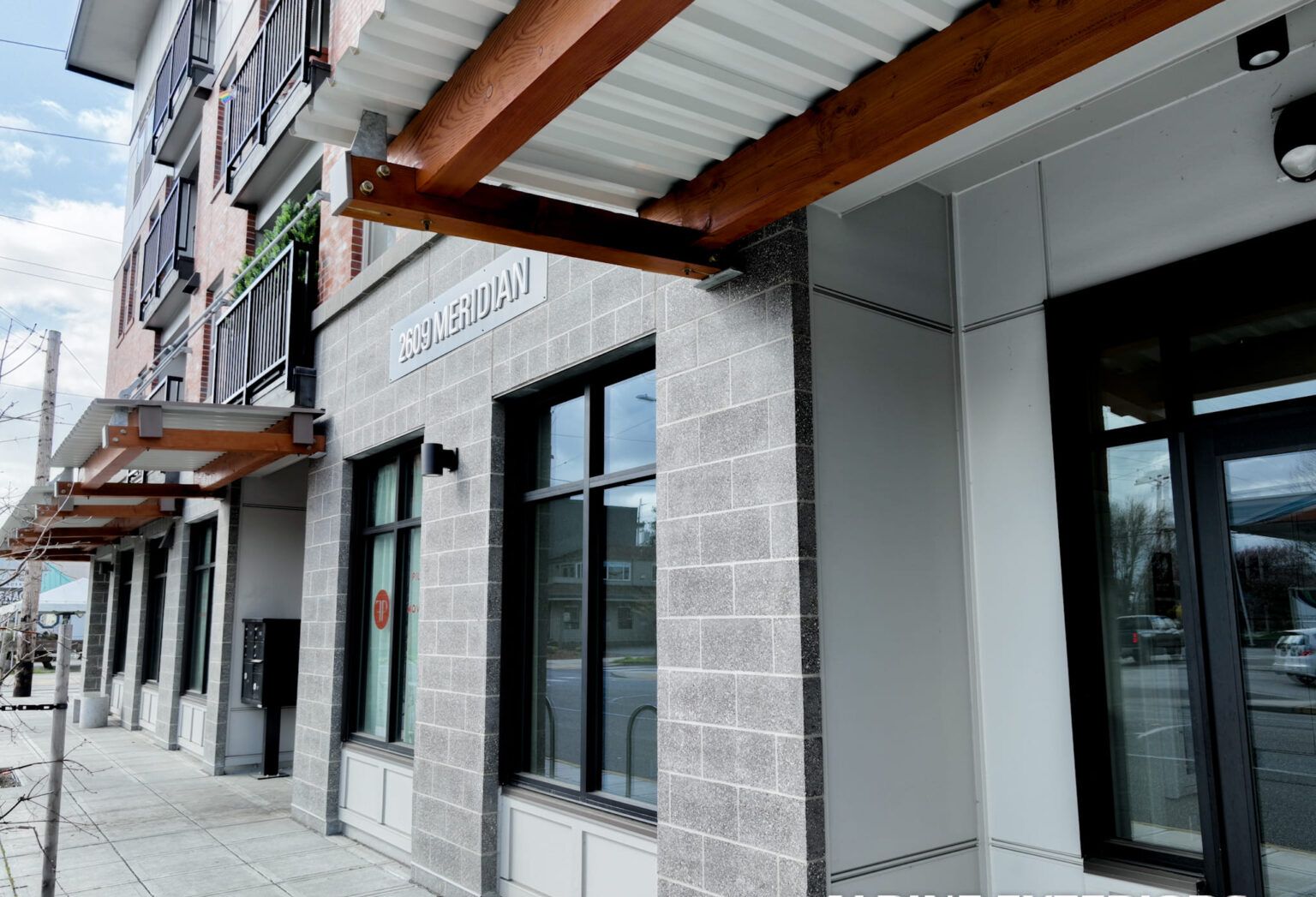
Here is how the main color families stack up once you weigh them against Odessa's sun, shade, and HOA reality. None of these is a universal winner — the right pick depends on your lot's shade cover, your roof color, and your neighborhood's rules.
| Color Family | Where It Works Best | Pros | Cons |
|---|---|---|---|
| Warm Greige / Dune Neutral | Most lots; especially open, sun-exposed yards without heavy tree cover | Blends with both oak-hammock landscaping and open horse-country pasture; hides dust, pollen, and minor mildew between washings; almost always pre-approved on Odessa HOA palettes; resells well | Can read as slightly flat or unremarkable without contrasting trim; several greige shades look off next to certain brick or stone accents, so sampling against your existing materials matters |
| Soft Coastal Blue-Gray | Lake-view lots and homes with a lot of window and water exposure | Feels appropriate near Lake Keystone and similar waterfront settings; muted, non-saturated blue-grays hide fade unevenness better than bright blues; pairs well with white trim | Can look cold on a heavily shaded, tree-covered lot; the wrong undertone can clash with a red-clay tile roof, which is common in newer Odessa construction |
| Classic Warm White / Cream | Traditional and Mediterranean-influenced elevations, especially in established communities | Timeless, brightens a shaded lot, easiest color to touch up or match years later; broadly accepted by every HOA we have worked with locally | Shows mildew streaking and pollen film faster than a mid-tone, so it demands more frequent washing under oak canopy; can glare on a fully open, sun-baked lot |
| Muted Sage / Olive | Wooded lots and homes surrounded by mature landscaping | Sits naturally against Florida greenery instead of fighting it; a genuinely distinctive look in a sea of beige and white; wears fade unevenness less obviously than blue or gray tones | Harder to get pre-approved in some HOAs that default to neutral-only palettes; the wrong green undertone can drift institutional rather than natural — sample large boards outdoors before committing |
| Warm Clay / Terracotta | Accent trim, gables, or shutters more than full-field siding; occasionally full-field on Mediterranean-style homes | Complements the red-clay barrel tile roofs common on newer Pasco County builds; warm tone shows well against green landscaping | As a full-field color it is one of the more fade-prone choices in direct sun and is rejected outright by some HOA palettes that restrict warm-saturated tones |
| Deep Charcoal / Navy | Accent-only — front door surround, shutters, a single gable, or trim on a fiber cement home | Sharp, modern contrast against a light field color; fiber cement with a factory-baked finish holds dark pigment far better than field-applied paint | Not realistic as full-field vinyl siding due to heat-warp risk; even on fiber cement, full-field dark color on a west-facing wall will fade faster and show heat stress sooner than the same color used as an accent |
A few choices come up often enough in initial homeowner requests that they are worth addressing directly, along with why we typically steer clients away from them for an Odessa home.
Many of the newer master-planned and lake-front communities in and around Odessa do maintain an approved exterior color palette and an architectural review process, while some of the area's older, larger-lot and horse-country parcels have little or no deed restriction at all. Because this varies block by block, check your community's covenants or ARC guidelines before ordering material, and Alpine Exteriors can help you cross-reference a chosen color against a typical HOA palette during your estimate.
Yes, generally. Direct, intense UV exposure fades and chalks darker, more saturated pigments faster than lighter, mid-tone colors, and the fade is usually uneven because west- and south-facing walls take far more direct sun than shaded or north-facing walls. Fiber cement with a factory-applied, baked-on finish resists this better than field-painted material, which is worth factoring into both your color and material decision.
Fiber cement and quality engineered vinyl both perform well against humidity and are far less appealing to subterranean termites than wood siding, which is a genuine concern throughout this part of Florida. On heavily shaded, oak-canopy lots, lighter or mid-tone colors with a bit of sheen tend to show algae and mildew streaking less obviously between cleanings than flat, very dark finishes.
A bold or warm accent color almost always works better concentrated on a front door surround, shutters, or a single gable than spread across the full field of the house, especially under intense Florida sun where saturated color fades fastest. Pairing a warm neutral field with one confident accent color gives you a distinctive look while keeping the largest, most sun-exposed surfaces in a color that will still look good in ten years.
Choosing a siding color is only half the decision — the material underneath it determines how that color performs against Pasco County's sun, humidity, and storm exposure over time. Alpine Exteriors, Florida-licensed contractor RB29003900, works throughout Odessa and the greater Tampa Bay area, including Wesley Chapel, Lutz, Land O' Lakes, New Port Richey, Plant City, and Zephyrhills, installing wind-rated, Florida Product Approved siding systems suited to this climate. If you would like to see real color samples against your own roof and landscaping before you commit, contact Alpine Exteriors for an on-site consultation and a written estimate.