Best Siding Colors for Homes in Lutz, Pasco County
Updated August 2026 · Alpine Exteriors · FL contractor license RB29003900
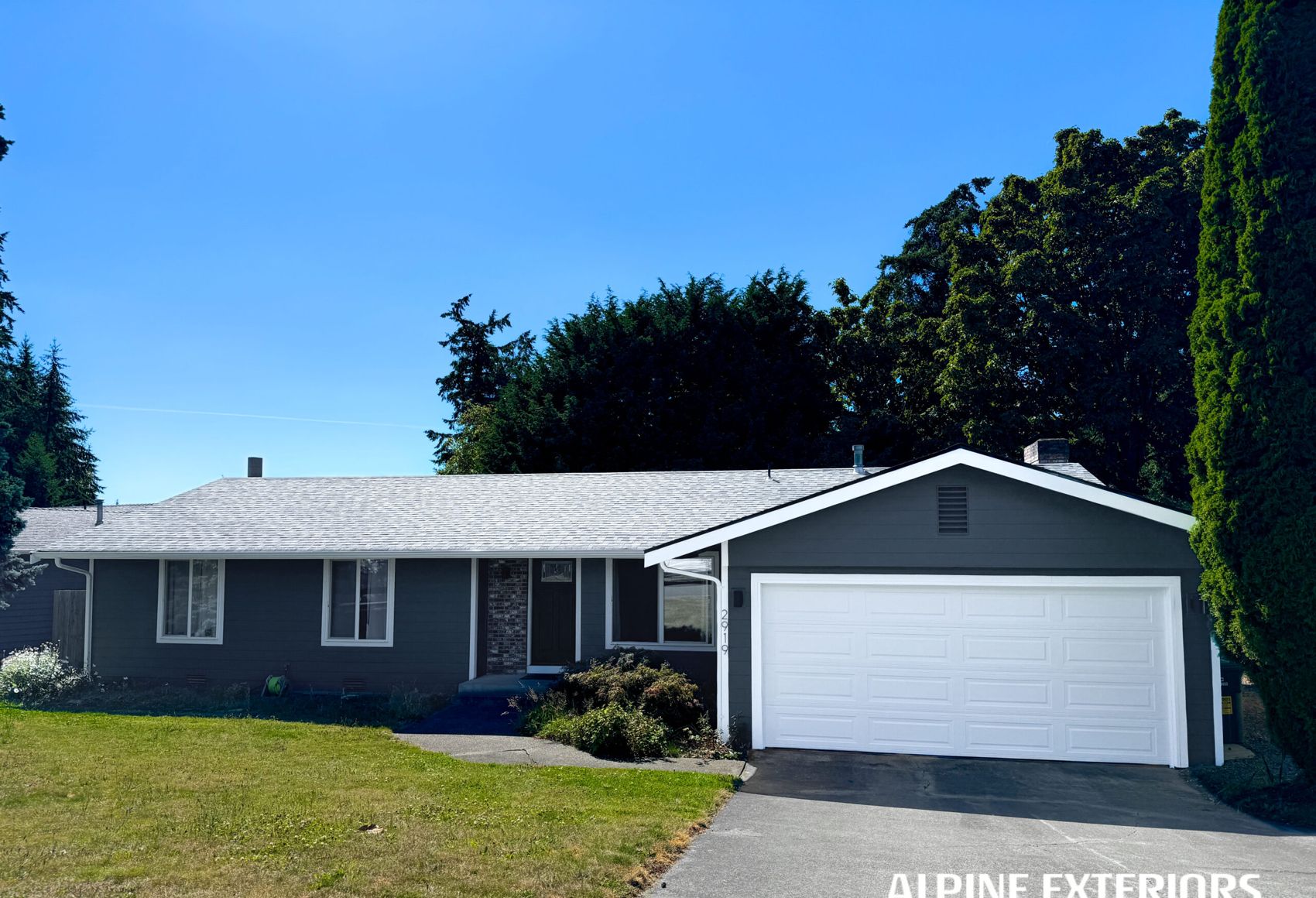
Lutz sits in that in-between stretch of Pasco County where deed-restricted subdivisions, horse property, and older lake-front lots all share the same zip codes. That mix means there's no single "right" siding color for the area — but there are colors that consistently perform better against Florida sun, humidity, and homeowners association (HOA) design review than others. This guide walks through what we look for when a Lutz homeowner asks us to help pick a color, which families of color hold up best here, which ones we'd steer you away from, and why.
The Short Answer
If you want the fast version before reading the reasoning: for most Lutz and greater Pasco County homes, warm neutrals and soft blue-grays outperform bright, dark, or highly saturated colors over a 15-20 year siding lifespan. Here's why each of our top picks earns a spot:
- Warm greige / light taupe — reads as neutral to almost every HOA design review board in the area, hides pollen and oak tannin staining between washes, and shows fading unevenly less than darker tones.
- Soft blue-gray — plays well against green lawns, live oak canopy, and the blue Florida sky; stays visually cool and doesn't telegraph fading the way a saturated color would.
- Classic or soft white — the best heat performance of any color on this list, since it reflects rather than absorbs solar radiation, which matters on the west and south elevations that take the worst afternoon sun.
- Muted sage or olive — a good option on wooded lots with heavy live oak or pine cover, where it blends rather than fights the landscape.
Deep charcoal, true black, and other dark, high-saturation colors can look sharp on a sample chip, but we'd only recommend them as accent bands, shutters, or trim in this climate — not as the main field color. More on why below.
How We Judged These Colors
We didn't rank these on looks alone. Five factors matter more here than they would in a milder climate, and we weighed all of them:
- UV fade resistance. Central Florida gets intense, close-to-overhead sun for most of the year. Pigments that are stable in a cooler, cloudier climate can visibly chalk or fade within a few years here, especially on south- and west-facing walls.
- Heat absorption and material behavior. This applies mainly to vinyl siding, which is still the most common siding material in Pasco County subdivisions. Darker colors absorb more heat, and vinyl panels expand and contract with temperature. Most manufacturers' Florida product approval documentation and installation instructions either restrict how dark a color can go on standard vinyl profiles or require a heat-reflective or warp-resistant formulation for darker shades. Fiber cement and engineered wood siding don't have this specific limitation, but they still fade under sustained UV exposure.
- Mold, mildew, and algae visibility. Pasco County's humidity supports algae and mildew growth on any exterior surface, on any color, especially on shaded north walls and under eaves. The question isn't which color prevents growth — none reliably do without regular cleaning or algae-resistant coatings — it's which color hides early staining longest before it needs a wash.
- HOA and deed restriction compatibility. Many Lutz and Land O' Lakes communities operate under an approved color palette or require architectural review committee sign-off before a re-side. Sticking to earth tones and muted, low-saturation colors dramatically lowers the odds of a rejected application or a repaint order after the fact.
- Fit with the local landscape and roofline. Lutz has a lot of oak hammock lots, St. Augustine lawns, and clay or barrel tile roofing mixed in with asphalt shingle. A color that clashes with a terra cotta roof or disappears against heavy tree cover isn't doing the house any favors at resale.
Warm Greige and Light Taupe
Warm greige — a gray with a brown or beige undertone rather than a cool blue undertone — has become the default "safe" choice in new Pasco County construction for a reason. It reads as neutral against brick, stone, and tile roofing in nearly any shade, and HOA architectural review boards almost never object to it.
- Pros: Hides pollen dust and oak tannin drip stains between cleanings better than pure white or cool gray; ages gracefully because slight fading doesn't create a strong before/after contrast; pairs with almost any trim, shutter, or front door color.
- Cons: It's common enough that some buyers see it as safe-but-unmemorable; on lots with heavy shade, a warm greige can occasionally read slightly dull rather than warm if the undertone leans too brown.
Soft Coastal Blue-Gray
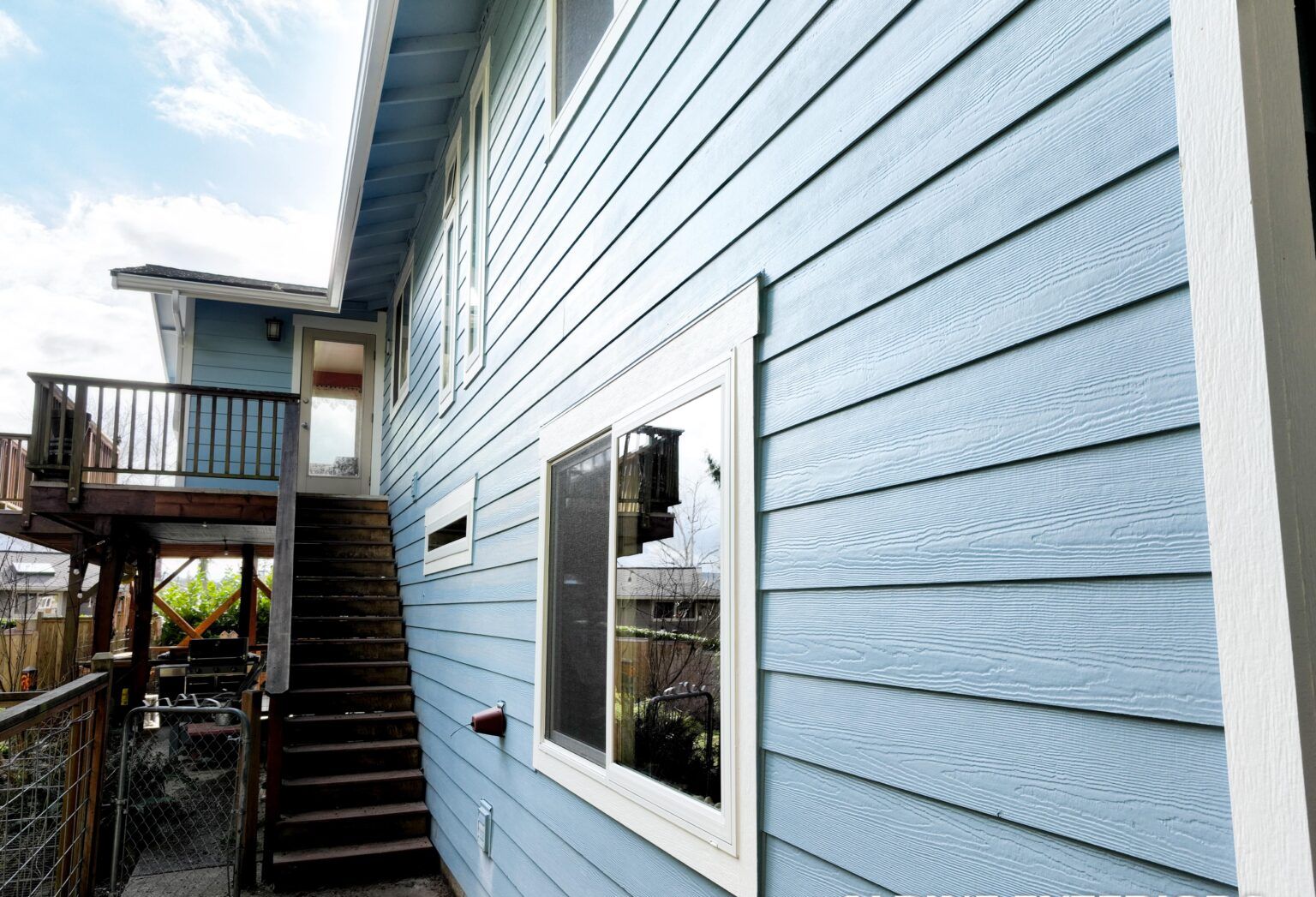
A muted blue-gray — not a bright nautical blue — sits close to greige on the color wheel but leans cool instead of warm. It's a strong option on lots with a lot of open sky and green lawn, and it tends to photograph and show well against landscaping.
- Pros: Complements green foliage and grass without clashing; stays visually cool in a way that can make a home feel less exposed to the afternoon heat even though it doesn't change actual surface temperature much; still reads as a neutral to most HOA reviewers when kept muted rather than saturated.
- Cons: A blue-gray that's too saturated or too "cool" can clash with a red clay tile roof or orange-toned brick, which is common enough in the area; some HOAs with strict earth-tone-only palettes may flag a blue that reads too far from neutral, so it's worth checking your community's approved list first.
Classic and Soft White
White and off-white remain the single best-performing color family for heat, because light colors reflect rather than absorb solar radiation. On a west-facing wall in July, that's a real, measurable difference in surface temperature compared to a dark color.
- Pros: Best heat rejection of any option here, which can modestly ease the load on siding materials and, indirectly, on a home's cooling system; classic look that rarely goes out of style; almost universally accepted by HOA design guidelines.
- Cons: Shows mildew, algae streaking, and pollen staining more visibly than a mid-tone neutral, meaning white siding in this humidity generally needs more frequent washing to look its best; can read stark or institutional without enough trim, shutter, or landscaping contrast.
Muted Sage and Olive Green
On heavily wooded Lutz lots — the ones with mature live oaks, pines, or palmettos crowding the house — a muted sage or olive can work better than a lighter neutral because it blends with the surrounding canopy instead of standing out against it.
- Pros: Blends naturally with oak and pine cover rather than fighting it; can make a home feel settled into a wooded lot instead of exposed; distinct enough to stand out from the sea of greige without being a bold or unusual choice.
- Cons: Green pigments can be more prone to visible fading and undertone shift under intense UV than neutral grays and beiges, so it's worth asking about the specific fade warranty on any green product; less universally loved at resale than a neutral, since taste in green tones varies more than taste in beige or gray.
Deep Charcoal and Espresso — Accent Only
We get asked about dark, moody siding colors often, since they photograph beautifully in design magazines and on new-construction renderings. In this climate, we recommend treating charcoal, espresso, and true black as accent colors — porch posts, a lower band, shutters, a garage door — rather than the main field of the house.
- Pros: Strong curb-appeal contrast when used sparingly; on materials rated for it, a dark accent band can look sharp against a lighter main color without the full-field heat and fade tradeoffs.
- Cons: As a full-field color, dark shades absorb significantly more heat, which on standard vinyl siding can contribute to warping or buckling over time — a documented enough issue that manufacturers restrict or specially formulate their darkest colors; dark colors also show UV fade and chalking more obviously than lighter tones, since the contrast between the original shade and the faded shade is more visible; many Lutz-area HOAs simply won't approve a dark color as a primary siding shade.
What to Avoid in Lutz and Pasco County
A few choices come up often enough in consultations that they're worth flagging directly, even though none of them are outright forbidden everywhere:
- True black or near-black as a main color. Between the heat absorption issue on vinyl and near-universal HOA pushback, this is the color we talk homeowners out of most often for full-field use.
- Bright, high-saturation colors (true red, bright yellow, vivid teal). These almost always fail HOA architectural review in deed-restricted Lutz communities, and they fade unevenly and noticeably faster than muted tones under Florida sun.
- High-gloss finishes on large wall areas. Florida's frequent afternoon thunderstorms leave visible water spotting and streaking on glossy surfaces; a low-sheen or matte finish hides this far better.
- A color chosen from a swatch alone. Small chips look different under intense Florida sun than they do indoors or in a shaded showroom. Always view a full-size sample on the actual house, in direct sun, at different times of day, before committing.
None of this means darker or bolder colors are impossible — some Lutz homes on acreage without HOA oversight carry them off well. It means going in with eyes open about the maintenance, fade, and (for vinyl) product-approval tradeoffs.
Siding Color FAQ
Do HOAs in Lutz and Land O' Lakes actually restrict siding colors?
Many do. A large share of Lutz, Land O' Lakes, and Wesley Chapel subdivisions are deed-restricted, and most require architectural review committee approval before a re-side, often against a pre-approved color palette that leans toward earth tones and neutrals. If you're in a deed-restricted community, check your HOA's design guidelines or covenant documents before ordering material, since some committees also require a formal application with a color sample attached.
Will dark siding actually warp or fade faster in Florida heat?
For standard vinyl siding, yes, this is a real and well-documented behavior, not a scare tactic — dark colors absorb more solar heat, and vinyl panels expand and contract with temperature, which is why many manufacturers limit how dark a standard-formulation color can be or require a specially engineered dark color line rated for higher heat. Fiber cement doesn't warp the same way, but any dark pigment, on any material, will show UV fading and chalking more visibly over time than a lighter, more muted color.
Does fiber cement or vinyl siding hold up better against Pasco County humidity?
Both can perform well when installed correctly, but they age differently. Fiber cement resists moisture intrusion and holds paint well over a long service life, though it needs periodic repainting to keep its color true. Vinyl siding never needs painting and won't rot, but its factory color is what you get for the life of the product, and dark colors carry the heat and warp considerations noted above. Either way, proper flashing and installation matter more to long-term humidity performance than the material choice alone, and any siding installed in this region should carry current Florida Product Approval for the wind and water-resistance requirements under the Florida Building Code.
Can I mix two siding colors on one house in this area?
Yes, and it's a common, attractive approach here — a lighter main-field color with a darker accent band, shutters, or trim gives you contrast without the full-field heat and fade drawbacks of an all-dark exterior. Just confirm with your HOA (if you have one) whether multi-color schemes need a separate approval, since some review boards are more particular about accent colors than about the primary field color.
Get a Color Opinion Before You Order Material
Photos and paint chips only tell you so much about how a color will actually look on your house, under Lutz sun, next to your roofline and landscaping. Alpine Exteriors installs siding throughout Tampa Bay — Lutz, Wesley Chapel, Land O' Lakes, New Port Richey, Plant City, Zephyrhills, and Tampa — and we're happy to bring full-size samples out to your property, walk your HOA's approved palette with you if you have one, and give you a straight answer about how a given color and material will hold up on your specific lot. Alpine Exteriors holds Florida contractor license RB29003900; reach out to schedule a color consultation and estimate.
Want a straight answer for your home? Alpine Exteriors gives free on-site assessments across Tampa, Wesley Chapel, Lutz, Land O' Lakes, New Port Richey, Plant City and Zephyrhills.
Call (813) 742-6348 or
request an estimate.