
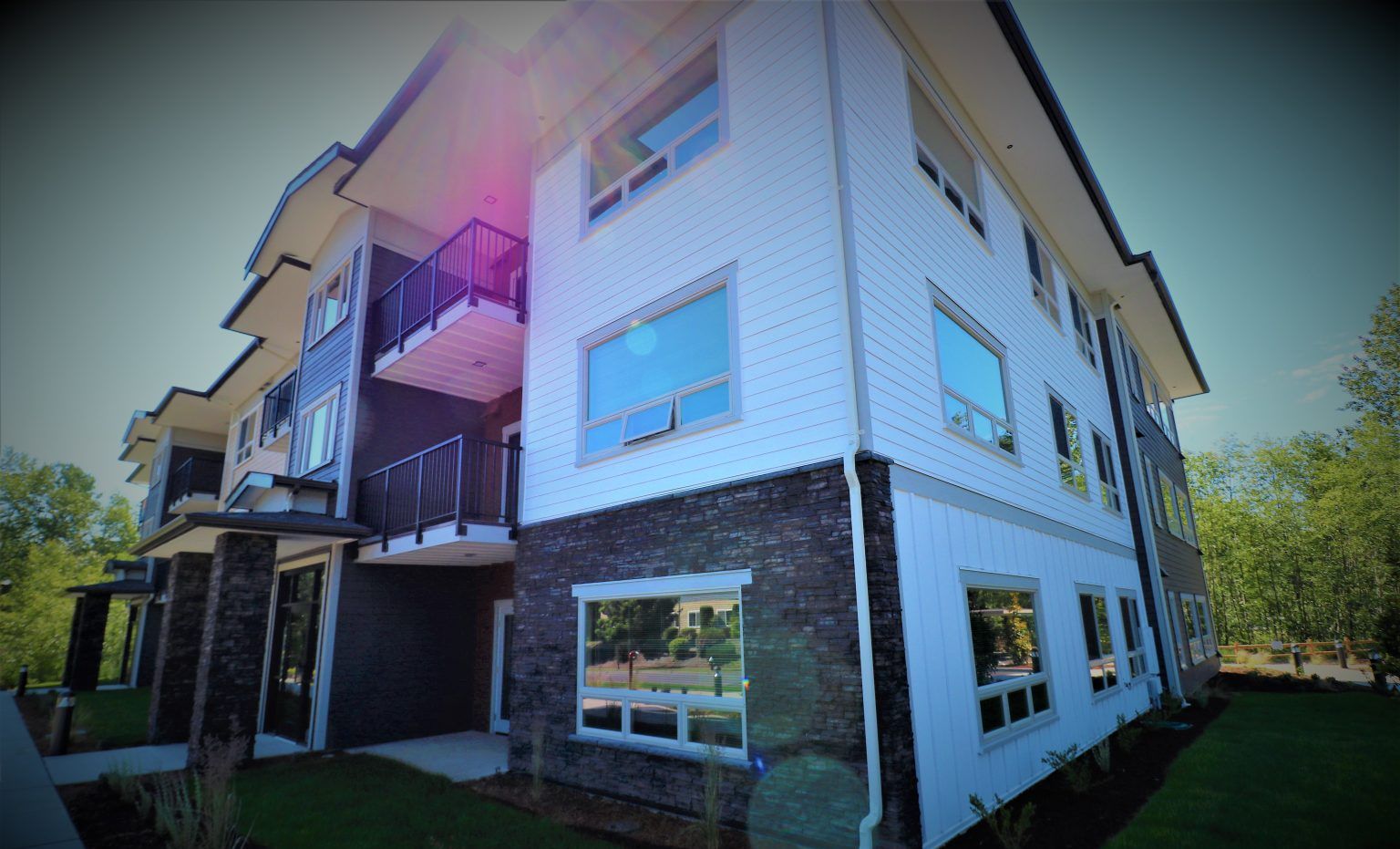
For a home near the Gulf in New Port Richey, the siding that holds up is a product carrying current Florida Product Approval for Pasco County's mapped wind speeds, installed with corrosion-resistant fasteners and enough drainage behind it to shed wind-driven rain. Fiber cement and quality vinyl both perform well in this area when they're rated correctly and installed the way the manufacturer's approval actually requires — most of the siding failures we see on service calls trace back to a fastener, a flashing detail, or a gap in the water management, not the panel itself.
New Port Richey sits close enough to the Gulf of Mexico that salt-laden air reaches most of the city, from the waterfront lots along the Pithlachascotee River out through Beacon Square, Gulf Harbors, and the neighborhoods off US-19. Salt in the air doesn't do much to a fiber cement panel or a vinyl panel directly, but it accelerates corrosion on anything metal that's exposed to it — nail heads, trim coil, house wrap staples, and any fastener that isn't rated for coastal exposure. Over a few years, an untreated fastener can bleed rust down the face of light-colored siding or lose enough holding strength that panels start to loosen in wind. That's why the fastener schedule matters as much as the siding brand: hot-dip galvanized or stainless fasteners, sized and spaced to the manufacturer's approved pattern, cost more up front and save a repaint or a re-fastening job down the road.
Wind is the other half of the equation. Pasco County sits inside the wind-borne debris region of the Florida Building Code, which means siding products here need a current Florida Product Approval (or a Miami-Dade Notice of Acceptance accepted statewide) documenting the wind pressures the assembly was tested to. That approval isn't a formality — it determines the starter strip, the fastener type, the fastener spacing, and in some cases the maximum panel exposure a manufacturer will warranty for this wind zone. A siding job that skips the approved installation instructions to save labor time is the single most common reason we get called out after a tropical storm to refasten or replace panels that blew off a house that otherwise came through fine.
Humidity adds a third pressure that's easy to underestimate. Tampa Bay's combination of heat and moisture keeps wall assemblies damp longer than most of the country ever experiences, and that moisture looks for anywhere it can collect — behind poorly lapped house wrap, around windows with failed caulk joints, or in siding installed tight to the wall with no drainage gap. Left alone, that trapped moisture grows mold on sheathing and can rot wood trim well before the siding itself shows any obvious damage from the outside. A rainscreen gap or drainable house wrap behind the siding, plus properly flashed window and door openings, matters more here than in a drier climate because the assembly has less margin for error.
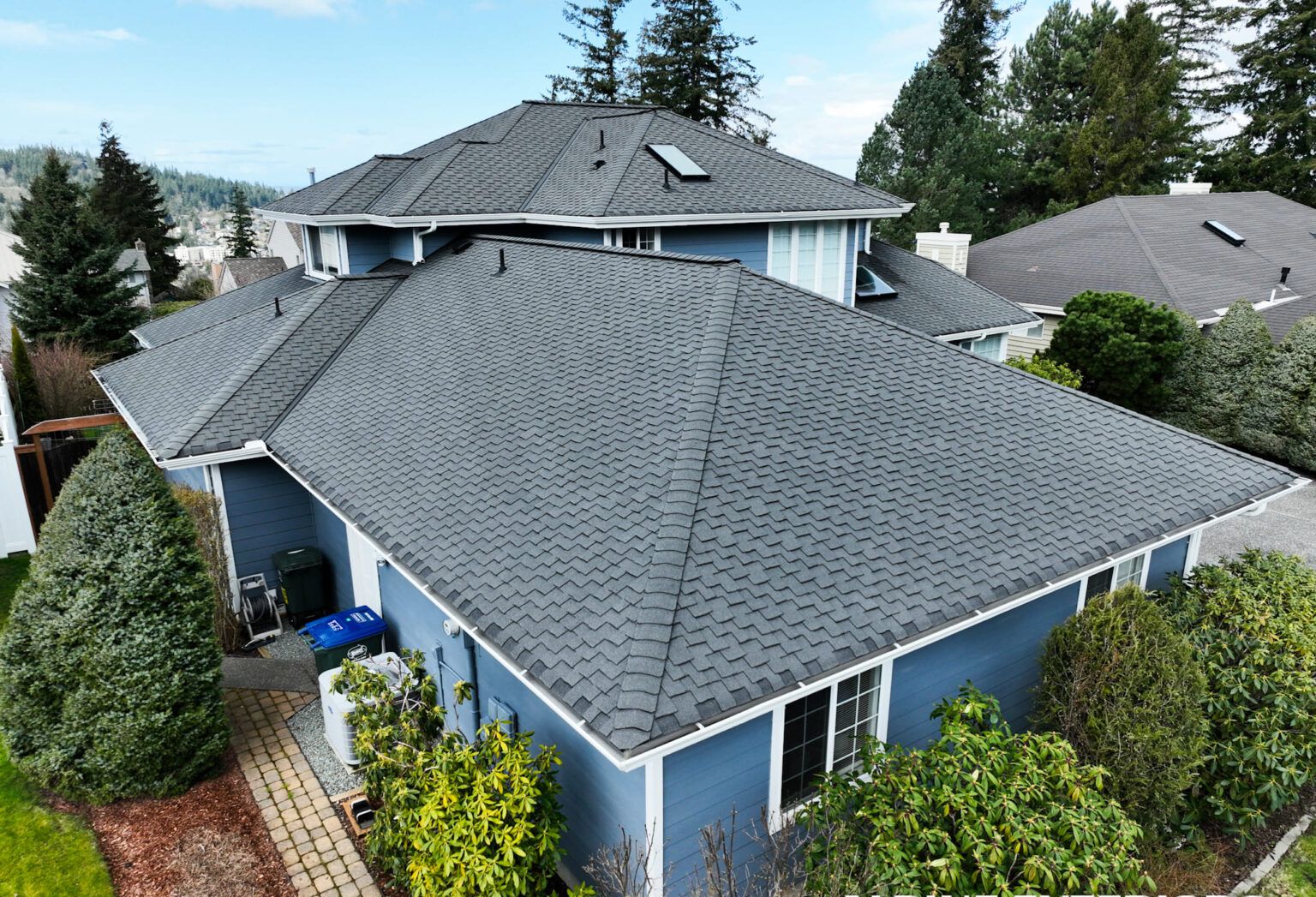
A few conditions stack up in New Port Richey that don't all apply everywhere in Florida, let alone the rest of the country, and they're worth naming specifically because they change what "good siding" means here.
What doesn't apply here: New Port Richey is not inside Florida's High-Velocity Hurricane Zone, which covers Miami-Dade and Broward counties under a stricter set of code provisions. The area still falls under standard Florida Building Code wind-borne debris requirements, which is a real standard with its own product approval demands — just not the HVHZ standard some homeowners hear about from relatives further south.
Start with the product approval, not the brand name. Ask any contractor bidding the job to show you the Florida Product Approval number for the specific siding profile and the wind pressure it's rated for at your address, and confirm the fastener type and spacing called out in that approval match what's going on the quote. This is a five-minute conversation that tells you more about whether the installation will hold up than any marketing brochure.
Ask about the water management plan, not just the siding. A house wrap or rainscreen detail behind fiber cement or vinyl, correctly lapped and flashed at every window, door, and penetration, is what actually keeps humidity and wind-driven rain out of the wall. If a contractor's answer to "what's behind the siding" is vague, that's worth pausing on before signing.
Match the fastener to the coast, not just the climate zone. Stainless or hot-dip galvanized fasteners cost more per box than standard electro-galvanized ones, but near the Gulf that difference shows up as rust streaks and loosening panels within a handful of years if it's skipped.
Check trim and fascia for termite exposure before new siding goes up, particularly on homes built before the 1990s where original wood trim may still be in place. Re-siding is the cheapest point in a home's life to replace compromised wood trim, since the wall is already open.
Keep your insurer's wind mitigation inspection in mind, even though it's a separate document from your siding job. The OIR-B1-1802 wind mitigation form your insurance company may ask for documents roof shape, roof deck attachment, and opening protection — it doesn't score siding directly, but the same storms that test your roof-to-wall connections are testing your siding's fastening and flashing, so it's worth having both addressed by someone who understands the whole wind path, not just one component of it.
Alpine Exteriors has installed and repaired siding across Tampa Bay long enough to see which shortcuts show up again a few storm seasons later — usually the fastener, the flashing, or an installation that ignored the manufacturer's approved wind rating to save a day of labor. None of that is complicated to get right; it just has to actually happen on the wall, not just on the estimate.
Not necessarily a different material, but it does raise the bar on details. Fiber cement and vinyl both hold up near the Gulf; what changes is the fastener grade, the trim metal, and the attention paid to sealing and flashing, since salt air is harder on exposed metal the closer you are to the water.
An annual look, ideally after hurricane season, catches most issues early — loose panels, cracked caulk joints, rust bleeding from fastener heads, or soft trim near the ground. Catching these before the next storm season is far cheaper than dealing with water intrusion after the fact.
Yes, when it's a product with a current Florida Product Approval rated for the wind pressures mapped to your address and it's installed with the fastener type and spacing the approval specifies. Vinyl that isn't rated for this wind zone, or that's installed with a generic fastener pattern, is the version that fails in storms — the material itself isn't automatically the weak point.
It depends on your priorities. Fiber cement resists UV fading and impact better over the long run and doesn't soften in extreme heat the way lower-grade vinyl can, but it costs more installed and requires periodic repainting or refinishing that vinyl doesn't. Both are legitimate choices near the Gulf when properly rated and installed; it's a budget and maintenance-preference decision more than a durability cliff.
If you're weighing siding options for a home near the Gulf in New Port Richey — or dealing with fastener rust, soft trim, or water stains on an existing installation — Alpine Exteriors can walk your property, point out what's actually going on, and lay out material and cost options in plain terms. Alpine Exteriors holds Florida contractor license RB29003900 and works throughout Tampa Bay, including New Port Richey, Wesley Chapel, Lutz, Land O' Lakes, Plant City, and Zephyrhills. Reach out for a walk-through and a written estimate before your next storm season.