
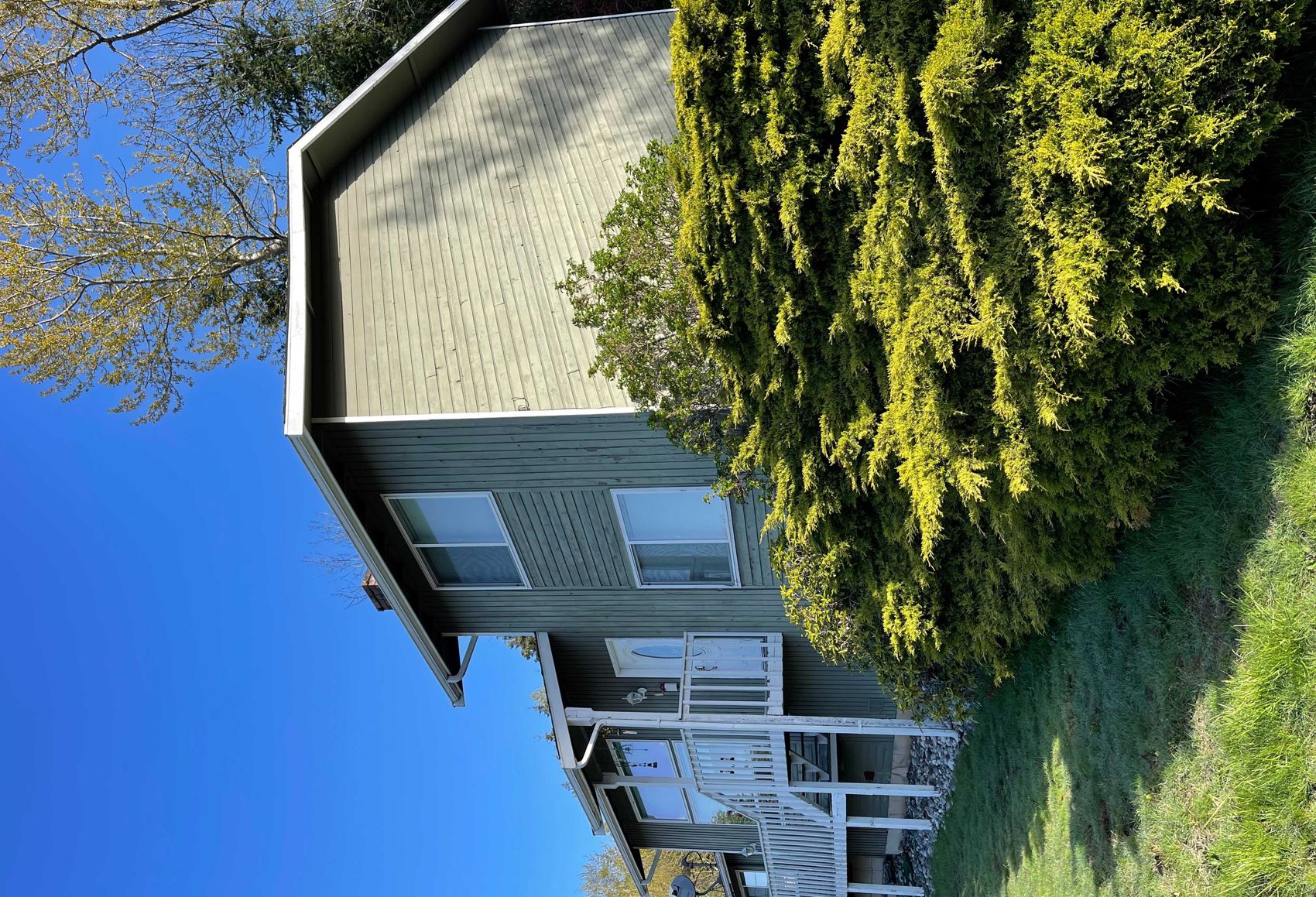
Yes. In Pinellas County, replacing siding, re-cladding a wall, or installing a new siding system on an existing home almost always requires a building permit, whether the property falls under unincorporated Pinellas County Building Services or a municipal building department such as St. Petersburg, Clearwater, Largo, Dunedin, or Pinellas Park. Small cosmetic patch repairs that don't alter the wall assembly are sometimes exempt, but a full re-side is treated as work that affects the building envelope and its wind resistance, so it goes through the same level of review as a roof replacement.
Florida regulates exterior cladding as part of the building envelope because siding is one of several layers that keep wind-driven rain out of a wall assembly and keep the wall itself attached to the structure during a storm. Under the Florida Building Code, any siding product installed on a home has to carry a Florida Product Approval number, or an approved Miami-Dade Notice of Acceptance, showing it has been tested for the wind pressures assigned to that specific site. The permit reviewer checks that approval number against the code's wind speed map for the address, the height of the building, and its exposure category, then confirms the installation instructions on file match what the contractor plans to do — fastener type and spacing, the weather-resistive barrier underneath, flashing details around windows and doors, and how the siding terminates at corners, soffits, and the foundation line. A licensed contractor typically pulls the permit and submits a scope of work, sometimes with manufacturer installation details attached, and the county or city schedules at least one inspection, often more, before the job can close out. Skipping the permit doesn't just risk a stop-work order mid-project; it can also surface later during a home sale or an insurance underwriting review, when unpermitted exterior work gets flagged and the homeowner has to pay to have it retroactively documented, or in some cases opened up and corrected, before a sale or policy can move forward.

Pinellas County sits on a narrow peninsula bounded by Tampa Bay on one side and the Gulf of Mexico on the other, so nearly every property in the county is within a few miles of open water. That geography drives design wind speeds that run higher than many inland Florida counties, which is why the Florida Building Code assigns Pinellas addresses wind pressures that push siding products, fastening patterns, and trim details toward heavier-duty specifications than a homeowner might expect from national marketing materials written for milder climates. The same coastal exposure means salt-laden air reaches most of the county, which accelerates corrosion on exposed metal fasteners, flashing, and trim over time if the wrong hardware gets used — stainless or coated fasteners rated for coastal exposure matter here in a way they wouldn't a hundred miles inland. Add Florida's humidity and the wall assembly's need to dry out after wind-driven rain gets past the first line of defense, and it's clear why the code cares about the weather-resistive barrier and drainage plane behind the siding, not just the visible product; a wall that traps moisture behind new siding is an invitation for mold growth in the sheathing and framing long before it shows on the surface. Intense year-round UV exposure also shortens the useful life of lower-grade vinyl and composite products, so color retention matters even though it isn't a permit requirement. Termite pressure is part of the picture too — Florida's climate supports subterranean and drywood termites throughout the region, and a re-side project is often the first time in years that old fascia, trim, or sheathing behind the existing cladding gets fully exposed, which is exactly when hidden termite or rot damage tends to turn up and needs to be addressed before new material gets fastened over it. None of this makes Pinellas permitting more bureaucratic for its own sake — it reflects a building code responding to a specific coastal wind, moisture, and pest environment.
Start by confirming which building department has jurisdiction over the property — unincorporated Pinellas County uses the county's Building Services division, while incorporated cities each run their own permitting office with their own timelines and online portal. Ask any contractor bidding the job for their Florida license number and confirm it's active for the scope of work; Alpine Exteriors, for example, holds Florida contractor license RB29003900, and any legitimate contractor should be able to produce a license number without hesitation. Before signing a contract, ask which specific siding product line is being proposed and request its Florida Product Approval number so it can be checked against the wind speed assigned to the address — a reputable contractor will already have this on hand rather than needing to look it up later. Make sure the permit is pulled and posted before work starts, not after, and hold off on a final payment until the required inspections have passed and the permit has been closed out by the building department.
It's also worth asking how the new siding interacts with the home's wind mitigation inspection report — the OIR-B1-1802 form insurers use for windstorm discounts documents things like roof-to-wall attachment and opening protection, and while siding itself isn't the main line item on that form, a re-side project is a reasonable time to have an outdated inspection refreshed. Finally, budget for the reality that a permitted, code-compliant siding job in Pinellas County costs more than an unpermitted "handyman" install — expect a range that reflects proper house wrap, corrosion-resistant fasteners, and a product with a wind rating suited to the address, rather than chasing the lowest bid in the stack.
Small, localized repairs that don't change the wall assembly or extend across a significant portion of an elevation are sometimes exempt from permitting, but the threshold varies by jurisdiction, so it's worth a quick call to the local building department before assuming a repair is exempt. Once a project starts to look like a partial or full re-side, most Pinellas jurisdictions will require a permit regardless of how the work gets described on paper.
Timelines vary by jurisdiction and by how complete the submitted paperwork is, but a straightforward siding permit with the correct product approval documentation attached generally moves faster than one where the reviewer has to go back and request missing wind-load or fastening information. Using a contractor who already has current product approval numbers and installation details on hand tends to shorten the review considerably compared to an incomplete application.
The product has to carry a valid Florida Product Approval, or an accepted Miami-Dade Notice of Acceptance, that covers the wind pressure assigned to the specific address based on its location, height, and exposure category. That rating is tied to the whole tested assembly, including fastener type and spacing, so substituting cheaper fasteners or skipping a specified weather-resistive barrier can invalidate the approval even when the siding panel itself is the correct product.
Siding itself usually isn't the deciding factor on the OIR-B1-1802 wind mitigation form, which focuses more on roof shape, roof-to-wall connections, and opening protection, but a re-side project is a practical opportunity to have that inspection refreshed if it's several years old. Homeowners who haven't updated a wind mitigation inspection in a while sometimes find they're leaving insurance discounts on the table regardless of the siding work itself.
Pulling a permit isn't paperwork for its own sake in a county this exposed to coastal wind, moisture, and salt air — it's the process that confirms a siding system was actually installed to withstand what Pinellas County sees most years. Alpine Exteriors handles the licensing, product approval documentation, and inspection scheduling as part of every siding project across the greater Tampa Bay region, so homeowners aren't left chasing down paperwork after the crew has already moved on. If a siding project is on the horizon for a home anywhere from Pinellas County to Hillsborough or Pasco, reach out to Alpine Exteriors for a straightforward assessment of what the code requires for that specific address before any contract gets signed.