
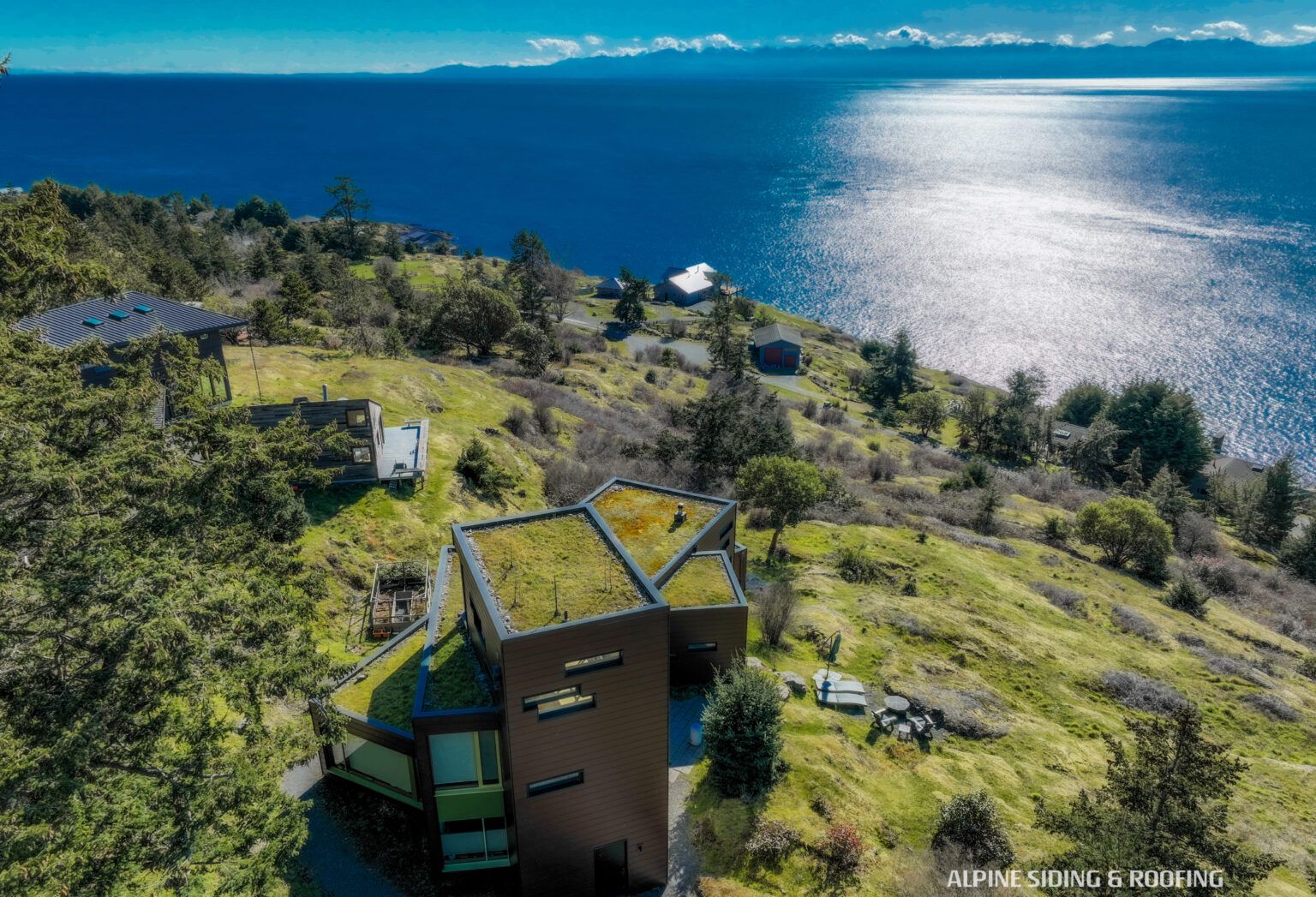
After any storm with strong wind, hail, or heavy rain, walk the perimeter of your home from the ground and look for missing or lifted shingles, dented vents or caps, granules collecting in the gutters, and any new staining on interior ceilings. If you spot two or more of those signs, or you simply can't get a clear view of the roof plane from the yard, don't climb up to look closer yourself — call a licensed roofing contractor before the next round of rain finds whatever opening the storm left behind.
That few-minute check is often the difference between catching a problem while it's still a straightforward repair and finding out about it later as a stained ceiling or a soft patch of attic decking.
Wind doesn't need to reach hurricane strength to loosen a roof system. Gusts create uplift pressure along the eaves, ridge, and corners — the same aerodynamic effect that lifts an airplane wing — and that pressure works directly against the nails and fasteners holding shingles or panels in place. A strong gust can crease a shingle tab or back a fastener out partway without tearing anything visibly loose, so the roof can look completely intact from the driveway even though its wind resistance has already been reduced. Hail and wind-driven debris add a second kind of damage: bruised or fractured shingle mat, dinged soft metal on vents and flashing, and small punctures that don't leak right away.
None of this tends to show up as an obvious hole. More often it shows up weeks later as a slow ceiling stain, swollen trim, or a musty smell in a closet under the attic — long after anyone connects it back to the storm that actually caused it.
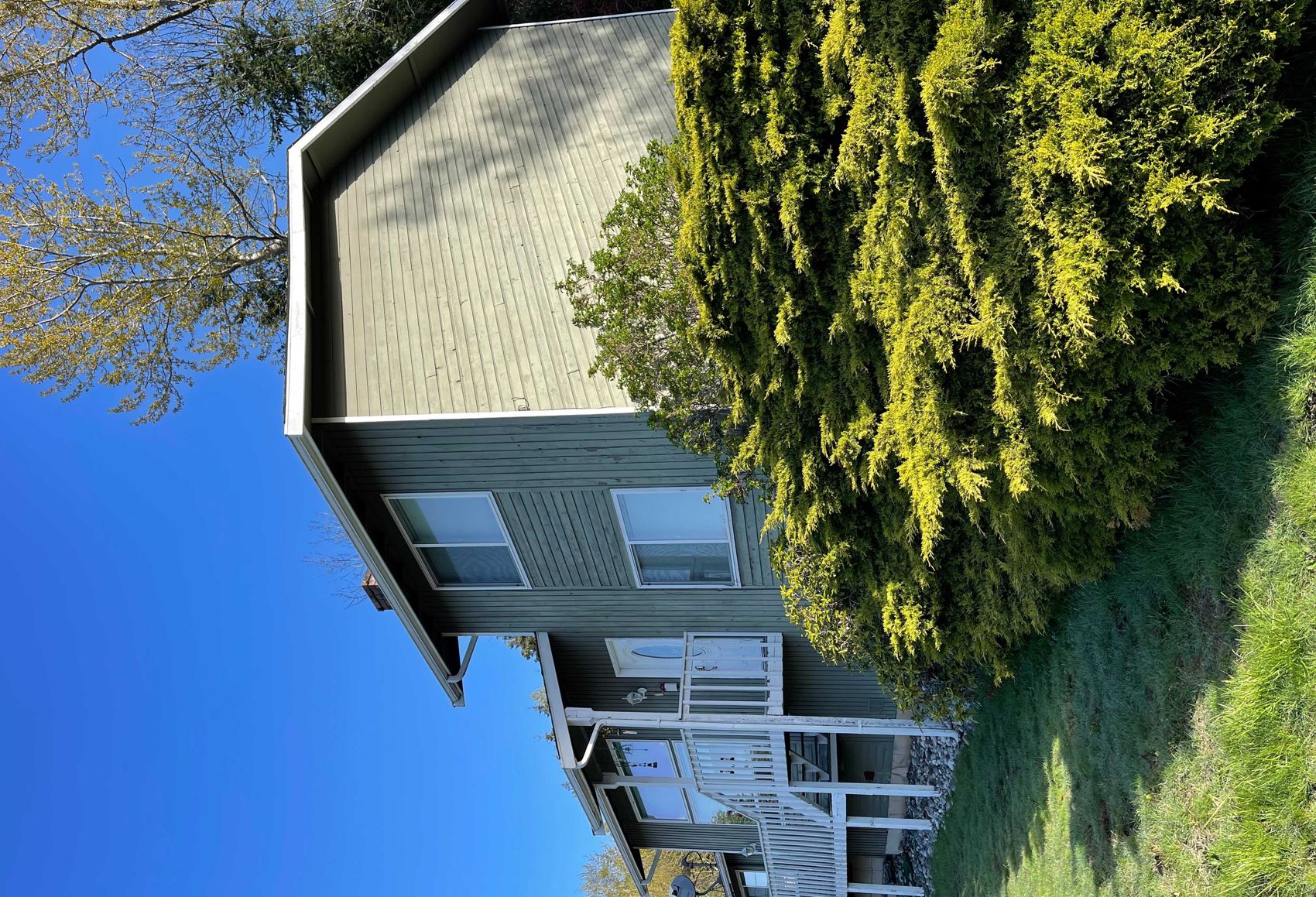
Tampa, St. Petersburg, Clearwater, and Apollo Beach sit close enough to the Gulf and the bay that homes here are built and re-roofed under stricter Florida Building Code wind provisions than most of the country requires — roofing assemblies have to be rated for the design wind speeds mapped for this stretch of coast, and many homes fall inside the wind-borne debris region as well. That's a real advantage during a storm, but it also means a roof that's out of code — older shingles, a worn nailing pattern, or a past repair done to a lower standard — has noticeably less margin left when a fast-moving squall line or a tropical system moves through.
Salt air is a factor that doesn't show up in roofing guides written for inland states. Anywhere within a few miles of Tampa Bay or the Gulf, which covers most of St. Petersburg, Clearwater, and the waterfront parts of Apollo Beach, airborne salt speeds up corrosion on exposed fasteners, drip edge, pipe boots, and flashing. A fastener that's rusted thin holds a shingle far less securely than a sound one, and that kind of weakness doesn't show from the ground — it only shows up on close inspection of the metal itself.
Humidity is the other piece that's easy to underestimate. A roof can shed a storm without losing a single shingle and still end up with moisture trapped under a lifted tab or around a pipe boot that cracked in the sun. In a climate that stays warm and humid for most of the year, trapped moisture in decking or attic insulation can start supporting mold growth within days, well before it ever becomes visible as a stain. That's part of why the inspection matters as much as the storm itself — the wind event often isn't what causes the damage that ends up costing money; the days of humidity sitting on a small breach afterward are.
Finally, this region's intense, near year-round UV exposure is already aging roofing materials faster than they'd age in a milder climate. Sealants dry out and shrink, granules loosen and wash off, and shingles get more brittle over time. A roof that's already UV-worn has less flexibility left to absorb wind and hail stress, so storm damage tends to concentrate on roofs that were already past their prime going into the storm.
Alpine Exteriors inspects roofs across Tampa, St. Petersburg, Clearwater, and Apollo Beach after major weather events, and one honest note is worth passing along: not every roof that takes wind or hail needs a full replacement. A lot of storm damage is repairable — a section of shingles, a resealed pipe boot, re-secured flashing — and a contractor willing to say that up front, rather than recommending a full tear-off on every visit, is worth trusting more than one who doesn't.
Within a few days if possible, and ideally before the next significant rain system arrives. Some damage, like a cracked seal or a loosened fastener, doesn't leak immediately, so waiting weeks to check gives Florida's humidity time to turn a small breach into a bigger problem.
A ground-level walk and an attic check with a flashlight are safe and worth doing yourself. Getting on the roof deck itself, especially one that's wet or already storm-damaged, carries real fall risk, and a professional can also read uplift and flashing damage that isn't obvious to an untrained eye — that's when it makes sense to bring in a company like Alpine Exteriors for a closer look.
It depends on the policy, the type of damage, the age of the roof, and how quickly it's documented. Wind damage and flood damage are typically treated very differently under Florida policies, and coverage isn't guaranteed in every case, so it's worth documenting everything and contacting your insurer promptly rather than assuming either way.
Yes. Wind uplift and hail bruising often don't show from ground level, and in a climate this humid, a small breach that goes unnoticed can develop into decking rot or attic mold well before it becomes visible as a ceiling stain inside the house.
If a storm has recently passed through Tampa, St. Petersburg, Clearwater, or Apollo Beach and you'd like a second set of eyes on your roof before the next system rolls in, Alpine Exteriors offers on-site inspections across the Tampa Bay area. Reach out to schedule a walk-through, get straight answers about what's actually going on up there, and, if repairs are needed, a plan that addresses the real damage rather than more than that.