
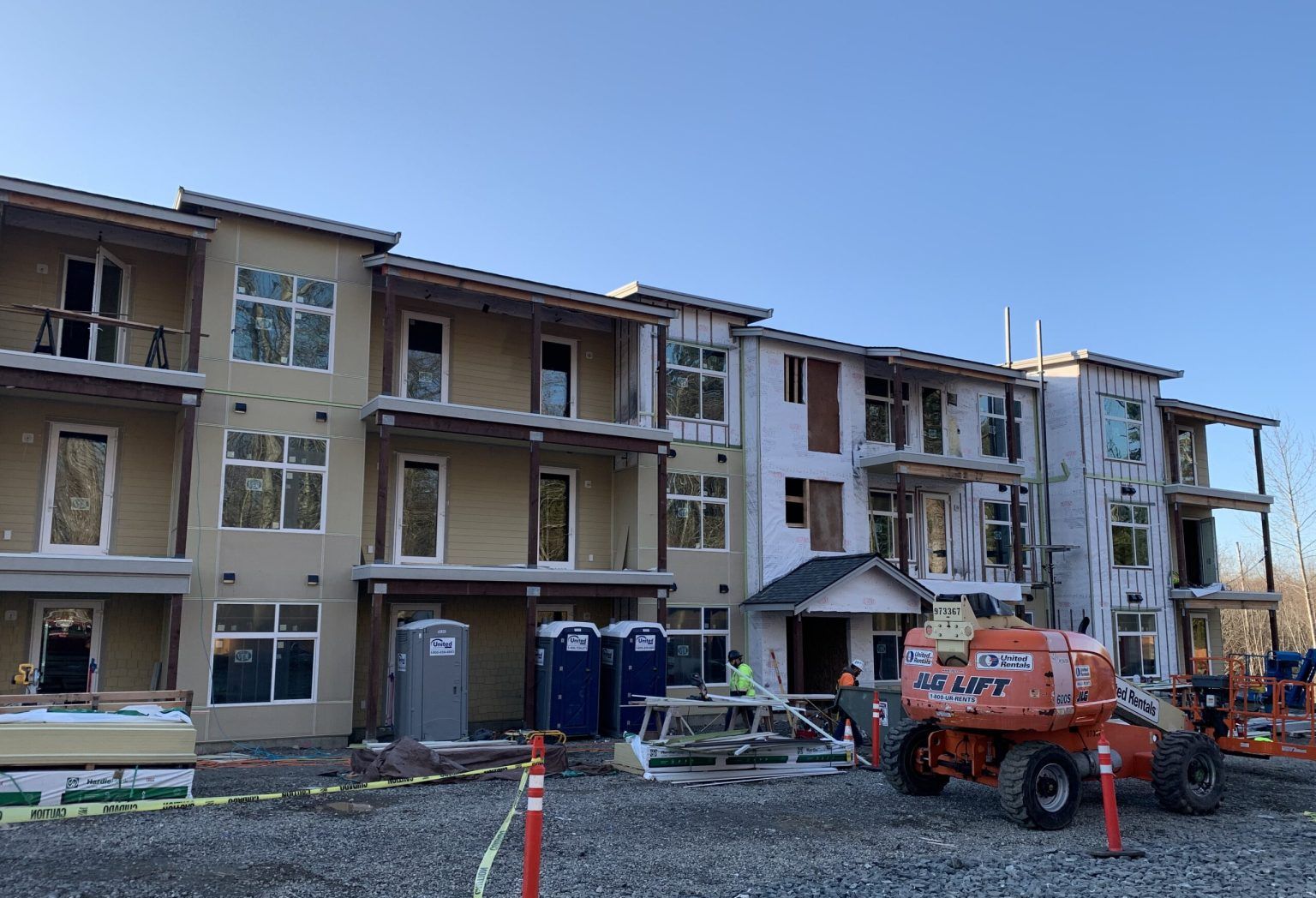
Yes. Concrete block (CMU) walls are the standard construction method across Tampa, Wesley Chapel, Lutz, Land O' Lakes, New Port Richey, Plant City, and Zephyrhills, and vinyl, fiber cement, or engineered wood siding can all be installed over block once the wall gets a furring strip system. Furring strips are vertical wood or metal members fastened through the block's stucco or parge coat into the masonry, creating a flat, fastenable surface with an air gap behind the new siding instead of nailing siding straight to a hard, uneven wall.
That gap matters more than it sounds like it should. Without it, siding either won't hold fasteners reliably or it traps moisture directly against the block, and in a climate that cycles between soaking rain and intense sun almost every week, that's a shortcut that shows up as buckled panels or soft trim within a few years.
A proper furring job starts with the block wall itself, not the siding. The existing stucco gets inspected for cracking, spalling, or hollow spots, since furring strips fastened over failing stucco will eventually pull loose along with it. Any repairs happen first.
From there, the typical sequence is:
The siding itself — vinyl, fiber cement lap, or engineered wood — then fastens to the furring exactly as it would to standard wood-frame sheathing. From the street, a furred block home and a wood-frame home end up looking identical; the difference is entirely in what's happening behind the cladding.
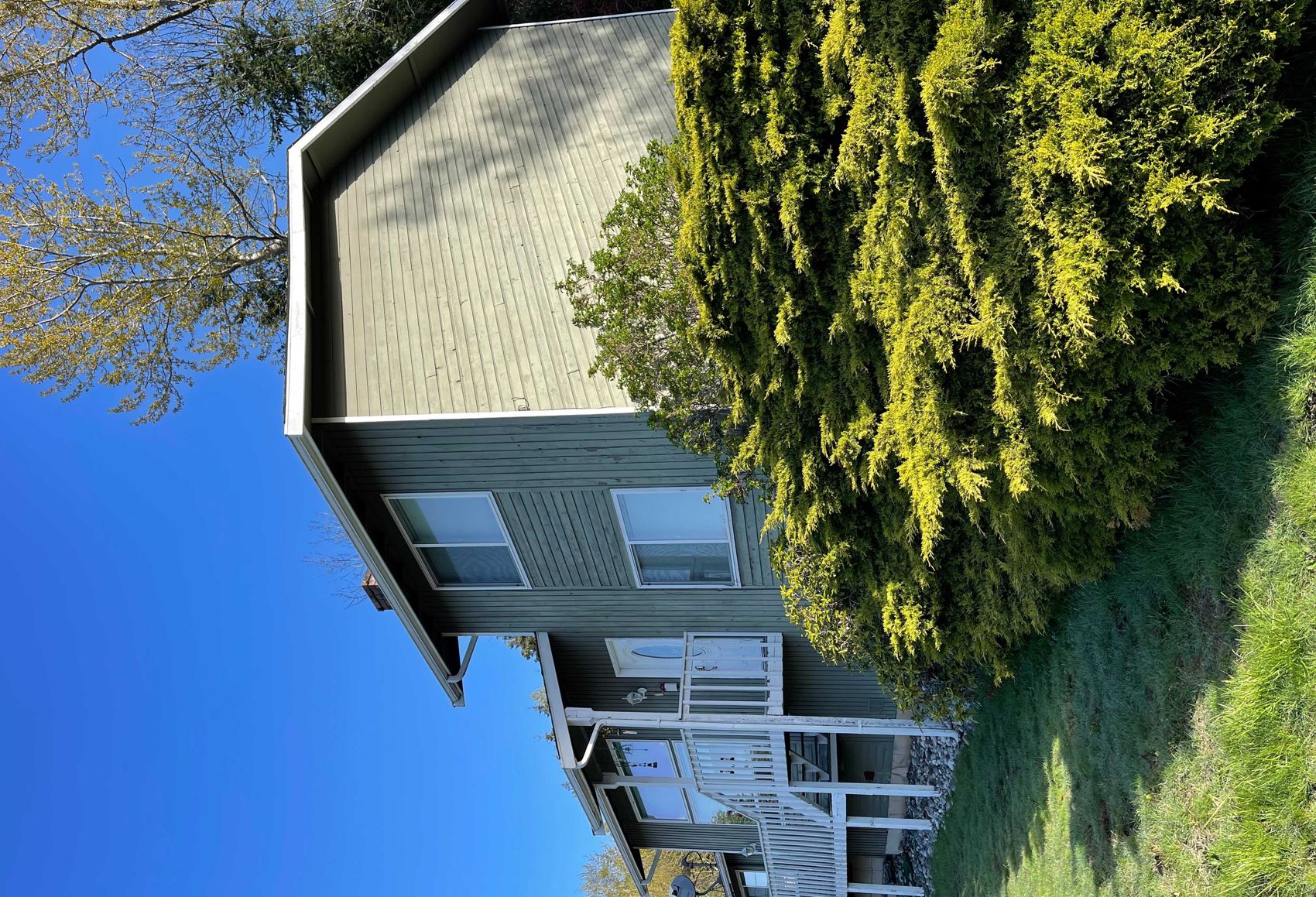
A few regional conditions shape almost every decision on a furring-and-siding project out here, and they're not the same conditions you'd design around further north.
Hurricane wind loads and wind-driven rain. Tampa Bay sits outside Florida's High-Velocity Hurricane Zone (that designation applies to Miami-Dade and Broward), but the area is still squarely under Florida Building Code wind design requirements, and coastal stretches near New Port Richey fall inside the wind-borne debris region. Siding, trim, and the fastening pattern into the furring all need to hold up to sustained wind pressure and, more importantly, to wind-driven rain — storms here don't just drop water straight down, they push it sideways under laps and around penetrations. That's the real reason the drainage gap behind the furring exists: it's the backstop for water that wind pressure forces past the siding's face.
Humidity and mold pressure. Tampa Bay's humidity stays high most of the year, and any cavity behind siding that can't drain or dry becomes a place for mold and wood rot to establish, especially where furring strips sandwich moisture against block. This is why the furring material, the drainage layer, and the fastener choice all need to work together — a system that traps water is worse than no furring gap at all.
Intense UV exposure. Florida sun fades and embrittles lower-grade vinyl and breaks down poorly formulated caulks faster than in milder climates, so material selection and periodic recaulking of trim joints matter more here than in a lot of the country.
Termites. Concrete block construction exists partly because it resists termites better than an all-wood structure, but a furring system reintroduces wood into direct contact with the exterior wall. Subterranean and Formosan termites are both established in the Tampa Bay area, so any wood furring should be pressure-treated lumber rated for exterior use, and it's worth having furring strips inspected as part of normal termite service rather than assumed to be maintenance-free just because they're treated.
Salt air near the Gulf. Homes closer to the coast in New Port Richey and similar areas deal with salt-laden air that accelerates corrosion on ordinary fasteners. Furring and trim work in those areas holds up longer with stainless steel or hot-dip galvanized fasteners rather than standard coated screws, which is a small upcharge that avoids rust streaking and loosened fasteners down the road.
Code and product approval. Siding installed in Florida has to carry a Florida Product Approval number showing it's been tested for wind pressure resistance appropriate to the wind speed zone the home sits in, and the installation itself has to meet Florida Building Code requirements for attachment. This isn't paperwork you can skip — it's what an inspector or, later, an insurance adjuster will ask to see if there's ever storm damage to evaluate.
If you're weighing a furring-and-siding project on a block home in this area, a few decisions make the biggest difference in how the job performs over the next fifteen or twenty years:
Alpine Exteriors handles furring and siding installation on block homes throughout Tampa, Wesley Chapel, Lutz, Land O' Lakes, New Port Richey, Plant City, and Zephyrhills, and walks homeowners through exactly which of these choices apply to their specific wall condition and location before any furring goes up.
Block walls don't hold standard siding fasteners the way wood framing does, and gluing or shooting siding directly to masonry leaves no drainage path for any water that gets behind it. Furring solves both problems at once — it gives fasteners real wood to bite into and creates a gap for water to drain and air to dry the cavity.
It shouldn't, if it's built correctly. A furring cavity with a proper drainage layer or venting actually helps the wall dry out faster after rain than block with no gap at all. The risk of trapped moisture comes from a furring system installed without any drainage plane, not from furring itself.
Fiber cement, quality vinyl rated for high wind zones, and engineered wood siding all perform well over a properly built furring system in this climate; the bigger factor is usually installation quality and fastener choice rather than which of these three materials is picked. Each has real tradeoffs in cost, maintenance, and appearance worth weighing against the home and budget.
Furring adds labor for strapping, shimming, and often a drainage layer, plus the furring material itself, so a block home typically costs more per square foot to re-side than a comparable wood-frame home. The exact difference depends on the block wall's condition, how much shimming it needs, and whether insulation is added in the furring cavity — a site visit is the only reliable way to price it.
Furring a block home for new siding is a job worth getting right the first time — it's not a project most homeowners want to redo in ten years because the drainage plane or fasteners were an afterthought. Alpine Exteriors (FL license RB29003900) installs furring and siding systems built for Tampa Bay's wind, humidity, and termite pressure, serving Tampa, Wesley Chapel, Lutz, Land O' Lakes, New Port Richey, Plant City, and Zephyrhills. Reach out for an on-site look at your block walls and a straightforward walkthrough of what your home actually needs.