
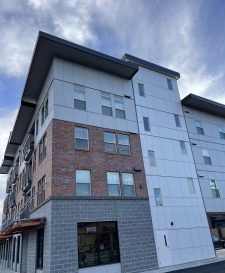
For homes in Tampa, Wesley Chapel, Lutz, Land O' Lakes, New Port Richey, Plant City, and Zephyrhills, the two siding types that consistently hold up best are fiber cement and impact-rated vinyl. Both resist the moisture and mold pressure that comes with year-round humidity, both carry Florida Product Approval ratings that satisfy the wind provisions of the Florida Building Code, and neither gives termites anything to eat. Fiber cement tends to win when a homeowner wants the look of painted wood without the upkeep and is willing to pay more up front. Impact-rated vinyl tends to win on installed cost and near-zero maintenance, with the tradeoff being a more limited range of finishes. Aluminum siding still has a place on some older homes and specific repair situations, but it is a narrower fit than the other two. There is no single best answer for every house — the right pick depends on your budget, your home's wall assembly, and how much maintenance you're honestly willing to do.
Tampa Bay's climate is not gentle on exterior building materials, so this is how Alpine Exteriors weighs each siding option against the conditions that actually show up on jobs in this area, not generic marketing checklists.
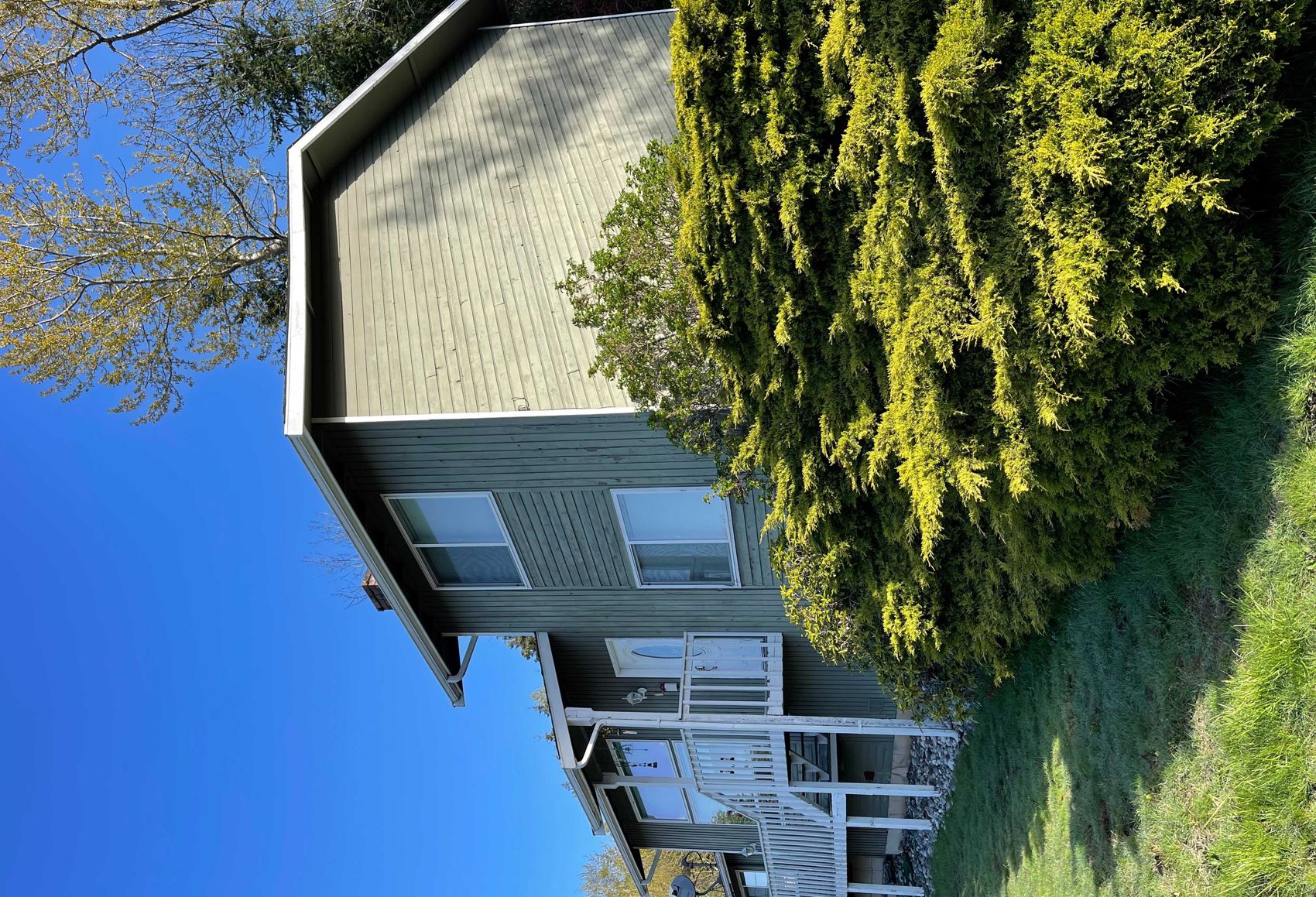
Fiber cement is a blend of cement, sand, and cellulose fibers, formed into planks or panels and factory-finished or field-painted. It has become a common recommendation Alpine Exteriors makes for Tampa Bay homeowners who want a wood look without wood's problems.
Pros: It doesn't absorb moisture the way wood does, so it resists the swelling and rot that humidity causes over time. It's non-combustible and termites have no interest in it. Factory-applied finishes are formulated to handle intense UV better than field-applied paint alone. Fiber cement products sold in this market carry Florida Product Approval documentation for the wind pressures required here, and thicker profiles hold up well to wind-driven rain when flashed correctly.
Cons: It's heavier and more labor-intensive to install than vinyl, which shows up in the installed price. It still needs to be caulked and periodically repainted at the joints and cut edges — skip that maintenance and moisture will eventually find its way in around fasteners and seams. It can crack on impact from severe hail or debris, though this is uncommon in a normal storm season here. Installation quality matters enormously with fiber cement; a rushed or improperly flashed job will trap moisture behind the boards, which is exactly the failure mode you're trying to avoid in this climate.
Modern vinyl siding sold for Florida markets is a different product than the thin vinyl from decades ago. Thicker-gauge, impact-rated vinyl panels carry their own Florida Product Approval ratings and are engineered to stay locked together in high wind.
Pros: Vinyl doesn't rot, doesn't feed termites, and never needs painting — the color runs through the material, which matters under strong UV since there's no paint film to chalk or peel. It's lighter and generally faster to install than fiber cement, which usually keeps labor costs down. Good-quality vinyl handles humidity well because it doesn't absorb water at all; there's no substrate to swell or mold.
Cons: Color options are more limited than paint, and dark colors can absorb enough heat under Florida sun to warp lower-quality panels over time — this is a real reason to avoid the cheapest product lines here. Standard, non-impact-rated vinyl is not appropriate for this region and can fail in high wind, so the impact-rated versions cost more than the vinyl you'd see advertised nationally. Insulated vinyl — panels backed with rigid foam — improves impact resistance and thermal performance a bit, but if it's installed without adequate drainage behind it, it can trap moisture against the wall sheathing, a real concern in a climate this humid, and something that depends entirely on correct installation, not the product itself.
Aluminum siding is less commonly installed new today but still shows up on repair and match-existing jobs, particularly on older homes in Tampa and the surrounding cities.
Pros: It's non-combustible, doesn't rot, and termites can't touch it. It sheds water well and, unlike vinyl, doesn't soften or warp in heat.
Cons: It dents more easily than fiber cement or vinyl, and dents don't pop back out. Factory finishes chalk under years of intense UV exposure, and once that starts, the surface needs to be treated or repainted to keep it looking presentable. Closer to Tampa Bay and the Gulf side near New Port Richey, salt air can accelerate corrosion at cut edges, fasteners, and seams over the long term, more so than it affects fiber cement or vinyl. For most full-replacement projects in this region, fiber cement or impact-rated vinyl is a better long-term fit; aluminum still makes sense for matching existing siding or for specific repair scopes.
A few materials and shortcuts come up often enough in this market that they're worth calling out directly.
Not directly. The OIR-B1-1802 wind mitigation inspection form that Florida insurers use focuses mainly on roof age, roof shape, roof-to-wall attachment, and opening protection like windows and doors — wall siding itself isn't a line item on that form. New siding can still reduce water intrusion claims over time by sealing up old gaps and failing caulk joints, but don't expect it alone to change your wind mitigation credit.
Yes, and this matters as much as material choice. In a climate this humid, house wrap laps, flashing at windows and penetrations, and ventilation gaps behind the siding all need to be detailed so moisture that does get in can dry out rather than sit trapped against the sheathing. Two identical siding products installed by different crews can have very different long-term outcomes in this climate.
Siding itself is attached with corrosion-resistant fasteners spaced according to the product's Florida Product Approval and the wind pressure rating that applies to your specific site, which varies somewhat across Tampa Bay. Hurricane straps are a structural connection between the roof and walls, separate from siding attachment, but both are part of the same wind-resistance picture the Florida Building Code is built around.
It depends heavily on the product and the installation quality, and we won't invent a precise figure — but well-installed fiber cement and impact-rated vinyl are both built for multi-decade service in coastal Florida conditions when properly flashed, maintained, and not neglected after storm damage. Cutting corners on installation shortens that timeline regardless of which material you choose.
Every home in Tampa, Wesley Chapel, Lutz, Land O' Lakes, New Port Richey, Plant City, and Zephyrhills faces a slightly different mix of sun exposure, wind zone, and moisture load, and the right siding choice depends on those specifics along with your budget and how the current wall assembly is holding up. Alpine Exteriors is a licensed Florida contractor, license RB29003900, and works through these tradeoffs with homeowners honestly, including telling you when a repair makes more sense than a full replacement. If you're weighing fiber cement against vinyl, or trying to figure out why a previous installation is already showing problems, reach out for a straightforward look at your options and a written estimate before you decide.