
Picking a siding color in Tampa, Wesley Chapel, Lutz, Land O' Lakes, New Port Richey, Plant City, or Zephyrhills is a different exercise than picking one in a milder climate. Whatever color goes up on your house has to survive months of intense, nearly overhead sun, humidity that rarely breaks, sudden wind-driven downpours, and the occasional tropical system pushing in off the Gulf. Alpine Exteriors has installed siding across all of these communities long enough to see which colors actually hold up out here versus which ones just look good on a sample chip. Here's an honest breakdown.
For most homes in this region, we point people toward warm light-to-medium neutrals — sandy beige, warm greige, and dune tones — with classic white and off-white as a close second choice. Both categories reflect more solar heat than dark colors, resist visible fading longer under Florida's UV load, and sit comfortably next to the brick, stucco, and tile-roof combinations already common from South Tampa out to Zephyrhills. A muted coastal blue-gray is a solid third option, especially for homes closer to the Gulf in New Port Richey. The color we're most cautious about as a full-field choice is true black or very deep charcoal — not because it looks wrong, but because dark siding runs measurably hotter, shows fade and chalking sooner, and can strain some vinyl products past what they were engineered to handle in sustained Florida heat.
Color choice out here isn't just aesthetic, so we weighed each option against the same practical questions before writing anything below.
Warm neutrals are the safest, best-performing choice for most of Tampa Bay, and it isn't close. Light-to-medium sand and greige tones reflect a meaningful share of solar radiation compared with darker colors, which keeps the siding itself cooler and reduces the visible chalking and pigment breakdown that shows up after a few Florida summers. These tones also do a good job of hiding pollen dust, light dirt, and the fine mineral staining that can build up during our rainy season.
The honest drawback: on a plain box-shaped home with minimal trim contrast, an all-sand or all-greige palette can read a little flat. It works best paired with a slightly darker trim color, stone or brick accents, or a contrasting front door rather than used edge-to-edge with no variation. It's also a very common choice in this region, so if you want a house that stands out on the street, this isn't the category that will do it.
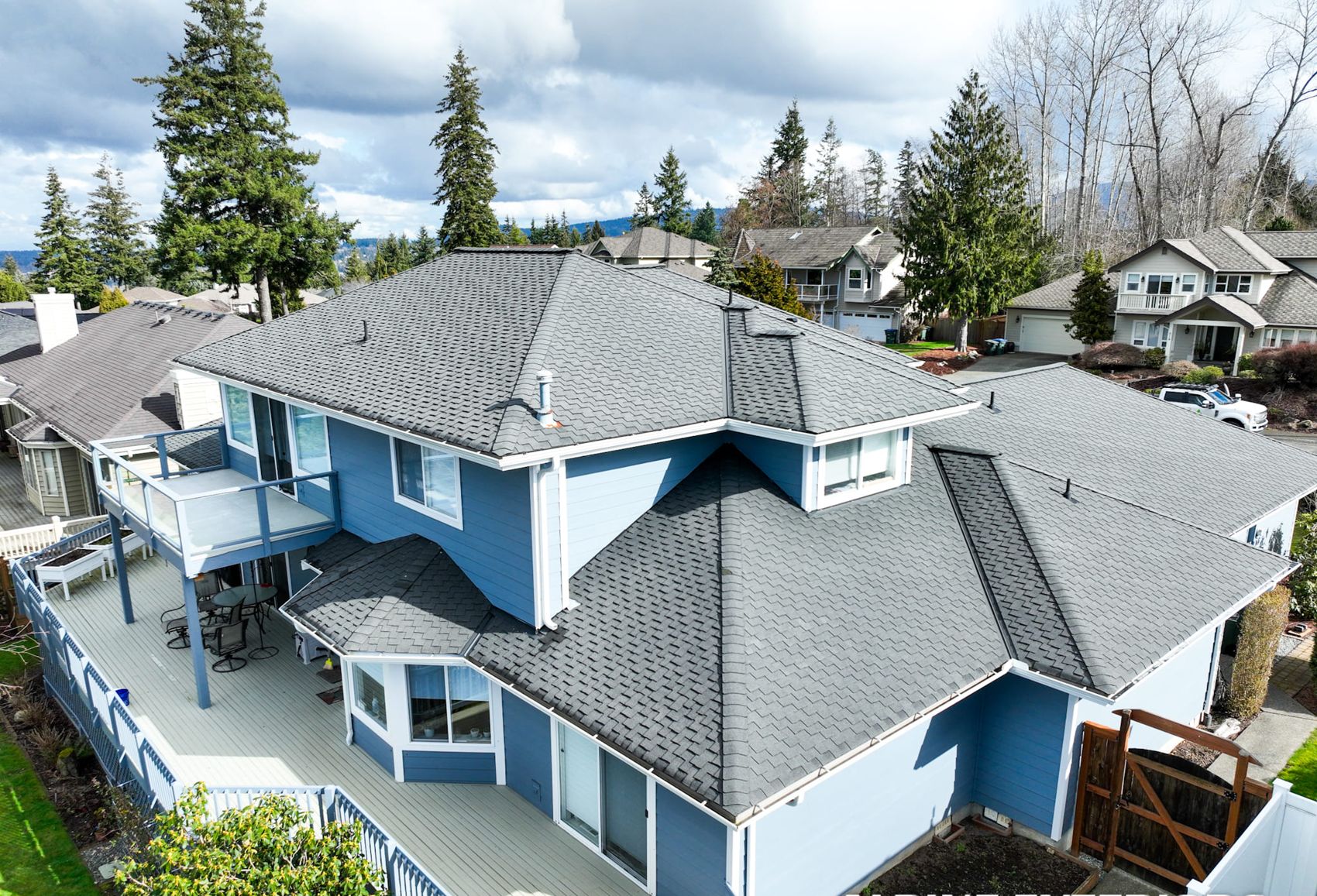
A soft, muted blue-gray is popular for a reason — it fits the coastal identity a lot of Tampa Bay homeowners are going for, especially in neighborhoods closer to the water in New Port Richey or along the bay in South Tampa. Mid-tone blue-grays absorb noticeably less heat than a true navy or slate, and they tend to hide light mildew staining reasonably well between cleanings.
The tradeoff is pigment quality and longevity. Cheaper blue pigments can shift toward a muddy gray cast after years of intense UV exposure, more noticeably than on a neutral tan. If you go this route, ask specifically about the manufacturer's UV warranty and colorfastness rating for that particular shade rather than assuming all blues perform the same. Homes closer to the Gulf should also confirm the trim and fastener hardware is rated for salt-air exposure, since that environment is harder on metal components regardless of siding color.
White and soft off-white sit at the top of the list for solar reflectance, meaning less heat gain on the wall assembly and generally the slowest visible fade of any color group, since there's little pigment to break down in the first place. It's also the easiest color to touch up or match years later if a panel gets damaged.
The real drawback in this climate is maintenance, not durability. Humidity that never fully lets up is exactly the environment mildew and algae like, and those green-black streaks show up faster and more obviously on white than on a mid-tone neutral. A bright white home under oak canopy in Lutz or Land O' Lakes will typically need more frequent soft-washing than the same home in tan or gray. Glare is a smaller, more subjective issue — some homeowners find a large expanse of stark white too bright under direct sun and prefer an off-white instead.
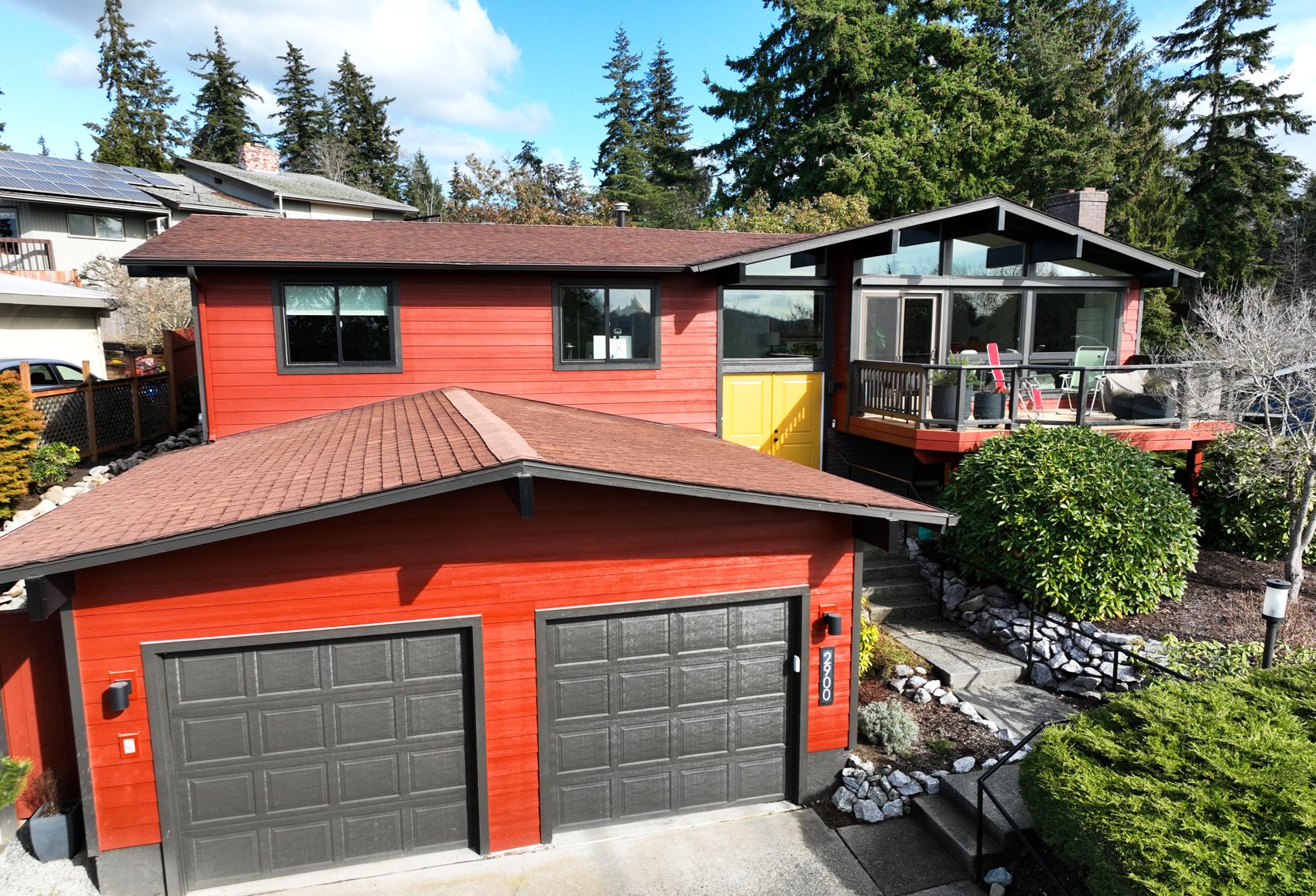
Dark colors have real curb-appeal advantages, and we don't think they should be ruled out entirely. Charcoal or navy trim, shutters, a front gable, or a single accent wall can add contrast and a more modern look without covering the whole house in a heat-absorbing color. Used sparingly, the drawbacks below matter a lot less because the total surface area exposed is small.
As a full-field siding color, though, deep charcoal and navy are the choices we're most cautious about recommending in Tampa Bay. Dark surfaces run hotter under direct sun, and with vinyl siding specifically, sustained heat can cause warping or buckling unless the product is a newer, heat-engineered formulation built for darker colors — and it's worth asking your contractor whether a specific dark shade is rated for full sun exposure on your home's orientation. Dark pigments also tend to show fading and chalking sooner than lighter colors under year-round UV exposure, so a charcoal home may need repainting or resurfacing sooner than a tan or white one using the same base material.
Sage and muted olive tones work well on heavily wooded lots, which describes a fair number of properties in Lutz, Wesley Chapel, and Land O' Lakes with mature oak canopy. A soft green can blend with the surrounding landscape rather than fight it, and it tends to hide leaf litter and organic staining better than a stark white would in the same setting.
It's a less common choice, which cuts both ways — it can make a home feel distinctive, or it can look out of place in a subdivision where every other house is neutral, particularly if an HOA has an approved color list that doesn't include it. Lower-grade green pigments can also fade toward a dull, muddy tone faster than neutrals under sustained UV, so this is a category where paying for a better colorant is worth it if you go this direction.
The siding surface itself runs measurably hotter in dark colors under direct sun, which is why dark vinyl siding has a real risk of warping or buckling unless it's a heat-engineered product rated for that use. Whether that translates into a hotter interior depends more on your insulation, attic ventilation, and windows — siding color is one factor among several, not the whole story.
Some fading is normal for every siding color over enough years of UV exposure; the question is how much and how fast. Lighter neutrals and whites tend to show the least visible change because there's less pigment to break down, while darker colors and lower-quality colorants fade and chalk more noticeably. Ask your contractor about the manufacturer's specific colorfastness or fade warranty for the shade you're considering rather than assuming all colors in a product line perform the same.
Fiber cement siding, properly painted and maintained, generally holds paint and color well in humid climates, offers strong resistance to moisture-related issues like rot, and isn't a food source for termites the way wood-based siding can be. High-quality vinyl with UV-stable, all-the-way-through color also performs well and doesn't require repainting. Either can work in Tampa Bay; the bigger factor is product quality and correct installation more than the material category alone.
No — the color itself isn't a factor on the OIR-B1-1802 wind mitigation inspection form, which documents construction features like roof covering, roof-to-wall connections, and opening protection. What does matter for both wind performance and insurance purposes is whether the siding product installed carries a valid Florida Product Approval and was installed to that approval's specifications, which is a separate conversation from which color you pick.
The right siding color for a home in Tampa isn't automatically right for a shaded lot in Lutz or a windier stretch of New Port Richey, and a color that photographs well isn't always the one that holds up best on your specific elevation and sun exposure. Alpine Exteriors, Florida contractor license RB29003900, works with homeowners across Tampa, Wesley Chapel, Lutz, Land O' Lakes, New Port Richey, Plant City, and Zephyrhills to match a siding color and product to the way sun actually hits your house, not just what looks good in a showroom. If you're weighing colors and want an honest read on how a specific shade will perform on your home, reach out to Alpine Exteriors for a free consultation.