
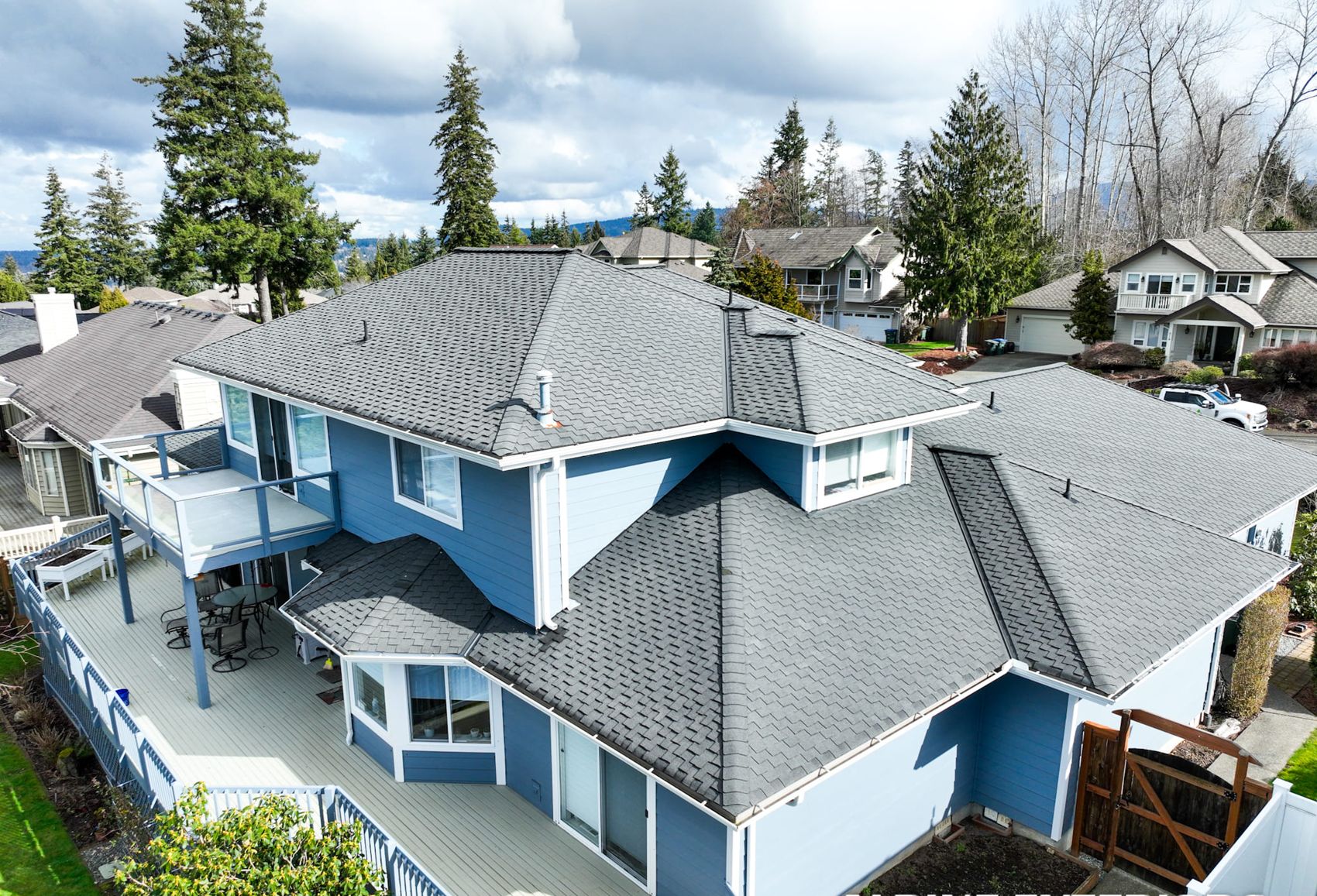
Farmhouses and rural properties around Plant City and Dover generally need siding rated for open-field wind exposure, resistant to subterranean termites, and tolerant of Florida's humidity — a standard suburban vinyl or bargain fiber-cement job isn't automatically wrong for a farm property, but it has to be specified for that exposure, not just picked off a sample rack. The material name on the brochure matters less than its wind-pressure rating, how it's fastened into the wall, and what's installed behind it.
That's the short version. The rest of this guide covers why farm and rural properties in this part of eastern Hillsborough County behave differently than a subdivision house ten miles closer to Tampa, and what that means for the choices a homeowner actually has to make.
Plant City and Dover sit inland, away from the Gulf, so salt-air corrosion — a real problem for coastal Pinellas or south Tampa properties — isn't a major factor here. What does matter is wind. Hillsborough County's design wind speeds under the Florida Building Code apply across the whole county, farmland included, and siding installed here still has to carry a documented Florida Product Approval or a recognized third-party wind-load rating (many manufacturers use Miami-Dade County Notice of Acceptance testing as their evidence of compliance even though this area sits outside the High-Velocity Hurricane Zone). A permit reviewer can ask for that documentation on a re-side job just as they would on new construction, and skipping it is one of the more common ways a project gets flagged mid-build.
Wind-driven rain is the other half of that equation. Hurricanes and tropical systems that track through central Florida don't need to make direct landfall nearby to push sideways rain into wall assemblies for hours at a time. Siding that isn't lapped, flashed, and fastened correctly will let water past the face material — the material itself is almost never the actual failure point, the flashing and house-wrap detailing behind it usually is.
Add in Florida's humidity and the picture is complete: moisture that gets behind siding here doesn't dry out quickly, and it doesn't take long for trapped moisture to turn into rot in wood substrate or mold on cut edges and seams. None of this is unique to farm properties, but it's the baseline every siding decision in this area has to account for before regional specifics even come into play.
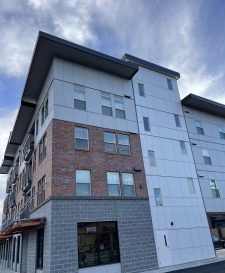
Plant City and Dover are working agricultural communities — strawberry fields, row crops, packing houses, and a mix of older farmhouses, mobile and manufactured homes, and newer rural construction on larger lots. That combination creates a few conditions that a typical Tampa or Wesley Chapel subdivision doesn't deal with in the same way:
None of these conditions individually is exotic — Florida siding work always deals with wind, humidity, UV, and termites to some degree. What's different in Plant City and Dover is the combination and the intensity: more open exposure, more older wood substrate, and more direct sun and dust than a typical infill lot closer to the coast.
Before choosing a material or a color, a few concrete steps make a bigger difference than the brand name on the siding:
The honest tradeoff is that doing this correctly — proper wind-rated product, correct water-resistive barrier detailing, termite-aware installation — costs more up front than the cheapest re-side available in this market, and it takes longer because substrate repair and flashing work can't be rushed. For a property that's going to sit exposed on open farmland through hurricane seasons for the next 20-plus years, that upfront cost is generally the better trade.
Yes, in the sense that any siding installed here still has to meet Florida Building Code wind-pressure requirements for Hillsborough County — that's a countywide standard, not a coastal-only one. Being inland means you're not dealing with salt-air corrosion the way a Gulf-front property would, but open farmland exposure can actually put more direct wind pressure on your walls than a sheltered subdivision lot, so the wind rating still matters.
Better-grade vinyl with UV-stabilized formulation can perform reasonably well, but lower-grade vinyl on an unshaded wall in this area will fade and can become brittle faster than the same product on a tree-shaded suburban lot. If most of your walls sit in full sun with no canopy, it's worth comparing a heavier-gauge or insulated vinyl against fiber cement before deciding on cost alone.
It affects the installation details more than the material brand. Fiber cement, vinyl, and properly treated engineered wood are all viable choices, but the bigger factor is keeping any wood trim or siding off soil contact, addressing existing termite activity before the substrate is covered, and maintaining an active termite protection program — siding alone doesn't solve a termite problem.
It's a real but manageable issue — homes close to active row-crop or strawberry fields can pick up more dust and occasional light residue than a home in a built-up neighborhood, which usually just means more frequent gentle washing rather than a different material. Smoother-surfaced siding tends to rinse cleaner than heavily textured finishes if this is a concern for your specific lot.
Alpine Exteriors, Florida contractor license RB29003900, works with homeowners throughout Tampa, Wesley Chapel, Lutz, Land O' Lakes, New Port Richey, Plant City, and Zephyrhills, including rural and agricultural properties around Dover where wind exposure, older wood substrate, and termite pressure all factor into the right siding plan. If you're weighing a re-side on a farmhouse or a rural lot in this area, we can walk the property, look at what's actually behind the existing siding, and lay out material and cost options suited to how exposed your specific site is — reach out to schedule a look at your home.