
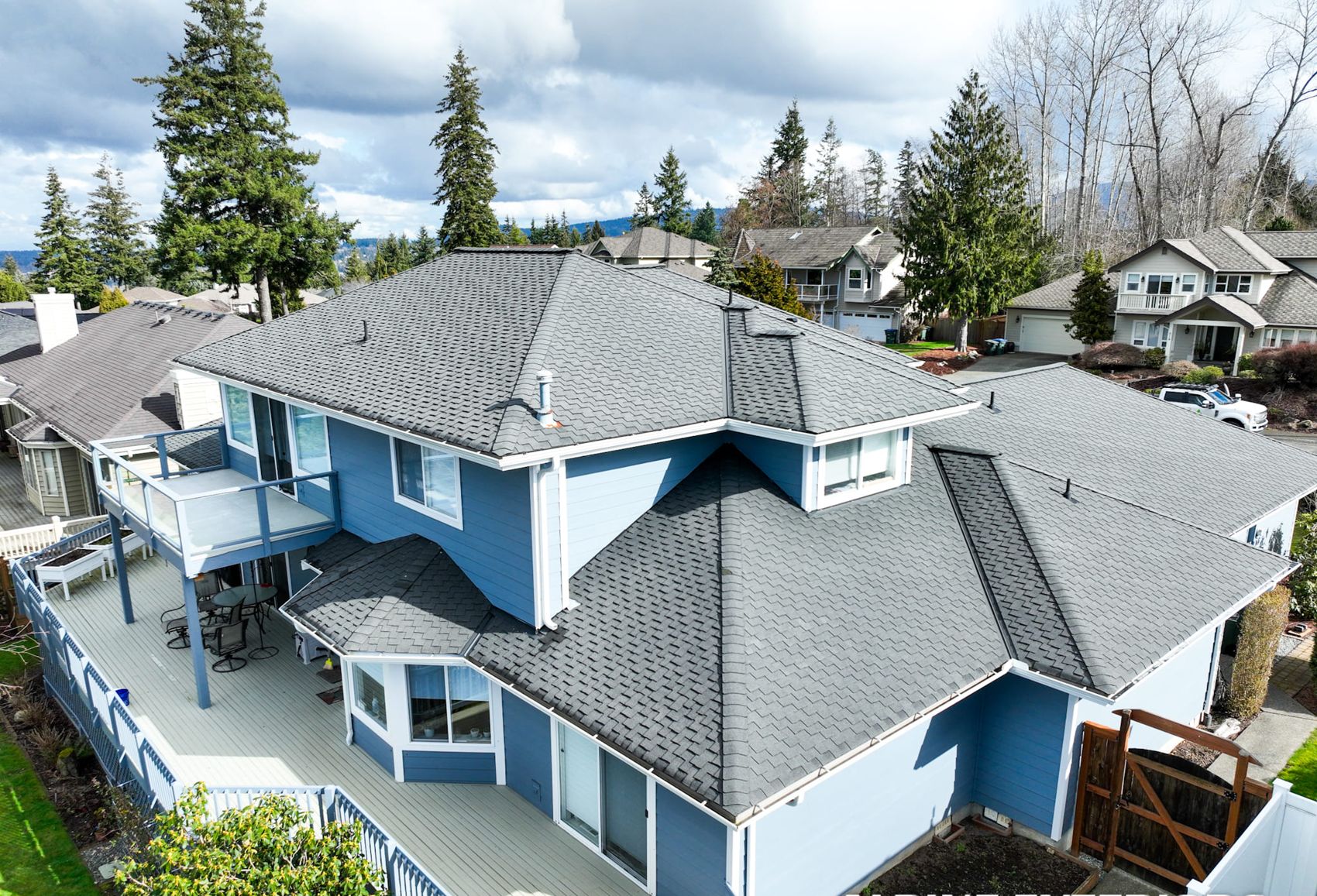
Land O' Lakes sits inland from the Gulf, ringed by lakes, cypress heads, and the live oak canopy that gives so many of its subdivisions their shade. That geography, combined with central Florida's sun and storm patterns, narrows the field of siding colors that actually hold up here. This guide walks through what we look for when a Pasco County homeowner asks us to help pick a color, which shades tend to perform best on Land O' Lakes homes specifically, and which choices tend to cause regret a few summers in. Alpine Exteriors has fielded this question from homeowners in Connerton, Del Webb, Wiregrass Ranch-adjacent neighborhoods, and the older platted lots off Land O' Lakes Boulevard, and the honest answer is: the "best" color depends on your roof, your HOA, your tree cover, and how much fade you're willing to tolerate before a repaint or panel swap.
For most Land O' Lakes homes, we point people toward warm neutrals first: greige, sandstone, and warm taupe read well against the sandy soil, red clay accents, and heavy green tree cover common in this part of Pasco County. Soft dove gray is a close second, especially on homes with dark asphalt roofs, because it doesn't fight the roofline the way a warmer tone can. Classic white or a soft off-white with a contrasting trim color remains a safe, HOA-friendly choice that has aged well on older Land O' Lakes streets for years. Muted sage or olive green is a smaller but growing pick for homes tucked under oak canopy, since it blends into the landscape rather than standing out against it.
What ties these together is UV performance and how gracefully they show wear. Central Florida sun is intense and nearly year-round, and any siding color you choose is going to fade to some degree over its service life. The colors above tend to fade evenly and subtly rather than showing a stark, patchy contrast between sun-exposed and shaded wall faces — which matters more here than it does in a milder climate.
We don't rank siding colors on looks alone. For a Land O' Lakes project, several regional factors carry real weight:
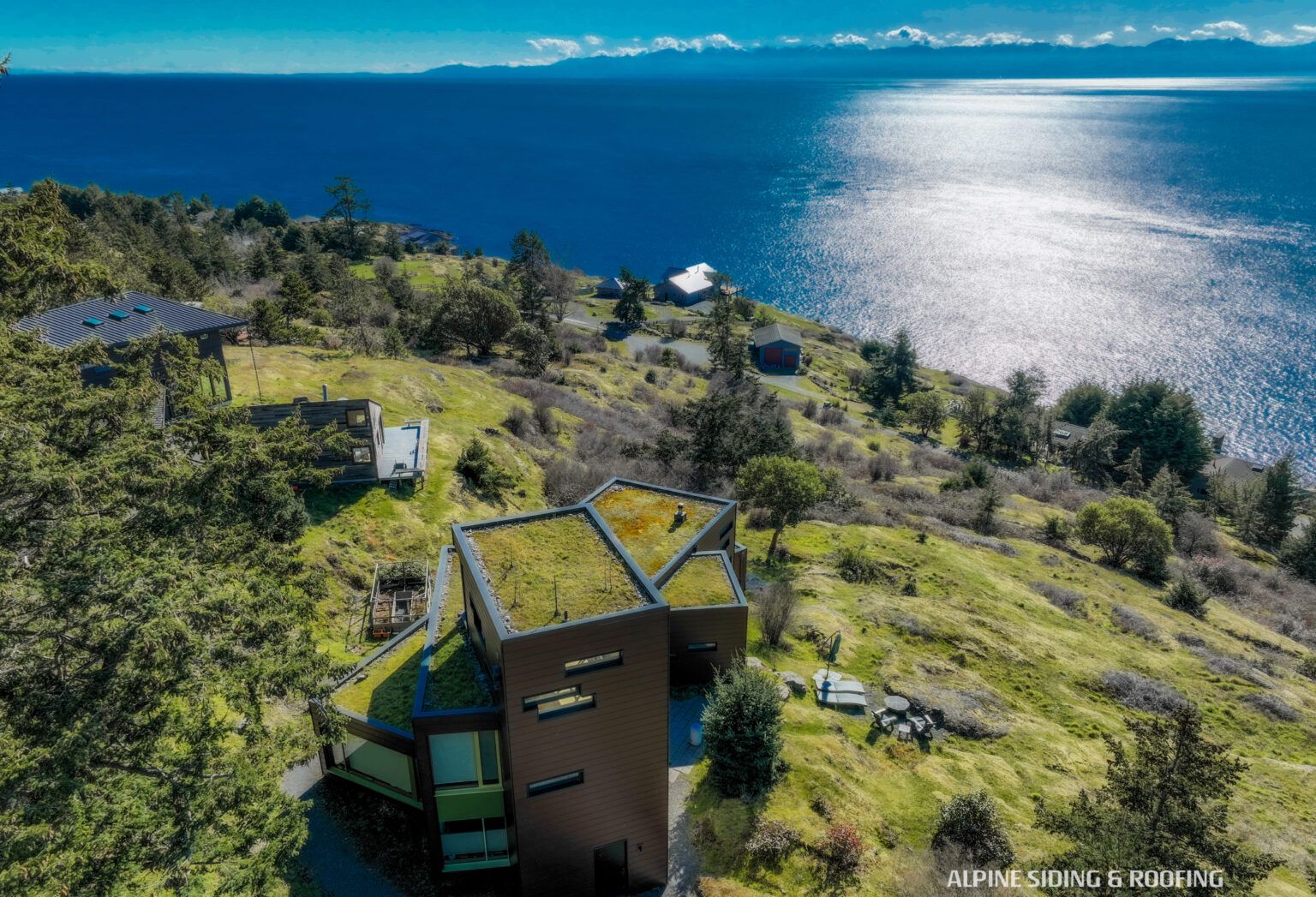
Greige — the gray-beige blend — has become the most requested siding tone in our Pasco County work over the past few years, and for good reason. It pairs well with the region's red-brown roof tiles and gray-brown asphalt shingles alike, and it tends to hide the light dust and pollen film that settles on siding here between storms. Sandstone, a slightly warmer cousin, works well on lots with more direct sun since it doesn't shift as visibly when it fades. The main drawback: greige and sandstone can look slightly generic in a neighborhood where every third house already chose the same tone, so if you want your home to stand out, this may not be it.
A cooler, muted gray works especially well against darker roofs and reads as clean without the stark contrast of true white. It also tends to fade in a way that's hard to notice against the original tone, since gray shifting toward a lighter gray is a subtle change. On the downside, gray can look cold or flat on lots with heavy oak shade where the reduced light already mutes color, and it doesn't hide pollen dust quite as well as a warmer neutral — you'll notice a light yellow-green film on gray more than on tan.
White paired with a darker trim or shutter color is a longstanding choice in older Land O' Lakes neighborhoods, and it remains one of the easiest colors to get HOA approval for since almost every community palette includes it. It brightens a shaded lot and photographs well for resale listings. The honest downside is maintenance visibility: white shows mildew streaking, tannin runoff from oak leaves, and general grime faster than any other option on this list, particularly on the north side of the house where shade keeps the surface damp longer after rain. If you choose white, plan on more frequent soft-washing than you would with a warm neutral or gray.
Sage and olive tones are a smaller trend, but they work particularly well on lots with heavy live oak or cypress cover, where the color settles into the landscape rather than competing with it. They also tend to mask pollen dust well. The tradeoffs: not every HOA palette in Land O' Lakes includes a green option, so this needs an ARC check before you commit, and on a bare, sun-exposed lot without much tree cover, sage can read as slightly dull rather than blending in the way it does under canopy.
Taupe and clay brown tones complement the area's sandy soil and terracotta roof accents, and they hide dirt and pollen about as well as any color on this list. They can, however, run warm enough to visually shrink a smaller home or make a lot with little shade feel hotter to the eye, and some HOA palettes restrict brown tones to accent trim rather than full-field siding, so check your community's documentation first.
Deep charcoal or black siding shows up in a lot of design photography right now, and it can look sharp as a limited accent — a front-facing gable, a porch surround, a garage face — especially paired with a lighter body color. As a full-field siding choice in Land O' Lakes, though, we're cautious about recommending it. The heat absorption issue is real in our sun, dark colors fade faster and more visibly than light or muted ones, and as noted above, standard vinyl in true dark tones is limited by manufacturer heat-warp guidance tied to Florida Product Approval testing. If you want the look, fiber cement in a dark tone, used as an accent rather than the full elevation, is usually the more durable route.
A few choices consistently cause regret on Land O' Lakes homes, and it's worth naming them directly. Full-field dark or black vinyl siding is the most common one — beyond the fade and heat concerns above, it can also make attic and wall cavity temperatures run higher in a climate that already asks a lot of your HVAC system. Bright, saturated colors — true red, bold blue, kelly green — fade the fastest of any category under sustained Florida UV and are also the color choices most likely to draw an HOA denial in a deed-restricted Pasco community. Stark, high-gloss white can look striking on day one but shows mildew and oak tannin staining faster than a softer off-white, and it needs more frequent cleaning to stay looking fresh in our humidity. Finally, choosing a color before checking your community's approved palette is its own kind of mistake — we've had homeowners fall in love with a sample only to learn their HOA's architectural review committee doesn't allow it, which means redoing the selection and sometimes the paperwork after the fact.
One more practical note: whatever color you land on, confirm it's available in a siding product that carries current Florida Product Approval for our wind zone. A gorgeous color in a panel that isn't rated for local wind-driven rain and wind load isn't a real option here, no matter how good it looks on a sample chip.
It can, depending on the manufacturer. Most vinyl siding makers publish a list of approved dark colors and cap how dark a panel can run precisely because of heat-related warping risk in hot climates like ours, and installing an unapproved dark color yourself — for example, by painting standard vinyl a color darker than the manufacturer allows — can void the product warranty. Fiber cement and engineered wood siding generally don't carry this same restriction, so if you want a true dark tone across the whole house, that's usually the more warranty-safe route.
Most Land O' Lakes communities require a written submission to the architectural review committee before you install new siding, usually including the manufacturer's color name and a sample or photo. Approval timelines vary by community, so it's worth submitting early in your planning process rather than after you've already ordered materials. We're happy to help pull together the documentation a given HOA typically asks for.
No. Wind mitigation inspections and the OIR-B1-1802 wind mitigation form document things like roof-to-wall connections, roof covering, and opening protection — not exterior color. Siding color has no bearing on your wind mitigation credit, though the siding product itself does need to be installed per its Florida Product Approval to hold up in the wind conditions the inspection is documenting.
It depends heavily on color, sun exposure, and tree cover. A shaded, north-facing wall in a muted neutral can look nearly unchanged for many years, while an unshaded, south- or west-facing wall in a darker or more saturated color will show noticeable fading sooner. This is one of the main reasons we steer homeowners toward warm neutrals, soft grays, and muted greens for full-field siding here — they tend to fade gradually and evenly rather than showing a sharp before-and-after contrast.
Picking a siding color for a Land O' Lakes home means weighing sun exposure, tree cover, your specific HOA's palette, and which colors are actually available in a wind-rated, Florida Product Approved product — not just what looks good on a sample chip. Alpine Exteriors (FL license RB29003900) works with Pasco County homeowners on exactly this kind of decision, from checking your community's approved color list to matching a product line that holds its color in our sun without running into manufacturer heat-warp limits. If you're planning a siding project in Land O' Lakes or anywhere else in Tampa Bay, reach out to Alpine Exteriors for a consultation and we'll walk your specific lot, roof, and HOA requirements before you commit to a color.