
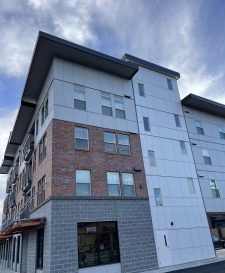
Land O' Lakes sits inland from Tampa Bay, but that doesn't spare its homes from the pressures that wear siding down across this part of Florida: long stretches of heavy humidity, intense summer sun, subterranean termites active in the local soil, and the wind and wind-driven rain that come with hurricane season and the daily summer thunderstorm cycle. Siding failure rarely shows up all at once. It usually starts as a small cosmetic issue, progresses into gaps and soft spots, and eventually becomes the kind of damage that lets water reach the wall behind it. Alpine Exteriors inspects siding on homes throughout Land O' Lakes, Wesley Chapel, Lutz, and the rest of Tampa Bay, and the same handful of warning signs come up again and again. Here's what to look for, what's actually causing it locally, and how to tell the difference between a problem that needs attention now and one you can plan around.
Vinyl and fiber cement siding both expand and contract as temperatures swing, and Land O' Lakes gets real swings — a sun-facing wall can go from cool overnight air to well over 100 degrees of surface heat by mid-afternoon. Siding is designed to move slightly with that cycle. If it was fastened too tightly during installation instead of following the manufacturer's fastening schedule, or if moisture has swollen the wood or OSB sheathing behind it, the panel loses room to move and buckles or ripples instead of lying flat. Once a panel is buckled, it's also catching more wind than a flat one, which accelerates the next problem on this list.
Years of intense Florida UV exposure make most siding materials more brittle over time, so what would have flexed under an impact ten years ago now cracks. The impacts themselves usually come from wind-blown debris during a thunderstorm or tropical system — a branch, a piece of a neighbor's fence, hail-sized debris kicked up by straight-line wind gusts. Once a panel has a crack or split, it's no longer doing its job of shedding wind-driven rain, which is the primary way water gets behind siding in this region.
Press on a suspect section of wall. If it gives slightly or feels spongy instead of solid, there's almost certainly moisture trapped behind the siding, and the wood-based sheathing or trim underneath has started to rot. This tends to show up first near the ground, where irrigation overspray and rain splash keep the lower courses wet longer, and near any spot where flashing around a window, door, or roofline has failed. Once rot sets in, the siding itself may look fine from a few feet away even though the wall behind it isn't.
Given how humid it stays here for most of the year, some surface mildew on shaded or low-airflow walls — north-facing sides, areas tucked behind landscaping — is close to normal and usually washes off. The warning sign is staining that returns within weeks of cleaning. That pattern usually means moisture is being held against or behind the siding continuously rather than just settling on the surface after a rainy stretch, which points to a gap, a failed seam, or trapped moisture rather than ordinary humidity.
UV breaks down the pigment and resin in any painted or coated siding finish over time, and in this climate that breakdown happens faster than it would farther north. Some chalking — a light, powdery residue you can wipe off with a finger — is expected as vinyl or painted fiber cement ages and isn't an emergency by itself. Bubbling or peeling combined with chalking is a different story; it usually means moisture is working its way into the material from behind, not just sun fade on the surface.
Repeated wind loading — from hurricane season gusts and the shorter but frequent summer storm cycle — gradually works panels and trim pieces loose at their overlaps and corners over the years. Once a gap opens, wind-driven rain is pushed directly behind the siding during the next storm, which is arguably the single biggest driver of hidden water damage on homes in this region. Gaps at trim around windows and doors are worth checking closely, since that's also where flashing failures tend to show up first.
After any significant wind event, walk the exterior and look for panels that have lifted at an edge, fasteners that have popped through, or trim that's separated from the wall. Siding installed in Florida is required to carry Florida Product Approval (or, for some products, a Miami-Dade Notice of Acceptance) demonstrating it meets the wind pressure requirements for the area, but that rating only holds up if the installer actually followed the fastening pattern the approval is based on. Loosening well before a major storm hits is often a sign the original fastening schedule wasn't followed, not a defect in the product itself.
Subterranean termites are established throughout Pasco County soils, and Land O' Lakes is no exception. Vinyl, fiber cement, and aluminum siding aren't a food source, but the wood fascia, soffit framing, and sheathing behind and above the siding are, and termites reach that wood by building thin mud tubes up the foundation wall, often hidden by the siding until it's pulled back for repair. Look for pencil-width mud tubes at the base of exterior walls, discarded wings after a swarm, or trim that sounds hollow or feels soft when tapped near the bottom courses.
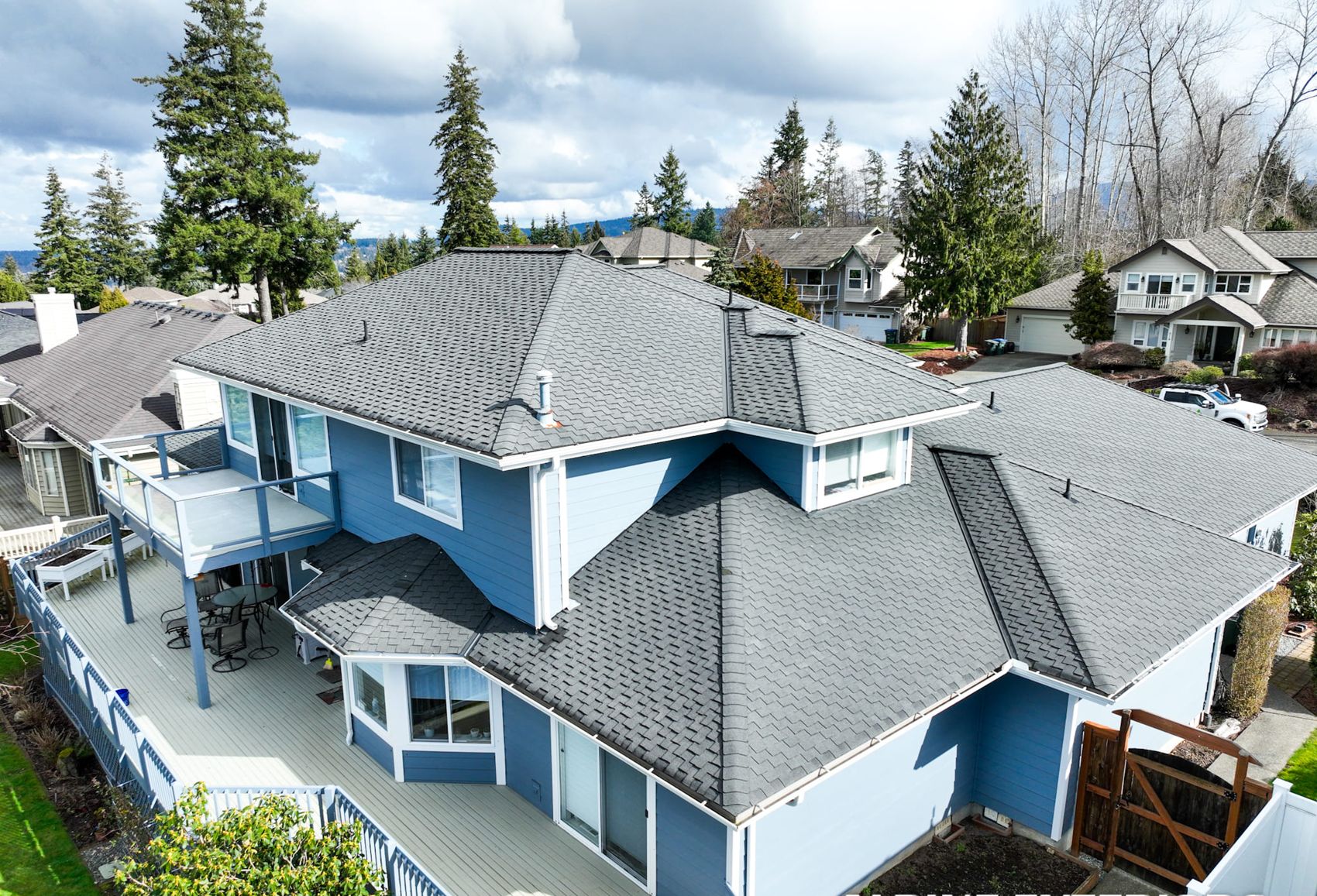
Some of these signs need attention before the next heavy weather comes through, and some can be scheduled on your own timeline. Treat these as urgent, ideally addressed before hurricane season activity picks up: panels or trim that are visibly loose or flapping, any spot where sheathing is exposed to weather, soft or spongy sections (they're actively rotting and getting worse with every rain), active termite tubes, and mold or staining that's visibly spreading week to week. These all involve water or pests already inside the wall assembly, and waiting generally makes the eventual repair larger and more expensive.
Signs that can usually wait for a planned project include light chalking, minor color fade, isolated hairline cracks that haven't opened into a gap, and small cosmetic scuffs with no softness or staining nearby. It's still worth noting these and having them looked at, since a few of them (cracking especially) tend to progress from cosmetic to structural if a few more storm seasons pass, but they don't require an emergency call.
Start with a visual walk around the exterior, especially after any storm with sustained wind or heavy rain, and press-test any section that looks off. Check interior walls and the attic for staining or a musty smell in the areas that back up to exterior trouble spots — moisture often shows up inside before it's obvious outside. Because so much of the real damage happens behind the panel where you can't see it, a visual check from the ground only tells part of the story; an actual inspection by a licensed contractor is the only reliable way to know whether you're looking at a cosmetic issue or something that's already reached the sheathing.
If the damage followed a specific storm, photograph it as soon as it's safe to do so and keep those photos with your insurance file — adjusters generally want to see the condition tied to a dated weather event rather than relying on a description after the fact. When you do get a contractor out, ask for a written scope that separates what can be repaired from what genuinely needs replacement, and if replacement is on the table, confirm the new material's Florida Product Approval and the fastening schedule the crew will actually install to, not just the rating on the box. Alpine Exteriors walks Land O' Lakes homeowners through that distinction on every inspection rather than defaulting to a full re-side when a repair will hold.
It depends on how far the moisture has traveled. If only a panel or two is affected and the sheathing behind them is still dry, individual panels can sometimes be replaced without touching the rest of the wall, though matching an older product's color and profile isn't always possible since manufacturers change product lines over time. Once moisture has reached the sheathing or framing in more than a couple of spots, panel-by-panel patching usually just delays a fuller re-side by a year or two rather than solving the underlying problem.
Sometimes, and it comes down to cause. Damage from a specific wind event, especially a named storm, is often covered subject to your deductible, while gradual deterioration from age, sun exposure, or deferred maintenance typically isn't considered a covered peril. Adjusters look at whether the failure pattern matches a storm date or looks like slow wear, so photograph damage promptly after any major weather event. Your wind mitigation inspection (the OIR-B1-1802 form used for premium credits) isn't a repair-cost document, but it does document the overall wind performance of your home's exterior, which can come up in related conversations with your insurer.
There isn't a maintenance-free option in this climate, but the tradeoffs are worth knowing. Fiber cement resists humidity, UV fade, and wind well when it's installed to its Florida Product Approval fastening pattern, but it's heavier, costs more upfront, and needs periodic repainting. Vinyl is generally more affordable and low-maintenance day to day, but it can soften and warp under sustained heat on sun-exposed walls and is less forgiving if it wasn't fastened correctly for wind resistance. Which one makes sense depends on your budget, how much direct sun the house gets, and how long you plan to own it — Alpine Exteriors can walk through that comparison against your specific walls rather than a generic recommendation.
It varies with the size of the home, the material chosen, and — this is the part that's hard to estimate in advance — whether rot repair to the sheathing is needed once the old siding comes off. A straightforward single-family home can often be re-sided in about one to two weeks; it runs longer if hidden water damage turns up underneath or if hurricane-season weather causes delays. Costs range widely too, from a few thousand dollars for a partial repair to well into five figures for a full re-side on a larger home, so a firm number really only comes from an in-person measurement and inspection.
If any of these signs are showing up on your home, it's worth getting an actual inspection before deciding whether you're looking at a repair or a replacement — guessing from the driveway tends to underestimate what's happening behind the panel. Alpine Exteriors, Florida contractor license RB29003900, inspects and repairs siding for homeowners across Land O' Lakes, Tampa, Wesley Chapel, Lutz, New Port Richey, Plant City, and Zephyrhills, and can give you a clear, written assessment of what's failing, why, and what your realistic options are.