
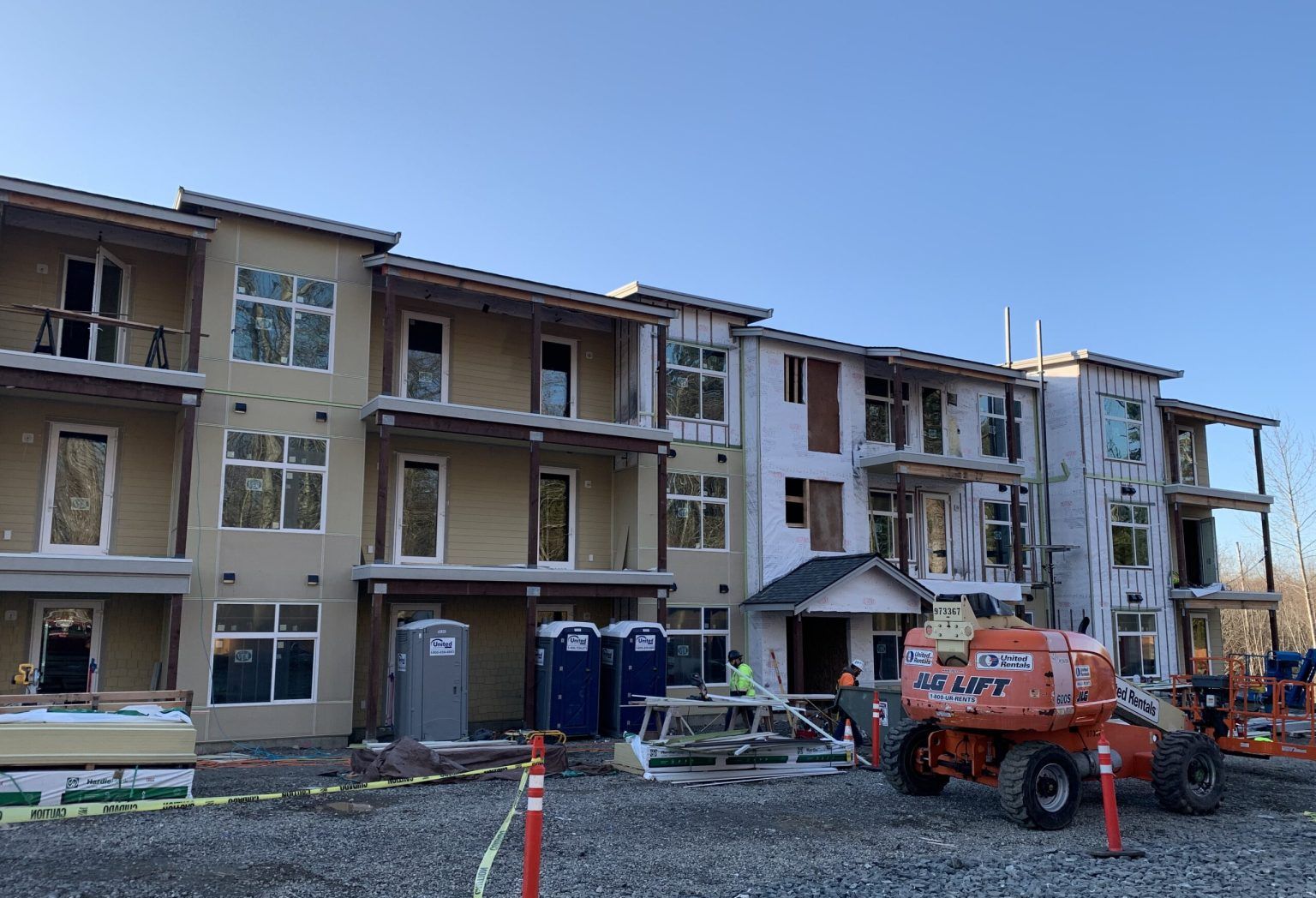
Jasmine Estates sits inland from New Port Richey in Pasco County, close enough to the Gulf that homes here deal with a mix of coastal-adjacent humidity, heavy summer rain, and the wind-load requirements that come with living in west-central Florida. If you're pricing out a siding replacement, the honest answer is that there's no single number that applies to every house on every street. What follows is a realistic breakdown of the price range, what actually drives it up or down, and how to read a quote so you're comparing apples to apples.
For a typical single-family home in this part of Pasco County, full siding replacement tends to land somewhere between the low five figures and the mid-to-upper five figures, with the spread driven almost entirely by material choice, home size, and how much hidden repair work the crew finds once the old siding comes off. A small single-story home getting a straightforward vinyl re-side will sit toward the bottom of that range. A larger two-story home moving to fiber cement, with trim and soffit work included, will land toward the top — sometimes above it if there's significant substrate damage. Treat any number you see online, including this one, as a starting point for a conversation, not a quote.
| Cost Factor | Pushes Toward the Low End | Pushes Toward the High End |
|---|---|---|
| Siding material | Standard-grade vinyl in a common profile and color | Fiber cement, thicker impact-rated vinyl, or specialty profiles |
| Home size and stories | Single-story home, simple rectangular footprint | Two-story home with dormers, bump-outs, or steep gables |
| Tear-off and disposal | Single layer of existing siding in fair condition | Multiple layers, brittle old material, or difficult access |
| Sheathing and substrate condition | Sound wood underneath with no rot or termite activity | Rotted OSB/plywood or termite-damaged framing needing rebuild |
| Moisture barrier and house wrap | Standard synthetic wrap over sound sheathing | Upgraded drainable wrap or rainscreen system for humidity control |
| Trim, fascia, and soffit | Existing trim reused where it's still solid | Full trim, fascia, and soffit replacement package |
| Wind-rated fastening and code compliance | Standard fastening schedule for the home's wind exposure | Enhanced fastening and documented Florida Product Approval for higher wind-load areas |
| Permitting and inspections | Straightforward permit, single inspection | Additional inspections or HOA design review |
Beyond the table above, a few things specific to this area tend to swing a project up or down more than homeowners expect. The first is what's actually underneath the existing siding. Pasco County's humidity and rain load mean that any gap in the old weather barrier — a cracked J-channel, a missed flashing detail around a window — has had years to let moisture into the wall assembly. Subterranean termites are common throughout this part of Florida, and a re-side is often the first time in decades anyone has looked directly at the sheathing. If the crew finds soft or termite-compromised wood, repairing it before new siding goes on adds real cost, but skipping that repair means paying for cosmetic siding over a structural problem.
The second factor is wind-load compliance. The Florida Building Code sets fastening schedules and product approval requirements that scale with a home's wind exposure category, and homes closer to the Gulf generally fall into a higher wind-speed design zone than homes further inland. That can mean a different fastening pattern, thicker-gauge material, or siding that carries a documented Florida Product Approval rating for wind resistance — all of which cost more than a bare-minimum installation but matter when a named storm comes through.
Third, intense Florida UV takes a visible toll on lower-grade siding over time, showing up as fading, chalking, or brittleness years before it would in a milder climate. Paying up for a UV-stabilized product or better factory finish is one of the few upgrades that tends to pay for itself in how the home looks a decade out, and it's worth discussing even if it nudges the estimate higher.
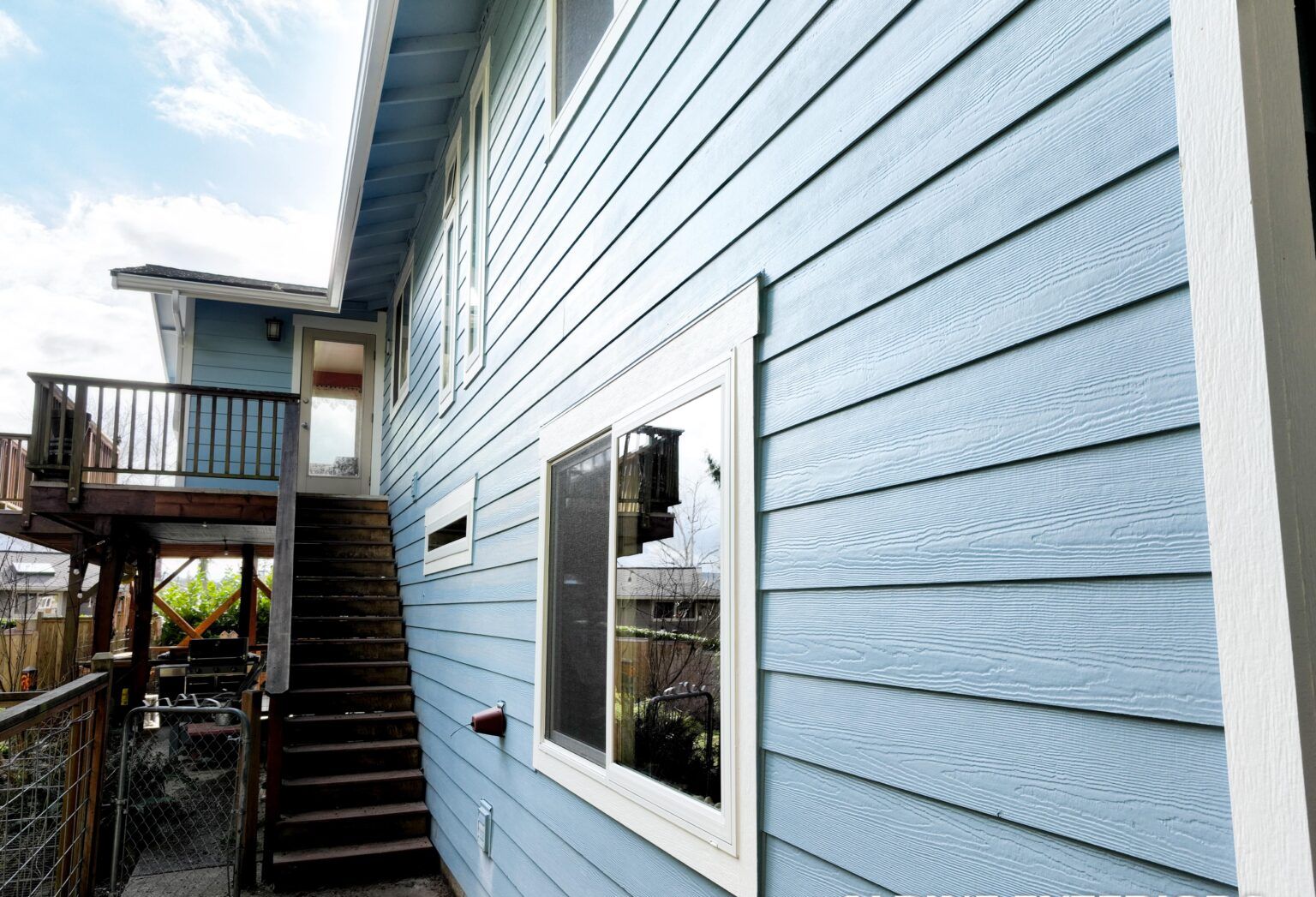
A complete siding quote should spell out more than a total price. Look for line items covering material type, brand, and profile; full tear-off and disposal of the old siding; inspection and, if needed, repair of sheathing and framing; house wrap or moisture barrier product; trim, fascia, and soffit scope; fastening method and any wind-rating documentation; permit fees; and a timeline. If a quote is a single lump-sum number with no breakdown, ask for one — it's the only way to know what happens if hidden damage turns up mid-project. Alpine Exteriors writes quotes with these line items separated out specifically so homeowners in Pasco County aren't surprised by an allowance for repairs they didn't know was baked in, or missing.
When you have quotes from more than one contractor, resist the urge to sort by price alone. Start by checking that everyone is quoting the same material and thickness — a lower number is often a thinner, lower-grade product rather than a better deal. Confirm each contractor is pulling a permit; unpermitted siding work can complicate a future home sale or insurance claim. Ask each company directly how they handle sheathing repair if it's found once the old siding is off, and whether that's a flat allowance or a change order at time-and-materials rates. Finally, ask what wind-fastening schedule and product approval documentation they'll use — in this part of Florida, that detail matters more than color choice.
Many siding contractors, Alpine Exteriors included, offer financing options that let homeowners spread the cost over time rather than paying it all up front; ask what terms and lenders are available before you commit to a project. On the insurance side, replacing siding is a reasonable time to have a wind mitigation inspection done, since it can support an updated OIR-B1-1802 wind mitigation form for your homeowner's insurer. Improvements like better-fastened siding and, where applicable, impact-rated products can sometimes translate into a premium credit, though the actual savings depend on your carrier and policy — confirm with your agent rather than assuming a specific discount.
Both are used successfully in this area. Vinyl tends to cost less up front and holds up well when it's a quality, UV-stabilized product properly fastened for local wind exposure. Fiber cement costs more but offers a different look and generally shrugs off humidity and UV with less long-term fading. The right choice depends on your budget, the look you want, and how long you plan to stay in the home.
Most full siding replacement projects in Pasco County require a permit under the Florida Building Code, since the work involves the weather barrier and, often, fastening schedules tied to wind resistance. A licensed contractor should pull this permit as part of the project rather than leaving it to the homeowner.
It's not unusual, especially on older homes where a moisture barrier detail failed years ago. A good contractor will stop, show you the damage, and give you options — usually a repair estimate before proceeding — rather than covering it up with new siding. This is one of the main reasons total project cost can shift once work begins.
Timelines vary with home size, material, and how much repair work is needed, but homeowners should expect the process to run from about a week to a few weeks for an average single-family home, factoring in weather delays that are common during Florida's rainy season.
Ranges are useful for planning, but the only way to know what your specific home in Jasmine Estates will cost is a walk-through. Alpine Exteriors, Florida contractor license RB29003900, serves Jasmine Estates and the surrounding Pasco County and Tampa Bay area, and can walk your property, check the substrate, and put together a detailed, itemized quote so you know exactly what you're paying for before any work starts.