
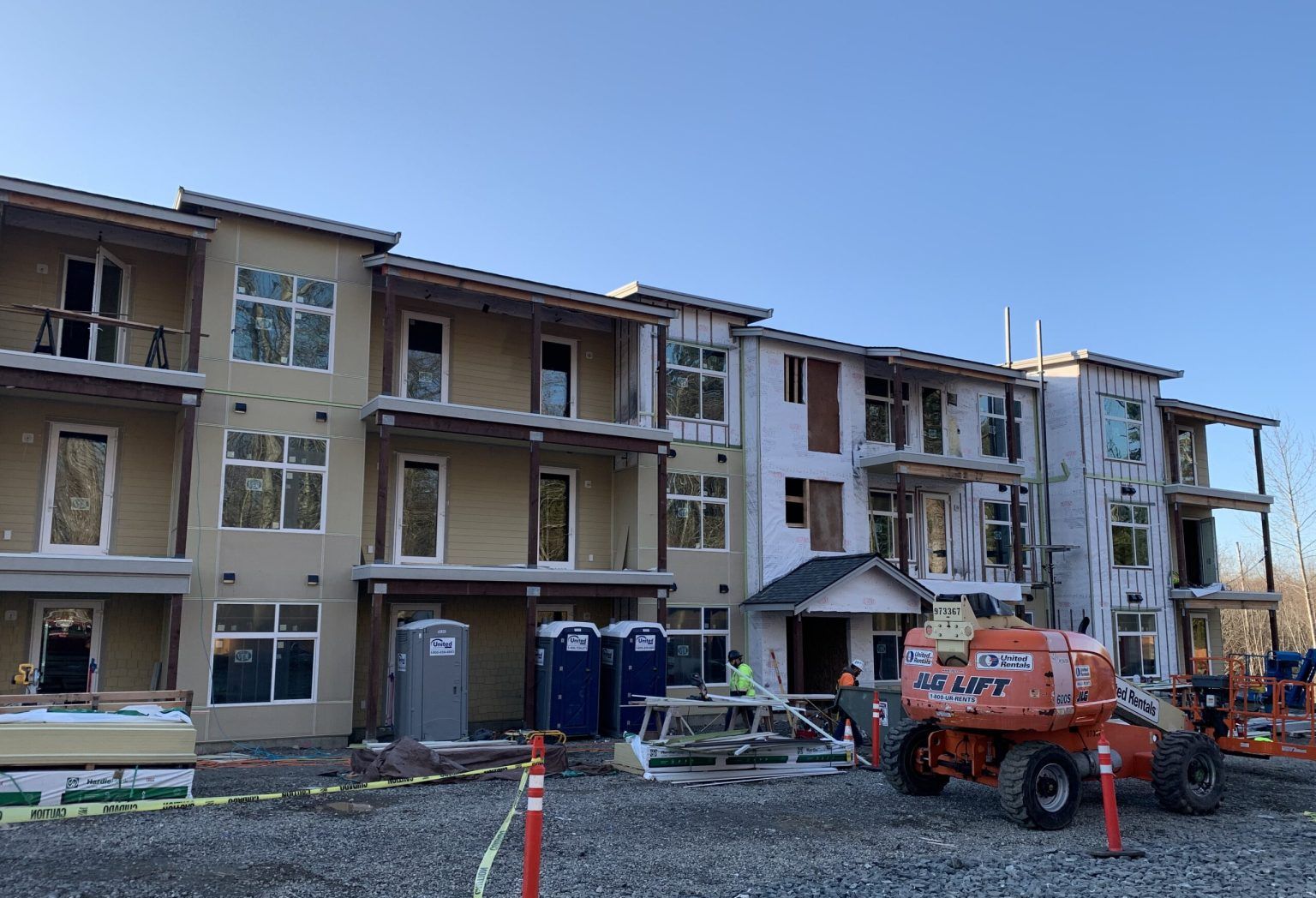
If your home in Odessa or elsewhere in Pasco County needs to shrug off hurricane-season wind gusts, months of intense sun, and the humidity that never really lets up, James Hardie fiber cement is the material most homeowners here end up choosing, especially for a house you plan to keep for the long haul or list for sale. Vinyl siding still has a place — it's less expensive to install and it's a reasonable option on a budget rehab, a rental property, or a home where the siding isn't expected to carry the load of the whole exterior's curb appeal. Neither material is wrong. The right one depends on your budget, your time horizon, and how much you want to think about your siding again in ten years. The rest of this page walks through why, in plain terms, so you can make the call with real information instead of a sales pitch.
James Hardie siding is fiber cement — a mix of portland cement, sand, and cellulose fibers pressed into planks, panels, or shingle-style pieces and then cured. It is not plastic and it is not real wood, though it's built to mimic the look of wood clapboard, shake, or board-and-batten far more convincingly than vinyl typically does. Most Hardie products installed in this area arrive with a factory-applied ColorPlus finish, baked on under controlled conditions rather than sprayed or rolled on site, and that finish is a meaningful part of why the color holds up better than field-applied paint over the years.
Because it's a cement-based product, fiber cement is dimensionally stable — it doesn't expand and contract with heat and cold anywhere near as much as vinyl does, which matters a great deal once a Florida summer roof deck pushes wall temperatures well past what the material sees in milder climates. It also carries a Class A fire rating, the highest fire-resistance class for a siding material, which some insurers factor into premiums and which simply gives homeowners one less thing to worry about. Hardie products used in this market are manufactured to meet Florida Building Code wind-load requirements and carry Florida Product Approval, so an installer can document that the specific product and fastening pattern used on your home is approved for the wind zone Pasco County sits in.
The trade-offs are real, though. Fiber cement is heavier and more labor-intensive to install than vinyl, it requires specific fasteners and clearances to perform as rated, and it costs more upfront. It is not entirely maintenance-free — caulking at seams and trim needs periodic inspection, and while the factory finish lasts far longer than a typical paint job, it will eventually need repainting decades down the road, not never.
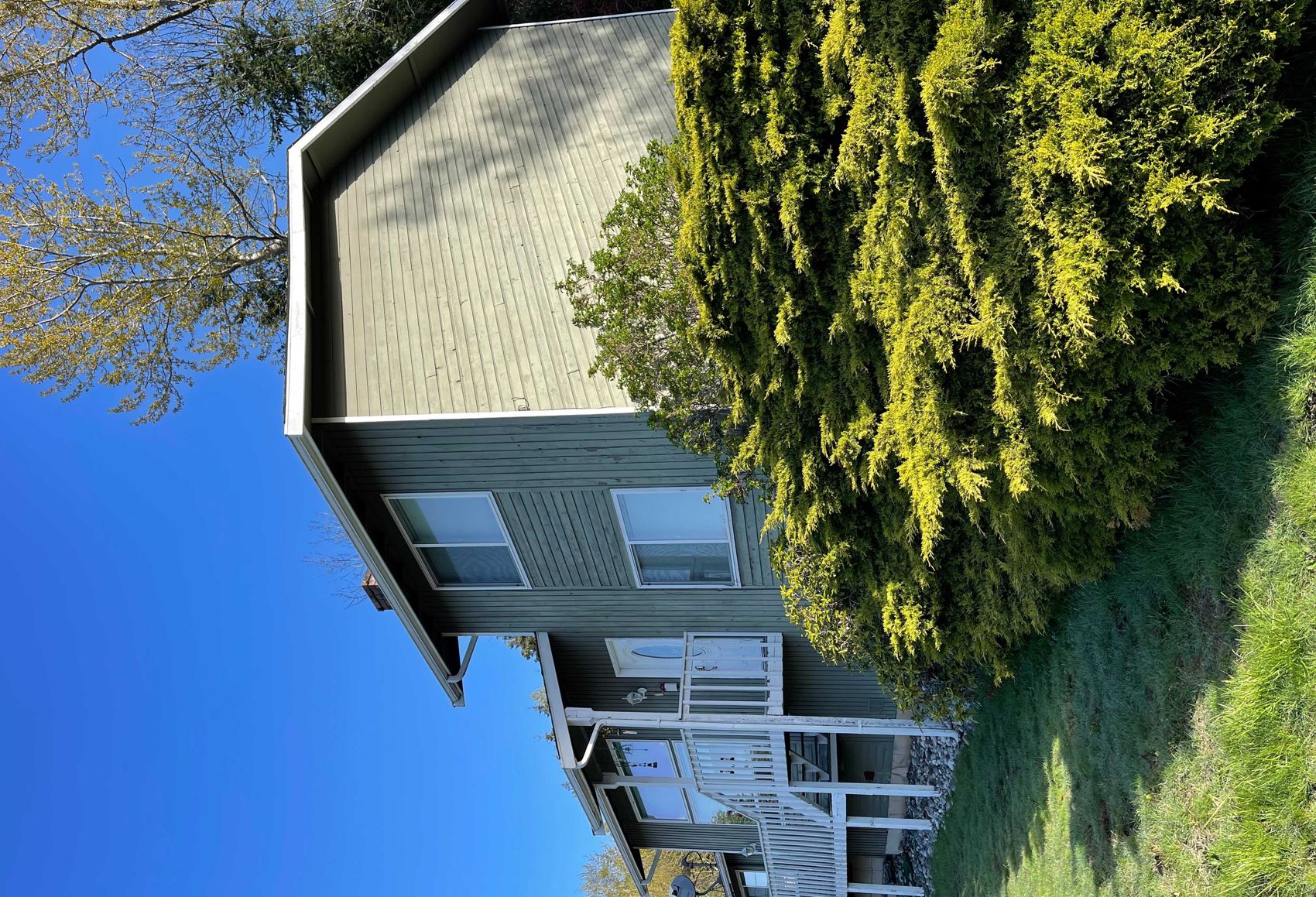
Vinyl siding is extruded polyvinyl chloride (PVC), formed into interlocking panels that snap onto a house over furring strips or directly over sheathing. Its biggest advantages are straightforward: it's the less expensive material per square foot installed, it never needs painting because the color runs through the material, and it goes up faster than fiber cement, which keeps labor costs down as well.
Where vinyl runs into trouble is almost entirely climate-related, and Pasco County's climate is not gentle on it. PVC softens and expands in heat, and on a west- or south-facing wall in a Florida summer, panels can warp, buckle, or pull loose from their nailing hem if they weren't installed with the right amount of expansion clearance. Intense, near-year-round UV exposure fades vinyl's color over time — since the color is mixed through the material rather than applied as a finish coat, there's no separate protective topcoat to renew, and once it fades, the real fix is replacing the faded panels, not repainting them (touching up vinyl with paint is possible but it changes how the material handles heat and rarely looks factory-clean). Vinyl also flexes and can crack under a direct impact — a wind-thrown branch or storm debris — in a way that fiber cement generally resists better. It can perform adequately in wind when it's a quality product rated for the local wind zone and installed correctly, but the failure points in a bad storm tend to be at the edges: panels ripped from J-channel or corner posts where the original install skipped fastening detail that fiber cement systems handle more forgivingly.
Pasco County sits in a wind zone where the Florida Building Code drives real fastening and product-approval requirements for exterior cladding, and both materials can be installed to meet code when the right product is used correctly. In practice, fiber cement's weight and stiffness give it an edge in wind events — it doesn't flutter or flex the way a lighter panel can, and impact resistance against wind-borne debris is noticeably better. Vinyl can perform acceptably in a design-wind event when it's a heavier-gauge product properly fastened with correct clearance at every panel, but it's less forgiving of installation shortcuts, and older or lower-grade vinyl is the siding most likely to show storm damage — cracked panels, pulled corners, pieces stripped off entirely — after even a moderate wind event.
This is where the two materials diverge the most in a climate like this one. Vinyl's color is baked into the plastic, but extreme heat and constant UV exposure over years will fade it, and darker vinyl colors absorb more heat and are more prone to warping regardless of fade. Fiber cement's factory finish is formulated and cured specifically to resist UV breakdown and holds color noticeably longer under the kind of sun exposure a Pasco County roofline sees for most of the year, and because the board itself is cement rather than plastic, it isn't going to soften or bow from heat the way vinyl can on a hot, sun-baked wall.
Humidity here is a near-constant, and wind-driven rain during tropical systems can drive moisture sideways into wall assemblies far more aggressively than a straight-down rain in a drier climate. Both materials rely heavily on correct house-wrap, flashing, and seam detailing behind them to keep that moisture out — the siding material itself is only half of the moisture story. Fiber cement handles incidental surface moisture without degrading, and it doesn't support mold growth on its face. Vinyl doesn't feed mold growth directly either, but because panels can loosen at fastening points over time in heat, gaps can open that let wind-driven rain track behind the panel if the underlying wrap and flashing weren't installed with real attention. Neither material fixes a bad water-management install; correctly flashed and wrapped walls matter as much as which siding sits on top of them.
Fiber cement has no food value for termites, which matters in a region where subterranean termite pressure is a normal part of home maintenance, not a rare event. Vinyl isn't a termite food source either, but it also isn't a structural material — the wall sheathing behind either siding is what actually needs termite protection, a separate consideration from the cladding choice. Closer to the Gulf side of Pasco County, in New Port Richey especially, salt air in the mix accelerates corrosion on fasteners and trim hardware over time; stainless or coated fasteners matter under either siding, and it's worth asking your installer about directly if your home is near the water.
| Category | James Hardie Fiber Cement | Vinyl Siding |
|---|---|---|
| Typical installed cost per square foot | Higher upfront — generally in the range of roughly $9–$14 per square foot installed, depending on profile and trim detail | Lower upfront — generally in the range of roughly $4–$8 per square foot installed |
| Expected lifespan | Commonly cited in the 30–50 year range with proper installation and normal upkeep | Commonly cited in the 20–30 year range, shorter under high-heat, high-UV exposure |
| Maintenance | Periodic caulk and trim inspection; factory finish resists fading for many years before repainting is needed | Occasional rinsing; no painting needed, but fading and heat-warping can't be repaired, only replaced |
| Appearance / curb appeal | Convincing real-wood look (lap, shake, board-and-batten); factory finish stays crisp longer | Wide range of budget-friendly colors and profiles; can look and feel more like plastic up close, especially on larger, flatter wall areas |
| Wind / impact performance | Rigid, heavier, better debris-impact resistance; Florida Product Approval available for the applicable wind zone | Can meet code when properly rated and installed, but more prone to cracking, warping, or edge pull-out in storms |
| Fire resistance | Class A, the top fire-resistance class for siding | Doesn't readily sustain flame on its own, but as a petroleum-based plastic it softens and melts under direct heat rather than resisting it structurally |
| Resale / home value perception | Generally viewed as a premium upgrade that supports resale value | Neutral to positive; less often called out as an upgrade by buyers or appraisers |
Cost is the honest sticking point for a lot of homeowners, and it's worth being direct about it: fiber cement costs more, both in material and labor, because it's heavier, requires different tools and cutting methods (including dust control, since cutting fiber cement produces silica dust that has to be managed correctly), and takes longer to install correctly than snapping vinyl panels into place. That upfront gap is real. What narrows it over time is replacement frequency and repainting — vinyl that fades or warps in year twelve gets replaced in sections or in full, while a well-installed Hardie system is typically still doing its job at that point, which is where the long-term value math tends to favor fiber cement for anyone planning to stay in the home more than a decade.
Weight is another practical difference. Fiber cement is considerably heavier than vinyl, which occasionally affects what an existing wall structure can support without additional bracing on an older home — worth a quick assessment before committing on a home with unusual wall framing. Vinyl's lighter weight also makes it a faster re-side for a crew, which can matter if you're trying to minimize the number of days your home is under construction.
Both materials come in a wide range of colors and profiles today, and neither is automatically better-looking — a well-chosen vinyl color and profile on a smaller, simpler home can look perfectly clean, while poorly chosen fiber cement can look just as flat as poorly chosen vinyl. The bigger appearance difference shows up over time: factory-finished fiber cement tends to still look like it did on day one much further into its life than vinyl does under the same sun exposure.
None of these are universal to every vinyl job — a quality product installed with correct clearance and fastening can go a long time without most of these issues. But they're the pattern we see often enough on re-side and repair calls around Tampa Bay that it's worth knowing before you choose.
For most full re-sides and new-construction jobs Alpine Exteriors handles in Odessa and the surrounding Tampa Bay communities, we've standardized on James Hardie as our default recommendation — not because it's the only acceptable option, but because it's the one that best matches what this specific climate does to a house over a 20- or 30-year ownership span. The wind loads, the UV, the humidity, and the wind-driven rain that come with a normal hurricane season here all lean toward the heavier, more dimensionally stable, better-rated material. If you're planning to stay in your Odessa home long-term, are re-siding after storm damage and want a system with documented Florida Product Approval for your wind zone, or you care about resale value and curb appeal holding up without repainting, fiber cement is the stronger long-term choice.
Vinyl still earns its place on the table. If your budget is tight and the siding decision is one piece of a larger project, if you're improving a rental or investment property where a 20-year lifespan is genuinely enough, or the home's walls and wind exposure are modest and well-shaded, vinyl installed correctly by a licensed contractor can be a sound, honest choice. What we'd steer any homeowner away from is an unrated or bargain-grade vinyl product installed without proper expansion clearance and fastening detail on a home in this wind zone — that combination is where the problems above show up fastest.
An honest answer to each of these will tell you more about how the siding will actually perform on your home than the marketing materials for either product ever will.
For most homeowners planning to stay in their home long-term, yes — the higher upfront cost is generally offset by a longer service life, better resistance to Florida's heat and wind, and less need for full replacement or repainting over the decades. If you're working with a tight budget or a shorter ownership horizon, vinyl can still be a reasonable, honest choice; it just comes with a shorter runway before it needs attention.
A quality vinyl product that's properly rated for the local wind zone and installed with correct fastening and expansion clearance can meet Florida Building Code wind requirements. In practice, though, vinyl is more likely than fiber cement to show storm damage — cracked panels, pulled corners, or pieces stripped away — especially on older installations or lower-grade products, and wind-driven rain can find its way behind loosened panels more easily than behind a heavier fiber cement system.
James Hardie fiber cement is commonly expected to last in the range of 30 to 50 years with a proper install and normal upkeep, while vinyl siding in this climate is more commonly expected to last in the 20-to-30-year range, often on the shorter end where heat and UV exposure are most intense. Both figures assume correct installation; a poorly installed job of either material can fail well ahead of these ranges.
Vinyl can technically be painted, but it isn't a simple refresh — the paint has to be a formulation rated for vinyl's flexibility and heat expansion, darker colors can accelerate warping by absorbing more heat, and the result rarely looks like a factory finish. In most cases where fading is significant, replacing the faded panels gives a cleaner, more durable result than painting over them.
Choosing between James Hardie and vinyl siding comes down to your budget, how long you plan to stay in the home, and how much wear you're willing to see over the years. Alpine Exteriors is a licensed Florida contractor (RB29003900) serving Odessa and the rest of Pasco County, and we're happy to walk your specific home, talk through both materials honestly, and give you a real cost picture before you commit either way. Reach out to schedule a free on-site estimate and get a straight answer about which siding makes sense for your house.