
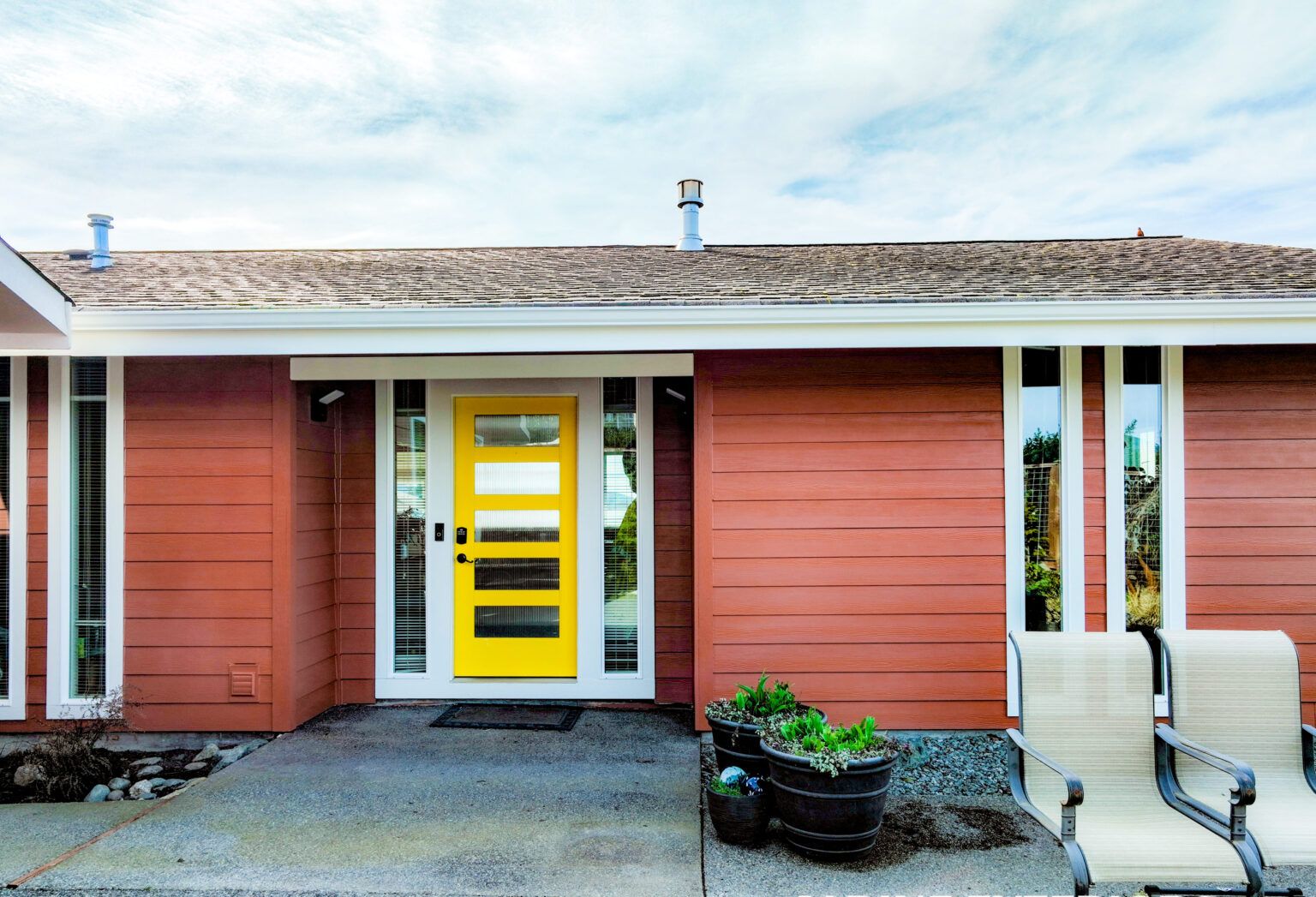
After a strong thunderstorm cell, tropical storm, or hurricane moves through Balm, the siding damage that actually matters is rarely the dramatic kind. It is usually a creased or bowed panel near a corner, a gap that opened at a butt joint, or a section of trim that took a hit from a falling limb and let water start working its way behind the wall.
If your neighborhood saw sustained wind gusts in the 50 to 60 mph range or higher, or if you are picking branches and leaf litter out of the yard, it is worth walking the exterior of your house within the next week or two, before a small opening turns into a rot or mold problem you cannot see from the driveway. Most of what follows is about catching that early, before it becomes expensive.
Wind does two different kinds of damage to siding, and they do not always look the same. The first is direct mechanical damage: gusts strong enough to lift the bottom edge of a lap panel, flex it past its rated limit, and leave a permanent crease or bow. Vinyl siding is the material most prone to this, because its panels lock loosely into the course below and rely on that hang-on design to flex in wind rather than tear off. Fiber cement and engineered wood siding resist wind pressure better once installed correctly, but they are heavier and more brittle on impact, so a wind-thrown oak branch is more likely to crack a fiber cement board than to simply dent it.
The second kind of damage is water intrusion, and it is the one homeowners miss. Wind-driven rain does not fall straight down during a Florida storm; it comes in sideways, and enough pressure behind a gust can force water up and under the bottom edge of a panel, through a loosened seam, or around a nail that backed out during an earlier storm season. Once water gets behind the siding, it is sitting against the wood or OSB sheathing and house wrap underneath. In a climate as humid as ours, that trapped moisture does not dry out on its own between storms the way it might in a drier state. It sits, the humidity keeps it from evaporating quickly, and mold or wood rot can start well before anything shows up as a stain on the outside of the house. That is why a siding inspection after a storm should include a look at the inside face of exterior walls, not just a walk around the yard.
There is a slower-acting factor too: Florida's UV exposure is intense, and over years it dries out and cracks the caulking and sealant at trim joints, window returns, and panel seams. A joint that was watertight when the house was built or last resided can be compromised by sun exposure alone, which means the next storm finds an opening that was not there originally. Storm damage and UV wear tend to compound each other rather than act independently.
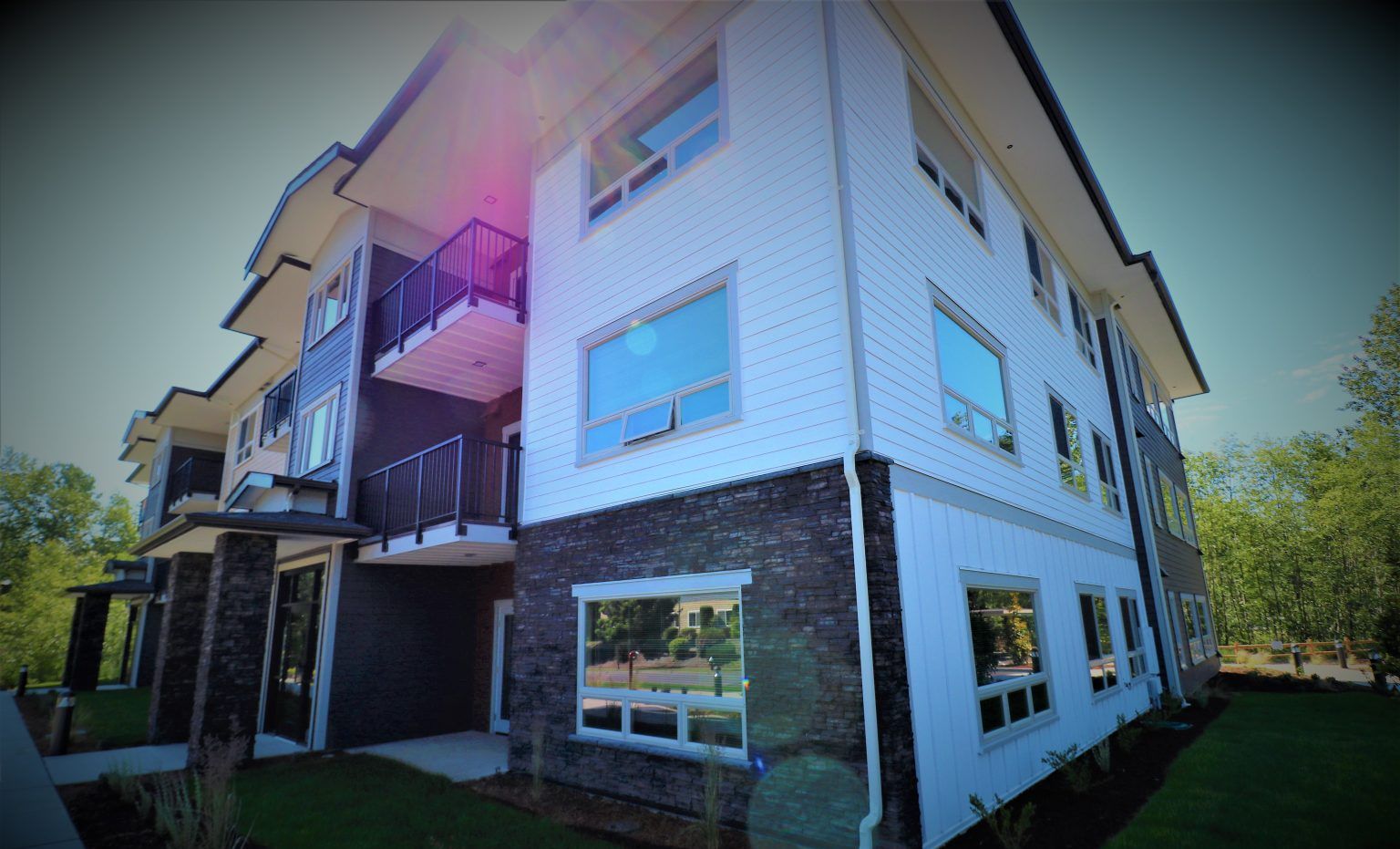
Balm is not a beachfront community, and that matters for how you think about siding risk here. Being roughly 20 to 25 miles inland from open Tampa Bay water means direct salt spray on siding and fasteners is a smaller factor than it would be on Anna Maria Island or in South Tampa along the water. It is not zero, though — Gulf-influenced humidity and onshore breezes still carry enough salt content to accelerate corrosion on fasteners, flashing, and metal trim over years, particularly on west- and southwest-facing walls. It is a slower, cumulative issue rather than the dominant one, and it is worth mentioning to a contractor when choosing fastener and flashing materials for a repair.
What is more distinctive about Balm is the setting itself. A lot of the area is still semi-rural, with large lots carrying mature oak and pine canopy, agricultural land nearby, and low-lying ground closer to the Alafia River and the Balm-Boyette Scrub corridor. That combination means storm damage here often starts as tree damage — falling limbs and windthrow that hit siding, gutters, and soffits directly — rather than pure wind-load failure on an open, unshaded lot. It also means splashback and standing water at the base of exterior walls after heavy rain is a more common issue on lower parcels, which is a separate stress on the bottom courses of siding from wind alone.
The housing stock is mixed in a way that affects risk too. Older ranch-style homes from the 1970s through 1990s, some still carrying original aluminum or early-generation vinyl siding, sit alongside newer construction in the growing subdivisions between Riverview and Wimauma, much of it fiber cement or vinyl installed to current standards. Older siding and trim were not engineered to today's product approval and wind-load standards, and decades of Florida sun and humidity have already used up some of their service life before a storm ever hits. That is a real factor in whether storm damage on an older home is a minor repair or a sign that the whole assembly is due for replacement.
Hillsborough County sits outside Florida's High-Velocity Hurricane Zone, which is limited to Miami-Dade and Broward counties, so the most stringent testing requirements in the state code do not apply here. That does not mean anything goes. Siding installed or replaced in Hillsborough County still has to meet the wind-borne debris and load requirements of the Florida Building Code for our design wind speed, and any siding product used has to carry a valid Florida Product Approval (or, less commonly here, a Miami-Dade Notice of Acceptance) matching how it is installed. A repair that ignores that — mismatched panels nailed up without regard to the rated fastening pattern — can fail again in the next storm even if it looks fine the day it goes up.
Finally, termites deserve a mention that would not apply everywhere. Balm's wooded lots and older wood trim create real subterranean termite pressure, and storm-softened or water-damaged wood is exactly the kind of entry point termites exploit. A siding repair that leaves damp wood trim in place, rather than replacing it and correcting the moisture source, can turn into a termite problem on top of a rot problem.
Start at ground level, before you get on a ladder. Walk the full perimeter of the house and look for:
Binoculars help for anything above the first story — most storm-related siding damage does not require getting on a roof or ladder to spot.
Then go inside and check the exterior walls from the interior side, especially in rooms you do not use every day. Watch for damp drywall, a musty smell, or paint that starts to bubble or discolor over the days following a storm. Water intrusion behind siding often shows up on the inside before it shows up as an obvious problem outside, and it can take a week or more to appear.
Photograph everything you find, with wide shots and close-ups, and note the date. If you plan to file an insurance claim, this documentation matters more than almost anything else in the process. It is also worth having a current wind mitigation inspection on file — the standard form insurers use in Florida is the OIR-B1-1802 — since it documents things like roof-to-wall connections and opening protection that affect both your premium and how a claim gets evaluated.
Before you sign anything, understand your hurricane deductible. Most Florida homeowners policies carry a separate, percentage-based deductible that applies specifically to hurricane events, often somewhere in the range of 2 to 10 percent of your dwelling coverage, rather than the flat dollar deductible that applies to other claims. That number can be large enough that a moderate, localized siding repair costs less out of pocket than it does to file a claim at all — it is worth doing the math before you call your insurer, not after.
Get a licensed local contractor to inspect before you commit to a full claim or a full re-side. Be honest with yourself about a few tradeoffs here. Cosmetic wind damage on siding is not always a clear-cut insurance claim; adjusters sometimes distinguish between storm damage and ordinary wear, and that distinction is not always in the homeowner's favor. If your siding is more than five or six years old, matching the exact color and profile for a patch repair may not be possible because manufacturers discontinue colors and lines, which means a partial repair can leave a visibly mismatched wall — sometimes the more practical answer is re-siding that elevation rather than patching it. And after any storm that hits a wide area, every licensed contractor in the region gets booked up fast, so an early inspection call is worth more than waiting to see how bad it looks after the next rain.
Also be cautious of unlicensed crews going door to door after a storm offering fast repairs — this is common enough in Florida after named storms that it is worth a specific warning. Ask for a Florida contractor license number and verify it before signing anything or paying a deposit. Alpine Exteriors holds Florida contractor license RB29003900, and any contractor working on your home should be able to produce something equivalent without hesitation.
In most cases, wind and hail damage to siding is covered under the standard windstorm portion of a Florida homeowners policy, but coverage depends on your specific policy language and whether the damage is classified as storm-related rather than gradual wear or lack of maintenance. Damage caused by rising water from heavy rain or a swollen Alafia River is typically a flood claim, not a wind claim, and requires separate flood coverage. Because the hurricane deductible is percentage-based and can be significant, it is worth confirming both what your policy covers and what your actual out-of-pocket cost would be before filing.
The clearest signs are usually indoors, not outside: a musty smell in a room along an exterior wall, drywall that feels soft or looks discolored, or paint that starts bubbling days or weeks after the storm rather than immediately. Outside, look for staining just below a seam or panel edge, and press gently on siding near the bottom courses to check for sponginess. Because trapped moisture in Florida's humidity does not dry out quickly, these signs can take time to appear, so it is worth checking again a few weeks after any storm that produced sustained wind and rain.
Both can perform well when installed correctly to the fastening pattern required by their Florida Product Approval, and both have real tradeoffs. Vinyl siding is lighter and generally cheaper to repair panel by panel, but it is more prone to creasing, bowing, or lifting in strong gusts, and years of intense Florida UV exposure can make older vinyl more brittle over time. Fiber cement siding holds up better against sustained wind load and is less prone to wind creasing, but it is heavier, costs more to repair, and any repaired section needs to be repainted to match, which adds labor. Neither material is storm-proof, and installation quality matters at least as much as the material choice itself.
Balm is unincorporated, so permitting goes through Hillsborough County rather than a city building department. A full re-siding job or any repair that involves replacing structural sheathing generally requires a permit; small, localized panel repairs sometimes do not, but the threshold is not always obvious from the outside, and getting it wrong can cause problems later with insurance or a future home sale. A licensed local contractor familiar with Hillsborough County's process can tell you which category your repair falls into before work starts.
If you are looking at your siding after a recent storm and are not sure whether what you are seeing is cosmetic or something that needs attention now, an in-person look is worth more than guessing from the ground. Alpine Exteriors works with homeowners throughout Tampa Bay, including Balm and the rest of southern Hillsborough County, and can walk your property, document what the storm actually did, and give you a straight answer about whether a repair, a partial re-side, or simply monitoring it is the right call — along with a cost range so you know what you are deciding between before you file anything with your insurer. As a Florida-licensed contractor (RB29003900), Alpine Exteriors can also help you sort out what belongs on an insurance claim and what does not, without pushing you toward the most expensive option by default.