
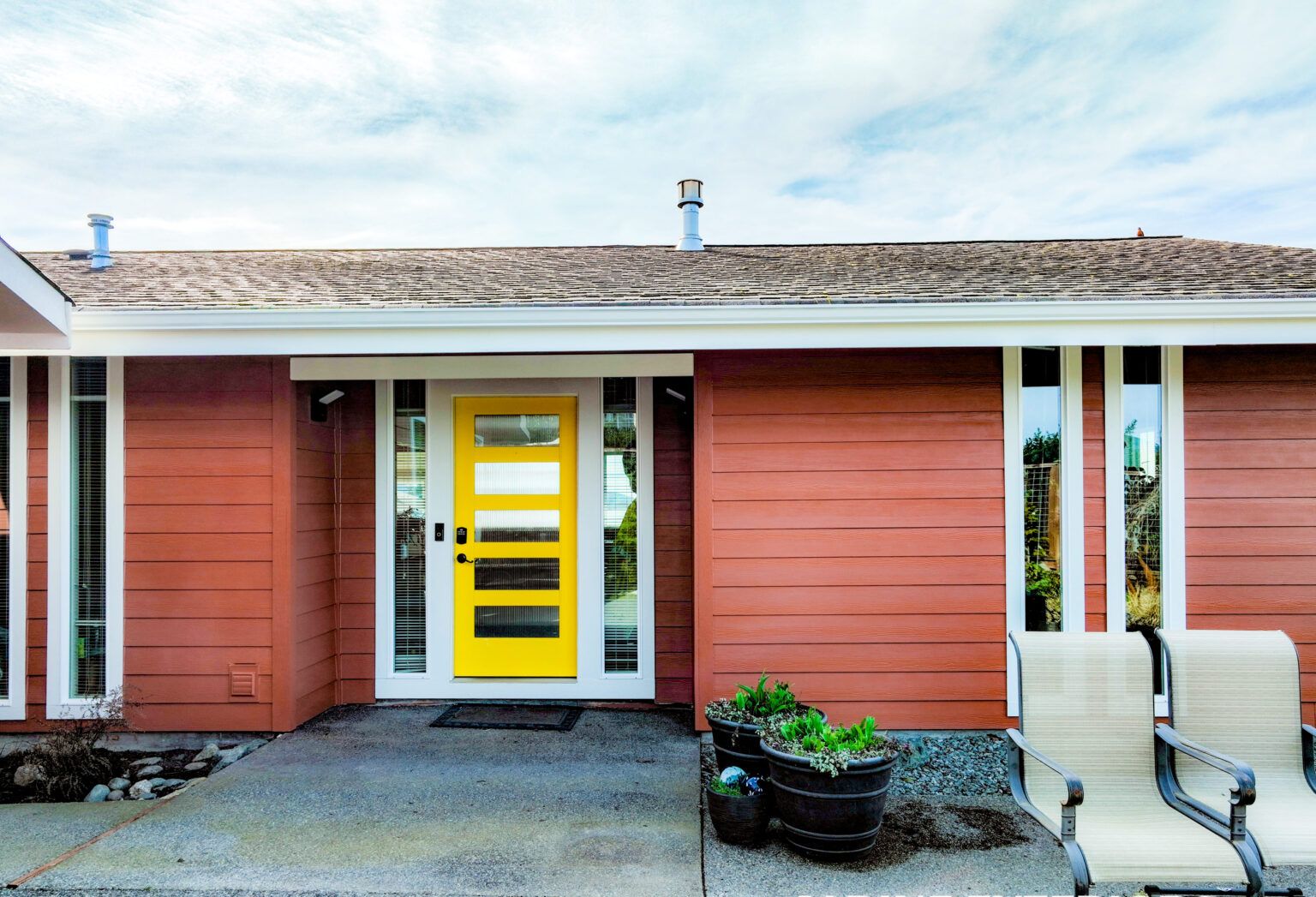
In Bayonet Point, siding permits are issued by Pasco County Building Construction Services, since the community sits in unincorporated Pasco County rather than inside a city limit. Most full siding replacement jobs require a permit under the Florida Building Code, while small cosmetic repairs to an existing wall section usually do not.
Bayonet Point isn't an incorporated city, so it doesn't have its own building department. Permitting authority runs through Pasco County's Building Construction Services division, which covers the unincorporated areas around New Port Richey, Hudson, and the rest of west Pasco. Anyone doing exterior work here files with the county, not a separate town hall, and the county's online permitting portal is the usual starting point for both homeowners and licensed contractors.
Whether a permit is actually required comes down to scope. Re-siding an entire elevation, replacing damaged sheathing underneath, or installing a different siding product than what's currently on the house almost always triggers a permit, because the work affects the building envelope and how the wall assembly resists wind and water. Patching a few damaged panels in a small area, matching the existing material, and not disturbing the underlying sheathing or house wrap is more likely to fall under routine maintenance — but "likely" isn't a guarantee, and the honest answer is that the county makes the final call, not the contractor. When a job sits anywhere near that line, the safer move is to ask the building department directly or have Alpine Exteriors pull the permit as part of the project, since incorrectly skipping one can complicate a home sale or an insurance claim years later.
Permitted siding work in Pasco County is reviewed against the Florida Building Code, which sets requirements for wind resistance, water intrusion control, and how the new material attaches to the structure. Products used on the exterior — vinyl siding, fiber cement, and the fasteners and underlayment that go with them — need current Florida Product Approval numbers (or, in some cases, a Miami-Dade Notice of Acceptance that's also accepted statewide) showing they've been tested for the wind pressures the region can see. That paperwork isn't optional detail; it's what the plans examiner checks before the permit is approved, and it's part of what separates a code-compliant install from one that just looks finished.
A failed inspection isn't the end of the world, and it happens more often than homeowners expect. If an inspector flags an issue during the in-progress check — fastener spacing, missing flashing tape at a window head, or house wrap installed with the laps running the wrong direction — the contractor corrects it and schedules a re-inspection before the wall gets closed up. Given how much this region's rain and humidity punish a sloppy water-resistive barrier, that back-and-forth is worth the extra day or two it can add to a project timeline.
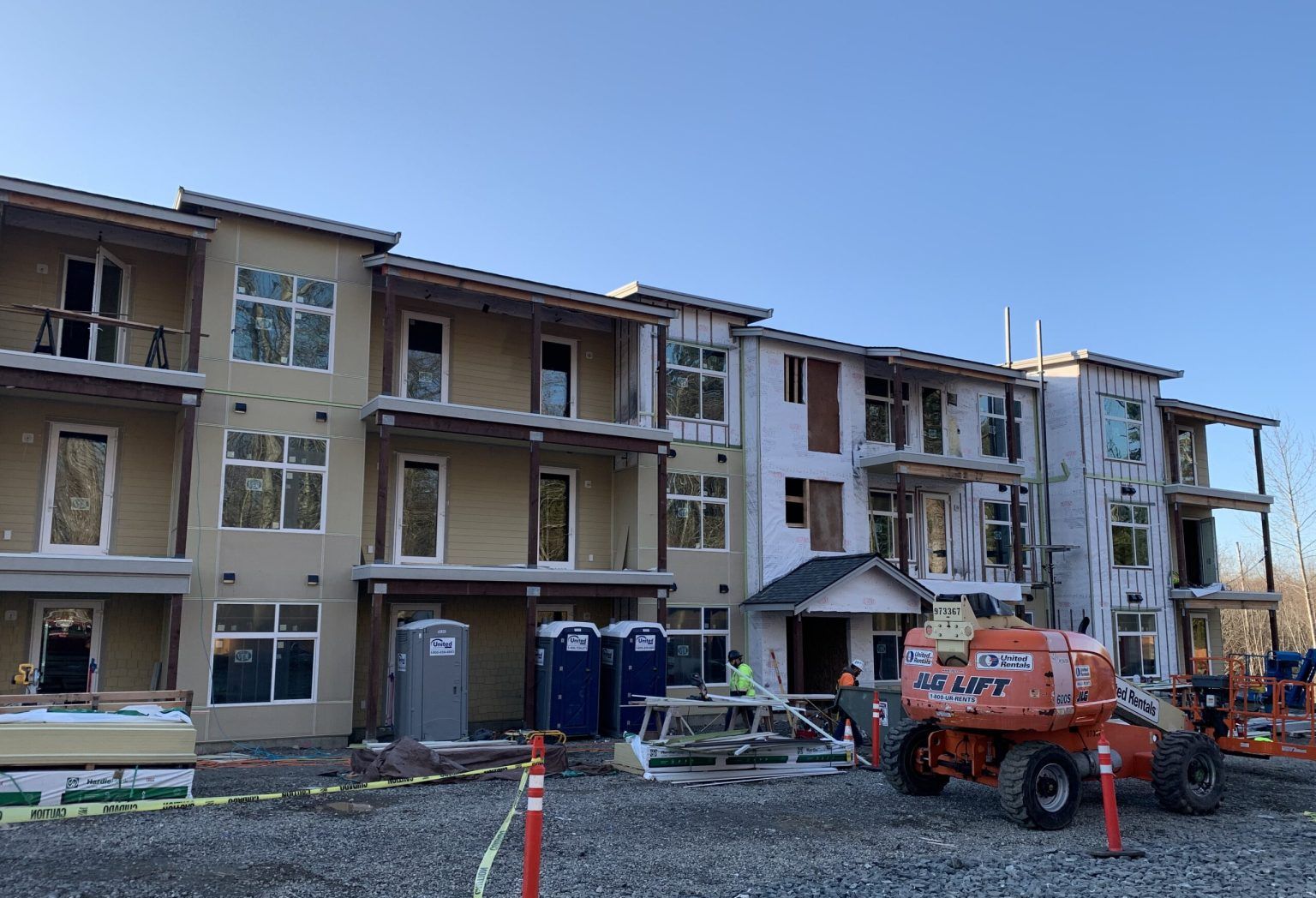
Pasco County sits in an area where the Florida Building Code requires exterior products to be rated for meaningful hurricane wind pressures, and Bayonet Point's proximity to the Gulf of Mexico puts parts of the county within the wind-borne debris consideration zone — which is why the product approval step matters more here than it would somewhere further inland. Siding that isn't rated and fastened correctly for local wind loads can pull loose in a storm long before the rest of the house is threatened, and once one section fails, wind-driven rain gets behind the wall assembly fast.
That wind-driven rain is the other half of the equation. Florida storms don't just bring wind; they push water sideways under laps and around trim in a way that dry-climate siding details were never built to handle. Combine that with the region's humidity and you get conditions that are unforgiving of shortcuts — moisture that gets behind siding here doesn't dry out quickly, and it can sit against sheathing long enough to support mold growth or invite termites, both of which are a real concern for wood-frame construction in this part of Florida. Intense UV exposure is a slower but steady factor too, breaking down lower-grade vinyl and fading finishes faster than in milder climates. None of this is unique to Bayonet Point specifically, but it's the backdrop the permit and inspection process exists to guard against, and it's why the code review isn't just paperwork — it's checking that the assembly underneath the finish is actually built to survive here.
Being close to the Gulf also means some Bayonet Point properties, particularly those nearer the water, deal with salt-laden air that accelerates corrosion on fasteners and metal trim. It's worth mentioning to whoever pulls your permit and handles the install, since the fastener and flashing choices for a home a few blocks from brackish water can reasonably differ from a home further inland in the same county.
Start by confirming scope before assuming either way. If a contractor tells you a full re-side "doesn't need a permit," that's a red flag worth questioning — ask them to show you the product approval numbers for what they're installing and confirm in writing whether they're pulling a permit. A licensed, insured contractor should be comfortable walking through both.
An owner can technically pull an owner-builder permit and do the work themselves under Florida law, but that path comes with real strings attached: the homeowner personally takes on the liability the contractor would otherwise carry, has to be present for and understand every inspection, and can run into trouble reselling the home if a lender or buyer's inspector later questions who actually performed structural work. For most Bayonet Point homeowners, having a licensed contractor pull the permit and stand behind the installation is the more practical route, even though it isn't the only legal one.
Alpine Exteriors handles the permit filing, product approval documentation, and inspection scheduling as part of siding projects in Bayonet Point and the surrounding Pasco County area, which takes that coordination off the homeowner's plate. It's also worth having a frank conversation about tradeoffs — permitted work with proper inspections takes longer than an unpermitted patch job, and costs more up front, but it's what protects the house in the next storm and what keeps a future sale from stalling over missing paperwork.
Minor repairs that patch a small section with matching material and don't touch the sheathing or house wrap often fall outside permit requirements, but the threshold isn't always obvious from the outside. Pasco County Building Construction Services makes the determination, so for anything beyond a handful of panels it's worth a quick call before work starts rather than guessing.
Review times vary with the county's current workload and whether the submitted plans and product approval documentation are complete on the first pass. Applications missing product approval numbers or a clear scope of work tend to get kicked back for corrections, which is the most common reason a permit takes longer than expected — submitting a complete package the first time is the biggest factor a homeowner or contractor actually controls.
Most permitted siding jobs get at least one inspection while the wall is still open, so the inspector can verify fastener spacing, underlayment, and flashing before it's covered, followed by a final inspection once the siding is installed and trim is complete. Skipping the in-progress inspection and closing up the wall before it's approved is one of the more common ways a project ends up with a failed or delayed final.
A closed-out permit with documented, code-compliant materials can support a wind mitigation inspection using the state's OIR-B1-1802 form, which some insurers use to apply premium credits for storm-resistant construction. It's not automatic, and the specifics depend on the insurer, but having the permit record and product approval paperwork on hand makes that conversation with your agent much easier than trying to reconstruct it later.
If you're planning a siding replacement or repair in Bayonet Point, Hudson, New Port Richey, or anywhere else in Pasco County, it's worth talking through the permit and product approval details before work begins rather than after. Alpine Exteriors is a Florida-licensed contractor (RB29003900) serving Tampa Bay homeowners, and can walk you through what your specific project will require, handle the permit filing, and make sure the materials and installation meet Florida Building Code wind and water-resistance requirements. Reach out for a consultation to talk through your home's siding needs and get a clear, honest scope of work before anything is signed.