
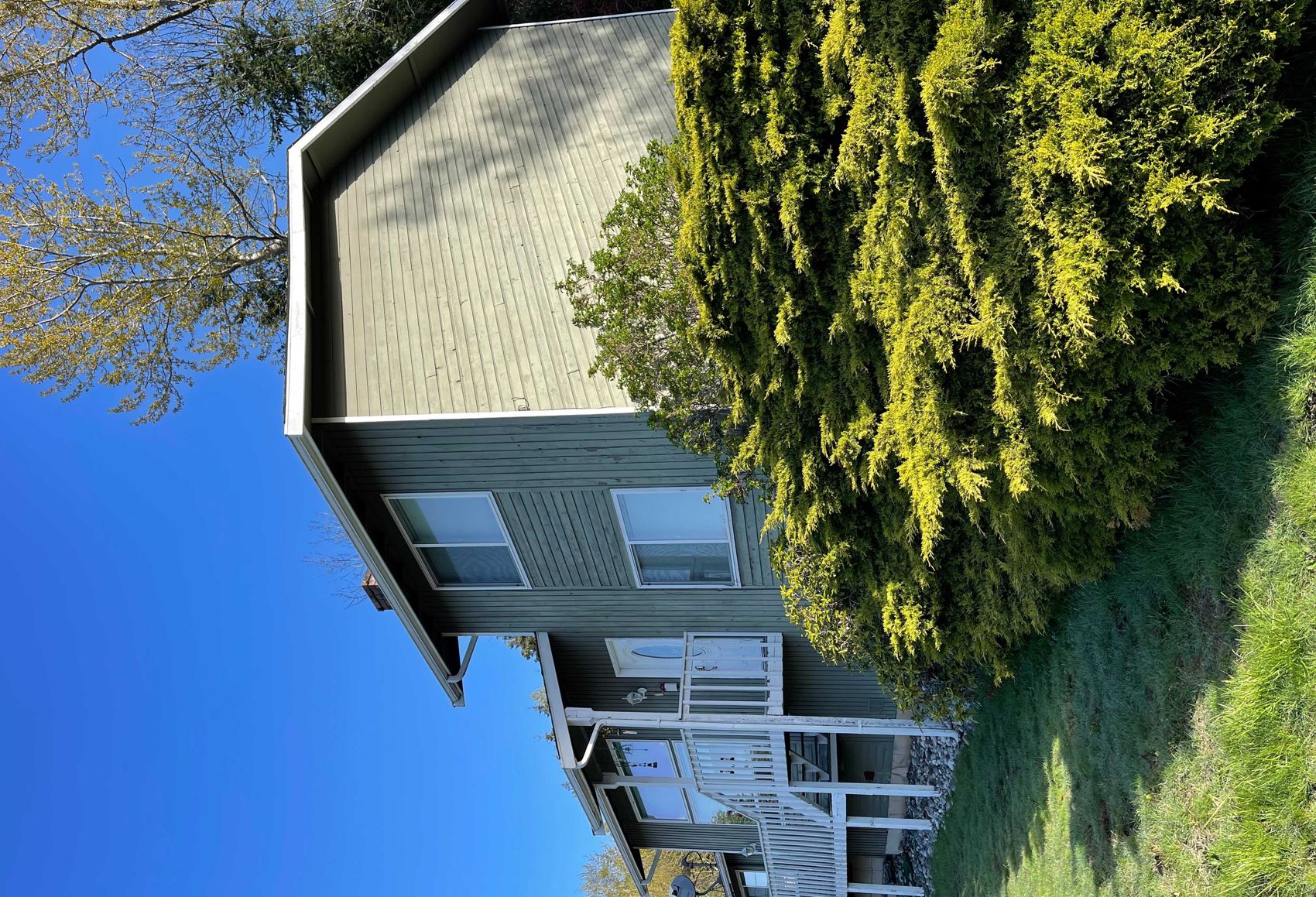
If you've walked around your house in Tampa, Wesley Chapel, Lutz, Land O' Lakes, New Port Richey, Plant City or Zephyrhills and noticed that the siding on one side looks dull, chalky, or a shade lighter than the rest, you're not imagining it. It's one of the most common patterns we get called out to look at, and it's almost always the south and west elevations that show it first. Here's what's actually happening, how to tell if it's just cosmetic, and what your real options are.
Uneven UV fade has a few telltale signs that separate it from other siding problems. The most reliable test is the wipe test: run a dark cloth or your fingers across the surface. If it comes away with a fine white or gray powder, that's chalking, a byproduct of the surface coating and pigment breaking down under sun exposure. You'll also notice the gloss is gone; siding that used to have a slight sheen now looks flat and dry.
A second clue is comparison. Pull back a shutter, look behind a downspout bracket, or check the siding tucked under a deep eave, and you'll often find the original color still intact right next to a washed-out field. That contrast is the clearest sign you're dealing with sun-driven fade rather than a manufacturing defect or a bad batch of siding, since the material simply hasn't been protected from direct light in that spot.
The material matters, too. Vinyl siding tends to fade through visible chalking and can show mottling where the pigment breaks down unevenly. Fiber cement products, like HardiePlank-style lap siding, generally hold factory-baked color longer, but older or unpainted runs still lose some depth of color over enough years in full sun. Aluminum siding can chalk as well, though it's less common on newer Tampa Bay homes than it used to be.
Don't confuse fade with mildew staining. True fade is a dry, even, chalky dullness concentrated on the sun-exposed field of the wall. Mold and mildew streaking, also common here given the humidity, shows up as black or greenish blotches, usually in shaded, damp areas like under soffits or near sprinkler overspray, a different problem with a different fix.
Florida gets some of the most intense UV exposure in the continental U.S., and south- and west-facing walls simply absorb more of it than any other side of the house. South walls take a long, high-angle dose of sun for most of the day. West walls take the brunt of the late afternoon sun, which hits at the same time daily high temperatures peak, so those panels run hotter, for longer, than any other elevation on the house.
Color plays a real role. Darker siding colors absorb more solar energy and run measurably hotter to the touch than lighter colors on the same wall. That extra heat accelerates breakdown of both the pigment and, on vinyl, the outer polymer layer itself.
There's also the thermal cycling typical of a Tampa Bay summer: intense afternoon heat followed by a fast-moving thunderstorm that cools the wall in minutes. That repeated expansion and contraction stresses the siding's surface and can speed up chalking over time.
Wind-driven rain from our summer storm pattern doesn't cause fade on its own, but it washes chalking residue unevenly down the wall, which can leave streaks that look like patchy fading. For homes closer to open water, nearer the Tampa Bay shoreline itself rather than further inland toward Plant City or Zephyrhills, salt-laden air can also accelerate coating degradation combined with UV exposure, though it's a secondary factor compared to direct sun.
Fade is not connected to termites, but since a fade inspection usually means someone's up close with a ladder looking hard at the siding, it's worth checking the bottom courses and any wood trim for termite activity while you're already there, since it's common enough in this region.
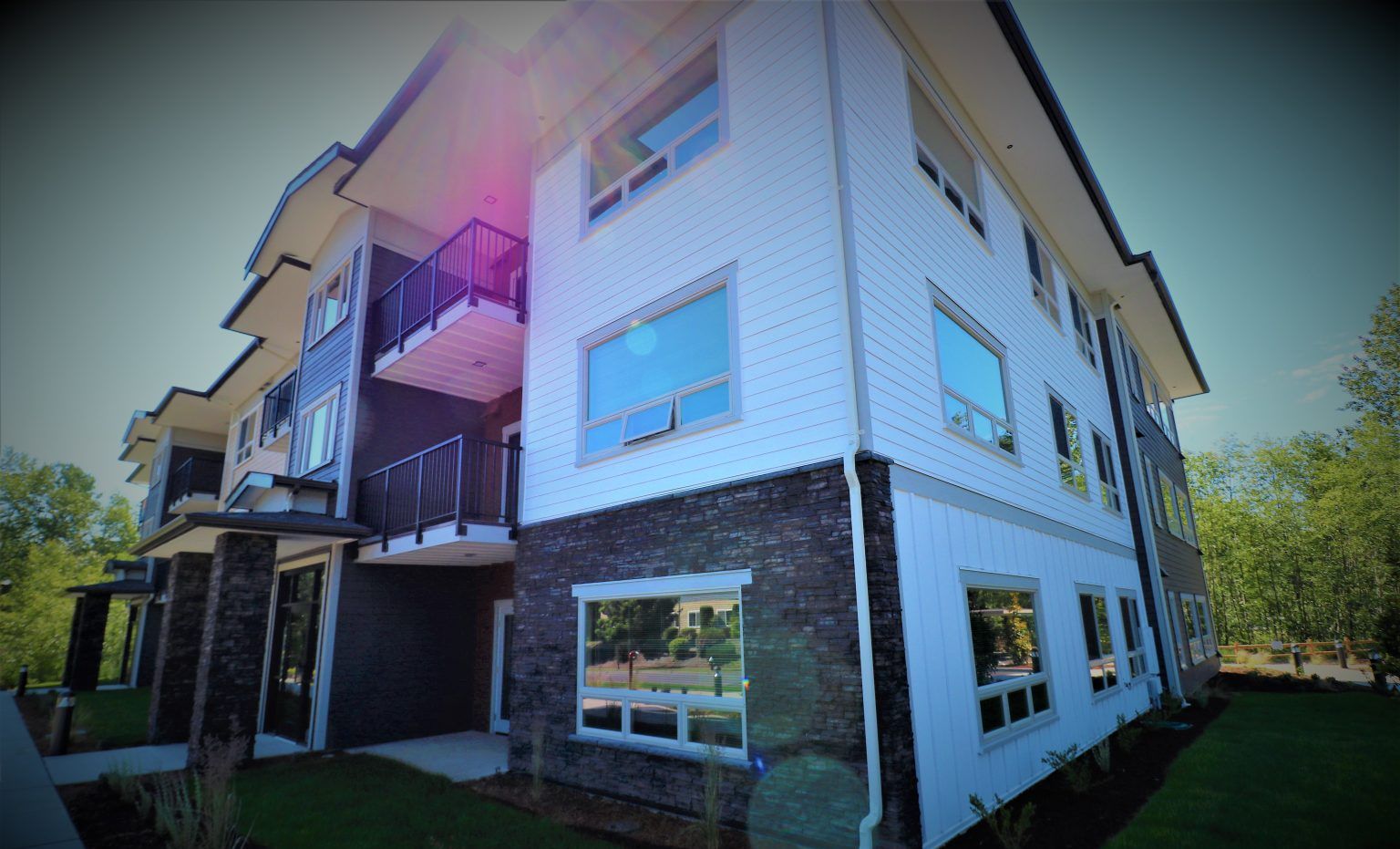
Fading by itself is not a structural emergency. It's a cosmetic issue, and plenty of homeowners live with it for years without any functional downside. That said, fade and heavy chalking are visible evidence the surface coating is breaking down, and left long enough, particularly on vinyl, that breakdown can make the material more brittle. Brittle vinyl is more prone to cracking or blowing off in high wind, which matters in a region where siding is rated and installed to meet specific wind-load requirements under the Florida Building Code and carries Florida Product Approval for the applicable wind zone.
So the honest answer is: not urgent like a leak, but worth a hands-on check before hurricane season if chalking is heavy and panels feel brittle rather than flexible when pressed. A wind mitigation inspection using the state's OIR-B1-1802 form focuses on roof shape, roof-to-wall connections, and opening protection for insurance credits; it doesn't evaluate siding condition, so fading won't show up there and isn't something you can use toward a wind mitigation discount.
What is more urgent is warping or buckling, meaning actual physical distortion of the panels, not just discoloration. That's a heat-related issue separate from fade, and it can affect how well the laps shed water, so it deserves a faster look.
For light-to-moderate chalking, a careful cleaning is often the first and cheapest step. A soft-bristle brush with mild detergent and a regular garden hose can noticeably improve the look. Be cautious with pressure washers; too much pressure can force water behind the laps or strip away more coating than it removes chalk, which does more harm than good.
Chalk-removing or restoration products exist and can help clean up residue, but they don't restore lost pigment. They just remove what's sitting on the surface, so results are usually incremental rather than dramatic.
Painting is worth discussing honestly. Fiber cement siding can generally be repainted with standard exterior paint. Vinyl can technically be painted too, but only with vinyl-safe, light-reflective paint. Going darker than the original color risks heat-related warping, and repainting can void the manufacturer's remaining product warranty. That's a real trade-off, not a footnote.
Spot replacement of just the faded panels is the lowest-cost repair path, but matching the color is often the sticking point. Manufacturers regularly discontinue color runs after a few years, so even a closest-match replacement panel on an older home can leave a visible seam between old and new.
A full re-side costs more, realistically ranging from several thousand dollars for a smaller home in vinyl up to well into five figures for a larger home or fiber cement, depending on size and trim work, but it solves the mismatch completely and lets you install a current product with valid Florida Product Approval for your wind zone. For someone budget-conscious or selling soon, a thorough cleaning or targeted repair is often the more sensible near-term move, even knowing the color won't be perfectly uniform.
Color choice matters more here than in milder climates. Lighter siding colors reflect more solar heat and tend to show visible fade more slowly than dark colors, especially on west-facing walls, worth weighing seriously when picking a color for a future re-side.
When choosing a product, look for siding carrying current Florida Product Approval for your wind zone. That approval is a structural and wind-resistance certification, not a fade guarantee, but manufacturers who maintain it also tend to publish real color and chalking warranties, worth reading specifically rather than assuming warranty coverage is automatic.
It can affect first impressions more than actual value. Noticeable chalking or dullness can make a well-maintained home look neglected to a buyer walking up. It's usually cosmetic rather than a deal-breaker, and a thorough cleaning before listing often helps curb appeal more than people expect, without the cost of a full re-side.
Yes, with real caveats. You'll need a vinyl-safe paint formulated to reflect heat, ideally a color as light or lighter than the original, since a darker repaint can cause panels to warp in our summer heat. Check your siding's warranty terms first, since repainting can void remaining manufacturer coverage.
Generally, no. Fade from ordinary sun exposure is treated as gradual wear and maintenance, not damage from a covered peril like wind or hail. Insurance typically only responds when siding is physically damaged in a specific event. It's also unrelated to the OIR-B1-1802 wind mitigation form, which evaluates roof shape and opening protection for premium credits, not siding fade.
It varies by material, color, and exposure, so there's no single timeline for every house. Darker vinyl in full, unshaded south or west sun is usually first to show visible chalking, sometimes within just a handful of years, while lighter colors and shaded elevations can go much longer. Fiber cement with a quality factory finish generally holds up longer in direct sun than vinyl, but isn't immune to fading over enough time either.
If your south or west walls are showing chalking or color washout, or you're just not sure whether you're looking at fade, streaking, or something more structural, Alpine Exteriors can take a look and give you a straight answer, whether that's cleaning, spot repair, or full re-side, based on what's actually going on with your walls. We're a licensed Florida contractor, RB29003900, serving Tampa, Wesley Chapel, Lutz, Land O' Lakes, New Port Richey, Plant City and Zephyrhills, and when a re-side does make sense, Alpine Exteriors can help you pick a product and color suited to Tampa Bay's sun and wind. Reach out for an inspection and a plain-language assessment of your options.