
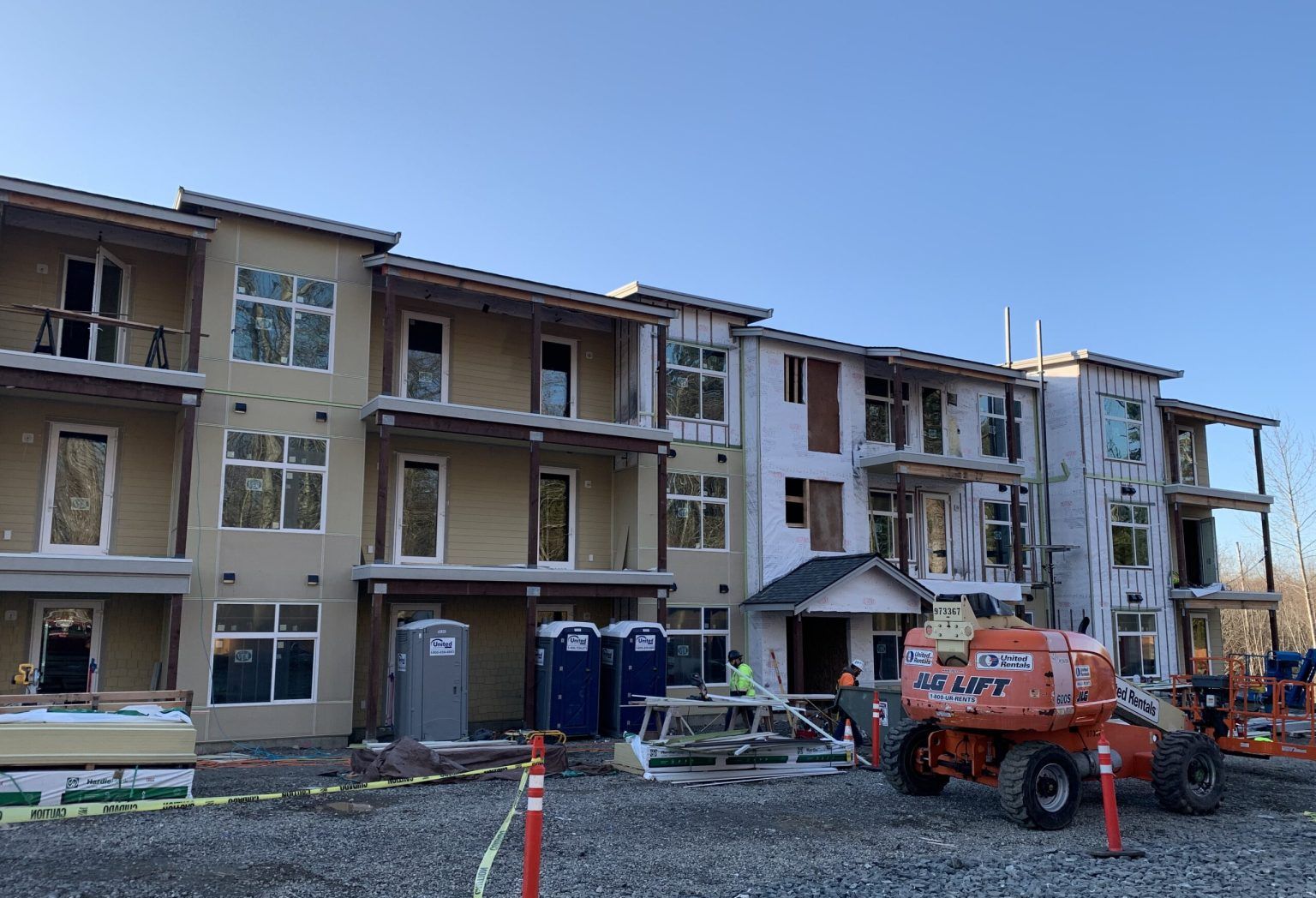
Plant City sits inland in Hillsborough County, in the strawberry-growing corridor between Tampa and Lakeland, and its housing stock reflects that history. You've got older wood-frame farmhouses and brick-veneer ranch homes from the 1950s through 1970s, a good number of manufactured and mobile homes on the outskirts of town, and newer stucco-and-frame construction in subdivisions built over the last two decades. Each of those base structures behaves a little differently under Florida weather, and that matters more than most siding brochures let on. Below is our honest take on what actually performs well here, based on the climate loads this area sees and the code requirements every exterior product has to clear before it goes on a wall.
For most Plant City homes, fiber cement siding is our default recommendation. It resists the year-round humidity and mold pressure that plague this part of Florida, it doesn't attract termites the way wood does, it holds paint and color through intense UV exposure better than most alternatives, and it's manufactured with Florida Product Approval ratings that make meeting Florida Building Code wind requirements straightforward. It costs more upfront than vinyl, but on a home you plan to keep for a decade or more, it tends to be the lower-maintenance, lower-regret choice.
If budget is the deciding factor, a thicker, impact-rated vinyl siding (.044" or heavier, with a Florida-specific product approval) is a reasonable second choice, especially on smaller ranch homes and additions where wind exposure is limited. It's not our first recommendation for larger, more exposed homes, for reasons we get into below.
What we don't recommend, regardless of budget, is anything without current Florida Product Approval documentation, or traditional solid wood siding on a home in this climate. More on both in the "what to avoid" section.
We didn't rank these products on looks alone. In Hillsborough County, a siding choice has to answer to several conditions at once:
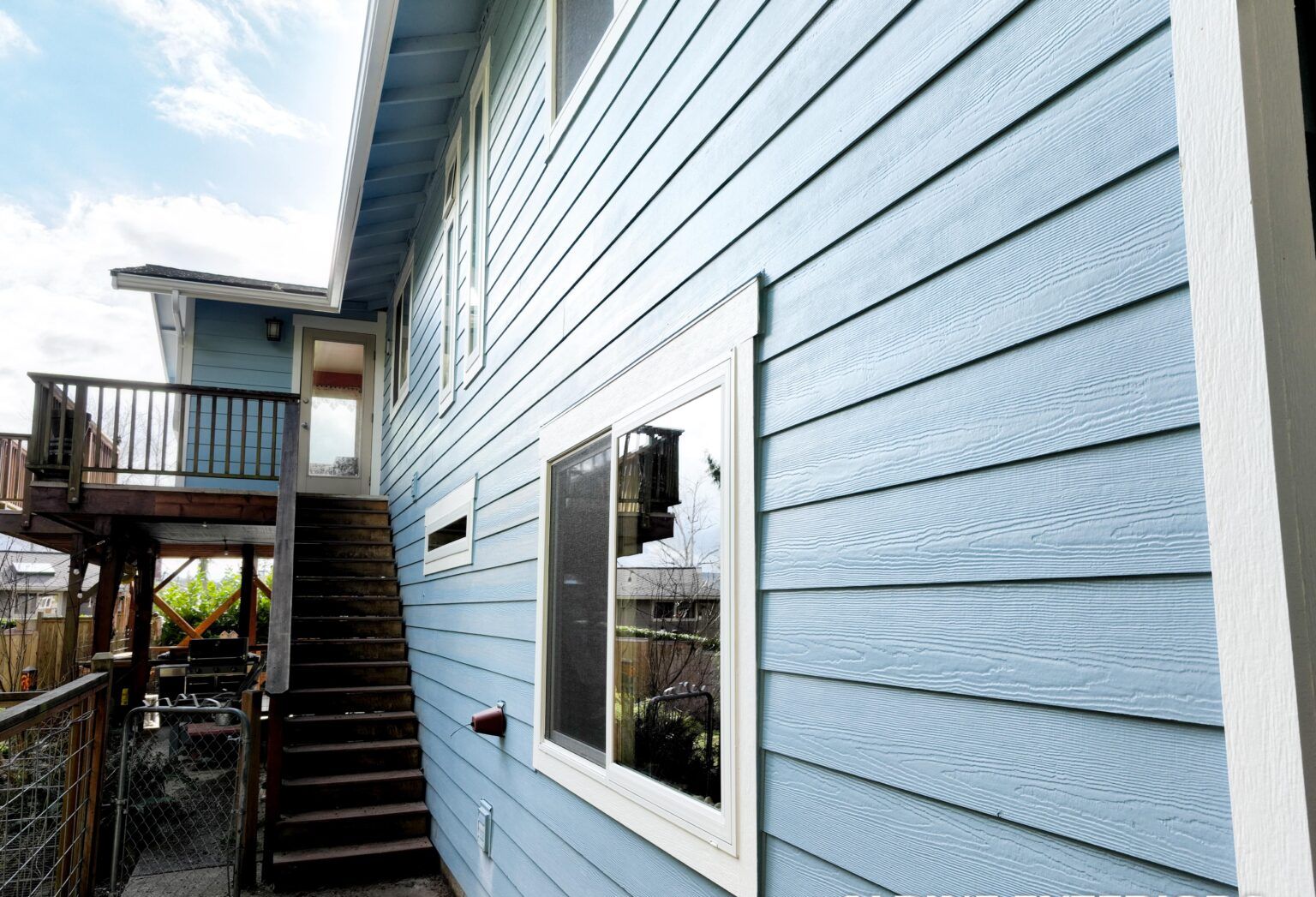
Fiber cement is a mix of cement, sand, and cellulose fibers, formed into planks or panels and factory-primed or pre-finished. It's the product we install most often on Plant City homes, particularly on older wood-frame houses being re-sided and on new additions.
Pros: It doesn't rot, and it gives termites nothing to eat, which matters a lot on the wood-frame farmhouses and older ranch homes common around Plant City. It holds paint and factory finishes through years of Florida UV without the chalking you see on lower-grade vinyl. It's rigid enough to resist the flexing and cracking that wind-driven rain events can cause in weaker materials, and current fiber cement products carry Florida Product Approvals covering a wide range of wind speeds, which simplifies the permitting and inspection process.
Cons: It's heavier and more labor-intensive to install than vinyl, which shows up in labor cost. It has to be painted (factory-finished options reduce this, but touch-up and eventual repainting are still part of ownership). It's also less forgiving of a rushed install — caulking, flashing, and fastener placement all need to be done correctly, or you lose the moisture resistance that makes it worth choosing in the first place. Expect a wider cost range than vinyl, generally landing in the moderate-to-higher end of siding options.
Vinyl remains popular in Plant City subdivisions and on rental and starter homes because of its lower material and labor cost. Not all vinyl is equal, though, and the difference matters more here than in a mild climate.
Pros: It's the most budget-friendly option, it never needs painting, and modern impact-rated vinyl with a current Florida Product Approval can perform reasonably well against wind loads on homes with moderate exposure. It also doesn't feed termites.
Cons: Thinner, big-box-store-grade vinyl is genuinely a poor fit for this region. It can warp or buckle from heat and intense sun exposure, especially on south- and west-facing walls, and it's more prone to cracking or blowing off in higher wind events unless you're using a thicker gauge with the right approval and fastening pattern. Color fade is also more noticeable over time than with quality fiber cement finishes, particularly on darker colors that absorb more UV. On larger or more wind-exposed homes, we generally steer clients toward fiber cement instead.
Engineered wood (wood strand composite treated and coated at the factory) shows up occasionally on Plant City homes going for a particular architectural look.
Pros: It's lighter than fiber cement, easier to install, and can achieve a wood-grain appearance some homeowners want without using solid wood.
Cons: Its long-term track record in high-humidity, high-termite-pressure climates is more mixed than fiber cement's. Any breach in the factory coating — from impact, poor cut-edge sealing, or an installer skipping a caulking step — gives moisture and, potentially, wood-boring insects an opening. We use it selectively and only when every edge and penetration is properly sealed; it's not our default recommendation for this area.
Less common here than fiber cement or vinyl, but occasionally requested for its dent resistance and non-combustible properties.
Pros: Doesn't rot, doesn't feed termites, and holds up structurally to wind well when properly rated and installed.
Cons: Aluminum dents and can show scratches through the finish over time, exposing bare metal to Florida's humidity. Steel resists denting better but costs more. Both can develop a tinny sound in heavy wind-driven rain, which some homeowners find bothersome. It's a reasonable niche option but not our top general recommendation for Plant City's housing stock.
A few choices come up often enough in this market that we want to call them out directly:
Yes. Plant City falls under the Florida Building Code's wind provisions for this region, and any siding installed here should carry a current Florida Product Approval (or an accepted Miami-Dade NOA) rated for the applicable wind speed, installed per the fastening schedule that approval specifies. This documentation also supports a wind mitigation inspection using the state's OIR-B1-1802 form, which can affect your homeowners insurance premium.
Lower-grade vinyl can warp on sun-exposed walls and fade noticeably over several years, especially in darker colors. Thicker, higher-quality vinyl with a proper UV-stable formulation holds up better, but if your home gets heavy afternoon sun on multiple sides, fiber cement generally holds its finish longer.
It's a real factor, particularly for the area's older wood-frame homes and rural properties. Fiber cement, vinyl, and metal siding all give subterranean termites nothing to feed on, which is one reason we steer clients away from solid wood siding in this area regardless of its appearance.
It depends on the home's size, the existing wall condition, and the material chosen, since fiber cement generally takes longer to install than vinyl due to cutting, fitting, and painting or finish work. We'll give you a specific timeline once we've walked the property and scoped the job.
Every home on your street reacts a little differently to Hillsborough County's heat, humidity, and storm season, depending on its age, wall construction, and sun exposure. Alpine Exteriors serves Plant City and the rest of Tampa Bay — including Wesley Chapel, Lutz, Land O' Lakes, New Port Richey, and Zephyrhills — and we're happy to walk your property, point out what your current siding is telling us, and lay out real options with real cost ranges instead of a one-size-fits-all pitch. Alpine Exteriors holds Florida contractor license RB29003900; reach out to schedule a walkthrough and get a straight answer on what's worth doing to your home.