
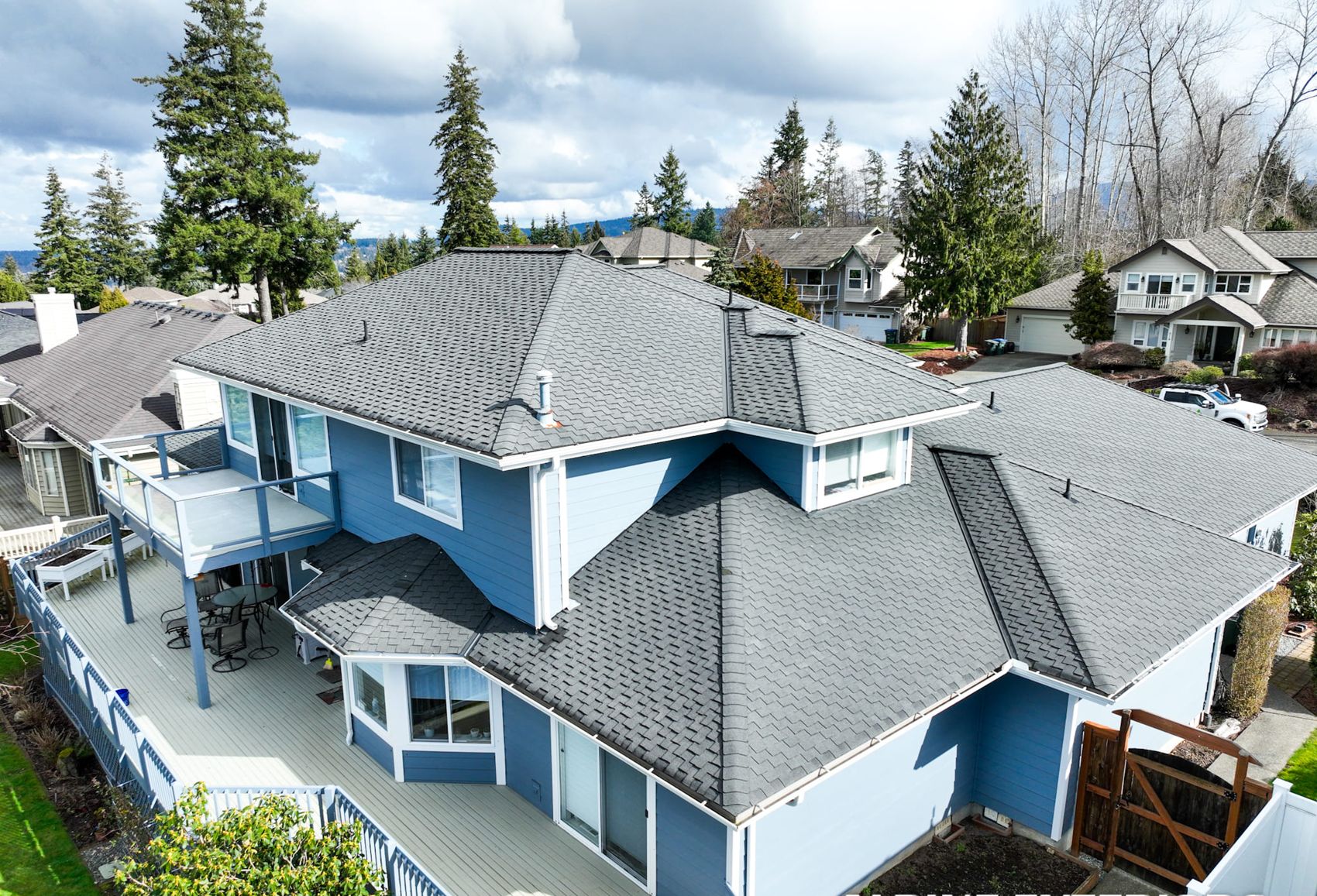
In Dade City, siding is not just a finish material, it is a component the Florida Building Code treats as structural cladding. Every product installed on a home here has to carry a valid Florida Product Approval rated for the wind pressures generated at that specific address, and it has to be fastened to a schedule the code spells out, not whatever spacing gets the job done fastest. If your siding does not meet those two things, it is not code compliant, no matter how good it looks from the street.
The Florida Building Code, currently in its 8th edition, sets performance requirements for exterior wall coverings based on the wind loads a building is expected to see, which in turn come out of ASCE 7 wind speed maps, exposure category, and the building's height and shape. For a typical single-story or two-story Dade City home, that translates into a required design wind pressure that the siding assembly, not just the panel but the fasteners, starter strip, and how it ties to the wall, has to resist without pulling loose or blowing off. Manufacturers test their products to those pressures and get a Florida Product Approval number, an FL number, that documents the maximum wind pressure the product is rated for and the exact installation method that rating depends on. Vinyl siding is tested to ASTM D3679; fiber cement siding carries its own FL approval tied to the manufacturer's fastening pattern. A permit reviewer, and later a field inspector, checks that the FL number on the submitted product matches what is actually going on the wall, and that the fastening matches the installation instructions referenced in that approval, not a generic contractor habit.
Fastening is where a lot of the actual protection lives. Vinyl siding needs corrosion-resistant fasteners, typically ring-shank stainless or hot-dip galvanized nails, driven straight and left with a small gap so the panel can float with thermal expansion; nailed too tight, it buckles in the heat and can pull through in wind. Fiber cement needs the fastener type, length, and spacing the specific product's approval calls for, usually tighter at panel edges and around openings where wind uplift concentrates. Behind all of it, code requires a water-resistive barrier lapped correctly and flashed at every window, door, and penetration, because in this climate a siding system that looks fine but leaks behind the cladding causes damage long before anyone sees a crack on the surface.
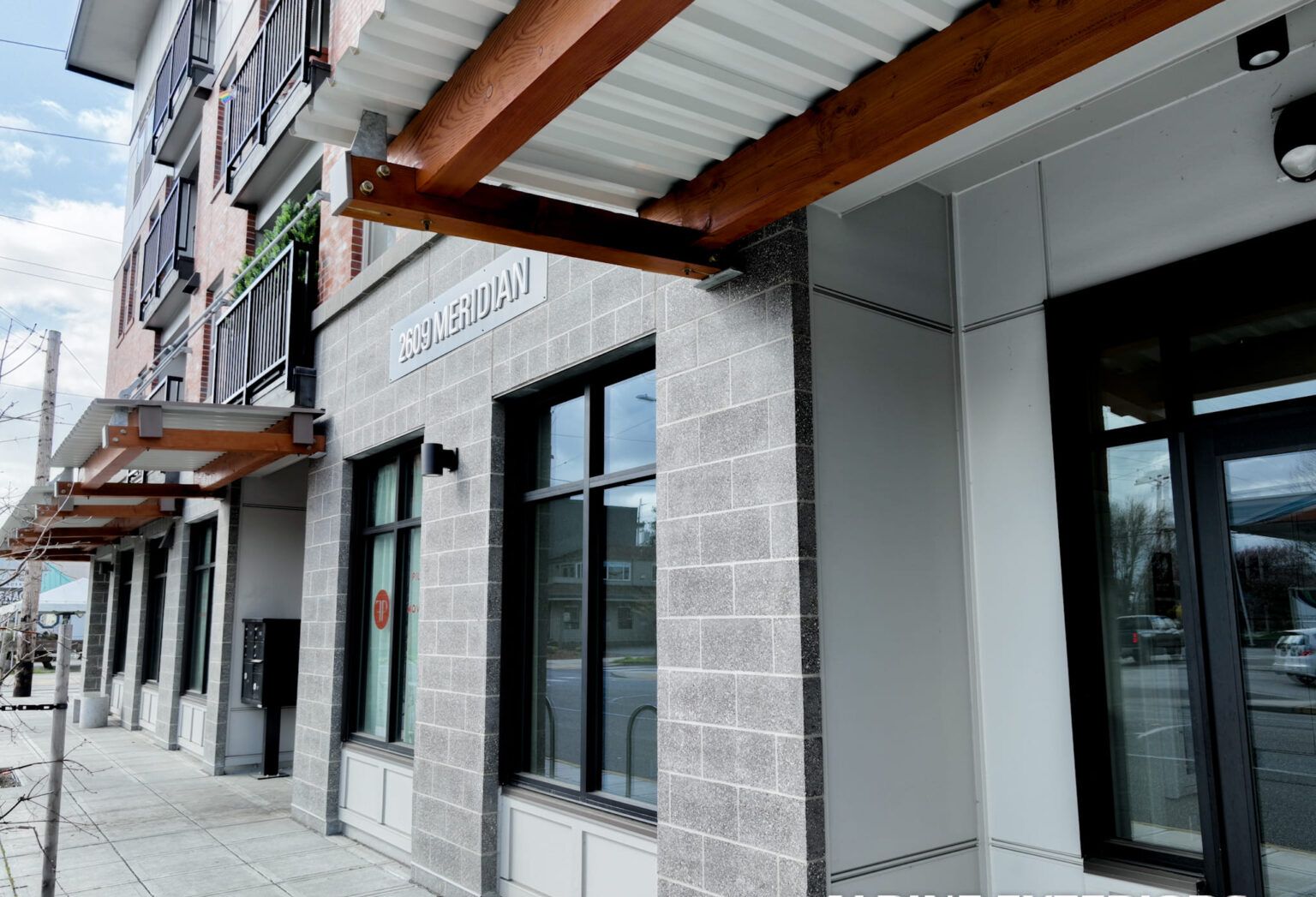
Dade City sits inland in Pasco County, roughly a half hour from the Gulf, which matters for a few reasons. It is far enough from the coast that it typically falls outside the wind-borne debris region under the code, and design wind speeds here run somewhat lower than they do in coastal Pasco communities, but they are still well into hurricane-relevant territory, and every storm that has crossed Central Florida in the last decade has proven that inland does not mean immune. That inland position also shapes what actually threatens a wall assembly here. Florida's humidity is constant, not seasonal, and it drives mold and rot pressure behind siding if the drainage plane and water-resistive barrier are not installed correctly; a wall assembly that would dry out fine in a drier climate can stay damp long enough in Pasco County to cause real damage. The sun is another factor most homeowners underestimate: UV intensity here degrades lower-grade vinyl resin over years, leading to fading, chalking, and brittleness well before a comparable product would show wear in a milder climate, which is one reason resin quality matters more here than the marketing copy on the sample chip suggests. Subterranean termites are active across Pasco County year-round, and siding installed too close to grade, or wood trim left without a gap or proper flashing, gives them an entry point that has nothing to do with wind code but everything to do with long-term damage to the wall behind the siding.
Start by asking whoever is bidding the job for the Florida Product Approval number of the exact siding product they intend to install, and confirm that number is rated for the wind pressure required at your address, not just rated for Florida in general. A legitimate contractor will have this on the proposal or produce it without hesitation. Confirm a permit is being pulled with Pasco County before work starts; siding replacement on an existing home almost always requires one, and skipping it leaves you without an inspection record if there is ever a wind claim or a future sale. During the job, look at the fastening yourself: panels should not be nailed tight to the wall, and the fasteners should be corrosion-resistant, not bright common nails that will streak and rust within a couple of years in this humidity. Ask whether a water-resistive barrier and proper flashing are going in before the siding, not after, since that is the layer doing the real work in wind-driven rain.
It also helps to get more than one bid and compare the actual Florida Product Approval numbers each contractor proposes, not just the brand name on the sample board, since two products from the same manufacturer can carry different wind ratings depending on panel thickness and fastening pattern. If a bid does not name a specific product and FL number, ask for one before signing anything. It is also worth keeping your final permit card, product approval documentation, and photos of the fastening and underlayment stage on file, both for any future insurance wind mitigation inspection using the state's OIR-B1-1802 form and for your own records if a warranty question comes up years later. Alpine Exteriors documents all of this on Dade City jobs as a matter of course, because a homeowner who can produce that paperwork later is in a much stronger position than one who has to take a contractor's word for it after the fact.
It is also worth being honest about what siding will and will not do. No siding product, installed to code or not, makes a home hurricane-proof; it is one layer in a system that includes the roof, windows, and structural connections, and a wind-rated siding job on a home with an old, marginal roof deck is still a home with real exposure. Fiber cement generally holds up better than vinyl to Central Florida's combination of UV, humidity, and occasional wind-borne debris, but it costs more up front and is heavier to install correctly. Vinyl, installed correctly with a quality resin, is a reasonable and more affordable choice for a lot of Dade City homes, but it is not the product to cut corners on with a bargain installer, because the failure mode with vinyl is almost always installation error, not the material itself.
In most cases yes. Pasco County requires a building permit for siding replacement on existing homes, and the permit process is what triggers the plan review confirming your chosen product's Florida Product Approval matches the wind pressure required at your address, plus the field inspection that checks fastening and flashing before the job is signed off.
The required design wind pressure depends on your home's exact location, height, exposure category, and roof geometry, all of which factor into the Florida Building Code's wind provisions; there is not one number that applies to every Dade City address. A contractor pulling your permit should calculate or reference the correct wind pressure for your specific home and match the siding's Florida Product Approval to it, rather than assuming a single rating covers the whole area.
Vinyl siding that carries a valid Florida Product Approval and is installed to the fastening schedule that approval requires performs as tested, including under the wind pressures common to inland Pasco County. Where vinyl fails in storms is almost always an installation problem, panels nailed too tight, wrong fastener spacing, or a missing starter strip, rather than a shortcoming of the material itself, which is why installation quality matters as much as the product choice.
It can, depending on what your policy already credits and what an updated wind mitigation inspection using the state's OIR-B1-1802 form shows after the work is done. Siding itself is not usually the biggest line item on that form compared to roof shape and opening protection, but a documented, code-compliant installation with the right product approval on file gives you something concrete to submit if your insurer asks for updated proof.
If your siding is original to the house, chalky, or you are just not sure what it is currently rated for, Alpine Exteriors will walk the exterior, check what is actually on the wall against Florida Building Code requirements, and explain the fastening and product approval situation in plain terms before any work starts. Alpine Exteriors holds Florida contractor license RB29003900 and works throughout Pasco County, including Dade City, Wesley Chapel, Land O' Lakes, and Zephyrhills. Reach out for an on-site look at your home's siding and a straightforward explanation of what code actually requires for your address.