
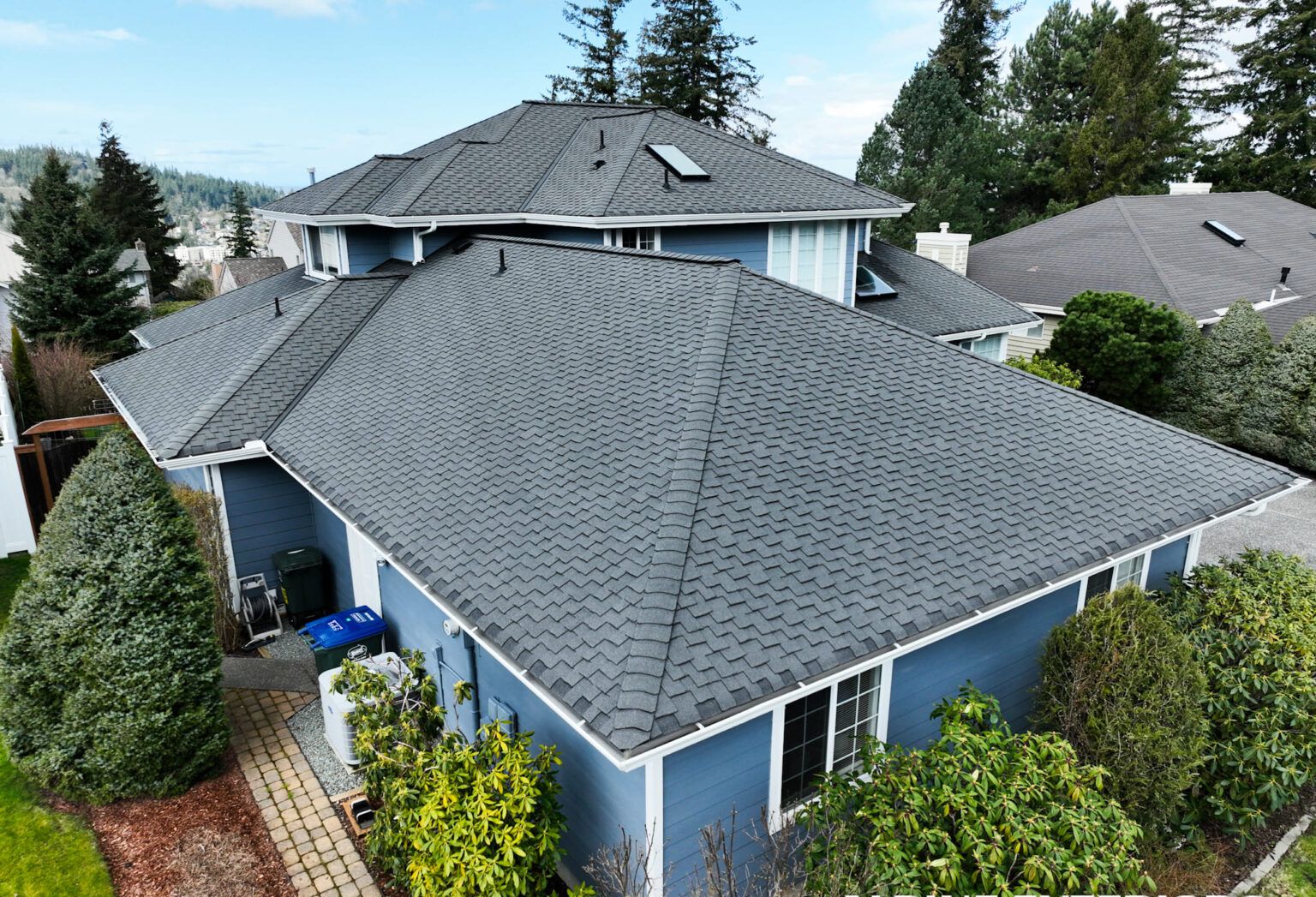
In Hudson, siding is a structural wind-resistance component, not just a finish — the Florida Building Code requires every siding product installed here to carry a Florida Product Approval rated for the wind pressures generated at your specific address. That approval, combined with the manufacturer's fastening schedule, is what a Pasco County inspector is actually checking when they walk your job.
Most homeowners never think about siding this way until they're standing in front of a permit rejection or a contractor who wants to install with staples because "that's what's in the box." Hudson sits close enough to the Gulf of Mexico that wind design speeds in west Pasco County run high under the current Florida Building Code wind maps — commonly in the 150 mph-plus range for Risk Category II structures, depending on your exact site and exposure category. That number drives everything downstream: what siding products are even legal to install, how far apart the fasteners go, and how the trim and accessories get flashed. Alpine Exteriors treats that number as the starting point on every Hudson estimate, not an afterthought.
Florida is one of the few states where a siding product can't simply show up on a truck and go on the wall. Under the Florida Building Code, vinyl, fiber cement, and most other exterior cladding products sold for use here must carry a current Florida Product Approval (issued through the state's product approval system, sometimes paired with a Miami-Dade Notice of Acceptance for products tested to the high-velocity hurricane zone standard, even though Hudson itself sits outside that zone). The approval documentation specifies the exact wind pressure rating the product achieved in testing, the substrate it was tested over, and — critically — the fastening pattern required to hit that rating. Swap in a different nail, a wider spacing, or a lighter-gauge fastener than what's listed, and the product is no longer installed to its tested rating, whatever the box says on the outside.
Fastening is where a surprising number of Tampa Bay-area siding jobs fall short, and it's rarely intentional — it's usually a crew defaulting to habits from a lower-wind market. Florida Product Approval documentation for siding typically calls for:
Inspectors in Pasco County generally check three things on a siding job: that the installed product matches an active Florida Product Approval on file (or is otherwise permitted under the code), that fastener type and spacing match that approval's documentation, and that flashing and water management details — head flashing over windows, weep points, proper laps — are present and correct. A siding job can look flawless from the curb and still fail on fastener spacing alone, which is why Alpine Exteriors documents fastener pattern and product approval numbers as part of every Hudson job file, not just at final inspection.
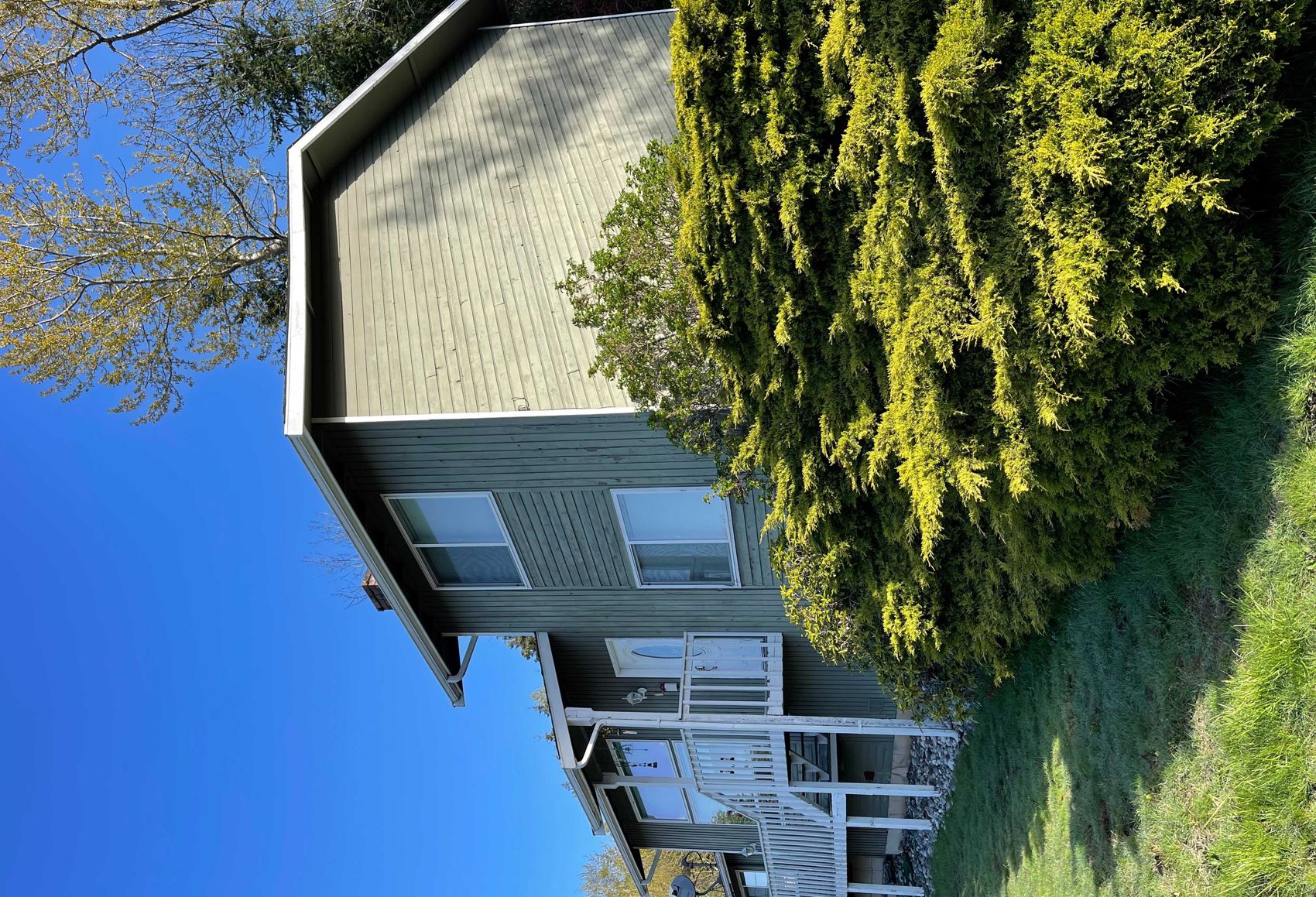
Hudson isn't a generic Florida address, and treating it like one is how siding jobs underperform. A few things stack up here that don't apply the same way even a few counties inland:
Wind-driven rain, not just wind speed. The wind pressure rating gets the code attention, but hurricanes and the seasonal thunderstorm line that rolls off the Gulf push rain sideways into wall assemblies, not just down. A siding system that's rated for the wind but poorly lapped or missing head flashing will let water in behind the cladding well before the panels themselves fail. Wind rating and water management have to be solved together here, not treated as separate line items.
Salt air proximity. Hudson's low-lying, waterfront-adjacent geography means homes closer to the coast and the canals see real salt exposure in the air, which accelerates corrosion on the wrong fastener choice and degrades lesser trim and hardware faster than it would inland. This is part of why fastener material matters as much as fastener count.
UV and heat cycling. Florida sun is intense and near-constant. Lower-grade vinyl siding can chalk, fade, or go brittle years before a comparable product would show wear in a milder climate, and brittle vinyl performs worse in wind events — it's more prone to cracking at the fastener slots instead of flexing as designed.
Humidity and moisture pressure. Year-round humidity means any water that does get behind the siding has a much harder time drying out than it would in a dry climate, which raises the stakes on wrapping, flashing, and drainage details that some contractors treat as optional.
Notably absent from this list: Hudson is not in Florida's High-Velocity Hurricane Zone (that's Miami-Dade and Broward), so you won't see HVHZ-specific product testing requirements referenced on your permit — but the standard Florida Building Code wind provisions still apply in full, and west Pasco's wind speeds are high enough that cutting corners on approval documentation is not a low-risk move.
You don't need to become a code expert to protect yourself on a siding project — you need to ask for the right paperwork and watch for a few specific things during the job.
It's also worth being honest about the tradeoffs. Products and fastening systems that meet Hudson's wind requirements generally cost more than the base-grade materials sold in lower-wind markets, and a correctly documented, correctly fastened job takes longer than a crew rushing to finish in a day. That's a real cost and schedule difference, not a sales talking point — but it's the difference between siding that holds through a named storm and siding that becomes debris in your neighbor's yard. Alpine Exteriors' installers in Hudson work from the product approval documentation as a checklist, not a suggestion, which is slower up front and holds up better over the life of the siding.
In most cases, yes. Pasco County generally requires a building permit for siding replacement or new installation, and that permit is what triggers the inspections that verify the product approval and fastening schedule were actually followed. A contractor proposing to skip the permit to save time is skipping the one step that protects you if something goes wrong.
It depends on your exact site, your home's exposure category, and its risk classification, all of which are pulled from the current Florida Building Code wind maps rather than a single countywide number. West Pasco, including Hudson, generally falls in a high-wind range for the state, so it's worth confirming the specific figure for your address rather than assuming a product rated for a lower-wind Florida market will meet local requirements.
It can, depending on your carrier and the rest of your home's wind mitigation features. The OIR-B1-1802 wind mitigation inspection form is what documents opening protection, roof-to-wall connections, and other wind-resistance features for your insurer — properly installed, code-compliant siding is one piece of that picture, but it isn't the only variable your premium is based on.
Only if that specific product carries a Florida Product Approval rated for the wind pressures at your address and is installed to that approval's fastening schedule. Some budget vinyl products simply aren't tested or approved for the wind speeds common in west Pasco County, which means they can fail inspection outright regardless of how well the crew installs them.
Wind ratings, product approvals, and fastening schedules aren't details to sort out after the crew shows up — they should be settled before a single panel goes on the wall. Alpine Exteriors, Florida license RB29003900, serves Hudson and the surrounding Tampa Bay area including New Port Richey, Land O' Lakes, Wesley Chapel, Lutz, Plant City, and Zephyrhills, and can walk your specific address through what the code requires before you commit to a product or a price. Contact Alpine Exteriors for a siding assessment that starts with your home's actual wind exposure, not a generic quote.