
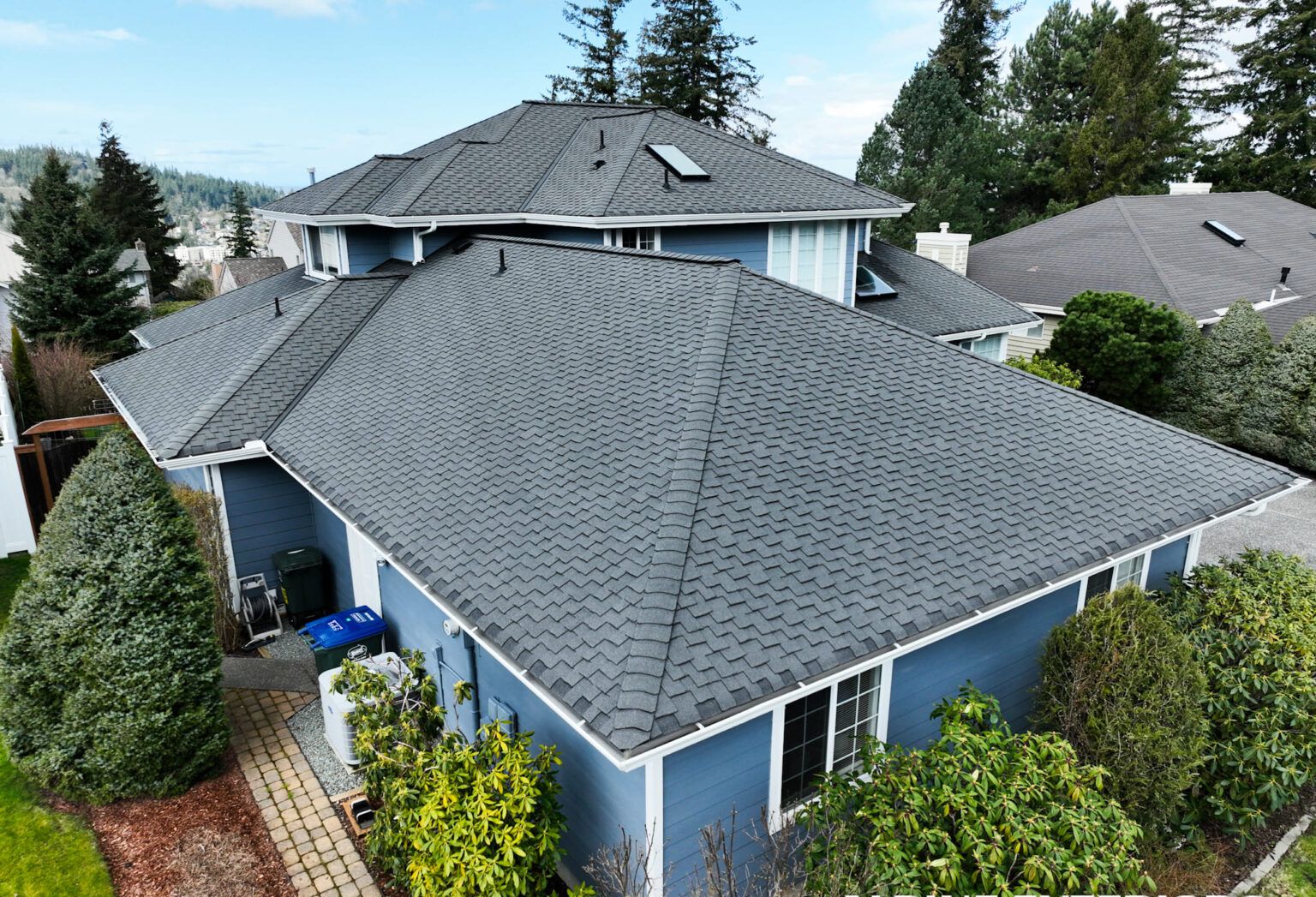
If your home sits in Keystone, you're in unincorporated Hillsborough County, so your siding permit is issued by Hillsborough County's Building Services / Development Services Division, not the City of Tampa or any nearby municipality. Most full siding replacements, and any job that opens up the wall assembly or exposes the sheathing, need a permit and at least one inspection before the work is closed up.
Keystone — the horse-country pocket around Lake Keystone, Van Dyke Road, and the western edge of Lutz — is unincorporated, which means it's governed directly by Hillsborough County rather than by a city hall. That distinction matters more than most homeowners assume. Permitting, plan review, and inspections all run through the county's Development Services office, and the applicable code is the Florida Building Code as adopted and administered by Hillsborough County, not a municipal variant with its own local amendments. A contractor pulling a permit in Keystone is dealing with the same county reviewers who handle permits in Odessa, Citrus Park, and unincorporated Lutz — but a different intake desk, different scheduling system, and sometimes different turnaround times than a permit pulled a few miles away inside Tampa's or a neighboring city's limits.
Whether a given siding job needs a permit comes down to scope. A true tear-off and replacement — removing the existing siding down to the sheathing or studs and installing new siding, house wrap, and trim — is a permitted job everywhere in the county. So is any project that adds or modifies wall penetrations, changes the exterior wall covering type (say, swapping older wood lap siding for fiber cement or vinyl), or gets bundled with other exterior work like window replacement or a re-roof. Smaller, cosmetic repairs — replacing a handful of damaged boards or panels that match the existing material and don't disturb the water-resistive barrier — are sometimes treated as maintenance and may fall outside permit requirements, but 'sometimes' is doing a lot of work in that sentence. The county's threshold is based on scope and value, and it's applied at the counter by a reviewer looking at the actual submittal, not guessed at from the driveway. Alpine Exteriors pulls the actual permit determination from the county before quoting a job as permit-exempt, rather than assuming.
Once a permit is issued, Hillsborough County ties inspections to the stage of construction. For siding, that typically means an in-progress inspection once the house wrap or weather-resistive barrier is installed and the flashing at windows, doors, and other penetrations is visible but before the new siding covers it up, plus a final inspection once the job is complete. Skipping the wrap-and-flashing inspection is one of the more common ways a siding job gets flagged later, because once the siding goes on, there's nothing left for the inspector to actually look at — the whole point of that inspection is that it happens before the wall is covered.
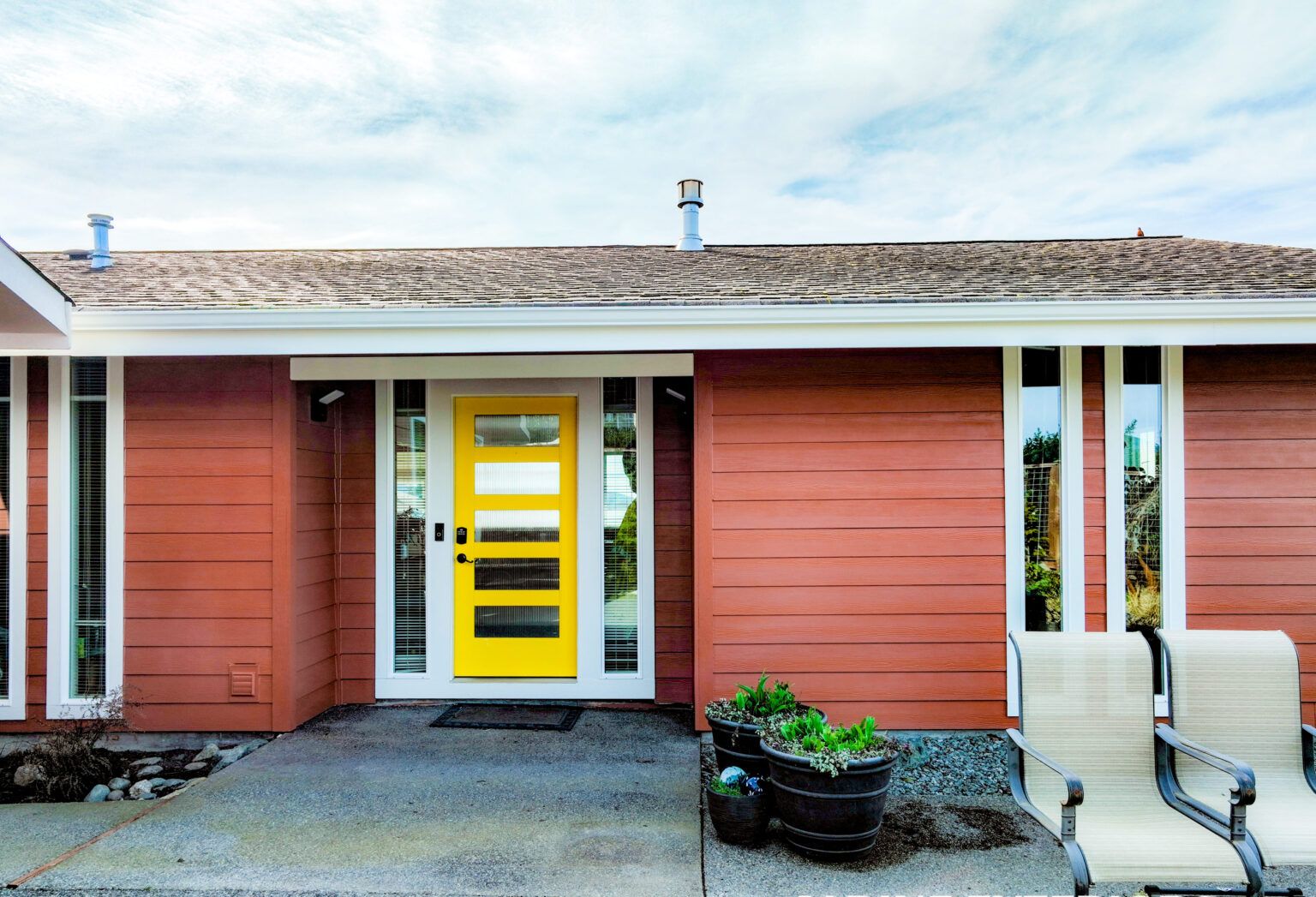
Hillsborough County sits well within Florida's hurricane wind exposure, and that shapes what a permit reviewer is actually checking for. Under the Florida Building Code, exterior wall coverings — including vinyl, fiber cement, and engineered wood siding — need Florida Product Approval documentation for the specific wind pressure zone the house sits in. That approval ties the product to a tested wind load rating, and the reviewer wants to see it match the fastening schedule and the house's exposure category before signing off. This isn't paperwork for its own sake; siding that isn't rated and fastened for the local wind load is exactly what comes off a house first in a tropical storm, and torn-off siding is a common source of both direct wind damage and wind-driven rain intrusion into the wall behind it.
Wind-driven rain is really the other half of the equation, and it's arguably the bigger long-term risk in this region. Tampa Bay storms don't just push wind, they push water sideways into wall assemblies through any gap in the flashing or lap sequencing. That's exactly why the county inspector wants eyes on the house wrap and flashing detail before it gets covered — a poorly lapped weather-resistive barrier, a window flashed out of sequence, or a missing kick-out flashing can sit hidden behind new siding for years until a storm finds it, and by then the fix is a wall cavity full of wet sheathing and framing, not a quick call-back on trim.
Add in Florida's humidity and this area's termite pressure, and the stakes for getting the wall assembly right the first time go up further. A wall that traps moisture behind new siding is a mold and rot problem waiting to happen, and subterranean termites in this part of the county don't need much of an opening to find damp wood once it's there. UV exposure is a slower-moving factor but a real one over the life of the siding — trim, caulk, and sealant joints take a steady beating from Florida sun, and the difference between a UV-stable product installed correctly and a bargain one shows up in five years, not fifteen. Keystone isn't a coastal salt-air zone the way South Tampa or the barrier islands can be, so fastener corrosion from salt spray isn't the driving concern here that it is closer to the water — but hurricane wind load, wind-driven rain, humidity, and termite exposure all are, and a permit reviewer checking product approvals and flashing details is checking exactly those things, in that order of priority.
Start by confirming your address is actually inside unincorporated Keystone and not just within the general Keystone/Odessa area name or school zone — the county's property appraiser records and permitting portal show jurisdiction by parcel, and it's worth checking before assuming who your permitting authority even is. From there, a few habits make the process go smoother and protect you if something goes wrong later:
Homeowners in Keystone sometimes assume a permit just adds cost and delay for no real benefit, and it's fair to say permitting does add both time and a fee to the project — that's a genuine tradeoff, not a myth. But the inspection is the only outside check that the wall behind your new siding was actually built to hold up in a Florida storm rather than just look finished from the curb. Alpine Exteriors handles the Hillsborough County permit application, the product approval documentation, and the inspection scheduling as part of the job, which is worth asking about directly when you're comparing contractors — some quotes quietly assume you'll deal with the county paperwork yourself.
Usually yes, if the work involves removing the siding down to the sheathing, changing the water-resistive barrier, or altering flashing at windows and doors — even on a single wall. Hillsborough County generally treats partial replacements the same as full ones when the wall assembly itself is being opened up; it's patch repairs using matching material with no barrier disturbance that are more likely to fall outside permit requirements, and that determination should come from the county or a licensed contractor, not a guess made on-site.
Since Keystone is unincorporated, permitting questions go to Hillsborough County's Development Services / Building Services Division rather than the City of Tampa or any neighboring city. Their permitting portal lets you search by parcel to confirm jurisdiction and review permit history on your property, which is a useful first step if you're not sure what, if anything, is already on file for your house.
Timelines vary with the county's current review volume and whether the submitted plans and Florida Product Approval documentation are complete on the first pass, so it's not something worth promising a fixed number of days for. Straightforward residential siding permits submitted as a complete package generally move faster than jobs bundled with structural changes or additions; incomplete submittals are the most common cause of delay on the county's end.
Unpermitted exterior work can surface later during a home sale, an insurance wind mitigation inspection, or a county complaint, and resolving it after the fact usually means filing an after-the-fact permit application, possible additional fees, and an inspector needing to verify wall construction that may already be covered up — sometimes requiring it to be opened back up to be seen. It's a more expensive and disruptive path than permitting the job correctly the first time.
If you're planning a siding replacement or repair in Keystone, Alpine Exteriors can walk your specific project through Hillsborough County's permitting process, confirm the right Florida Product Approval for your home's wind exposure, and schedule the required inspections so nothing gets covered up before the county has seen it. Alpine Exteriors holds Florida contractor license RB29003900 and works throughout the Tampa Bay area, including Keystone, Lutz, Wesley Chapel, Land O' Lakes, New Port Richey, Plant City, and Zephyrhills. Reach out for a straightforward assessment of what your project will actually require before any work begins.