The Best Siding for Lutz and Pasco County Homes
Updated August 2026 · Alpine Exteriors · FL contractor license RB29003900
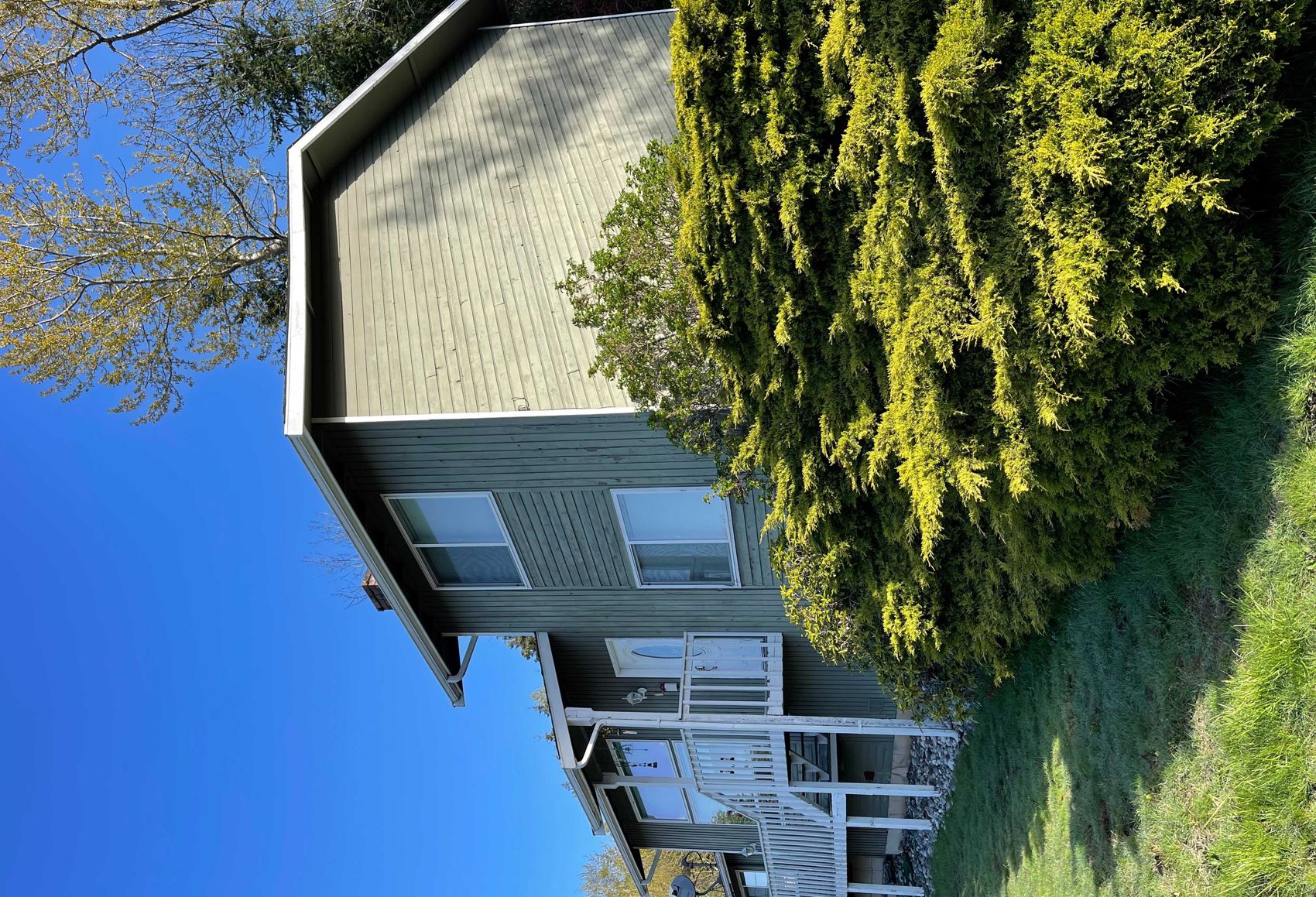
The short answer: our top picks for this region
For most homes in Lutz, Wesley Chapel, Land O' Lakes, and the rest of inland Pasco County, fiber cement siding is the material we recommend most often, with high-wind-rated vinyl siding as the strongest value alternative. Both hold up to the two things that do the most damage to siding here — wind-driven rain during tropical storms and hurricanes, and years of intense Gulf Coast sun — without the moisture problems that sink less suitable products. Neither is automatically the right call for every house; the answer depends on your home's age, its current wall assembly, your budget, and how much upkeep you actually want to sign up for. That's why we lay out the honest tradeoffs below instead of pushing one product.
How we judged siding for Lutz and Pasco County homes
Pasco County sits inland from Tampa Bay, so we're not dealing with direct salt spray the way a beachfront property would, but we are dealing with everything else Central Florida throws at a wall: sustained subtropical humidity, seasonal tropical storms and hurricanes, and UV exposure that's intense for most of the year. We judged each siding option against five criteria that actually matter for a house in this area, not a generic checklist written for a colder, drier climate.
- Wind performance. Pasco County falls under wind speed requirements set by the Florida Building Code, and any siding product installed here needs a valid Florida Product Approval (or an accepted Miami-Dade NOA) rated for the applicable design wind speed. We weighted how a material actually performs in a storm — not just whether it's technically approved on paper — including how well it resists wind-driven rain intrusion behind the cladding.
- Moisture and mold resistance. Humidity here doesn't let up for months at a time. A siding product that traps moisture against the wall sheathing is a mold and rot problem waiting to happen, so we weighted how forgiving each material is if water does get behind it.
- UV and fade resistance. Central Florida sun is hard on both color and material integrity. We looked at how each option holds its finish and its structure under years of high UV exposure.
- Termite exposure. Subterranean termites are a real concern for wood-adjacent products in this part of Florida, so we factored in whether a material gives termites anything to work with.
- Maintenance and lifespan realism. We didn't grade on manufacturer marketing lifespans — we graded on what actually holds up over 15 to 20 Florida summers with reasonable, not obsessive, upkeep.
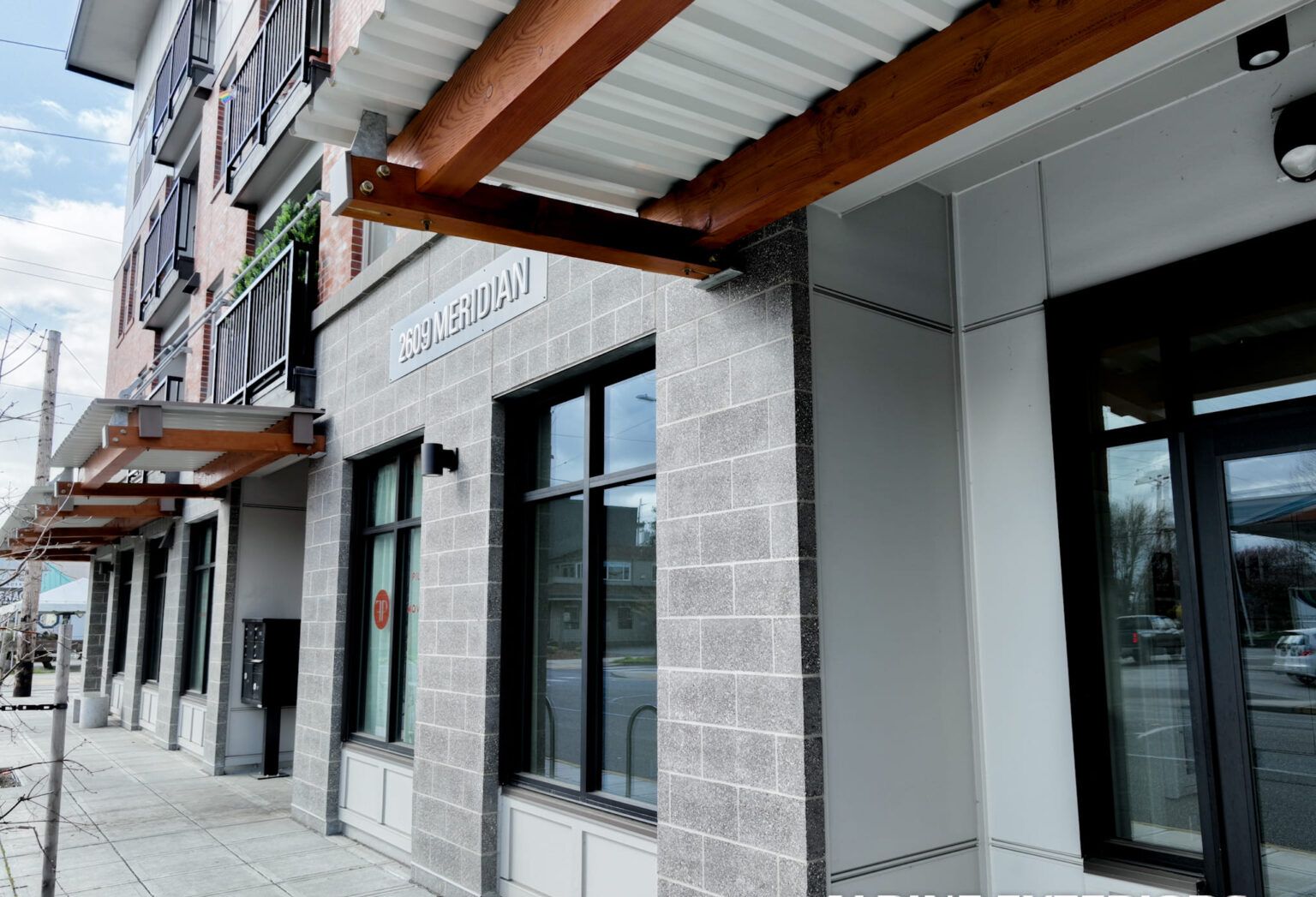
Siding options for Lutz homes, one by one
Here's how the materials homeowners ask us about most often actually perform once they've been on a Pasco County house through a few storm seasons. This is the same walkthrough Alpine Exteriors gives in person, tailored to what's actually on your walls today.
Fiber cement siding
Fiber cement — the category that includes products like HardiePlank — is a blend of cement, sand, and cellulose fibers pressed into planks or panels. It's our top overall pick for most Lutz and Pasco County homes, and it's the material we install most often on this side of Tampa Bay.
Pros:
- Doesn't rot and gives subterranean termites nothing to eat — a real advantage over wood-based products in this part of Florida.
- Handles sustained humidity without warping or delaminating the way some engineered products can.
- Available in high-wind-rated profiles carrying Florida Product Approval numbers that meet Pasco County's wind speed requirements when installed to spec.
- Holds paint and color far longer under intense UV than vinyl, without the same chalking or fading.
- Class A fire rating, which some insurers factor into premiums.
Cons:
- Heavier and more labor-intensive to install than vinyl, which shows up in installed cost.
- Still needs periodic caulking and repainting, typically every 10 to 15 years, to keep water out at seams and joints — it's low-maintenance, not no-maintenance.
- Correct fastening pattern and flashing detail matter enormously for wind performance; a poor install undercuts the product's real-world rating even when the material itself is rated correctly.
High-wind-rated vinyl siding
Vinyl siding gets a bad reputation in Florida because a lot of what's out there is the thin, standard-gauge product that wasn't built for this climate. Heavier-gauge, high-wind-rated vinyl — typically in the .044 to .046 mil range with a continuous nailing hem — carries Florida Product Approval for real hurricane-prone wind speeds and is a legitimate, lower-cost option for Lutz homes.
Pros:
- Lower material and installation cost than fiber cement, often by a meaningful margin.
- Never rots and never feeds termites.
- No painting — color runs through the material, which matters when you're trying to avoid future maintenance trips.
- Modern high-wind profiles perform well against wind-driven rain when installed with the correct fastening schedule and starter strip.
Cons:
- Lighter-gauge vinyl — the kind sold for northern climates — is a poor fit here; it can oil-can or pull loose in high wind. Gauge and product approval number both matter, and it's worth asking a contractor to show you both.
- Darker colors absorb more heat and can warp faster under sustained Central Florida sun, even in higher-quality vinyl.
- Doesn't add real structural rigidity to the wall the way fiber cement does, so performance depends more heavily on what's underneath it.
Insulated vinyl siding
This is standard vinyl siding with a layer of rigid foam laminated to the back. It's worth calling out separately because the foam backing changes its performance profile in a way that matters here.
Pros:
- The foam backing adds rigidity, which generally improves impact and wind resistance compared to hollow-back vinyl of the same gauge.
- Some modest improvement in wall insulation value, which helps during Florida's long cooling season.
- Same low-maintenance, termite-proof, no-paint advantages as standard vinyl.
Cons:
- Costs more than standard vinyl, narrowing the price gap with fiber cement without fully closing it.
- If moisture does get behind it, the foam backing can make it harder to spot and slower to dry than hollow-back vinyl.
Engineered wood siding
Engineered wood products, like LP SmartSide, use wood strands bonded with resins and treated for moisture and insect resistance. We're straightforward about this one: it's not a material we lead with in Pasco County.
Pros:
- Looks and installs like traditional wood lap siding, which some owners want for a specific architectural style.
- Factory treatment does provide real termite and moisture resistance compared to untreated wood.
Cons:
- It's still a wood-based product at its core, and sustained subtropical humidity is exactly the condition that stresses resin treatment over time, especially at cut edges and seams that weren't properly sealed during install.
- Any lapse in caulking or paint maintenance opens the door to moisture intrusion faster than with fiber cement or vinyl.
- We'd only recommend it in Lutz for an owner who specifically wants the look and commits to a strict maintenance schedule — not as a default choice.
Aluminum siding (legacy option)
You'll still see aluminum siding on older homes throughout Pasco County, but it's not something we install new anymore.
Pros:
- Doesn't rot or feed termites.
- Genuinely fireproof.
Cons:
- Dents easily, and hail or lawn equipment damage shows up as permanent dings rather than something that blends back in.
- Chalks and fades noticeably under years of intense UV, and the fade is hard to reverse without a full repaint.
- Newer materials outperform it on both wind resistance and moisture handling for similar or lower cost.
What to avoid in Lutz and Pasco County — and why
A few choices come up often enough in this market that they're worth flagging directly.
- Standard-gauge vinyl without a Florida Product Approval number. If a quote doesn't specify the gauge and the product's wind rating, you can't verify it meets Pasco County's wind speed requirements under the Florida Building Code. This is the single most common shortcut homeowners get talked into, usually because it's cheaper up front.
- Skipping the house wrap or weather-resistive barrier upgrade during a full re-side. Whatever cladding you choose, it's only as good as what's behind it. A re-side is the one time it's genuinely inexpensive to correct old or damaged building paper — skipping that step to save money undercuts the moisture resistance of even a top-tier siding material.
- Untreated or poorly sealed wood siding. Traditional wood lap siding without factory treatment is a hard pass in this climate. Between humidity and termite pressure, it requires more maintenance than most owners are realistically willing to keep up with.
- Ignoring the wind mitigation paperwork. After a re-side with a wind-rated product, ask your contractor for documentation you can hand to your insurance agent for an updated Uniform Mitigation Verification Inspection Form (OIR-B1-1802). It won't change your siding choice, but skipping it means leaving a possible insurance credit on the table for work you already paid for.
FAQ: siding questions from Lutz and Pasco County homeowners
Does my siding need to meet a specific wind rating in Pasco County?
Yes. Any siding installed in Pasco County has to comply with the wind speed requirements set by the Florida Building Code for our area, and the specific product going on your home needs a valid Florida Product Approval, or an accepted Miami-Dade NOA, that covers that wind speed. Your contractor should be able to show you the approval number for the exact product, not just a general claim that it's rated for Florida.
Is fiber cement really worth the extra cost over vinyl for a Lutz home?
It depends on your timeline and priorities. If you're planning to stay in the home long-term and want the lowest-maintenance, most fade- and moisture-resistant option, fiber cement's higher upfront cost usually pays off over the life of the siding. If budget is the primary driver and you're comfortable with the tradeoffs, a properly rated high-wind vinyl product is a legitimate and much less expensive alternative — it's a different set of tradeoffs, not a downgrade.
How does humidity in Pasco County affect siding differently than a drier climate?
Sustained humidity keeps moisture in contact with siding and the wall assembly behind it for longer stretches than a drier climate would, which is what drives mold, mildew staining, and, for wood-based products, slow degradation of treated surfaces at seams and cut ends. It's a big part of why we steer most homeowners away from wood-based siding here and toward fiber cement or properly installed vinyl, neither of which feeds mold or rot the way organic materials can.
Can new siding help with my home's wind mitigation insurance credit?
It can contribute. Wind mitigation credits on Florida homeowners insurance are based on several features of the home — roof shape, roof-to-wall connections, opening protection, and more — documented on the Uniform Mitigation Verification Inspection Form (OIR-B1-1802). Siding alone usually isn't the deciding factor, but installing a wind-rated product correctly, with documentation, is worth mentioning to your insurance agent the next time that form is updated.
Get a straight answer for your Lutz home
The right siding for your house depends on details a general guide can't see — your current wall assembly, your home's age and orientation, and what's actually driving the decision for you, whether that's storm performance, long-term maintenance, or budget. Alpine Exteriors serves Lutz, Wesley Chapel, Land O' Lakes, New Port Richey, Plant City, Zephyrhills, and the rest of Tampa Bay, and we'll walk your specific home with you and give you an honest recommendation instead of a one-size-fits-all pitch. Alpine Exteriors is a licensed Florida contractor, RB29003900 — reach out for a walkthrough and a straightforward assessment of what your home actually needs.
Want a straight answer for your home? Alpine Exteriors gives free on-site assessments across Tampa, Wesley Chapel, Lutz, Land O' Lakes, New Port Richey, Plant City and Zephyrhills.
Call (813) 742-6348 or
request an estimate.