
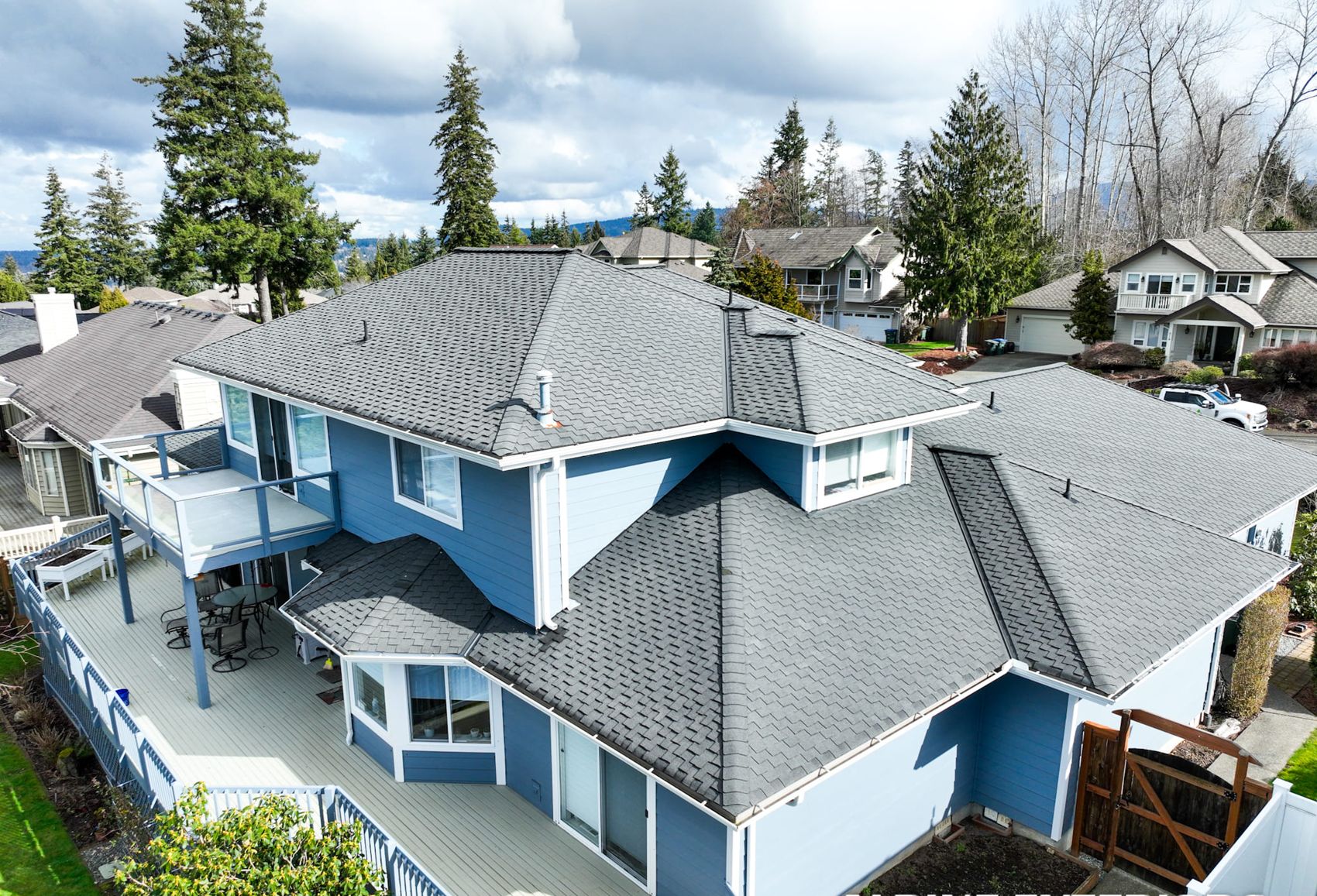
New Port Richey sits close enough to the Gulf of Mexico that homes here deal with a specific combination of stresses most inland siding never sees: hurricane-force wind loads and wind-driven rain during the June-through-November storm season, near-constant humidity that pushes moisture into every gap and seam, intense year-round UV exposure that breaks down surface materials faster than in milder climates, subterranean termite pressure that's active almost every month of the year, and enough salt-laden air drifting in from the coast to accelerate corrosion on fasteners, flashing, and other exposed hardware. None of these show up as one dramatic failure — they show up as small, easy-to-miss signs that compound over a few seasons into a real problem.
The Florida Building Code sets wind-load and water-intrusion requirements for exterior wall coverings in this region, and any siding product installed on a Pasco County home should carry a current Florida Product Approval number confirming it was tested and rated for the wind zone here. That code compliance matters at the time of installation, but it doesn't inspect itself — a panel that was properly rated and installed five, ten, or fifteen years ago can still degrade from UV exposure, fastener backout, or a missed flashing detail long before it looks obviously broken from the curb. A regular walk-around inspection, done a couple of times a year and always before hurricane season, is the cheapest insurance a homeowner has against a small fix turning into a wall-opening repair after the next named storm.
Work your way around the house in this order, since problems in one area often explain what you're seeing in another.
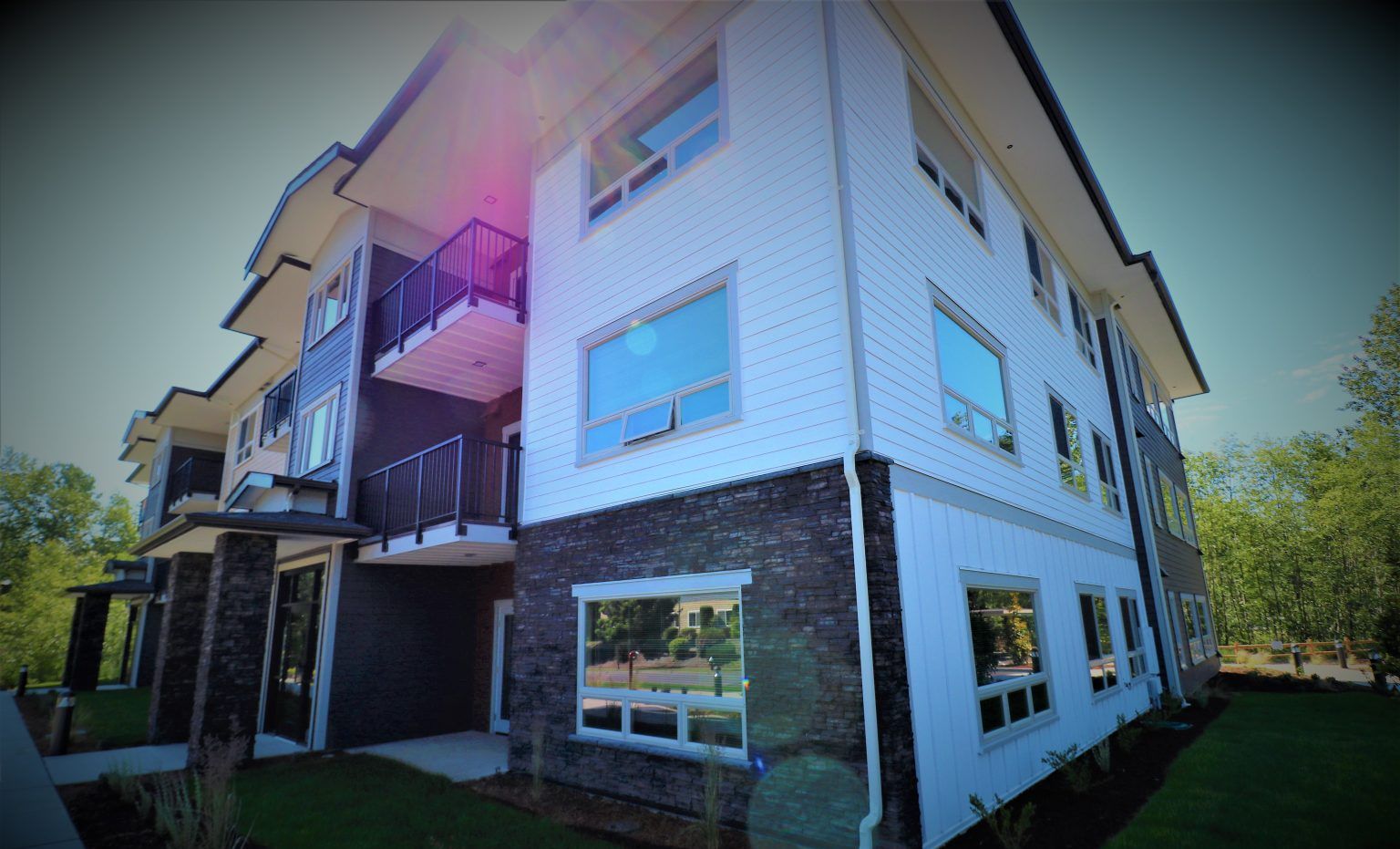
Not everything on this list is an emergency, and treating every finding the same way wastes money. A few loose fasteners or a cracked corner post is a straightforward, targeted repair. Start by taking dated photos of anything you find — this matters both for tracking whether an issue is getting worse over time and for insurance documentation if storm damage is involved later. For isolated fastener or caulk issues, a repair can often be scoped to just the affected panels rather than an entire wall, provided matching material is still available.
Where the finding involves softness, staining, or a musty smell, resist the urge to just caulk over it or paint the trim and call it done. Sealing the surface without addressing what's underneath traps the moisture in rather than out, and by the next humid season the same spot is usually worse. These findings need the siding pulled back far enough to see what's actually happening at the sheathing and framing before any repair is made.
If you find mud tubes, soft wood at the base, or other termite indicators, don't disturb them before a licensed pest control operator has looked at the extent of activity — disturbing mud tubes can just send termites elsewhere in the wall rather than solving the problem. Siding repair and termite treatment are two different scopes of work, and one usually has to happen before the other.
A homeowner can reasonably handle the walk-around inspection itself — most of this checklist just takes a slow lap around the house with a critical eye and maybe a garden hose to test suspect seams. Call in a licensed siding contractor when you find any of the following: soft or spongy panels in more than one spot, since that usually points to a moisture problem that's spread further than it looks; flashing damage at a roof-wall intersection, since that repair typically involves coordinating with roofing details and getting it wrong reopens the same leak path; multiple failed items across different parts of the house, which is often a sign of an installation-level issue rather than isolated wear; or any repair that would require matching current material to Florida Building Code wind-load and product-approval requirements, since a repair that isn't properly rated for the wind zone can create a liability at resale or during a future insurance inspection.
It's also worth calling a professional before hurricane season specifically to review anything borderline. A panel that would otherwise sit fine for another year of everyday weather may not hold up the same way under sustained hurricane wind loads and wind-driven rain, and that's a different risk calculation than routine wear. Alpine Exteriors performs pre-season siding inspections for homeowners across New Port Richey and the rest of Pasco County for exactly this reason — catching a marginal repair before a storm season is a fraction of the cost of dealing with wall damage after one.
A full walk-around inspection twice a year is a reasonable baseline for this area — once in late spring before hurricane season ramps up, and again in fall after the season winds down to check for anything storms may have loosened. Homes closer to the coast or with heavy tree cover nearby may benefit from checking more often, since salt air and constant shade both accelerate different kinds of wear.
Most Florida insurers don't require a standalone siding inspection, but many homeowners in Pasco County complete the OIR-B1-1802 Uniform Mitigation Verification Inspection Form for windstorm discounts, which focuses mainly on roof covering, roof deck attachment, and opening protection rather than siding itself. Even so, documented siding condition is useful to have on file, since insurers increasingly ask for exterior photos during underwriting or renewal, and a wall showing signs of neglect can affect that review.
It depends on how isolated the damage is and whether matching material is available. Localized fastener, seam, or impact damage limited to a handful of panels is usually repairable in place. Widespread fading, chalking, or moisture damage across a whole elevation is a sign the material has reached the end of its service life in that area, and patching individual panels at that point tends to look mismatched and doesn't address the underlying cause.
Siding installed under an earlier code cycle isn't automatically out of compliance just because the code has since been updated — it was legal when installed. The issue comes up when a repair or partial replacement is done: any new material being added should carry a current Florida Product Approval rated for this wind zone, and mixing old, unrated patch material into a code-compliant wall can undermine the whole assembly's performance in a storm.
If this checklist turned up more than one or two items, or you're just not confident interpreting what you're seeing on a ladder, it's worth having a second set of eyes look at it before the next storm rolls through. Alpine Exteriors, FL license RB29003900, inspects and repairs siding for homeowners throughout Tampa, Wesley Chapel, Lutz, Land O' Lakes, New Port Richey, Plant City, and Zephyrhills, and can walk your specific home through this same checklist in person, flag anything that needs attention, and give you a straightforward assessment of whether you're looking at a repair or a replacement. Reach out to schedule an inspection before hurricane season catches a small issue off guard.