
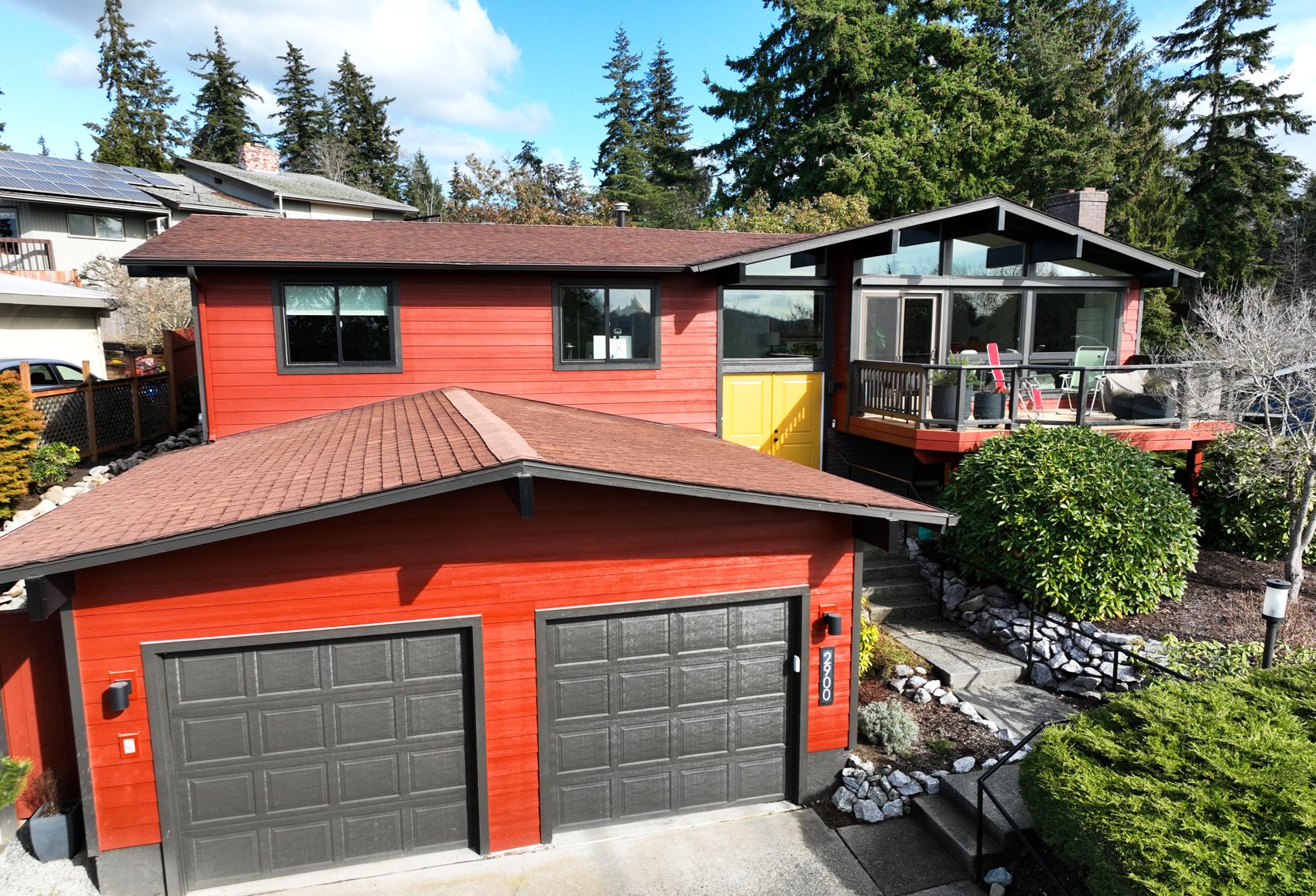
In unincorporated Pasco County — which covers Richland and most of the surrounding area, along with Land O' Lakes, Wesley Chapel, and Zephyrhills' outlying neighborhoods — siding permits are issued by Pasco County Building Construction Services. If the property sits inside an incorporated city limit, such as New Port Richey or Zephyrhills proper, the city's own building department handles it instead of the county. The short version: most full siding replacements in this area require a permit before work starts, not after.
Siding isn't just cosmetic in Florida — it's part of the structure's weather envelope, and the Florida Building Code (FBC) treats it that way. Anytime a project replaces siding on a significant portion of a home, repairs storm damage to the exterior cladding, or involves removing and reinstalling sheathing or house wrap underneath, it crosses the line from "maintenance" into "permitted work." A common rule of thumb local building departments apply is that once repair or replacement work reaches roughly a quarter of the exterior wall area, it's treated as a substantial improvement and the whole scope needs a permit and inspection, not just the damaged section.
The permit application itself is where the code requirements actually get enforced. Pasco County's building department will want to see the manufacturer's Florida Product Approval number (an FL# from the state's product approval system) for whatever siding product is going up, along with the manufacturer's installation instructions that match the wind speed and exposure category for the site. That paperwork exists because siding has to be rated to resist the wind loads calculated for this part of the Gulf Coast, and the county isn't going to sign off on a product that hasn't been tested and approved for use in Florida. A licensed contractor pulling the permit — Alpine Exteriors holds Florida contractor license RB29003900 — handles this documentation as a normal part of the job, which is one of the practical reasons homeowners hire a licensed crew instead of doing a full re-side themselves.
Small, cosmetic patch repairs — replacing a handful of cracked or faded panels that match the existing product, with no change to the sheathing or wrap underneath — sometimes fall under a minor-repair threshold that doesn't require a separate permit. But "sometimes" is doing a lot of work in that sentence, and the threshold is set by the local building official, not by the homeowner or contractor. When in doubt, the safe assumption is that a permit is required, and it's worth a phone call to the building department (or asking your contractor to confirm) before assuming a repair is exempt.
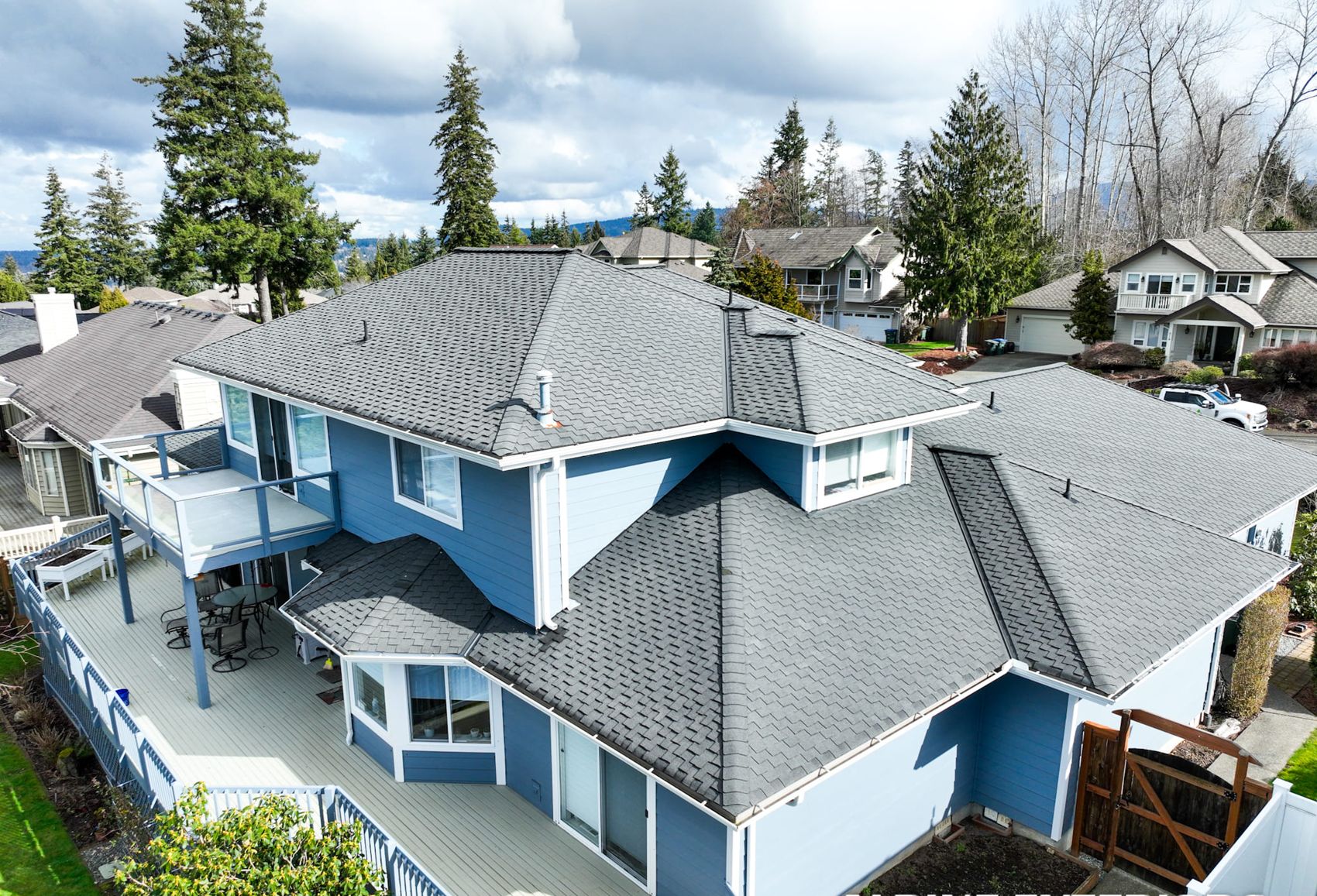
Pasco County sits well within Florida's wind-borne debris region, and the wind loads used for siding product approval here are meaningfully higher than what's required in much of the country outside hurricane-prone coastal states. That's the main reason the FBC leans so heavily on product approval documentation for siding: a panel or product that's fine in a low-wind-load state can fail — and come off the house — in a tropical storm or hurricane here if it wasn't rated and installed to the correct fastening schedule for this wind zone. Inspectors are specifically looking for the right nailing or fastening pattern, not just "did the siding go up."
Humidity is the other factor that shapes how siding gets installed and inspected in this area. Florida's building code requires attention to how water gets shed away from the wall assembly — flashing at windows, doors, and penetrations, proper lapping, and a drainage plane behind the cladding — because trapped moisture behind siding in a climate this humid turns into mold and rot problems fast, and termites are an added risk to any wood trim or sheathing that stays damp. An inspector checking siding here isn't just confirming the exterior looks finished; they're checking that water has somewhere to go if it gets behind the panels, which it eventually will during a heavy summer storm.
Two more conditions factor into siding decisions in this part of Pasco County, even if they don't change the permit process itself. Intense, near-constant UV exposure through the spring and summer months breaks down poorly rated siding finishes faster here than in cooler climates, which is why the product approval documentation the building department reviews typically ties back to a specific finish warranty as well as a wind rating. And for homes closer to the Gulf side of the county, salt-laden air can accelerate corrosion on fasteners and trim, so it's worth confirming that any exposed hardware specified in the installation instructions is rated for coastal exposure, not just standard interior-grade hardware.
None of this means every Pasco County project is complicated. It means the permit and inspection process exists specifically to catch the failure modes that matter most in this climate: wind uplift, moisture intrusion, and material breakdown from sun and salt. A well-documented permit application with the correct product approval and installation instructions moves through review without drama. A shortcut application — wrong product approval, no wind rating documentation, mismatched fastening schedule — is what gets flagged, delayed, or fails inspection outright.
Before any siding work begins, confirm whether the property is in unincorporated Pasco County or inside a city limit, since that determines which building department the permit goes through. Then have the contractor pull the permit in their name as the licensed contractor of record — this isn't optional paperwork, it's what puts a licensed, insured party legally responsible for the installation meeting code. Ask to see the Florida Product Approval documentation for the specific siding product being installed, and don't accept a verbal assurance that "it's rated for hurricanes" without the FL# to back it up.
Expect at least one, and often two, inspections during the job: a sheathing or in-progress inspection if the wrap and sheathing are exposed during the work, and a final inspection once the siding is complete. Plan around these — don't let a contractor close up the wall before a required inspection has happened, because that can mean opening it back up later if the building department wants to verify what's underneath.
It's also worth checking whether a full re-side affects your homeowner's insurance. Replacing siding, especially alongside roof or opening protection work, can be a good time to have a new wind mitigation inspection done and update the Uniform Mitigation Verification Inspection Form (OIR-B1-1802) with your insurer — it won't happen automatically, and it's a separate process from the building permit, but it can affect premiums. Finally, keep copies of the permit, the final inspection approval, and the product approval documentation with your home records; they matter for resale, for insurance claims after a storm, and for warranty coverage on the siding itself.
One honest caveat: permitted work takes longer than an unpermitted patch job, both in scheduling (inspections have to be arranged around the county's or city's calendar) and in cost, since the permit fee and the paperwork are part of the project. That's a real tradeoff, but it's the tradeoff that gets a homeowner a legal, insurable, code-compliant exterior instead of one that creates problems at resale or after the next hurricane season.
It depends on how much of the wall area is affected and whether the repair matches the existing product without altering the sheathing or wrap underneath. Small, like-for-like patch repairs sometimes fall under a minor-repair exemption, but once the work approaches a substantial portion of that wall or any exterior wall, most Pasco County and municipal building departments will require a permit. Confirm with the building department or your contractor before starting rather than assuming a single-wall job is automatically exempt.
Timelines vary with the building department's current workload and how complete the application is on first submission. A well-documented application — correct Florida Product Approval numbers, matching installation instructions, accurate wind load information — moves through review faster than one missing that paperwork. Inspections themselves are usually scheduled within a matter of days once requested, but plan for the overall permit-to-final-inspection timeline to add real time to the project compared to unpermitted work.
Unpermitted work that should have been permitted can create problems well after the fact: it can complicate a home sale if the buyer's inspector or the county flags unpermitted exterior work, it can give an insurer grounds to deny a storm-damage claim tied to that section of the house, and the county can require the work to be opened up and re-inspected retroactively. It's a bigger headache to resolve after the fact than to permit correctly from the start.
The permitting process itself is similar across materials, but the product approval documentation is specific to the exact product and manufacturer — a fiber cement product, a vinyl product, and a composite product each carry their own Florida Product Approval number and their own manufacturer installation instructions rated for the local wind speed. The building department will want the documentation that matches what's actually being installed, so switching products mid-project means switching that paperwork too.
Pasco County's permit and inspection process exists to make sure siding actually holds up to Gulf Coast wind and rain, not to slow a project down for its own sake. Alpine Exteriors handles the product approval documentation, the permit application, and the inspection scheduling as part of every siding job in Richland and the rest of the Tampa Bay area, so homeowners aren't left guessing which paperwork applies to their property. If you're planning a re-side, a storm-damage repair, or you just want a straight answer about whether your project needs a permit, contact Alpine Exteriors for a consultation and we'll walk through what your specific property and scope actually require.