
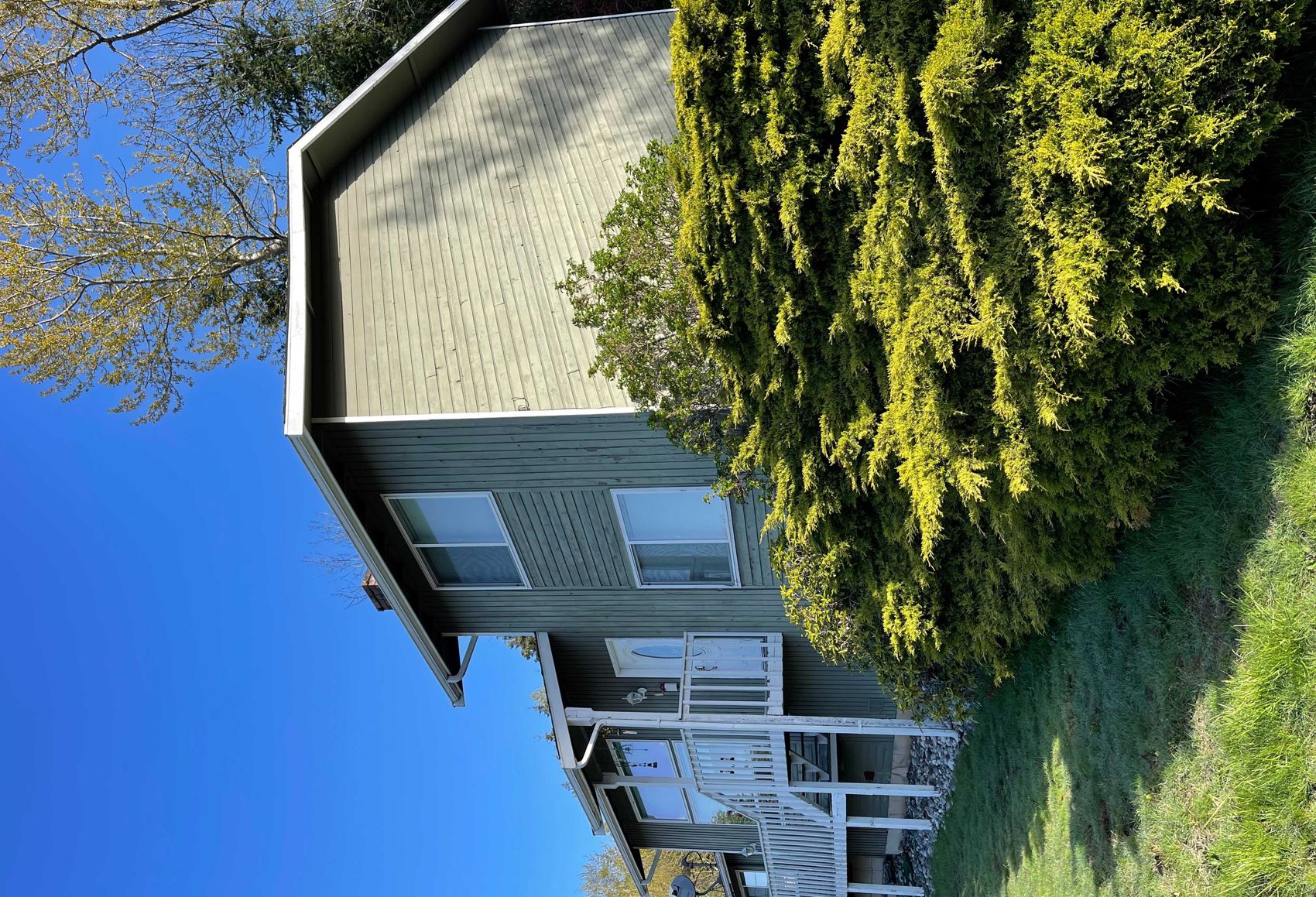
In Richland and the surrounding Pasco County communities, siding damage after a storm usually shows up as lifted or missing panels along roof edges and corners, cracked or bowed sections from wind-driven rain intrusion, and soft or discolored areas where moisture worked in behind the cladding over time. If you've just been through a tropical system or even a strong seasonal thunderstorm line, the right first move is a slow walk around the exterior looking for gaps, not just obvious holes.
Most storm-related siding problems in this part of Pasco County aren't dramatic. A single blown-off panel is easy to spot. What's harder to catch is water that entered through a lifted seam during a windstorm and has been sitting behind the siding for weeks before a stain, a soft spot, or a musty smell in an interior wall gives it away.
Wind is the primary actor in most Pasco County siding failures. Florida's building code requires exterior products to carry a Florida Product Approval rating that specifies the wind pressure and impact resistance the material was tested to handle, and installers are expected to follow the fastening schedule tied to that approval — nail spacing, fastener type, and starter strip attachment all matter more here than in calmer climates. When a panel fails in a storm, it's frequently not because the material itself was defective, but because the original installation didn't hit the fastening pattern the product approval calls for, or because trim and J-channel weren't sealed the way wind-driven rain requires.
Wind-driven rain is a separate problem from wind pressure. Even siding that stays physically attached during a storm can still let water past it if the laps, seams, and flashing details weren't built to shed water moving sideways and upward, which is exactly what happens when gusts push rain into a wall assembly instead of letting it fall straight down. That's why a homeowner can come through a storm with siding that looks intact from the street and still end up with a soaked wall cavity.
Once water gets behind siding in this climate, it doesn't dry out the way it might in a drier region. Pasco County's humidity keeps moisture trapped in wall cavities for longer stretches, which is the condition mold needs to establish itself. A leak that would be a minor nuisance somewhere with low humidity can become a mold remediation job here if it isn't caught within a reasonably short window after the storm.
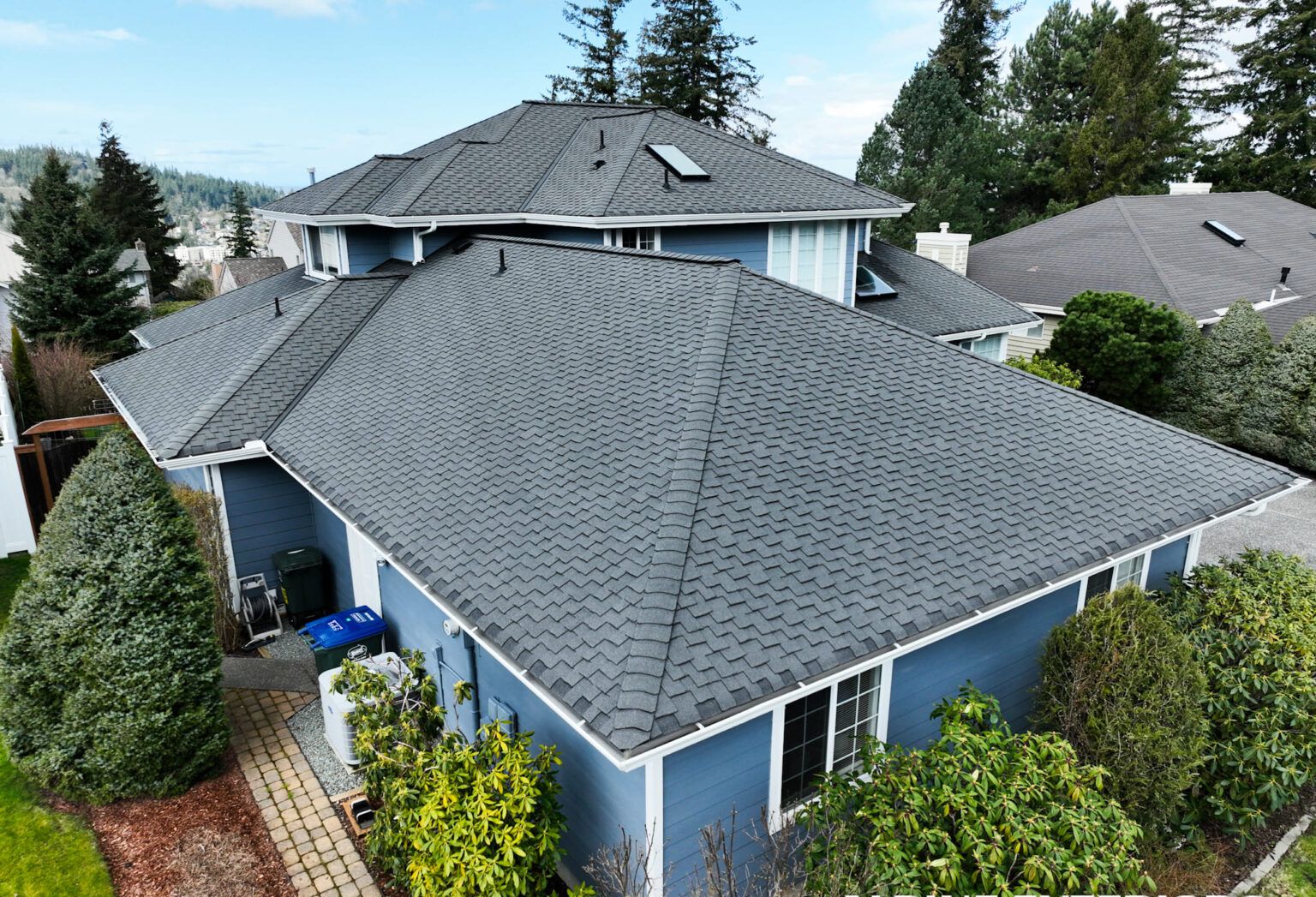
Richland sits inland enough from the Gulf to avoid the heaviest salt-air corrosion that coastal Pinellas homes deal with, but it's still squarely inside Florida's hurricane wind zone, and that shapes what siding has to survive here. Products installed on homes in this part of Pasco County need to meet Florida Building Code wind load requirements, and insurers increasingly want to see that the exterior envelope, including siding, was installed to match the wind mitigation features documented on the home's OIR-B1-1802 Uniform Mitigation Verification Inspection form. That form is what most Florida property insurers use to rate a home's storm risk and set premiums, and siding condition can factor into how an adjuster or inspector reads the rest of the envelope.
Intense, sustained UV exposure is a year-round factor here in a way it isn't in much of the country. Florida sun breaks down the surface of vinyl and fiber cement siding faster than milder climates do, which means color fade, chalking, and brittleness show up earlier in a panel's life. Siding that's already UV-stressed going into a storm is more likely to crack or shatter under wind pressure than siding that's still within its expected service life, so storm damage and sun damage often compound each other rather than acting as separate problems.
Termites are a genuine consideration in Pasco County's climate, particularly for homes with wood-based trim, fascia, or older wood siding hiding behind newer cladding. A storm that cracks siding and exposes wood substrate underneath creates an entry point, and subterranean termites in this part of Florida don't need much encouragement to find it. This is one of the reasons a post-storm inspection should include a look at what's behind the siding, not just the surface panels themselves.
None of this means Richland faces the extreme wind-borne debris requirements that apply in Florida's officially designated High-Velocity Hurricane Zones along the southeast coast — Pasco County isn't in that zone, so the code requirements here are the standard statewide wind provisions rather than the stricter HVHZ rules. But standard statewide provisions are still substantial, and they're the baseline any legitimate siding installer in this area should be working to.
After a storm passes, a methodical exterior check is worth more than a quick glance from the driveway. Start at the corners and roofline, since that's where wind pressure concentrates and where panels are most likely to lift first.
On the insurance side, most Florida homeowner policies treat siding as part of the dwelling coverage, but how a claim gets handled depends heavily on documentation. An adjuster is going to want to see clear photos, a description of when the damage occurred relative to a named storm or specific weather event, and ideally a contractor's written assessment of what failed and why. If your home has a current OIR-B1-1802 wind mitigation form on file, it's worth having that available too, since it documents what wind mitigation features were verified on the home and can be relevant to how the claim is evaluated.
It's also worth being honest about a drawback here: not every case of cracked or faded siding after a storm is going to be a covered claim. Insurers distinguish between sudden storm damage and gradual deterioration from UV exposure or age, and siding that was already brittle from years of Florida sun may get classified as wear rather than storm loss, even if a storm was the final trigger. A qualified contractor's inspection report that separates pre-existing wear from storm-caused damage tends to carry more weight with adjusters than a homeowner's own description, and it's a more honest starting point than assuming everything will be covered.
Alpine Exteriors works throughout Tampa, Wesley Chapel, Lutz, Land O' Lakes, New Port Richey, Plant City, and Zephyrhills, and inspections in Richland and the rest of Pasco County follow the same approach: check the fastening pattern against what the product approval requires, look behind panels where water intrusion is suspected, and give a straight answer about what's storm damage versus what's ordinary Florida wear. Alpine Exteriors holds Florida contractor license RB29003900, and any repair or replacement work is done to current Florida Building Code wind requirements rather than just matching what was there before.
Within a few days if possible, and sooner if you notice any interior staining or a musty smell. Given how much humidity Pasco County holds, water that gets behind siding during a storm can start supporting mold growth faster than it would in a drier climate, so the gap between the storm and the inspection matters more here than it might elsewhere.
It depends on the policy and on whether the damage is clearly tied to the storm event rather than pre-existing wear. Sudden damage like a panel torn off by wind is more straightforward to claim than gradual issues like UV-related cracking that a storm happened to worsen, so documentation showing the damage occurred during the storm makes a real difference.
Yes, and it's one of the more common situations after a windy storm in this region. Wind-driven rain can push water past seams and trim that never actually detached, so the panels stay in place while moisture works into the wall cavity behind them, which is why an interior check matters as much as the exterior walk-around.
Yes. Richland and the rest of inland Pasco County are still within Florida's hurricane wind zone under the Florida Building Code, so siding installed here needs a Florida Product Approval rating appropriate to the area's wind pressure requirements, even without the added salt-air exposure that coastal properties deal with.
If a recent storm left you unsure whether your siding took real damage or just cosmetic wear, an on-site look is the only way to know for sure. Alpine Exteriors serves Richland and the wider Pasco County area, including Tampa, Wesley Chapel, Lutz, Land O' Lakes, New Port Richey, Plant City, and Zephyrhills, and can walk your property, document what's actually going on behind the panels, and give you a straight assessment to bring to your insurer. Reach out to schedule a storm damage inspection before minor water intrusion has time to turn into a larger repair.