
Replacing siding on a Plant City home is a bigger undertaking than most homeowners expect the first time they go through it. It isn't just a materials swap — it's a project that touches your home's permit history, its weather-resistive barrier, and in many cases its wind rating documentation with Hillsborough County. Knowing the sequence in advance, from the first measurement to the final walkthrough, makes the whole process less stressful and helps you spot problems (or good work) as they happen. This guide walks through what actually happens on a typical Plant City siding job, stage by stage, with the regional factors — hurricane wind load, humidity, UV, and termites — that shape decisions here differently than they would in a drier or calmer climate.
Most full siding replacements in Plant City run somewhere between six and twelve weeks from signed contract to finished project, but almost none of that time is spent with crews actually on your walls. The installation labor itself — tear-off, sheathing repair, house wrap, new siding, trim, and paint — typically takes three to ten working days for an average single-family home, depending on square footage, the number of stories, and how much trim detail is involved. The rest of the timeline is consumed by permit review at the county or city building department and by manufacturer lead time on the wind-rated products this area requires. Fiber cement and engineered wood siding carrying current Florida Product Approval listings are often built to order, and lead times stretch further in the months after an active storm season when demand for exterior materials spikes across the state.
Homes inside Plant City's older core near downtown sometimes take a little longer up front because of lead-based paint testing requirements on pre-1978 structures, while newer construction in subdivisions off SR 39, Trapnell Road, or closer to the I-4 corridor tends to move through permitting faster since the wall assemblies and prior permit records are more straightforward. Alpine Exteriors builds these regional realities into the schedule we give homeowners up front rather than quoting an optimistic best case that only holds if nothing needs a second look.
Siding replacement in unincorporated Hillsborough County, or inside Plant City limits, requires a building permit reviewed against the Florida Building Code. This isn't paperwork for its own sake — the code sets the wind load and fastening requirements a wall assembly has to meet in a wind-borne debris region like ours, and the products used have to carry a valid Florida Product Approval number showing they're rated for the design pressures this part of Hillsborough County falls under. A licensed contractor pulling the permit under their own number, rather than leaving it to a homeowner or an unlicensed crew, is what ties that code compliance to someone accountable. Alpine Exteriors holds Florida contractor license RB29003900 and pulls permits directly for the siding work we perform.
If your property sits in one of Plant City's platted subdivisions with an active homeowners association, check your covenants before ordering material. Many HOAs in this area require submittal of color and material samples — and sometimes a formal architectural review approval — before any exterior change, siding included. Getting that sign-off early avoids the frustrating scenario where material has already arrived and the HOA wants a different shade or profile. Build HOA review into your timeline the same way you'd build in permit review; both can run in parallel with material ordering if you start early enough.
Material lead time is the piece most homeowners underestimate. Hurricane-rated fiber cement and vinyl products with the necessary product approval documentation are frequently special-order items, not warehouse stock, and manufacturers prioritize regional demand after storm seasons. It's common for lead times to run anywhere from three to eight weeks depending on the specific profile, color, and trim package selected. Locking in your material choice early, and understanding that a custom color or a less common profile adds time, keeps the rest of the schedule from sliding.
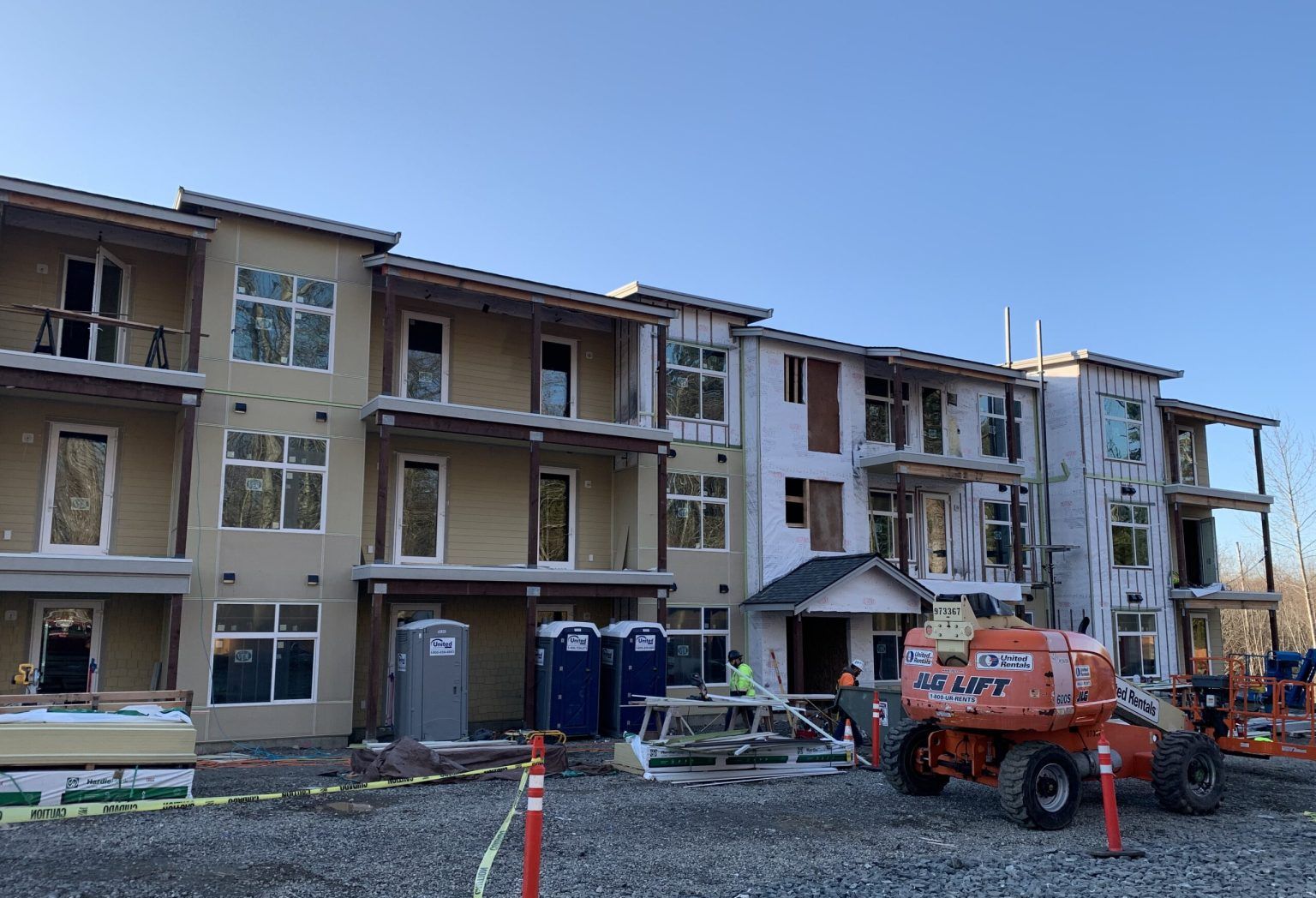
Once permits are approved and material has arrived, the physical work follows a fairly consistent sequence:
A little preparation on your end keeps the project moving and protects your property. Clear the perimeter of the house of patio furniture, planters, grills, and anything leaning against exterior walls. Move vehicles out of the driveway near work zones, and trim back shrubs or landscaping close to the siding so crews have clear access — this also reduces the chance of foliage trapping moisture against new material once it's up. Take down anything mounted to the exterior walls that isn't part of the contract, like string lights, hose reels, or decorative hardware. If you have pets, plan for extra noise and open gates during work hours, and let close neighbors know when tear-off is scheduled since that's the loudest and dustiest phase. Expect intermittent access to exterior hose bibs and outlets while sections of wall are open, and don't schedule pressure washing, exterior painting of other elements, or landscaping installation for the same window — dust and debris from tear-off will undo that work.
Once installation is complete, the county or city building inspector reviews the work against the approved permit before it can be closed out — this typically checks fastening pattern, flashing details, and overall code compliance rather than cosmetic finish. After that sign-off, the crew does a magnetic sweep of the ground and driveway for stray nails and screws, removes tarps and ground protection, and hauls away the dumpster or debris trailer. A final walkthrough with the homeowner should cover every elevation of the house, checking caulk lines, corner trim, paint or finish consistency, and any areas around windows and doors where flashing work was done. Any punch-list items get documented and scheduled for correction before the job is considered closed. This is the point to ask questions about anything that looks different than you expected — it's much easier to address before the crew demobilizes than after.
New siding in this climate benefits from a bit of ongoing attention. Humidity and shade combine to encourage mildew and algae growth on exterior surfaces over time, so an annual rinse with a garden hose or light pressure wash on the low setting keeps most siding looking clean without damaging the finish or forcing water behind seams. Check caulking at trim joints and penetrations once a year, since intense Florida UV exposure will eventually dry out and crack sealant faster than it would in a milder climate — catching that early prevents water intrusion down the road. Before hurricane season each year, a quick visual check for loose panels, damaged trim, or gaps at flashing points is worth the ten minutes it takes.
Your project should come with two separate warranties: the manufacturer's material warranty covering the siding product itself, and a workmanship warranty from the installing contractor covering labor and installation defects. Read both before work begins so you know what's covered, for how long, and what voids coverage — improper cleaning methods or unauthorized modifications can sometimes affect manufacturer coverage. Alpine Exteriors reviews both warranty documents with homeowners at project completion so there are no surprises later.
For most single-family homes in Plant City, the on-site work runs three to ten working days depending on the size of the house, the number of stories, and how much trim and detail work is involved, though weather delays during Florida's wetter months can add a few days to that window.
Yes. Siding replacement requires a building permit reviewed against the Florida Building Code, and the materials used need current Florida Product Approval documentation showing they meet the wind load requirements for this area — a licensed contractor pulling the permit is what ties that compliance to someone accountable if questions come up later.
There's no single best answer for every home — fiber cement, certain engineered wood products, and vinyl all have hurricane-rated, product-approved options, and each comes with different trade-offs in cost, maintenance, and appearance. The right choice depends on your home's wall assembly, budget, and how much upkeep you're willing to do, which is worth discussing directly rather than assuming one material is universally superior.
If your property is in a subdivision with an active homeowners association, check your covenants — many require submittal of color and material samples for architectural review before work begins, and getting that approval early avoids delays after material has already been ordered.
If you're weighing a siding replacement on a Plant City home, Alpine Exteriors can walk your property, explain what the sheathing and existing wall assembly look like once old siding comes off, and lay out a realistic permit and material timeline before you commit to anything. Reach out to schedule an on-site assessment and get a straightforward look at what your specific home will need.