
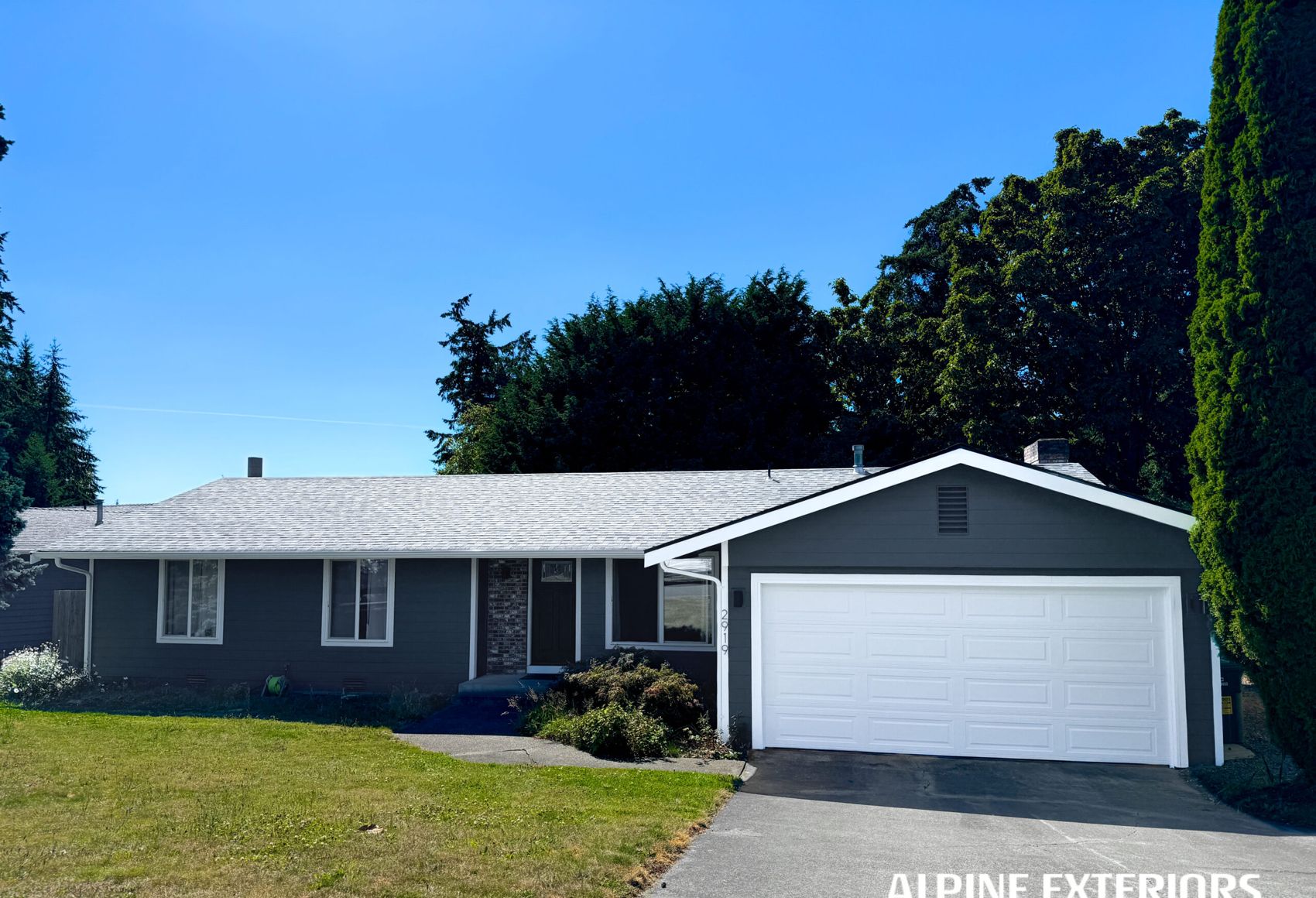
Shady Hills sits in unincorporated Pasco County, a mix of ranch-style homes, newer stucco-and-frame construction, and older manufactured and site-built houses spread across larger, tree-shaded lots. Because many of these homes were built before current wind-load standards, or have siding that has spent two or three decades absorbing central Florida's UV exposure and humidity, replacement is rarely a cosmetic-only decision. It is also a chance to correct water management details that were never quite right to begin with.
A straightforward single-story home in Shady Hills, once material is on site and the crew is on the roof, typically takes somewhere in the range of one to two weeks of active work, weather permitting. Larger two-story homes, homes with a lot of trim and architectural detail, or jobs that uncover rotted sheathing once the old siding comes off can run two to four weeks. That said, the calendar time from signed contract to finished project is almost always longer than the on-site work itself, because permitting, HOA review where it applies, and manufacturer lead times all happen before a single panel is removed. Homeowners who plan for a total project window of four to ten weeks, rather than judging progress against the few days a crew is visibly on the property, tend to have a much less stressful experience.
Summer in Pasco County brings near-daily afternoon thunderstorms, so crews generally plan tear-off in sections that can be dried in and covered before a storm rolls through, rather than stripping an entire elevation at once. This is a deliberate pace decision, not a delay, and it matters more here than in drier climates.
Siding replacement in unincorporated Pasco County requires a building permit, and the work must meet the wind-resistance and water-intrusion provisions of the Florida Building Code. Because Shady Hills falls within the hurricane-prone wind zones mapped for this part of the state, the siding, house wrap, and fastening schedule used have to carry a valid Florida Product Approval (FL#) rated for the wind speed and exposure category at your address. This isn't paperwork for its own sake — it's what keeps siding attached to the house in a tropical storm or hurricane rather than becoming debris in the yard next door. Alpine Exteriors pulls the permit, submits the product approval documentation, and schedules the required inspections as part of the contract; homeowners generally do not need to visit the county office themselves.
If your property has an insurance wind mitigation inspection on file (the OIR-B1-1802 form), it's worth pulling out before the project starts. A siding and water-barrier upgrade sometimes affects the roof-to-wall and opening-protection sections of that form, and an updated inspection after the work is done can occasionally improve a homeowner's wind mitigation credit. This isn't guaranteed and depends on your carrier, but it costs little to check.
Some Shady Hills streets have voluntary HOA or deed-restriction covenants governing exterior color and material changes, even where the county itself doesn't. If your property is covered by one, get color and product approval from the association in writing before ordering material — a rejected color choice after siding has already shipped is an expensive and avoidable delay.
Material lead times are the other variable outside anyone's direct control. Fiber cement lap siding and trim are often available within a few weeks, but specialty profiles, certain vinyl colors, and matching accessories can run six to eight weeks or more, especially during the spring and early summer months when demand across the Tampa Bay region peaks ahead of hurricane season. Ordering early, and building in a buffer for a reorder if a batch arrives damaged, protects your timeline more than almost any other single decision.
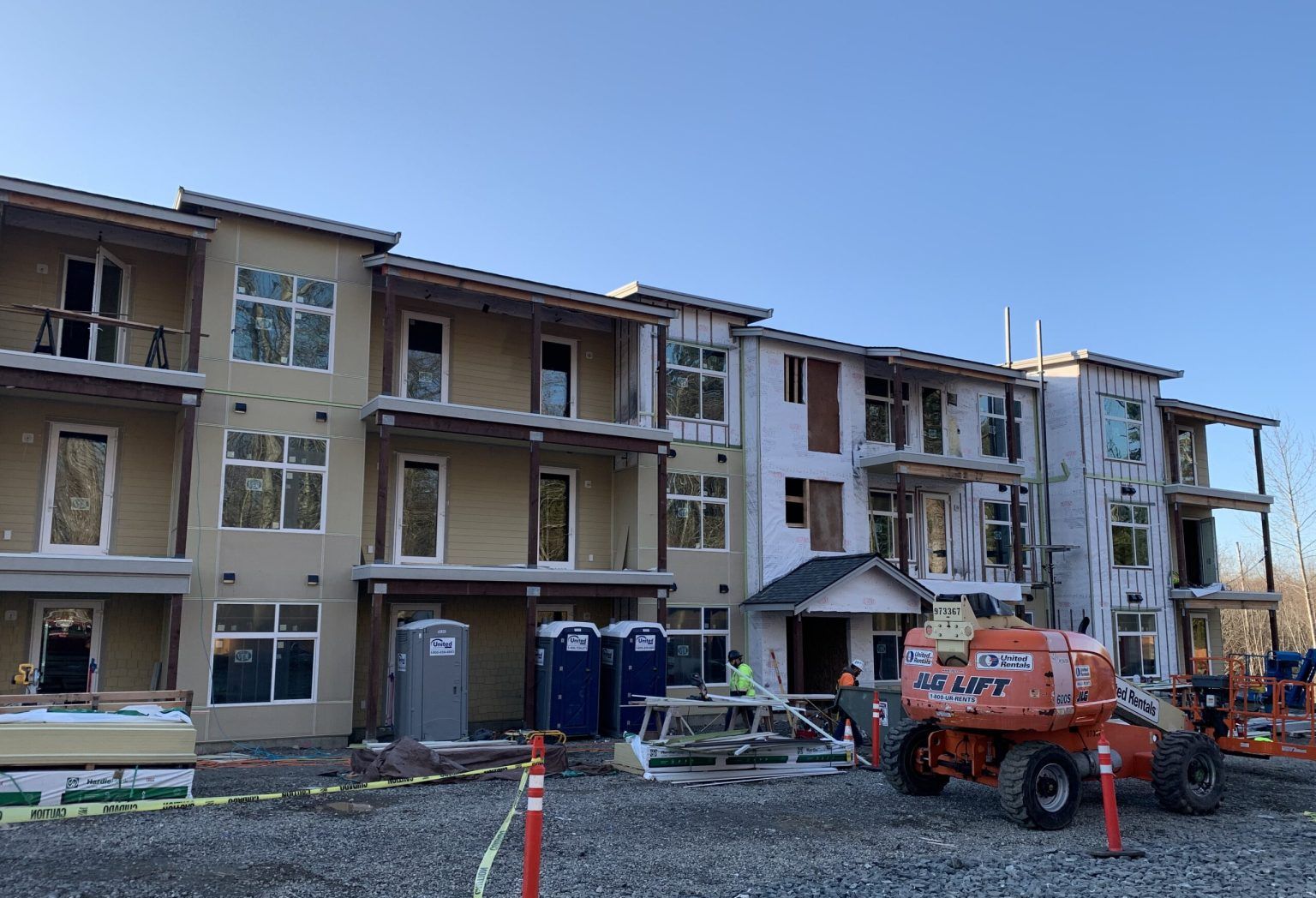
Every property is a little different, but a siding replacement in this area generally follows the same sequence:
A little preparation on your end keeps the project moving and protects your belongings. Move vehicles out of the driveway on tear-off and delivery days, and expect the crew to need clear access all the way around the house, including gated side yards and pool enclosures. Take down or reposition anything hanging on exterior walls — house numbers, mailboxes mounted to trim, string lights, security cameras — since these areas will be under active work.
Inside the house, pictures and mirrors hung on exterior walls can shift slightly from the vibration of nail guns and pry bars; taking them down or at least loosening them ahead of time avoids surprises. If you have pets, plan for extra noise and open gates during work hours, and if you work from home, expect the loudest days to be tear-off and the initial fastening of new panels.
Because Pasco County's humidity and thunderstorm pattern can turn exposed sheathing into a mold risk within days if it's left uncovered, ask your crew what their rain-day plan looks like before the project starts. A contractor who can describe how open wall sections get dried-in or tarped overnight is one who has actually worked through a Florida summer before.
Once the new siding, water barrier, and flashing are in place, the county building department schedules the required inspections tied to the permit — typically a check of the water-resistive barrier and flashing before it's covered, and a final inspection once the exterior is complete. Alpine Exteriors coordinates these inspection windows directly so the homeowner isn't left waiting around for a county inspector without warning.
Cleanup should include a magnetic sweep of the yard and driveway for stray nails and screws — an easily overlooked step that matters if you have kids, pets, or a pool nearby, since debris can travel further than expected in Florida's frequent gusty wind. Old siding, house wrap, and packaging should be hauled away, not left staged at the curb for weeks.
The final walkthrough is your chance to check reveal lines are straight, seams are tight, caulking is smooth and continuous rather than gapped, and that trim around every window and door is properly sealed. Bring a flashlight and look closely at inside corners and anywhere two different materials meet — these transition points are where problems show up first if flashing wasn't detailed correctly.
New siding in this climate still needs periodic attention. Rinse it down once or twice a year to clear pollen, mildew, and the fine dust that settles during dry spells, and check caulking annually, since intense UV exposure breaks down sealant faster here than in cooler, less sun-intensive regions. Keep an eye on areas near sprinkler heads and dense landscaping, where prolonged moisture contact against the wall can encourage mildew growth even on siding rated to resist it.
Ask for both the manufacturer's product warranty and the contractor's workmanship warranty in writing, and understand what each one actually covers — manufacturer warranties typically address material defects, while workmanship warranties cover installation issues like water intrusion from improperly lapped flashing. Alpine Exteriors, license RB29003900, provides workmanship warranty documentation as part of every completed contract, and it's worth keeping alongside your permit paperwork for as long as you own the home.
One honest drawback worth naming: no siding installation, however well done, makes a home immune to every consequence of a direct hurricane hit or long-term neglect. Proper installation dramatically reduces the risk of wind and water damage in ordinary storms, but it isn't a substitute for other hardening measures like impact-rated openings or a well-maintained roof.
Timelines vary with the county's current review volume, but straightforward residential siding permits often clear within one to three weeks; jobs that involve significant structural repair to sheathing can take longer if revised plans need to be resubmitted. Alpine Exteriors builds this review time into the project schedule rather than promising a fixed number of days.
It can, depending on your carrier and the product approval rating of the new siding and water barrier, but the effect isn't guaranteed and shouldn't be the sole reason to replace siding that is otherwise sound. If you have a current OIR-B1-1802 wind mitigation form, it's worth asking your insurance agent whether an updated inspection after the project is worthwhile for your policy.
This is common enough in Shady Hills' older housing stock that it should be expected as a possibility rather than treated as an emergency. The affected sheathing or framing is documented with photos, discussed with the homeowner, and repaired before new house wrap and siding go on — closing over damaged wood is not an acceptable shortcut in this climate.
Yes, but the pace and sequencing change. Crews tear off and dry in smaller sections at a time, monitor the forecast closely, and keep tarps and temporary wrap on hand so an unexpected afternoon storm doesn't reach exposed sheathing. It's a slower, more deliberate process than working in the drier months, but it protects the home throughout.
If your Shady Hills home has siding that's cracked, faded, or letting moisture in around the trim, it's worth a straightforward, no-pressure look before another hurricane season passes. Alpine Exteriors serves Shady Hills and the surrounding Pasco County communities, and can walk your property, explain what your specific home needs, and lay out a realistic timeline and cost range before any contract is signed. Reach out to schedule an on-site assessment and get a clear picture of what your project would actually involve.