
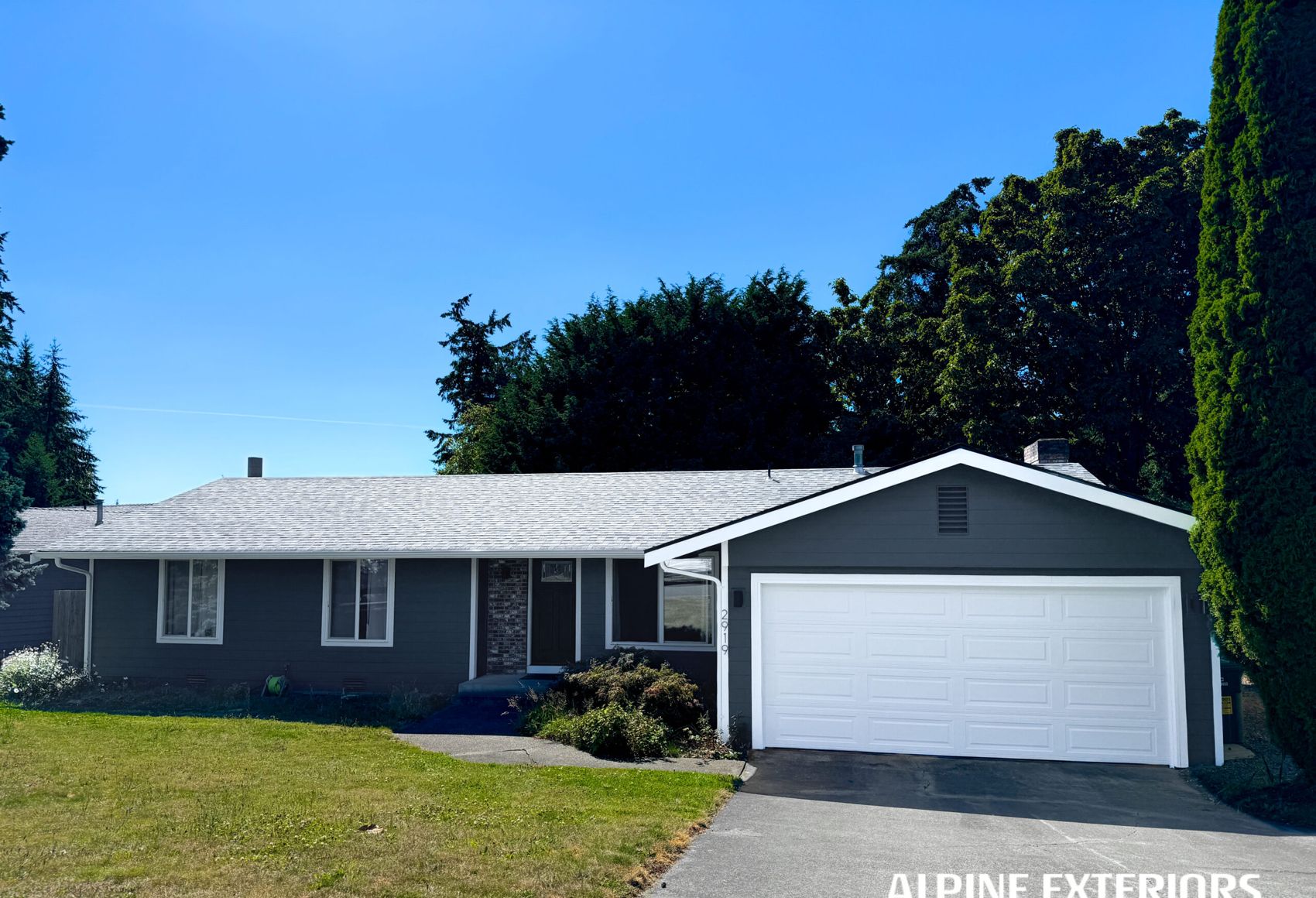
Holiday sits in unincorporated west Pasco County, close enough to the Gulf that salt-laden air, wind-driven rain off passing storms, and long stretches of intense UV all take a toll on exterior materials faster than they would inland. If your siding is chalking, cracking, or letting moisture behind it, a full replacement is a bigger project than a repair, and it helps to know what the process actually looks like before a crew shows up. This guide walks through a typical siding replacement from first call to final walkthrough, written for homeowners in Holiday and the surrounding Tampa Bay communities Alpine Exteriors serves.
Most single-family siding replacements in the Holiday area run somewhere between one and three weeks of active on-site work once materials arrive, depending on the size of the house, the siding material chosen, and how much of the existing wall assembly needs repair underneath. That window does not include the weeks that typically pass before the first hammer swings — permitting, HOA approval where it applies, and ordering materials all happen before installation starts. Homeowners are often surprised that the pre-construction phase takes longer than the install itself. It is common for six to ten weeks to pass between signing a contract and a crew arriving on-site, and prospective clients should plan around that rather than around the shorter installation window alone.
Weather is the other variable that affects timeline here. Pasco County sees a defined wet season from roughly June through September, with frequent afternoon thunderstorms and occasional tropical systems. Reputable contractors build float days into the schedule for rain delays, and a job started in late summer may take a few days longer than the same job scheduled in the drier winter months.
Siding replacement in unincorporated Pasco County requires a building permit, and the work has to comply with the Florida Building Code, including the wind-load and water-intrusion provisions that apply to exterior wall coverings in this region. Pasco is not part of the state's High-Velocity Hurricane Zone (that designation is limited to Miami-Dade and Broward counties), but it still falls under wind speed design maps that require siding, house wrap, and fastening patterns rated for the applicable design wind speed. Any siding product installed has to carry a valid Florida Product Approval or Miami-Dade NOA covering its use in this wind zone, and Alpine Exteriors pulls permits and documents product approvals as a standard part of the contract rather than leaving that step to the homeowner.
If the home is in an HOA-governed community — several subdivisions around Holiday and neighboring Trinity and New Port Richey have architectural review requirements — color and material submittals typically need approval before the permit is finalized. This can add one to three weeks depending on how often the HOA's review committee meets, so it's worth submitting samples as early as possible rather than waiting for the permit to be ready.
Material lead times vary by product. Fiber cement siding often has the longest wait, sometimes four to eight weeks depending on the manufacturer's regional supply and the specific profile and color ordered, since much of it is special-ordered rather than stocked. Vinyl siding is usually faster to source, though certain colors and thicker impact-rated profiles can still take several weeks. Homeowners who want a specific product for a target completion date — before a holiday gathering, before hurricane season peaks, or ahead of a home sale — should factor the ordering lead time into that date from the start.
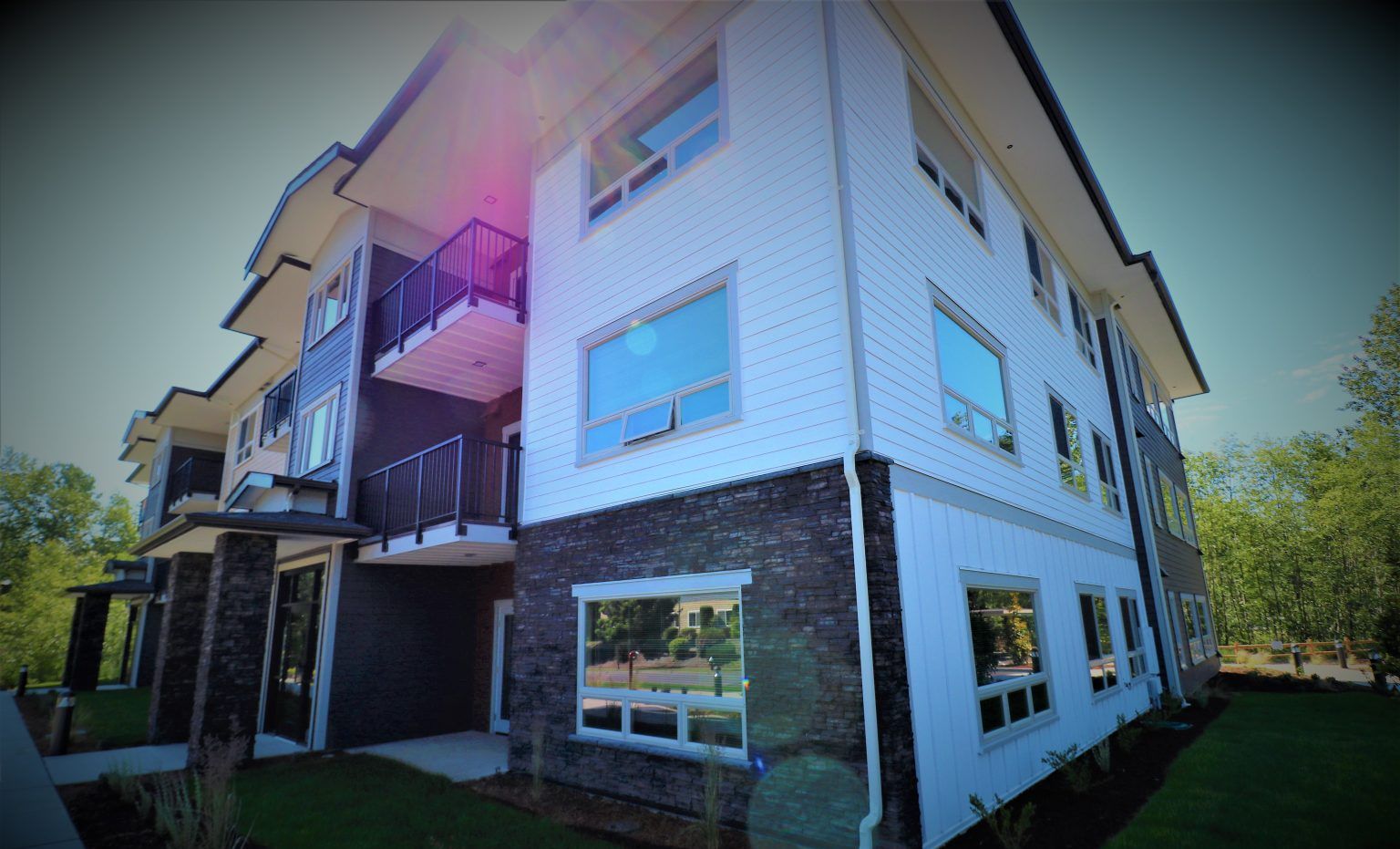
A siding replacement generally moves through the same sequence regardless of the material chosen, though the details shift somewhat between vinyl, fiber cement, and other options.
A few things ahead of the project make the week go more smoothly. Move patio furniture, potted plants, grills, and decorations at least ten feet from the exterior walls being worked on, since crews need clear access and dropped debris is a real possibility during tear-off. Vehicles should be cleared from the driveway on install days, and any exterior-mounted items such as security cameras, house numbers, or hose bibs with attached fixtures should be noted so they can be reinstalled correctly. Irrigation heads near the foundation line are worth flagging too, since foot traffic and material staging can damage them if they're not marked. Pets should have a way to avoid the yard during work hours, and homeowners with young children should plan for noise and equipment on-site during the day. None of this is unusual for exterior construction, but a little preparation avoids delays and avoidable damage to landscaping.
Depending on Pasco County's permit requirements for the specific scope of work, a building inspector may need to review sheathing or flashing before it's covered, and a final inspection typically closes out the permit once siding is complete. Daily cleanup during the project should include collecting nails, cut-offs, and packaging material — a magnetic sweep of the yard for stray fasteners is a reasonable thing to ask for, particularly if there are pets or bare feet in the yard. At the end of the job, a final walkthrough should cover seams, corners, caulk lines, and any areas where trim meets brick, stucco, or roofline, along with confirmation that all reinstalled fixtures are secure and working. This is the time to point out anything that doesn't look right — a reputable contractor addresses punch-list items before considering the job finished, not after final payment.
New siding in this climate benefits from periodic rinsing to clear salt residue and pollen buildup, particularly for homes closer to the coast where airborne salt accelerates fading and corrosion on fasteners and trim over time. Manufacturers typically offer product warranties covering material defects, and installers offer a separate labor warranty covering workmanship; it's worth understanding which is which before signing, since a material warranty from the manufacturer doesn't cover an installation error, and vice versa. Alpine Exteriors reviews both warranty documents with homeowners at project close so there's no confusion later about what's covered if an issue comes up. Homeowners carrying wind mitigation credits on their insurance should also ask whether a new OIR-B1-1802 wind mitigation inspection is worth scheduling after the siding work, since some insurers factor exterior wall covering and opening protection into premium discounts.
For most single-family homes in the Holiday area, active installation runs one to three weeks depending on house size, siding material, and how much sheathing repair is needed underneath the old siding. Rain delays during Florida's wet season can add a few days, and larger homes with more corners, dormers, or trim detail take longer than a simple rectangular footprint.
It depends on the insurer and the product installed. Some carriers offer credits tied to wind mitigation features documented on an OIR-B1-1802 form, but siding alone doesn't automatically lower premiums the way roof-related wind mitigation features often do. It's worth asking your insurance agent directly rather than assuming a discount will apply.
This is common enough in older homes in this region that most contracts anticipate it. Once the sheathing is exposed, damaged sections are identified, photographed, and either covered under an existing repair allowance or addressed through a change order before new siding goes over that section. It's not a reason to worry, but it is a reason to ask upfront how a contractor handles unexpected sheathing repair.
Installation happens year-round, but summer's daily thunderstorm pattern and the risk of tropical systems from June through November can add scheduling delays compared to the drier winter and spring months. Neither season makes the work itself worse — it mainly affects how predictable the timeline is.
If your Holiday home's siding is past the point of patching — cracked, buckling, holding moisture, or just worn out from years of Gulf-side sun and salt air — Alpine Exteriors, Florida license RB29003900, can walk your property, explain what's driving the damage, and lay out a realistic scope and timeline before any contract is signed. Reach out to schedule an on-site evaluation and get a straight answer about what your home actually needs.