

Hudson sits close enough to the Gulf of Mexico that salt-tinged air reaches inland neighborhoods on an onshore breeze, and it sits far enough into Pasco County that you'll find everything from 1970s block-and-frame ranches to manufactured and modular homes to newer stucco-and-frame construction on the same street. That mix matters when you're picking siding, because the right material depends as much on what's already on your walls as it does on the weather. This guide walks through how we weigh the options for Hudson specifically, what we'd put on our own homes here, and what we'd skip.
For most Hudson homeowners, fiber cement lap siding is the material we recommend most often, and thick-gauge (or insulated) vinyl siding is a close second for homeowners prioritizing budget and a faster install. Fiber cement holds up better against the humidity and UV load this area sees year-round, resists termites (a real concern anywhere in Pasco County), and carries Florida Product Approval ratings that satisfy Florida Building Code wind-load requirements for this zone. Vinyl, when it's a heavier gauge product rather than the thinnest builder-grade option, is a legitimate choice too — it won't rot, won't feed termites, and costs less installed. Where the two diverge is long-term rigidity in wind and how they look after fifteen years of Florida sun; we'll get into both below.
We didn't rank these products on looks alone. The criteria that actually matter for a Hudson home, in roughly the order we weigh them:
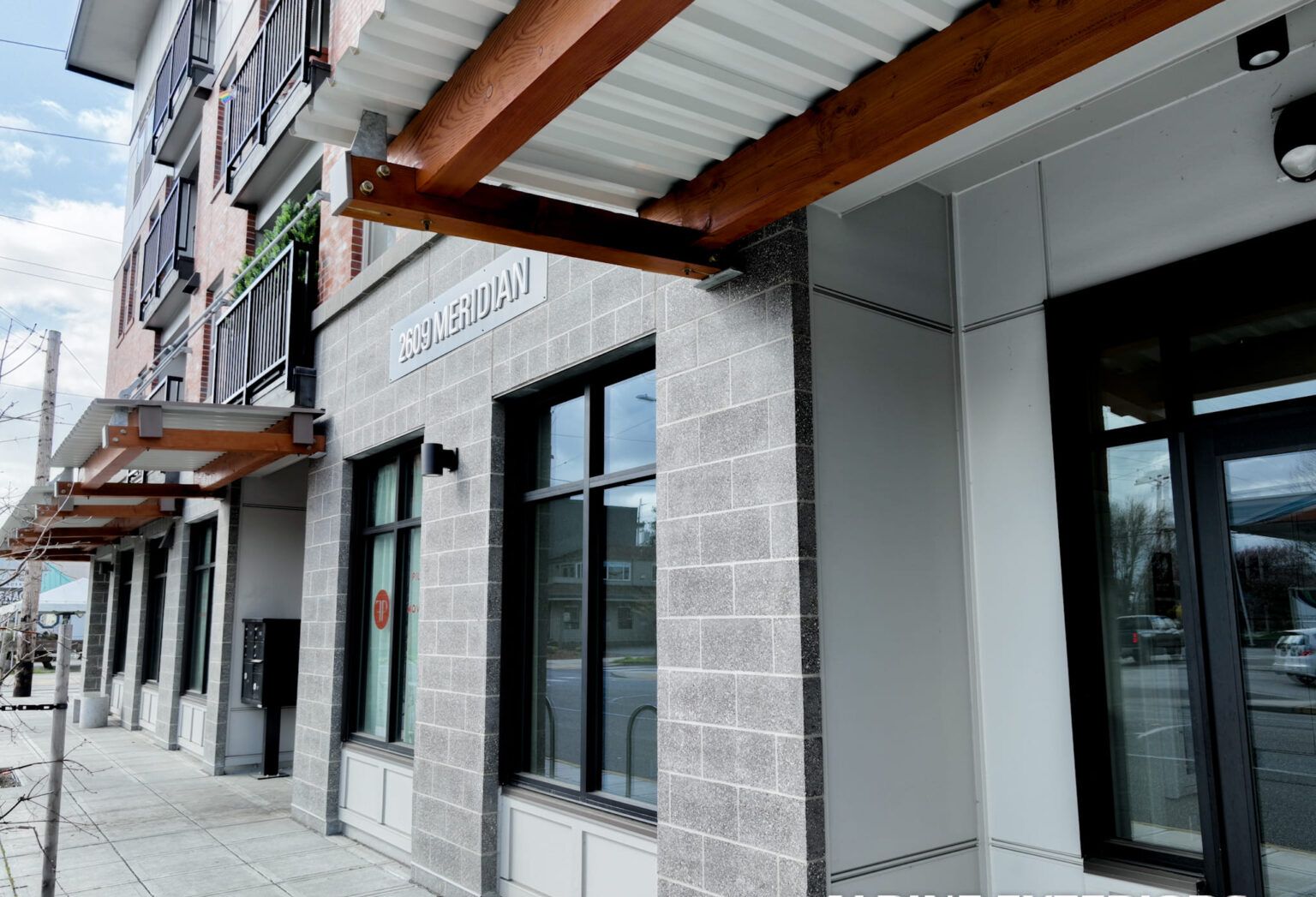
Fiber cement (the category that includes HardiePlank-style lap siding) is cement, sand, and cellulose fiber pressed into planks and cured. It doesn't feed termites, it doesn't rot, and it holds paint and factory finishes far longer under UV exposure than most other claddings. For Hudson's climate, that combination is hard to beat.
Pros: Excellent resistance to humidity-driven rot and mold growth; termites have nothing to eat; factory-applied finishes typically hold color well under years of Florida sun; class-leading fire resistance; widely available with Florida Product Approval ratings suited to this wind zone; holds up to wind-driven rain when installed with proper flashing and house wrap.
Cons: It's heavier and more labor-intensive to install than vinyl, which raises labor cost. It must be painted or comes pre-finished — either way, finish maintenance (recaulking joints, periodic repainting on field-painted jobs) is a real, recurring task, not a one-time expense. It's also more brittle than vinyl during installation and needs correct fastener spacing and edge clearance to perform as rated; a rushed install undercuts the product's real-world durability. Installed cost typically runs higher than vinyl, often by a noticeable margin per square.
Not all vinyl siding is the same product wearing different colors. Builder-grade vinyl, thick-gauge vinyl, and insulated vinyl (foam-backed) perform very differently once they've had a few Florida summers on them. For Hudson, we only spec the heavier gauges or insulated panels — never the thinnest entry-level vinyl, for reasons we cover in the section below.
Pros: Vinyl never rots and termites can't eat it, which removes two of the biggest long-term risks in this climate. It's lighter and faster to install than fiber cement, which usually means lower labor cost. Modern color-locked formulations resist fading better than vinyl did a decade ago. Insulated versions add a small amount of R-value and help panels resist denting and oil-canning in heat. It's also a practical option over manufactured and modular home walls when the product is rated for that use.
Cons: Vinyl is a plastic product, and Florida's UV load will eventually chalk or fade even a good formulation — expect a longer color life than cheap vinyl, but not a permanent one. In sustained high wind it can flex, and thin panels can crack or blow off in storms if fastening and panel gauge weren't matched to the wind-load requirement for this area; this is exactly why we insist on Florida Product Approval documentation for the specific product and don't treat "vinyl" as one interchangeable category. It also can't be painted a different color down the road without specialty paint, and dark colors absorb enough heat here to warp lower-grade panels.
Engineered wood products (strand-based panels with resin binders and a factory overlay) are common in drier, colder climates and occasionally get proposed for Florida jobs because they're less expensive than fiber cement. We're candid with Hudson homeowners about this one: it's not our first recommendation here.
Pros: Lower material cost than fiber cement, lighter weight than fiber cement so it installs faster, and it takes paint and texture well when new.
Cons: Engineered wood is still a wood-fiber product at its core, and sustained humidity is its weak point — moisture intrusion at cut edges, fastener holes, or failed caulk joints can lead to swelling and delamination faster than it would in a drier climate. It needs meticulous edge-sealing and caulk maintenance to hold up here, and any homeowner considering it should ask directly about the manufacturer's warranty language for high-humidity coastal counties before buying. We'll install it if a homeowner wants it and understands the maintenance commitment, but for Hudson's humidity we steer most people toward fiber cement or vinyl instead.
A fair number of older Hudson homes still carry original aluminum siding from decades past. It's worth a straight answer if that's what's on your walls now.
Pros: It doesn't rot or feed termites, and it's genuinely fireproof, which some homeowners value.
Cons: Aluminum dents easily and doesn't self-heal, chalks heavily under UV over time, and near the Gulf it can show pitting or corrosion at scratches and fastener points faster than inland installations. Older aluminum siding also predates current Florida Product Approval wind-load documentation, so it's not something we install new in this market — we only address it on existing homes, usually as a tear-off and replacement.
It can, indirectly. Siding itself isn't usually the line item that drives your premium, but the condition and wind rating of your home's exterior envelope feeds into the OIR-B1-1802 wind mitigation inspection form your insurer uses to calculate discounts. If your new siding is installed with proper flashing, fastening, and documented Florida Product Approval, it supports a stronger overall wind mitigation picture — but you should have your insurance agent or a licensed inspector confirm the specific form entries, since Alpine Exteriors installs the siding rather than files the insurance paperwork.
For most homeowners planning to stay in the home long-term, we think so. The higher installed cost is real, but so is the reduced risk of humidity and termite damage over a 20-plus-year horizon, and the better color retention under constant Florida sun. If you're working with a tighter budget or a shorter time horizon, a quality thick-gauge vinyl is a reasonable and honest alternative — it's a question of trade-offs, not a wrong answer either way.
Often, yes, but it depends on the home's existing wall construction and the siding product's rating for manufactured housing applications. Some vinyl and fiber cement products are specifically rated for this use; others aren't. We evaluate the existing wall assembly on site before recommending a product, because the wrong match can create moisture or attachment problems down the line.
A straightforward single-story home usually takes a matter of days once material is on site, though larger homes, extensive trim detail, or substrate repair underneath the old siding extend that timeline. Pasco County requires a permit for siding replacement, and any product installed needs to match its Florida Product Approval documentation to the permit application. As a licensed Florida contractor (RB29003900), Alpine Exteriors handles that permitting and inspection process as part of the job rather than leaving it to the homeowner.
Every Hudson home carries its own combination of age, substrate, and sun and wind exposure, and the right siding choice comes out of looking at your actual walls, not a generic recommendation. Alpine Exteriors serves Hudson and the rest of Pasco and Tampa Bay, and we're glad to walk your property, point out what's driving the recommendation, and give you a straightforward, honest quote — including telling you when a less expensive option is genuinely the better call. Reach out to schedule a walkthrough and get a real answer for your home.