
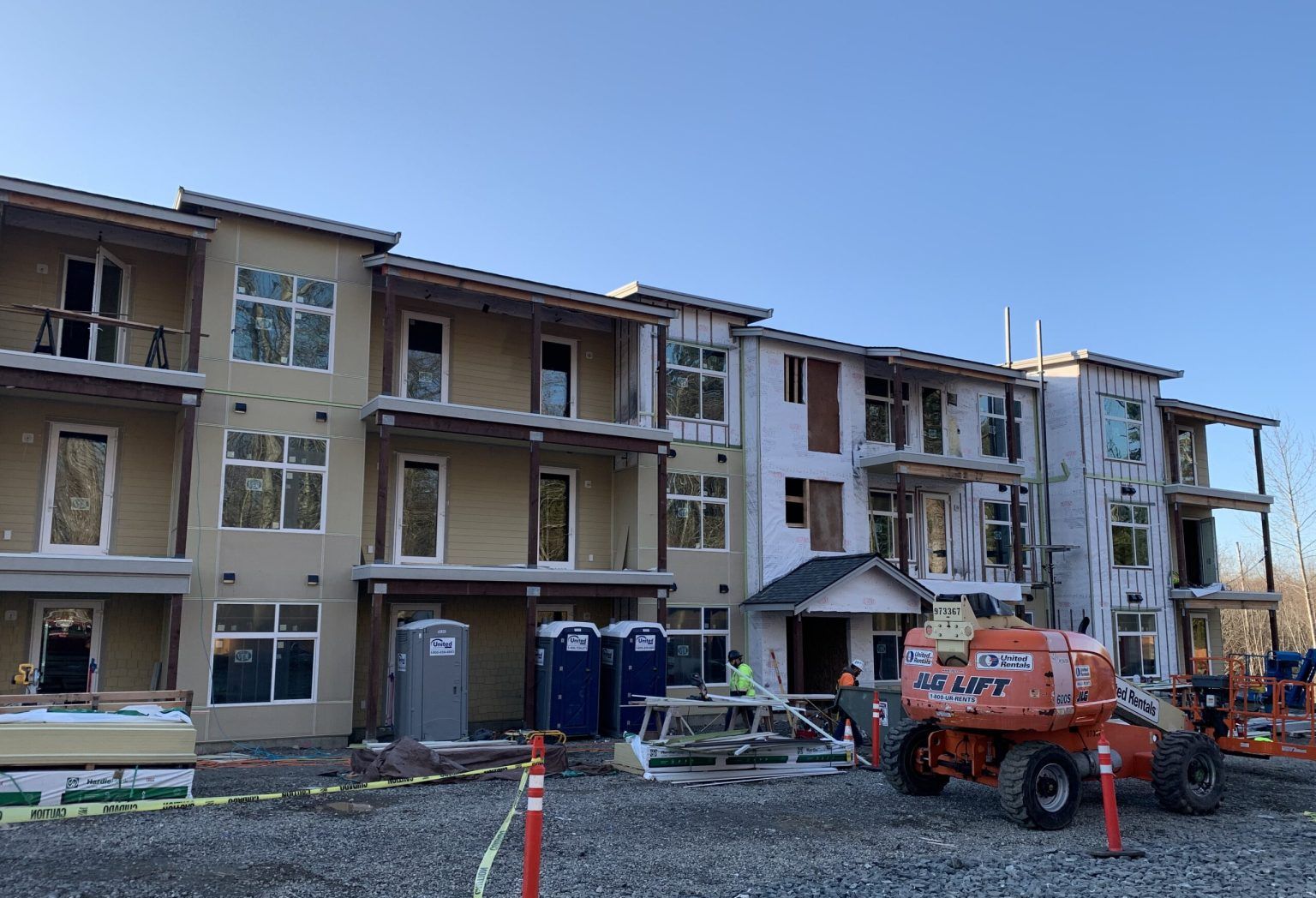
Keystone is one of the leafier corners of Hillsborough County — big lots, mature oak canopy, and a mix of lakefront homes around Lake Keystone alongside horse property and newer construction pushing out from Citrus Park and Odessa. That canopy and lake breeze make it a beautiful place to live, but they also mean siding here works harder than siding in a subdivision with no shade: constant humidity trapped under the tree cover, pollen and leaf litter that hold moisture against a wall, and the same wind-driven summer storms and stray hurricane bands the rest of Tampa Bay deals with. A siding replacement on a typical Keystone home — roughly 2,000 to 3,500 square feet of exterior wall area — usually runs somewhere between one and three weeks of on-site work once the crew starts, not counting the weeks spent on permitting and material ordering before that. Homes with extensive trim, multiple stories, or hidden sheathing damage from old leaks run longer. Homeowners are often surprised that the actual installation is the shorter half of the process; the paperwork and lead time in front of it usually takes longer than the build itself.
Before a single piece of old siding comes off, several things have to line up. Keystone is unincorporated Hillsborough County, so permits for siding replacement are pulled through Hillsborough County Development Services rather than a city building department — that matters because review timelines, inspection scheduling, and fee schedules differ from what a homeowner might expect from Tampa's or Plant City's municipal offices. Any siding product installed has to carry a current Florida Product Approval number showing it meets the wind-load and water-intrusion testing required under the Florida Building Code; Alpine Exteriors pulls the permit and provides that documentation as part of the contract, but it's worth asking to see it rather than assuming.
If the home sits inside one of Keystone's lake or golf-adjacent deed-restricted communities, there's a second approval to get: the HOA's architectural review committee. Most HOAs in this part of the county want a sample of the color and profile before work starts, and turnaround can add one to three weeks on top of the county permit. Rural, non-HOA properties on well and septic skip that step entirely, which is one advantage of the more spread-out lots common in Keystone.
Material lead time is the other variable that catches people off guard. Fiber cement siding in a stocked color can sometimes ship in a couple of weeks, but matching an existing custom color, ordering specialty trim profiles, or choosing a less common product can push lead times to six weeks or more, especially during the spring and early-summer building season when suppliers across the Tampa Bay region are all drawing from the same distribution centers. Locking in material selections early is the single biggest thing a homeowner can do to keep the overall project on schedule.
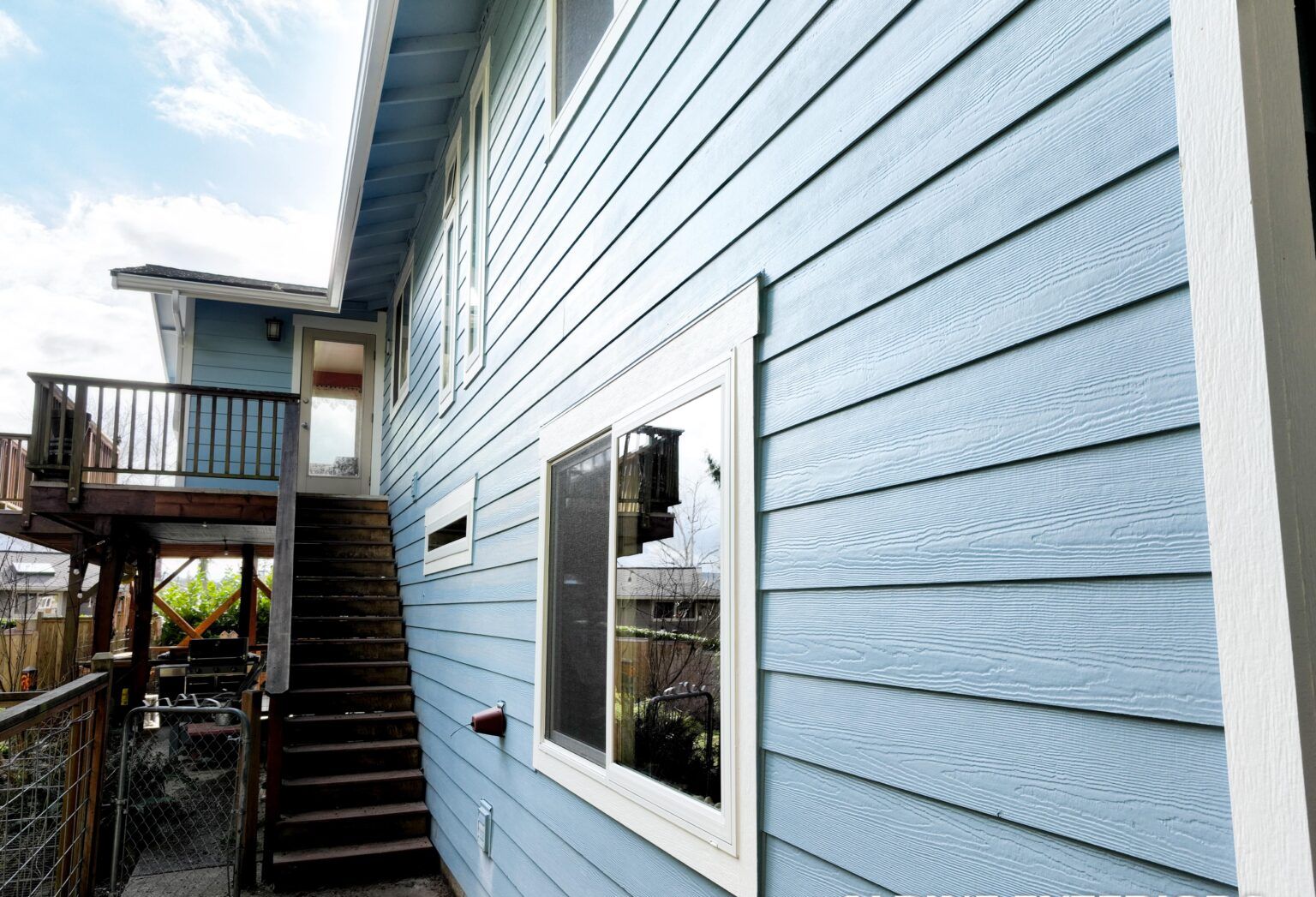
Once permits are approved and material is on-site, the work itself follows a fairly consistent sequence:
Typical pace for each stage on an average Keystone home:
| Stage | Typical Duration |
|---|---|
| Site protection and staging | Half a day |
| Tear-off | 1–3 days, depending on square footage |
| Sheathing repair (if needed) | 1–4 days, only when damage is found |
| House wrap and flashing | 1–2 days |
| Siding installation | 3–8 days |
| Trim, caulking, and punch list | 1–3 days |
These are elapsed workdays, not calendar days. A single afternoon thunderstorm — close to a daily occurrence in the Tampa Bay wet season — can push the schedule by a day, since fresh house wrap tape and caulk both need dry conditions to bond properly.
A few things on the homeowner's side make the project go more smoothly. Vehicles should be moved out of the driveway and away from the work zone for the duration, since ladders, staging, and the debris trailer need clear access to every elevation of the house. Anything hanging on interior walls near where siding is coming off — mirrors, framed photos, shelving — should come down before tear-off starts, because nail guns and pry bars transmit a surprising amount of vibration through the framing. Pets do better indoors during active work; between the noise and the open gates needed for material staging, a yard that's normally secure may not be for a few days. Irrigation zones that spray directly against the foundation are worth shutting off during tear-off and the house wrap stage, since standing water at the base of an open wall isn't ideal. Homeowners with security cameras, exterior lighting, or low-voltage wiring mounted to the old siding should flag those locations in advance so the crew can work around or temporarily relocate them rather than cutting a wire mid-tear-off.
Hillsborough County requires permit inspections at defined points in the process — typically a sheathing or dry-in inspection before the house wrap is covered, and a final inspection once siding, trim, and flashing are complete. Work doesn't get closed out, and the crew doesn't get final payment, until that final inspection passes. Cleanup happens daily, not just at the end: old siding and packaging go into the debris trailer each afternoon rather than piling up in the yard, and the crew runs a magnet sweep of the lawn and driveway at the end of the job specifically to catch stray nails and screws before they end up in a tire or a bare foot. The final walkthrough is done with the homeowner present, checking every elevation against the punch list, confirming trim and caulking are complete, and photographing the finished exterior. Those photos are also useful later if an insurer requests documentation for an OIR-B1-1802 wind mitigation inspection, since current siding materials and their Florida Product Approval can factor into that form.
New siding is close to maintenance-free compared to what it's replacing, but it isn't zero-maintenance in this climate. The biggest recurring task is keeping an eye on caulk and sealant joints — intense Florida UV breaks down sealant faster here than in milder climates, and a joint that's cracked or pulled away is the most common way wind-driven rain finds its way behind new siding. An annual walk-around before hurricane season, checking trim joints and corner seals, catches most problems while they're still a caulk-gun fix rather than a repair. Mold and mildew staining will happen eventually given the humidity and tree cover around Keystone; most siding products tolerate a gentle rinse or low-pressure wash, but a pressure washer run too close or too aggressively can drive water behind panels or strip a factory finish, so it's worth checking the manufacturer's care guidance before doing it yourself. Material warranties come from the manufacturer and vary by product line; Alpine Exteriors backs its own labor with a workmanship warranty and stands behind the installation under Florida contractor license RB29003900, so if a seam opens up or a piece comes loose, that's a call to the installer, not a claim against the material maker.
Plan on roughly four to eight weeks total for an average Keystone home, though that span is mostly permitting and material lead time rather than labor. The on-site work itself — tear-off through final walkthrough — typically runs one to three weeks depending on the size of the home, how much trim detail is involved, and whether the crew finds sheathing damage once the old siding comes off.
Yes. Siding replacement is a permitted exterior alteration under the Florida Building Code, and in Keystone that permit is issued through Hillsborough County Development Services rather than a city office. The permit is what triggers the required sheathing/dry-in and final inspections, and it's also the record that ties the installed product's Florida Product Approval number to your address.
It can, but not automatically. Insurers use the OIR-B1-1802 wind mitigation inspection form to evaluate a range of features, and siding is a smaller factor on that form than items like roof shape and opening protection. New siding installed to current Florida Building Code wind-load requirements, with documentation of its product approval, gives a wind mitigation inspector accurate information to work with, but any premium impact depends on your specific policy and carrier.
Yes, with some day-to-day adjustment. Crews don't tear off more of a wall than they can dry-in the same day, and steps like house wrap taping and final caulking get held for windows with no rain in the forecast, since both need to cure properly to perform. An afternoon thunderstorm might push the schedule by a day here and there, but it doesn't stop the project — it's part of why the timeline is given as a range rather than a fixed number of days.
If your siding is original to the house, showing UV fading, or you've found soft spots after a storm, an on-site look is the fastest way to get real numbers instead of guesses. Alpine Exteriors serves Keystone as part of its Tampa Bay coverage area — alongside Wesley Chapel, Lutz, Land O' Lakes, New Port Richey, Plant City, and Zephyrhills — and can walk the exterior, check the sheathing where it's visible, and lay out a realistic permit-to-finish timeline for your specific home.