
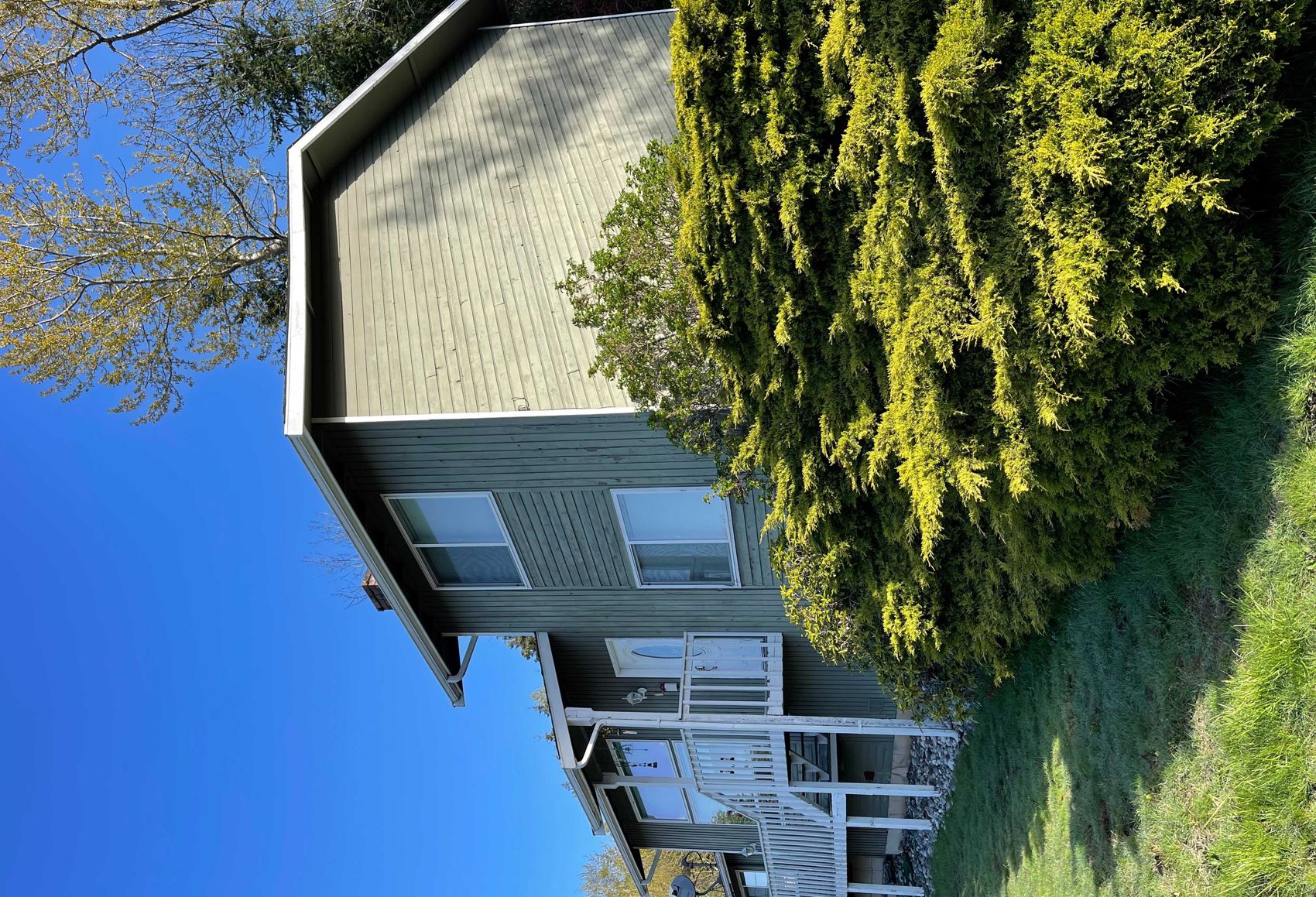
The part of a storm that damages siding in Wesley Chapel usually isn't the wind speed you hear about on the news — it's wind-driven rain forced sideways and upward under panels that are still technically attached. A lap of siding can survive 60-70 mph gusts and still fail its actual job, which is keeping water out of the wall, because the seams opened just enough during the blow to let rain track behind the cladding.
That distinction matters because it changes what "storm damage" looks like. Homeowners expect to find a cracked panel or a piece torn off in the yard, and sometimes that's exactly what happens. But on a lot of the calls Alpine Exteriors runs in Wesley Chapel after a summer storm system or a tropical system's outer bands pass through, the siding looks intact from the driveway. The damage is behind it — soaked sheathing, a musty smell in a closet on the storm-facing wall, or a soft spot in drywall that wasn't there last month. Pasco County's storm pattern, which mixes fast-moving afternoon thunderstorms with occasional tropical systems, produces both kinds of damage, and the invisible kind is the one that costs more if it sits.
Lap siding, whether vinyl, fiber cement, or engineered wood, is designed to shed water downward under normal rainfall. It is not designed to keep out water that's being driven horizontally or pushed upward from below by gusts, which is exactly what happens along the leading edge of a thunderstorm outflow boundary or the outer bands of a tropical system. When wind loads exceed what a panel's fastening pattern and lock strip were designed for, the bottom lock can flex open just a few millimeters — enough for wind-driven rain to get behind the panel and run down the house wrap or building paper underneath.
From there, a few things can happen. If the weather-resistive barrier behind the siding is intact and lapped correctly, the water usually finds its way back out at the weep points and no real damage occurs — this is the scenario where nothing needs to be done. If the barrier has a gap, a puncture from a nail, or has degraded from age and UV exposure before the storm ever hit, water gets into the wall cavity. In Central Florida's climate, a wet wall cavity doesn't just dry out and get forgotten. The humidity here stays high enough, for enough of the year, that trapped moisture behind siding becomes a mold and wood-rot problem within days rather than weeks. That's why the timeline between a storm and an inspection matters more in Wesley Chapel than it would in a drier climate — the damage keeps compounding after the rain stops.
Fastener and corner details are also where storm damage concentrates. Wind uplift loads are highest at building corners, around window and door trim, and at the roofline where siding meets soffit. If you're going to find storm damage anywhere on a Wesley Chapel home, that's where to start looking, not necessarily on the broad flat wall sections.
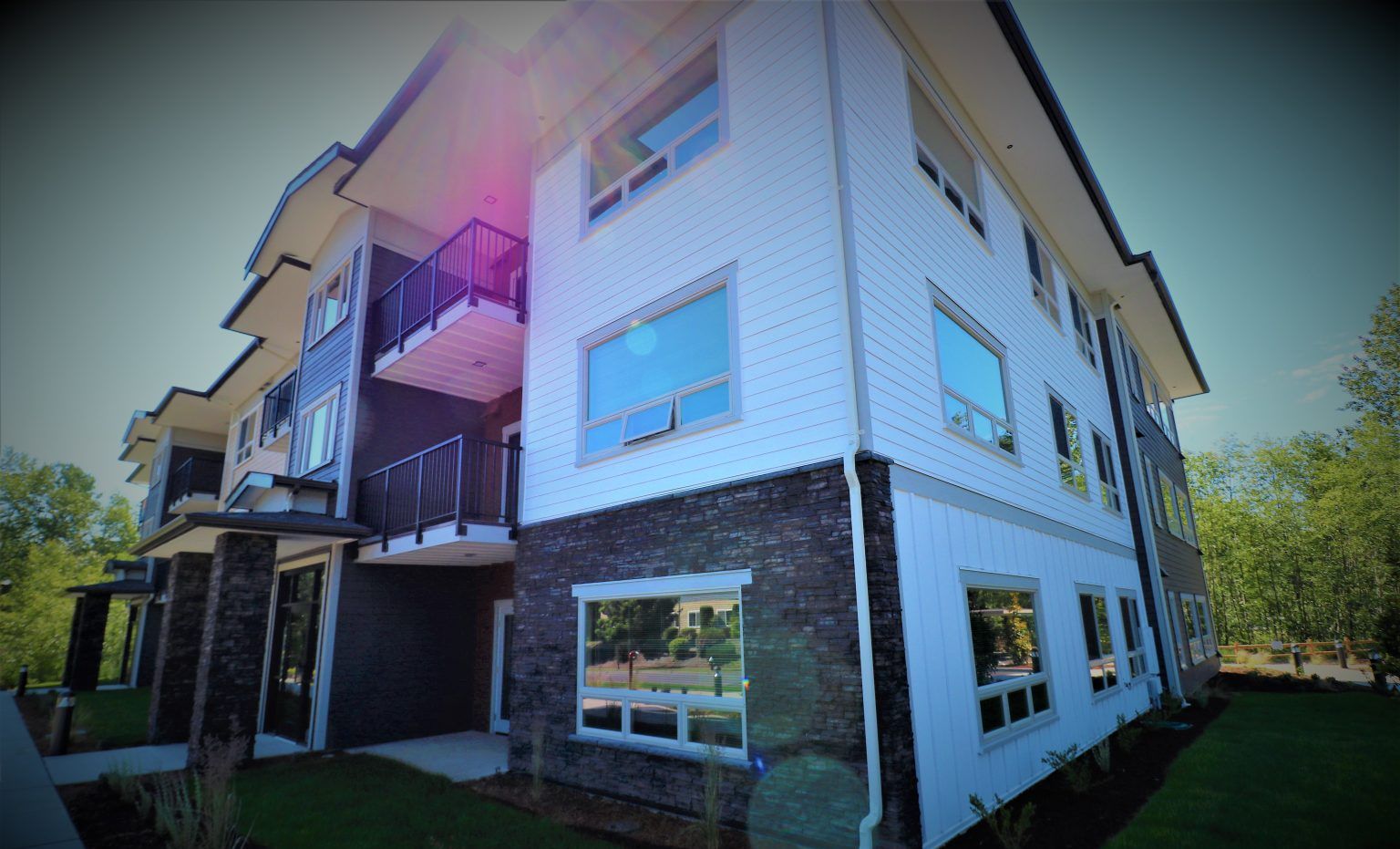
Wesley Chapel sits inland from the Gulf, which means it doesn't deal with the direct salt-air corrosion that coastal Pasco communities closer to the water contend with. But "inland" doesn't mean "sheltered" — the area is still squarely inside Florida's hurricane wind-speed zones under the Florida Building Code, and it takes real wind loads from both tropical systems tracking across the peninsula and the intense, fast-developing summer thunderstorms that are just part of living in this part of Florida from roughly June through September. Those summer storms are frequent enough, and can produce strong enough straight-line gusts and microbursts, that they cause more cumulative siding wear over a given year than people expect from storms that never get a name.
Humidity is the second regional factor, and it's constant rather than seasonal. Even without a storm, siding assemblies in Pasco County are managing near-saturated air for large parts of the year, which is why any breach — a gap at a seam, a cracked piece of trim, a spot where caulk has failed — turns into a mold and moisture problem faster here than it would in a drier climate. Add UV exposure, which is intense and sustained in Central Florida, and you get vinyl that becomes more brittle and caulk joints that fail years before they would in a milder climate. A house that's had five or six Florida summers on its siding is more vulnerable to storm damage than the same house would be up north, simply because the material has already been worked on by the sun before the wind ever shows up.
Termites are the other piece that's easy to overlook when you're thinking about siding specifically. Vinyl and fiber cement panels themselves aren't a food source, but the wood trim, fascia, and in some cases the sheathing behind older siding installations are, and subterranean termites are active throughout Pasco County. Storm damage that exposes or softens wood trim can create an easier entry point, and termite damage that's already underway behind siding can make that trim fail under wind loads that intact wood would have handled fine. It's worth having both checked at the same time rather than treating them as unrelated issues.
Finally, code matters here in a way it doesn't everywhere. Wesley Chapel has grown fast, so there's a real mix of homes built under different cycles of the Florida Building Code, with different wind-load design requirements and different product approvals for the siding, trim, and fastening systems that were originally installed. When siding is replaced after storm damage, whatever goes back on has to meet current Florida Product Approval requirements for the wind zone the home sits in — you can't just match what was there in 2005 with something that isn't rated for it. That's a permitting and code detail, not just a cosmetic one, and it's part of why a licensed contractor should be involved rather than treating a storm-damaged section as a simple like-for-like patch.
After the weather clears and it's safe to be outside, walk the exterior methodically rather than just glancing at the most obvious wall. Corners, window and door trim, and the areas just under the soffit are where wind-driven damage tends to concentrate, so check those first even if nothing looks wrong from a distance.
On the insurance side, it helps to know your policy and your home's wind mitigation status before you're in the middle of a claim. If your home has a current OIR-B1-1802 wind mitigation inspection form on file, it documents things like roof-to-wall connections and opening protection that insurers use for both premium discounts and, sometimes, claims context — it's worth having a copy handy. Be realistic about one practical limitation: if only part of a wall's siding is damaged and the product has been discontinued or the color has weathered unevenly, an exact match isn't always available, and insurers don't always agree to replace a full elevation just for a color mismatch. That's a conversation worth having directly with your adjuster and your contractor rather than assuming it either will or won't be covered. Alpine Exteriors, FL license RB29003900, can provide a written inspection report that documents wind-related versus wear-related damage, which is the kind of detail that actually moves a claim forward.
It depends on your specific policy, but most Florida homeowners policies do cover siding damage caused by a covered wind or storm event, as opposed to damage from ordinary wear, sun exposure, or lack of maintenance. The distinction an adjuster is looking for is whether the damage was sudden and storm-caused or gradual, so documentation matters — dated photos taken close to the event and a contractor's inspection report that specifically notes wind-related failure points make a real difference in how a claim gets handled.
Storm damage tends to be localized and directional — it shows up on the side of the house the wind hit, concentrated at corners, trim, and seams, and it's often accompanied by a specific event you can point to. UV and heat wear, by contrast, is usually spread evenly across all sun-exposed elevations and shows up as fading, chalking, or brittleness rather than lifted or displaced panels. In practice the two often overlap, since sun-weakened caulk and brittle vinyl are exactly what gives way first in a storm, which is part of why a professional inspection is more reliable than trying to sort it out from the ground.
A wind mitigation inspection, documented on the OIR-B1-1802 form, focuses mainly on roof attachment, roof shape, and opening protection rather than siding directly, so it won't determine your siding claim outcome by itself. It's still useful to have on hand because it gives your insurer a fuller picture of your home's wind resistance, and if you're replacing siding after storm damage, matching new materials to your home's documented wind zone and product approval requirements is part of doing the replacement correctly under the Florida Building Code.
Faster than you'd think necessary just from looking at the outside. If water has gotten behind siding anywhere in this area, the combination of heat and near-constant humidity means mold growth and wood softening can start within days, not the weeks it might take in a drier region. Even a temporary weatherproofing measure to close a gap while a full repair or insurance claim gets sorted out is worth doing right away rather than waiting for a scheduling window.
If a recent storm has left you unsure whether your siding is actually fine or quietly letting water into the wall, that's exactly the kind of call worth making before it becomes a bigger repair. Alpine Exteriors, FL contractor license RB29003900, inspects storm-damaged siding for homeowners throughout Wesley Chapel, Lutz, Land O' Lakes, New Port Richey, Plant City, Zephyrhills, and the greater Tampa area, and can put findings in writing to support an insurance claim as well as recommend a repair scoped to current Florida Building Code and product approval requirements. Reach out for an inspection while the damage is still fresh — in this climate, that timing is what keeps a repairable problem from turning into a replacement.