
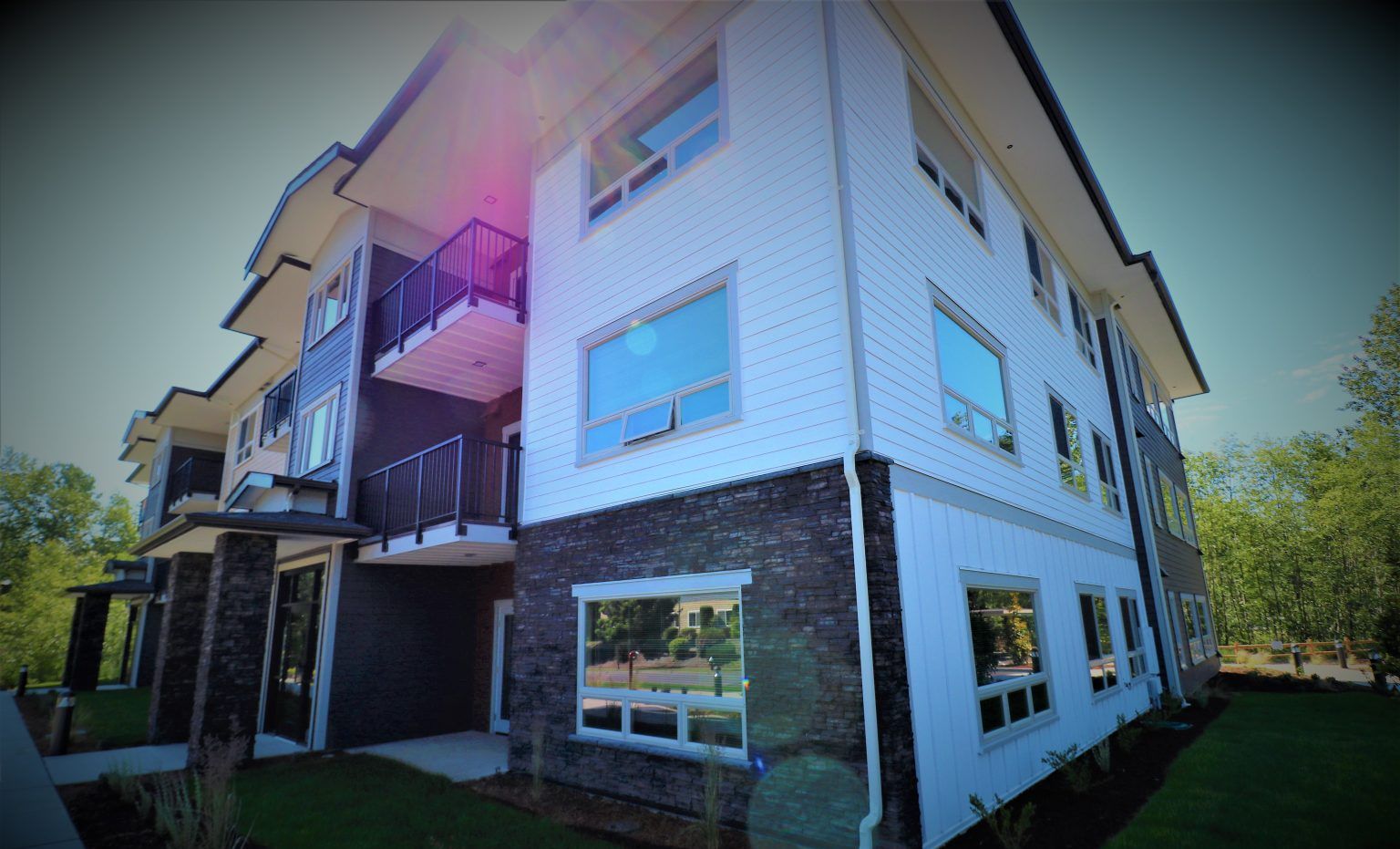
Dover sits in unincorporated Hillsborough County, between Plant City and the Tampa suburbs, which means most of the homes here were built in a mix of eras — from older frame houses with wood or early vinyl siding to newer stucco-and-Hardie construction. Whatever your home's age, replacing siding in this part of Florida is not a cosmetic weekend project. It is a code-governed job that has to account for hurricane wind loads, wind-driven rain, heavy summer humidity, and the termite pressure that comes with a warm, wet climate. This page walks through what actually happens, in order, when Alpine Exteriors replaces siding on a Dover home, so you know what to expect before a crew ever shows up.
For a typical single-family home in Dover — roughly 1,800 to 3,200 square feet of exterior wall area — a full siding replacement generally runs anywhere from one to three weeks of active on-site work once materials are on hand. That range is wide on purpose: a straightforward lap-siding tear-off and re-side on a house with sound sheathing can move faster than a job where the crew opens up a wall and finds moisture damage, rotten sheathing, or old termite galleries that need to be addressed before new siding goes up. Weather is the other variable. Tampa Bay's rainy season, roughly June through September, brings frequent afternoon thunderstorms that can pause exterior work for hours at a time, so summer projects often take longer calendar-wise even if the labor hours are similar to a job scheduled in the drier winter months.
The bigger number homeowners underestimate is what happens before the crew arrives. Between the initial inspection, permitting through Hillsborough County, and material lead times, it is common for four to eight weeks to pass between signing a contract and the first day of demolition. Rushing this front end is where most siding problems start, so Alpine Exteriors builds it into the schedule rather than treating it as dead time.
Siding replacement in Hillsborough County requires a building permit, and the work has to comply with the Florida Building Code, including the wind-load provisions that apply to your specific wind speed zone. Dover is not in a High-Velocity Hurricane Zone (that designation applies to Miami-Dade and Broward counties), but it still falls under Florida Building Code wind requirements tied to the local design wind speed, and the fastening pattern, house-wrap, and flashing details all have to meet that standard — not just the manufacturer's minimum installation instructions. Siding products used on the job should carry a valid Florida Product Approval (or, less commonly, a Miami-Dade Notice of Acceptance referenced as an alternative), which documents that the product has been tested for wind and water performance suitable for Florida use. Alpine Exteriors pulls the permit, submits the product approval documentation, and schedules the required county inspections as part of the contract — this is not an optional add-on.
If your property is in one of Dover's platted subdivisions with a homeowners association, check your covenants before signing off on colors or material types. Some HOAs restrict siding colors, require board approval of samples, or limit certain material types altogether. This step is entirely on the homeowner's side, but it is worth doing early, because an HOA rejection after materials are ordered can cost real time.
Material lead times vary by product. Fiber cement lap siding and trim are often the slowest-moving item because popular colors and profiles get backordered, especially during storm season when demand across Florida spikes. Vinyl siding profiles are usually quicker to source but still take real lead time for larger orders or less common colors. Alpine Exteriors places material orders as soon as the permit is submitted, not after it is approved, to keep the schedule tight.
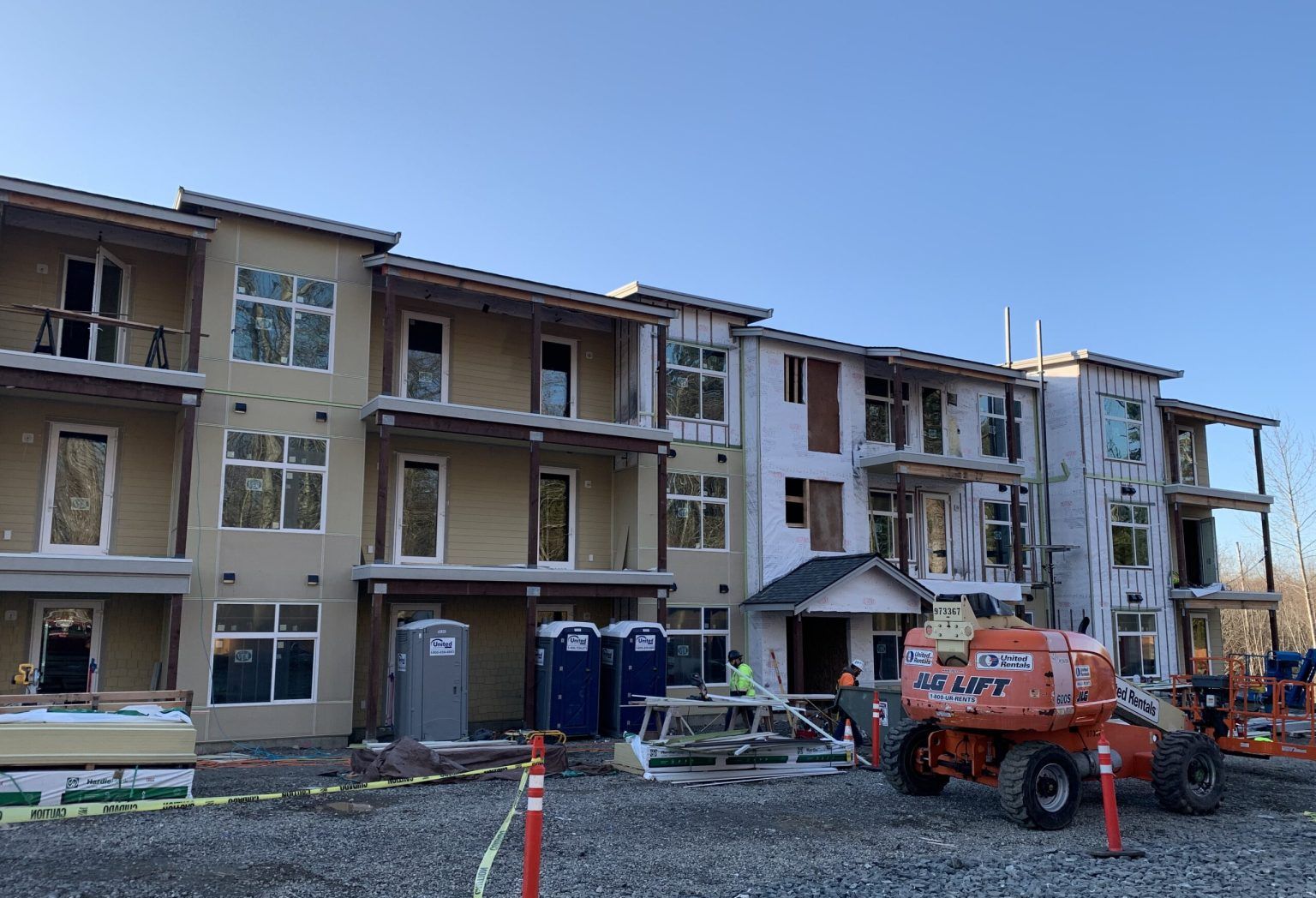
Every siding job follows roughly the same sequence, though the length of each stage depends on the home's condition and size.
A few days before work starts, walk the perimeter of your home and clear anything within about ten feet of the exterior walls — potted plants, decorative stone, hose reels, grills, and outdoor furniture. Trim back shrubs and bushes that touch the siding, since the crew needs clearance to work and to avoid damaging landscaping unnecessarily. If you have exterior-mounted items like security cameras, address numbers, mailboxes attached to the house, or holiday light hooks, note their locations or plan to reinstall them yourself afterward, since some may need to come down during tear-off.
Inside the house, expect noise and vibration during tear-off and fastening, particularly on shared walls with bedrooms or home offices. Pets are often more bothered by the noise than people are, so plan for that if you work from home or have animals sensitive to loud, repetitive sounds. If you have window units or through-wall equipment, let the crew know in advance so they can work around them safely. Finally, keep vehicles out of the immediate work zone and driveway apron for the duration of the project — a dumpster, material staging, and ladders typically take up more space than homeowners expect.
Once installation is complete, the Hillsborough County building inspector reviews the work against the permitted scope before it is signed off as final. Alpine Exteriors schedules this inspection and is present for it; if anything needs correction, it gets addressed before the job is considered closed, not left for the homeowner to chase down later.
Cleanup on a siding job means more than sweeping the driveway. Old siding debris, cut-offs, packaging, and fasteners all get bagged or bin-loaded daily where practical, and a final walk of the yard — including a magnetic sweep for stray nails, which matters if you have kids, pets, or go barefoot in the grass — happens before the crew leaves for good. The final walkthrough is done together with the homeowner: checking seams, corners, caulking, paint lines, and any areas around windows and doors, so any punch-list items get identified and corrected while the crew is still mobilized rather than becoming a separate return trip.
Florida's climate is hard on exterior surfaces. Intense UV exposure will fade any siding color over time regardless of manufacturer, though quality fiber cement and vinyl products are formulated to resist it better than lower-grade materials. Humidity means caulked joints and paint film should be checked periodically — an annual walk-around looking for cracked caulk, chalking paint, or soft spots near ground level is a reasonable habit, especially after hurricane season. Keep sprinklers from spraying directly on siding day after day, since constant wetting accelerates wear at the base of the wall.
Material warranties come from the manufacturer and vary by product — fiber cement and vinyl each carry their own limited warranty terms, and those documents will be provided at closeout. Alpine Exteriors backs its own installation labor separately from the manufacturer's material warranty, and the specifics of what is covered and for how long are laid out in your contract before work begins, not left as a verbal promise. As a Florida-licensed contractor (RB29003900), Alpine Exteriors is also required to carry the insurance and follow the permitting process that gives homeowners recourse if something is installed incorrectly.
Active installation typically runs one to three weeks depending on home size and whether sheathing repairs are needed, but factor in an additional four to eight weeks upfront for permitting, product approval documentation, and material lead times before the crew arrives.
No, most homeowners stay in the home throughout the project. Expect daytime noise, temporary access restrictions around the exterior, and some interior wall vibration during tear-off and fastening, but the home remains livable.
This is common enough in Hillsborough County's climate that it should not be treated as a surprise. Damaged sheathing gets replaced and any active termite activity gets flagged for treatment before new siding goes on, since sealing a moisture or pest problem behind new siding only makes it worse later.
Siding installed to current Florida Building Code standards, with proper Florida Product Approval documentation and correct fastening, performs better in high wind than older or improperly installed siding. Any potential insurance premium impact should be confirmed directly with your carrier, since siding alone typically factors differently into a policy than roof-related wind mitigation items.
If you're weighing a siding replacement in Dover or anywhere else in the Tampa Bay area, Alpine Exteriors can walk your property, explain what condition your current siding and sheathing are really in, and lay out realistic timeline and cost ranges before you commit to anything. Reach out to schedule an on-site inspection and get a written scope of work.